
The Sound of the Score: Tony Gilroy’s Behemoth! and the Modern Virtuoso
For those raised within the cloistered, high-stakes world of classical music, cinema has long felt like a disappointing medium. Too often, the "musician" on screen is nothing more than a miming actor, waving a bow with the rhythmic grace of a windshield wiper. However, there are exceptions that cut through the noise. While Todd Field’s Tár remains the undisputed masterpiece of the genre—a film that didn’t just depict the world of high-art conducting but lived inside its jagged, sociopathic psyche—other works have carved out their own space. From the high school idealism of Mr. Holland’s Opus to the biopic ambition of Maestro, the bar for authenticity has been raised.
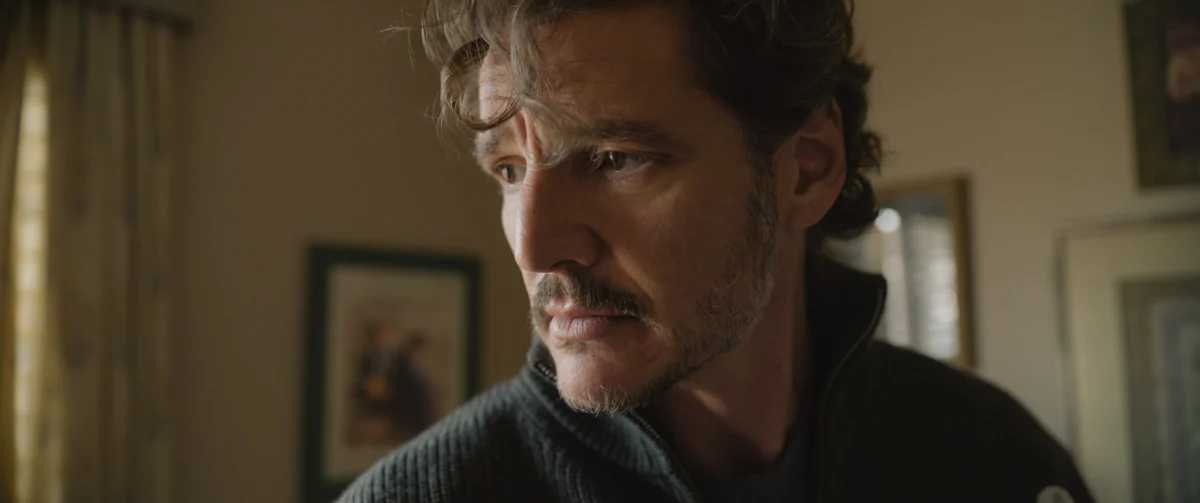
Enter Tony Gilroy’s latest directorial effort, Behemoth!, a film that manages to capture the granular reality of the professional cellist with remarkable, if occasionally frustrating, precision. Featuring a magnetic, nuanced performance by Pedro Pascal as Alex Serian, the film serves as a love letter to the grit behind the glamour of modern music-making.
The Modern Reality: From Symphony to Session Work
At the center of Behemoth! is Alex Serian, a cellist whose pedigree is unimpeachable. Once a child prodigy who graced The Tonight Show at the age of six, Serian has spent his adult life traversing the world’s most prestigious symphony orchestras. Yet, the film’s most poignant narrative thread is its refusal to romanticize the classical career path.
In the contemporary era, the symphony circuit is a fragile ecosystem. Orchestras are struggling, budgets are hemorrhaging, and even the most virtuosic musicians find their professional security eroded by the realities of the gig economy. For Serian, this necessitates a pivot into the lucrative, high-pressure world of Hollywood session work. Gilroy masterfully illustrates that this industry is just as demanding as the philharmonic, perhaps more so.
The film depicts these recording sessions as battlegrounds of corporate perfectionism. Conductors are portrayed not as artistic visionaries, but as ruthless taskmasters. Thomas Kretschmann, in a standout performance, embodies the archetype of the "prima donna" conductor, bringing a frantic, Kinski-esque intensity to the studio. From the opening scene, the audience is immersed in a hybrid dialect: the "pianissimo" of the old world clashing with the "new ink" demands of a studio executive. It is in this cavernous, sterile space that the film’s tension truly ignites.
Technical Virtuosity: The Pascal Commitment
The most common "pet peeve" for any musician watching a musical drama is the physical inaccuracy of the performance. Gilroy, perhaps anticipating this critique, took the most ambitious path available: he required Pedro Pascal to actually learn the cello.
The result is transformative. Because Pascal is truly playing—with genuine vibrato, authentic bowing, and the specific, labored head-movements of a dedicated instrumentalist—the audience perceives Serian not as a character, but as a professional athlete. This physical commitment allows the audience to buy into the character’s history. We see the years of muscle memory; we see the weight of his child-prodigy background. Serian is a man who breathes music, but that very air is suffocating him. His talent is his identity, but his family’s dysfunction is his anchor.
A Scherzo of Structure: The Meta-Narrative Gamble
If Tár was a symphony of psychological decline, Behemoth! is, by its own design, a scherzo—playful, erratic, and structurally daring. This is only the fourth feature directed by Tony Gilroy, his first since 2012’s The Bourne Legacy. Having spent the intervening years helming the sprawling, intricate world of the Star Wars series Andor, Gilroy brings a renewed, palpable enthusiasm to the craft of filmmaking.
The film employs a mischievous, meta-textual device: we watch the orchestra record a piece of music, only to have that music seamlessly transition into the score of the film we are watching. It is an impish wink at the audience, highlighting the artificiality of the very emotions the film is trying to evoke. To pull this off, Gilroy assembled a "Behemoth! Collective"—a group of nine acclaimed composers, including industry titans like James Newton Howard and Alan Silvestri. While the trick is undeniably clever, it raises questions about the film’s intent. Is it a commentary on the commodification of music, or simply a showcase of Gilroy’s directorial swagger?
Chronological Complexity and Narrative Flaws
Gilroy’s screenplay utilizes an elliptical, cut-and-paste chronology that recalls the fractured timeline of Tár. However, this is where the film begins to fray. The visual continuity is so seamless—with actors appearing identical across scenes that clearly take place years apart—that the narrative occasionally becomes incoherent.
A key example is the sequence involving Nadia (Eva Victor), a star violinist who serves as a romantic match for Serian. Their trajectory, from a chance encounter in Dallas to a tragic, unexplained rift, is presented with a lack of signposting that risks alienating the viewer. We are left to piece together the timeline like a puzzle, a task that feels more like an editorial oversight than a deliberate artistic choice.
Supporting Data: The Human Element
The emotional core of the film is bolstered by the supporting cast, particularly Will Arnett, who portrays Serian’s brother—a struggling, self-doubting podcaster. Their conversations are among the most grounded moments in the film, providing a window into the "family craziness" that haunts Serian.
Meanwhile, Olivia Wilde’s portrayal of Carol, the wife of a wealthy symphony patron, provides the film with its most jarring emotional beat. Wilde radiates a desperate, stalker-like intensity that forces the audience to question Serian’s own moral passivity. Pascal plays Serian as the "eye of the storm"—dashing, refined, and perpetually detached. He is a man who moves through life with the elegance of a cello concerto but the emotional availability of a ghost.
The Final Movement: Implications and Legacy
In its final act, the film leans into a heist-like suspense sequence as Serian infiltrates a mansion in a bid to resolve his past. It is an expertly staged set piece, but it underscores the central conflict of the film: what does it mean to be an artist in a world that only values you for your output?
Behemoth! is ultimately a midlife-crisis drama masked as a musical mystery. It is a film about the friction between the purity of the craft and the cold, transactional nature of the modern entertainment industry. Despite its "dismally bad" title—a name that is difficult to recall, pronounce, or explain—the film possesses a singular, idiosyncratic energy.
Nineteen years after Michael Clayton, Tony Gilroy remains a master of the "big-screen story." Yet, Behemoth! feels like a work in transition. It is a film that attempts to reconcile the intellectual rigor of his previous writing with a newfound, playful interest in form. While it may not reach the transcendent, soul-shattering heights of Tár, it succeeds in its primary objective: it forces us to listen. It asks us to consider the hands that hold the bow, the lungs that hold the breath, and the heavy, invisible weight of the music that plays on, even when the performer is falling apart.
As we look at the trajectory of Gilroy’s career, Behemoth! stands as a testament to his obsession with the professional soul—the person who is defined by their work, yet lost within it. Whether the audience embraces the "meta" gimmicks or finds them distracting, the film remains a bold, deeply authentic look at the life of a musician who has, quite literally, played himself into a corner.
