
The Cratering of ‘Digger’: How a Tom Cruise Vehicle Became Hollywood’s Most Expensive Miscalculation
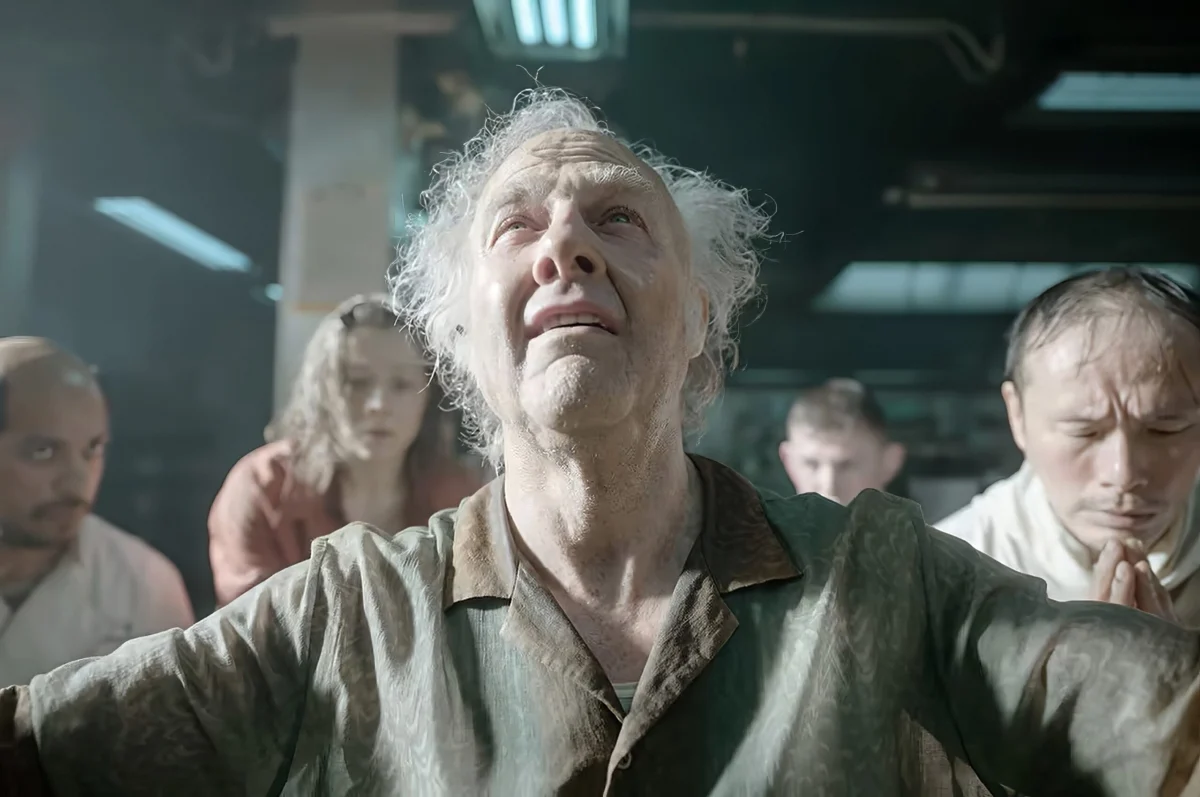
The global box office has long been considered a temple of predictability, where star power and spectacle are the twin pillars of success. However, the opening weekend of the absurdist dark comedy Digger has shattered that illusion, delivering a result that industry analysts are calling a historic catastrophe. With a global haul of just $28 million—$8 million domestically and a paltry $20 million from international markets—the film has not only failed to meet its modest expectations but has effectively "cratered," leaving Warner Bros. to face a fiscal black hole that could reach as high as $200 million in theatrical losses.
As the 103-year-old studio prepares to finalize its historic merger with Paramount, Digger stands as a grim, unwanted monument to a strategy that prioritized auteur ambition over audience appetite.
The Anatomy of a Box Office Bomb
The numbers behind Digger make for uncomfortable reading in the boardroom. With a production budget estimated between $160 million and $180 million, and an additional $100 million sunk into a global marketing campaign, the film’s financial viability was tethered to a massive theatrical performance.
Industry experts suggest that, accounting for the theater owners’ cut of ticket sales, the film required a global gross of roughly $350 million to break even. While a studio spokesperson insisted the "true" break-even point sits closer to $300 million, the distinction is academic. Digger is not merely underperforming; it is failing to reach even a fraction of the necessary threshold.
The film’s domestic debut of $8 million is particularly damning. Projections leading up to the release estimated a range of $12 million to $15 million—already a conservative figure for a project of this scale. To put that in perspective, a tentpole production typically requires a domestic opening of at least $40 million to justify its investment. Digger did not just fall short; it missed the mark by an order of magnitude.
Chronology of a Failed Campaign
The collapse of Digger was not an overnight occurrence, but rather a slow-motion collision of poor creative reception and ineffective messaging.
- Pre-Production and Hype: The project was greenlit under the stewardship of Warner Bros. co-chairs Michael De Luca and Pamela Abdy. Given the pedigree of director Alejandro G. Iñárritu—the Oscar-winning visionary behind Birdman and The Revenant—and the legendary status of Tom Cruise, the studio was confident they were backing a prestige piece that would bridge the gap between high-art and blockbuster entertainment.
- The Marketing Pivot: As the film neared completion, internal screenings reportedly raised eyebrows. When initial critical reviews landed, they were vitriolic, labeling the movie "unpleasant," "baffling," and "disconnected." In a desperate attempt to salvage the release, Warner Bros. pivoted to an aggressive social media campaign. They leaned into the "bad buzz," using Instagram and X (formerly Twitter) to urge fans to "decide for yourself."
- The Release Window: The film hit theaters during a crowded late-season window, competing for oxygen against more audience-friendly fare. The hope that international audiences would compensate for domestic apathy proved to be a delusion, as the film was rejected in 73 global markets with the same fervor seen in the United States.
- The Aftermath: By Sunday evening, the reality had set in. With a "C+" grade on CinemaScore and a 51% approval rating on Rotten Tomatoes, the film lacked the "legs" required for a rebound. It is now slated for a rapid, quiet transition to streaming, where it will likely serve as a cautionary tale in film schools for years to come.
Supporting Data: Why the Numbers Failed to Add Up
The failure of Digger forces a deeper examination of the current Hollywood landscape, where the "blank check" era for directors is coming to a violent end.
The Auteur vs. The Audience
Warner Bros. has seen a mixed bag of results from its recent slate. The studio hit a home run with the R-rated horror hit Sinners, which grossed $371 million on a $90 million budget. However, that success has been overshadowed by a series of high-profile financial disasters, including Joker: Folie à Deux, Mickey 17, and The Bride!.
Digger represents the apex of this trend. It is a film that demands an audience, yet offers little in the way of traditional satisfaction. By betting on an R-rated environmental satire, the studio misread the appetite of a market currently favoring escapism and proven intellectual property.
The International Mirage
Historically, Tom Cruise is a global phenomenon. His Mission: Impossible and Top Gun films frequently perform better abroad than at home. Warner Bros. attempted to capitalize on this, circulating marketing spots that implied Digger was being unfairly maligned by American critics, while finding an eager audience abroad. The data, however, proved otherwise. A $12 million international return from 73 markets confirms that the audience rejection was a global phenomenon, not a regional quirk.
The "Cruise" Conundrum: Press and Personality
Tom Cruise has built his career on the foundation of the "Impossible." From scaling the Burj Khalifa to piloting fighter jets, his brand is synonymous with death-defying, kinetic, and authentic stunts. Digger offered none of these.
Instead, the promotional tour saw Cruise engaging in a series of unconventional interviews—from the New Heights podcast to a dance-heavy appearance on The Jennifer Hudson Show. Throughout, Cruise remained guarded, avoiding substantive questions about the film’s narrative or quality, opting instead to wax poetic about his general, undying love for the "big screen experience."
This approach failed for two reasons:
- Lack of Substance: Without a death-defying stunt to promote, the audience felt no tangible "reason" to see the movie in a theater.
- The Legacy Trap: The marketing department attempted to sell Digger by relying on a three-minute montage of Cruise’s greatest hits. By framing the film as a continuation of his 46-year career, they alienated the younger demographic Iñárritu claimed the film was intended for—a generation that has no personal nostalgia for Risky Business or Jerry Maguire.
Ultimately, the marketing attempted to sell a brand, not a movie. When the brand (Cruise) didn’t deliver the spectacle the audience expected, the brand equity was eroded.
Implications for the Future of the Studio
The implications of Digger’s failure extend far beyond the balance sheet of a single film. As Warner Bros. stands on the precipice of its merger with Paramount, the failure of this project acts as a final, stinging indictment of the studio’s current creative direction.
A Shift in Power
The "auteurist swing"—the practice of giving top-tier directors vast budgets to realize their unique visions—is essential for the artistic health of Hollywood. However, the Digger disaster proves that these swings cannot come with blank checks. The industry is currently in a "harsh box office environment," where theater-going is a choice, not a default habit. When a film is marketed as a "love letter to cinema" but fails to resonate with the average moviegoer, the cost of that failure is no longer just a loss of profit; it is a loss of institutional trust.
The End of an Era
This is a sad, discordant note for the 103-year-old studio to end on before merging with Paramount. For the executives who championed this project, Digger will likely be remembered as the breaking point. The narrative that "Tom Cruise can sell anything" has been effectively dismantled. Moving forward, studios will likely return to a more disciplined, metrics-driven approach to production, prioritizing projects that have a clear, demonstrable appeal to the broadest possible audience.
In conclusion, Digger serves as a stark reminder that even in the age of global reach and massive marketing budgets, the fundamental truth of the film industry remains unchanged: the audience is the final arbiter of value. When a film fails to connect with the zeitgeist, no amount of star power or legacy marketing can save it from the inevitable. For Warner Bros., the focus now turns to the merger, with the hope that the lessons learned from this $200 million mistake will inform a more stable, sustainable future in the years to come.
