
The Sonic Haunting of Cabrini-Green: How Robert Aiki Aubrey Lowe Reimagined the Legend of Candyman
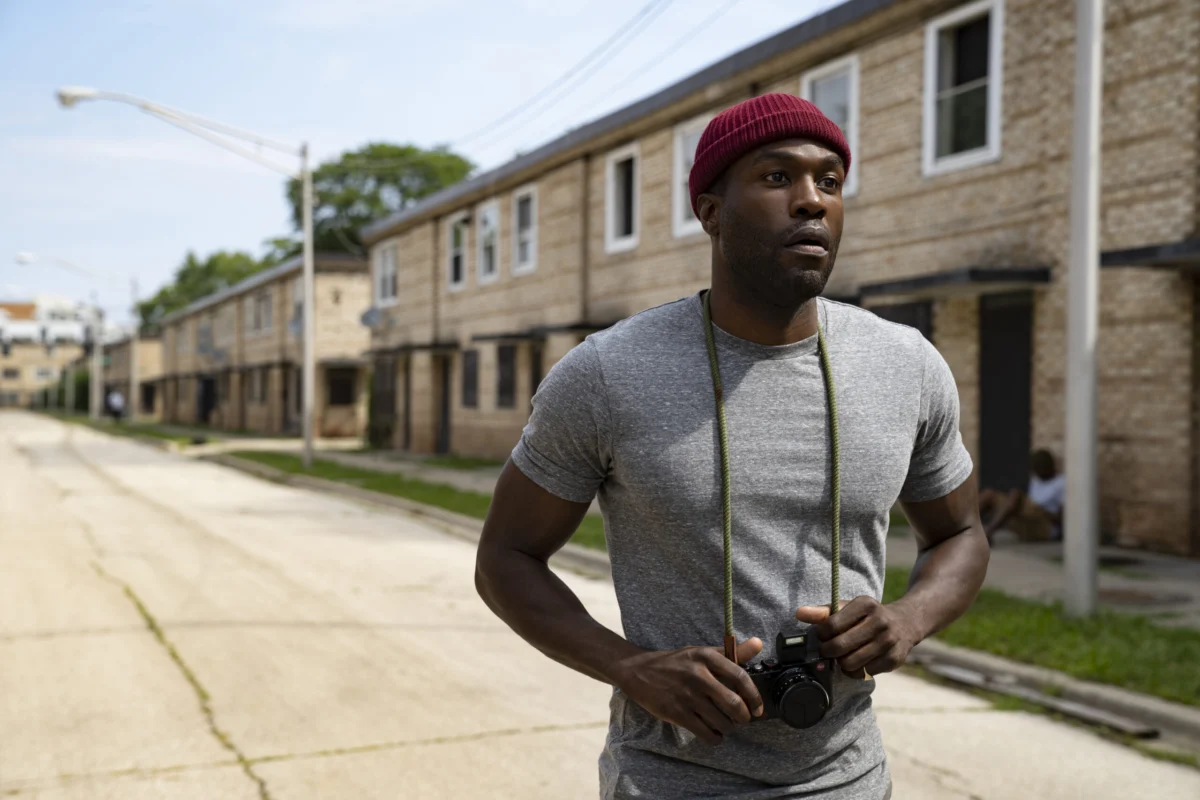
In the landscape of modern horror, few films have managed to balance the visceral terror of a slasher with the profound weight of sociopolitical commentary as effectively as Nia DaCosta’s 2021 Candyman. While the film’s striking visual aesthetic and its exploration of gentrification and racial trauma anchored its narrative, the true architect of its oppressive atmosphere was composer and co-sound designer Robert Aiki Aubrey Lowe. Tasked with updating a horror icon while honoring the legacy of Philip Glass’s seminal 1992 score, Lowe delivered a soundscape that functions less as a musical backdrop and more as a living, breathing entity—a manifestation of the "psychic energy" of Chicago’s long-suffering Cabrini-Green.
The Genesis of a Modern Mythos
The production of Candyman required a sonic identity that could bridge the gap between the original film’s gothic melancholy and the contemporary, visceral reality of DaCosta’s vision. For Lowe, the assignment was as much about historical excavation as it was about composition. The film centers on Anthony McCoy (Yahya Abdul-Mateen II), an artist who finds himself drawn into the tragic history of the hook-handed specter, a legend deeply rooted in the history of anti-Black violence in America.
Lowe’s approach was unconventional from the outset. Rather than relying on traditional orchestral arrangements, he sought to build a world where the line between "score" and "sound design" was entirely dissolved. He envisioned a sonic language that could reflect the trauma of the past while maintaining the tension required for a psychological thriller. By embedding his process in the physical reality of the film’s setting, Lowe ensured that the music was not merely accompanying the action, but reacting to the environment itself.

Chronology: From Field Recordings to the Final Cut
The development of the Candyman score began long before the film was fully edited, starting in the earliest stages of casting and location scouting.
Pre-Production (The Field Recording Phase): Lowe spent significant time in Chicago, specifically within the remaining structures of Cabrini-Green. He treated these locations as instruments, capturing the "found sounds" of the environment—the wind whistling through abandoned row houses, the creaking of metal electrical boxes, and the ambient hum of a neighborhood in transition. These recordings provided the raw, textural DNA of the score.
Production (The Performance Phase): During the filming process, Lowe took an active role on set. He worked directly with the primary cast, including Yahya Abdul-Mateen II, Colman Domingo, and Teyonah Parris. In a testament to his immersive process, Lowe prompted the actors to whisper, growl, and experiment with the word "Candyman." He then took these recordings and manipulated them, stretching, bending, and degrading the human voice until it became an abstract, unrecognizable entity.

Post-Production (The Collaborative Phase): As the film moved into the final stages, Lowe brought in acclaimed composer Hildur Guðnadóttir (known for her work on Chernobyl and Joker). Their collaboration added a layer of haunting, organic depth to the electronic textures. By processing her cello performances alongside his own processed vocal tracks, Lowe created a soundscape that felt both ancient and futuristic.
Supporting Data: The Anatomy of the Soundscape
Lowe’s technique relies on what he describes as "timbral choirs." By recording his own voice and feeding it through complex digital processing chains, he created a wall of sound that mimics strings, woodwinds, and metallic percussion. This choice was deliberate: it serves as a metaphor for the "multiplicity of voices" associated with the Candyman legend.
- The "Music Box" Homage: One of the most significant challenges was how to handle the original theme by Philip Glass. Lowe opted to reimagine the iconic "Music Box" melody, weaving it into the score during moments of backstory exposition and the end credits. This provided a bridge for fans of the 1992 film while ensuring the music felt tethered to the new narrative’s specific emotional stakes.
- The Insect Motif: The presence of bees is central to the Candyman lore. Lowe recorded the sounds of swarming insects, treating them as percussive elements. In tracks like "Rows and Towers," the rhythmic buzzing of bees is layered with vocal chants, creating an auditory experience that is both irritating and hypnotic, perfectly mirroring the protagonist’s descent into obsession.
- Acoustic Manipulation: Lowe’s commitment to texture meant that even his acoustic inputs—like Guðnadóttir’s cello—were stripped of their traditional characteristics. By bending the frequency ranges of the instruments, he ensured that the audience could never quite pin down the source of the sound, maintaining an "uncanny valley" effect that kept viewers on edge.
Official Responses and Creative Intent
In various discussions regarding the project, Lowe has been clear that his primary objective was "world-building." He noted, "If I’m making a score, I want to have the sounds inside of the score be an integral part."

Lowe emphasizes that his work was deeply influenced by the concepts of ancestral history and the slave trade. "These timbral choirs I made out of my own voice connect to Daniel Robitaille, and where he came from," he explained. By focusing on the "ghosts" of the past, Lowe was able to elevate the film from a standard horror sequel to a somber reflection on the cyclical nature of violence in Black communities.
Director Nia DaCosta, in supporting this vision, granted Lowe the creative freedom to treat the film’s sound as a narrative character. The result is a score that does not simply jump-scare the audience but slowly suffocates them, creating a sonic environment where the history of Cabrini-Green is felt in every vibration.
Implications: The Future of Horror Composition
The work of Robert Aiki Aubrey Lowe on Candyman represents a significant shift in how horror films are scored. We are moving away from the "Stinger" heavy, melodramatic scores of the late 20th century toward a more nuanced, textural approach that favors ambient dread over traditional musical tropes.

- The Blurring of Sound Design and Score: Lowe’s success suggests that the role of a composer is increasingly becoming that of a sound designer. As audiences become more sophisticated, the distinction between a "musical cue" and a "sound effect" is becoming obsolete.
- The Importance of Cultural Context: By utilizing his own voice and field recordings from the specific locale of the film, Lowe proved that a score can carry a political and historical subtext. This creates a more authentic viewing experience, particularly for films that grapple with sensitive subject matter.
- Collaborative Versatility: The inclusion of collaborators like Guðnadóttir demonstrates that even in highly specialized, idiosyncratic scoring processes, there is room for cross-pollination. This collaborative spirit is likely to define the next generation of experimental horror soundtracks.
Conclusion
Robert Aiki Aubrey Lowe’s contribution to the Candyman universe is a masterclass in atmospheric storytelling. Through his painstaking attention to detail—from the creak of an electrical box in an abandoned Chicago housing project to the manipulation of the human voice—he managed to capture the very essence of a lingering, vengeful ghost. His score does not just tell the story of the Candyman; it creates a space where that story feels inevitable, terrifying, and deeply rooted in a history that refuses to stay buried. In the end, the success of the film’s auditory experience confirms that in horror, what we hear is often far more haunting than what we see.
