
Broadway’s Autumn Season Ignites: Star-Studded Previews, Blockbuster Revenues, and Critical Acclaim Shape a Dynamic Fall
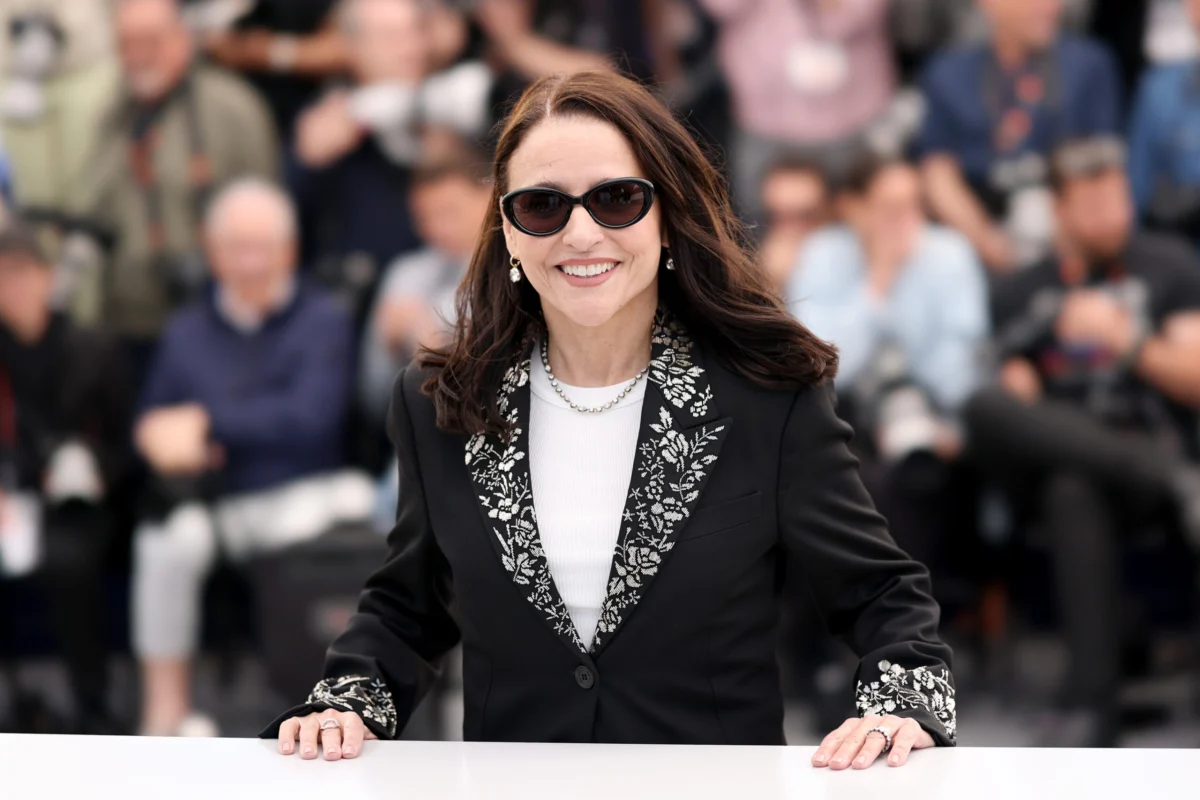
NEW YORK — Broadway’s autumn theatrical calendar is off to a roaring, high-stakes start, propelled by powerhouse casts, deeply personal storytelling, and resilient ticket sales across both historic houses and contemporary stages.
The latest box office figures reveal a vibrant ecosystem where star-driven revivals, poignant solo shows, and long-running juggernauts are commanding massive financial returns. Leading the charge last week was Jon Robin Baitz’s searing family drama Other Desert Cities, which made a monumental debut at the Hudson Theatre. Meanwhile, veteran comedian Billy Crystal returned to the Great White Way with a deeply personal grief-and-recovery narrative, and a suite of robust blockbusters reaffirmed the enduring commercial power of Broadway’s premier brands.
Yet, beyond the glittering headline figures, the week’s data reflects a nuanced landscape. Producers are increasingly leaning into premium pricing models, capitalizing on the star power of Hollywood heavyweights to drive unprecedented per-ticket averages, even as standard plays and intimate musicals find enthusiastic audiences through strong capacity metrics and steady word-of-mouth.
Main Facts: The Headlines of the Week
The definitive highlight of the pre-opening theatrical slate was the arrival of Other Desert Cities at the Hudson Theatre. Featuring a glittering, star-studded ensemble that includes multi-Emmy winners Julia Louis-Dreyfus and Allison Janney, alongside seasoned stage and screen veteran Ed Harris, rising star Joe Keery, and acclaimed theatrical stalwart Lily Rabe, the production pulled in a staggering $1.9 million across its first seven preview performances.
This financial triumph was not merely a function of packed houses—though capacity at the Hudson hovered remarkably close to a full 100 percent—but was heavily anchored by an average ticket price of $275. That figure represented the highest average ticket price across all of Broadway for the week, proving that consumers are willing to pay a steep premium for rare opportunities to see elite cinematic talent tread the boards in a live, intimate setting ahead of the production’s official opening night scheduled for October 18.
Simultaneously, the Rialto welcomed the preview phase of Billy Crystal’s highly anticipated solo show, 860. Inspired by the profound personal loss of his longtime California home to devastating wildfires, the production offered a stark thematic contrast to the polished family politics of Other Desert Cities. Crystal’s intimate theatrical exploration brought in a strong $854,574 across five performances, playing to a healthy 83 percent capacity with an average ticket price of $159.
On the overall grossing charts, Lin-Manuel Miranda’s cultural phenomenon Hamilton reclaimed its familiar throne as Broadway’s highest-grossing production for the week, hauling in an imposing $2.7 million. Hot on its heels was the impressive newcomer Other Desert Cities at $2.7 million (in close contention), followed by the spellbinding magic of Harry Potter and the Cursed Child, which conjured $1.7 million. Michael Jackson biographical musical MJ followed closely with $1.6 million, while Disney’s timeless powerhouse The Lion King rounded out the top five grossing productions with $1.5 million. Additionally, the provocative comedy Oh, Mary!, starring Saturday Night Live breakout Bowen Yang, continued its lucrative run as a major commercial force, bringing in $1.2 million for the week.
Completing the week’s financial and critical ledger were notable performances from Jocelyn Bioh’s acclaimed School Girls; Or The African Mean Girls Play, which opened at the Friedman Theatre on September 28 to positive reviews and a robust $351,072 take at 96 percent capacity, alongside The Imaginary Invalid, starring Bill Irwin and Rachel Bloom, which pulled in $352,824 across seven performances at 91 percent capacity in its second week of previews.
Chronology: A Week of High-Stakes Openings and Steady Runs
The theatrical week unfolded across a carefully orchestrated timeline of curtain rises, preview milestones, and critical evaluations that tested the appetite of New York theatergoers.
Early-Week Preview Milestones
The week began in earnest with the continued and newly launched preview cycles of late September and early October. On the heels of its opening weeks, The Imaginary Invalid—Molière’s classic farce reimagined through the comedic genius of Bill Irwin and the sharp wit of Rachel Bloom—entered its second week of previews. Playing across seven performances, the production demonstrated remarkable stamina for a classical adaptation, maintaining a 91 percent capacity rate and cementing its footing as a mid-tier audience favorite.
Mid-week saw the theatrical community pivot its attention heavily toward the Hudson Theatre and the Marquis Theatre (hosting Billy Crystal), where high-profile productions initiated public performances. For Other Desert Cities, the transition from rehearsal rooms to the glare of Broadway lights resulted in immediate lines at the box office and instantaneous social media buzz. The sheer density of recognizable faces in the cast—spanning generations of film, television, and stage royalty—created an electric atmosphere along West 44th Street.
The Weekend Rush and Official Openings
As the weekend approached, foot traffic through the Times Square theater district hit its weekly crescendo, bolstered by tourists and local theater enthusiasts alike. The weekend performances served as a critical litmus test for 860, allowing Billy Crystal to gauge audience reception to his emotionally raw material. With 83 percent of seats filled across five performances, the show proved that audiences are eager to follow beloved comedians into deeply vulnerable, dramatic, and personal territory.
Simultaneously, the post-opening momentum of Jocelyn Bioh’s School Girls; Or The African Mean Girls Play played out through the weekend. Having officially opened on September 28 at the Friedman Theatre, the production reaped the immediate harvest of strong early reviews. The word-of-mouth effect translated into a stellar 96 percent capacity rate, proving that contemporary, culturally resonant plays can secure formidable audiences right out of the gate when backed by critical endorsement.
Supporting Data: Box Office Metrics and Economic Realities
A granular analysis of the weekly Grosses Report issued by the Broadway League illustrates a bifurcated market: elite tentpole musicals and star-studded dramatic revivals are commanding record-breaking revenues, while mid-sized plays and specialized productions carve out highly profitable, high-capacity niches.
| Production / Show | Weekly Gross | Capacity (%) | Average Ticket Price | Notes / Status |
|---|---|---|---|---|
| Hamilton | $2,700,000+ | ~100% | Market Standard | Highest grossing production of the week |
| Other Desert Cities | ~$1,900,000 | ~100% | $275 | Highest average ticket price, previews (Hudson Theatre) |
| Harry Potter and the Cursed Child | $1,700,000 | High | Market Standard | Sustained powerhouse performance |
| MJ The Musical | $1,600,000 | High | Market Standard | Strong family and tourist draw |
| The Lion King | $1,500,000 | High | Market Standard | Core Disney tourism anchor |
| Oh, Mary! (Starring Bowen Yang) | $1,200,000 | High | Premium Indie | Continued commercial success |
| 860 (Starring Billy Crystal) | $854,574 | 83% | $159 | Solo show previews (inspired by wildfires) |
| The Imaginary Invalid | $352,824 | 91% | Moderate | Second week of previews (Bill Irwin, Rachel Bloom) |
| School Girls; Or The African Mean Girls Play | $351,072 | 96% | Moderate | Opened Sept. 28 to positive reviews (Friedman Theatre) |
The Premium Pricing Phenomenon
The most striking data point of the week remains the $275 average ticket price commanded by Other Desert Cities. In an economic climate where ticket inflation is a frequent point of contention among traditional theatergoers and advocacy groups, producers are increasingly utilizing dynamic pricing and premium seating tiers to capture the immense value of "event" theater.
By stacking a production with bankable Hollywood stars—such as Julia Louis-Dreyfus and Allison Janney—producers create a scarcity model. For tourists and affluent patrons who have only a few nights in New York, the opportunity to see multiple award-winning screen icons live on stage justifies the steep financial barrier of entry. This strategy successfully maximized the yield of the Hudson Theatre’s seven preview performances, netting nearly $2.7 million in total revenue when viewed alongside standard projections, proving that the upper ceiling of Broadway ticket pricing continues to rise.
Conversely, Billy Crystal’s 860 demonstrated a more accessible pricing strategy, averaging $159 per ticket. This allowed the production to maintain a healthy 83 percent capacity across five performances while still pulling in a robust $854,574. This data suggests that solo shows reliant on narrative intimacy and personal connection benefit from a slightly broader pricing tent, encouraging repeat visits and drawing demographic segments that might balk at the $250+ threshold.
Official Responses: Insights from Creators, Producers, and Casts
The convergence of high-profile artists on Broadway has generated considerable commentary from those steering these theatrical vessels.
Producers of Other Desert Cities have expressed profound optimism regarding the play’s early reception, noting that Jon Robin Baitz’s razor-sharp script—originally premiered off-Broadway over a decade ago—feels newly urgent in the current sociopolitical climate. The chemistry among the ensemble, which pairs the razor-sharp comedic timing of Louis-Dreyfus and Janney with the dramatic gravity of Ed Harris, has reportedly translated seamlessly off-stage into a collaborative rehearsal environment that has energized the entire Hudson Theatre crew.
In interviews surrounding the launch of 860, Billy Crystal has spoken candidly about the emotional genesis of his solo work. Addressing the trauma of losing his California home to the devastating wildfires that have increasingly plagued the American West, Crystal noted that the stage provides a unique crucible for collective catharsis.
"When you lose a place that holds decades of your life, memories, and physical history, the silence that follows is deafening," Crystal reflected during early promotional cycles. "Bringing this story to the theater isn’t just about sharing a tragedy; it’s about finding the resilience, the humor, and the human continuity that survives when the walls literally burn down."
Theater owners and league representatives have similarly praised the breadth of offerings dominating the autumn boards. The juxtaposition of sweeping spectacles like Hamilton and The Lion King with sharply focused contemporary plays like Jocelyn Bioh’s School Girls illustrates a healthy creative cross-pollination. Bioh’s work, which explores the complex dynamics of colorism, adolescence, and ambition within an elite boarding school in Ghana, has been lauded by critics and producers alike for expanding the demographic and thematic boundaries of what can achieve commercial success on Broadway.
Implications: What This Means for the Future of Broadway
The robust financial health and artistic diversity displayed during this pivotal autumn week carry profound implications for the broader theatrical industry as it navigates the remainder of the 2024–2025 season.
1. The Power of Star-Driven Limited Engagements
The massive commercial success of Other Desert Cities reaffirms the viability of the star-studded dramatic revival as a cornerstone of Broadway economics. As film and television actors increasingly seek out the artistic renewal of live theater, producers have a reliable blueprint for mitigating financial risk. By locking in recognizable talent for limited runs, investors can command premium ticket prices that insulate productions against the slower-moving word-of-mouth periods typically required for lesser-known works. This trend is likely to accelerate, transforming Broadway houses increasingly into showcases for cinematic royalty.
2. The Resurgence of Intimate and Personal Storytelling
While blockbusters like Hamilton and MJ continue to dominate the grossing charts through sheer volume and spectacle, the strong performance of 860 and School Girls signals an aggressive appetite for intimate, narrative-driven work. Audiences are actively seeking out authenticity, whether through Crystal’s processing of climate-related trauma or Bioh’s incisive cultural observations. This suggests that Broadway’s commercial viability is no longer solely dependent on high-budget musical IP; well-crafted plays and solo performances with distinct cultural or personal resonance can secure vital economic footholds.
3. Economic Pressures and Accessibility
Despite the strong aggregate numbers, the climb in average ticket prices—exemplified by the $275 benchmark set at the Hudson Theatre—poses ongoing questions regarding long-term audience development. While affluent tourists and corporate buyers readily absorb these costs, industry watchdogs continue to monitor the impact on local theatergoers, students, and younger demographics. The success of digital lottery systems, rush tickets, and accessible pricing models for shows like School Girls and The Imaginary Invalid remains essential to maintaining a vibrant, economically diverse audience base.
As the autumn leaves settle over Times Square and productions like Other Desert Cities march toward their official opening nights, Broadway stands in a position of undeniable strength. By balancing the glittering allure of Hollywood stardom with the vital pulse of raw, human storytelling, the Great White Way continues to prove its unmatched capacity for reinvention, economic resilience, and cultural leadership.
