
Into the Impenetrable: Behind the Scenes of LAIKA’s Cinematic Masterpiece Wildwood
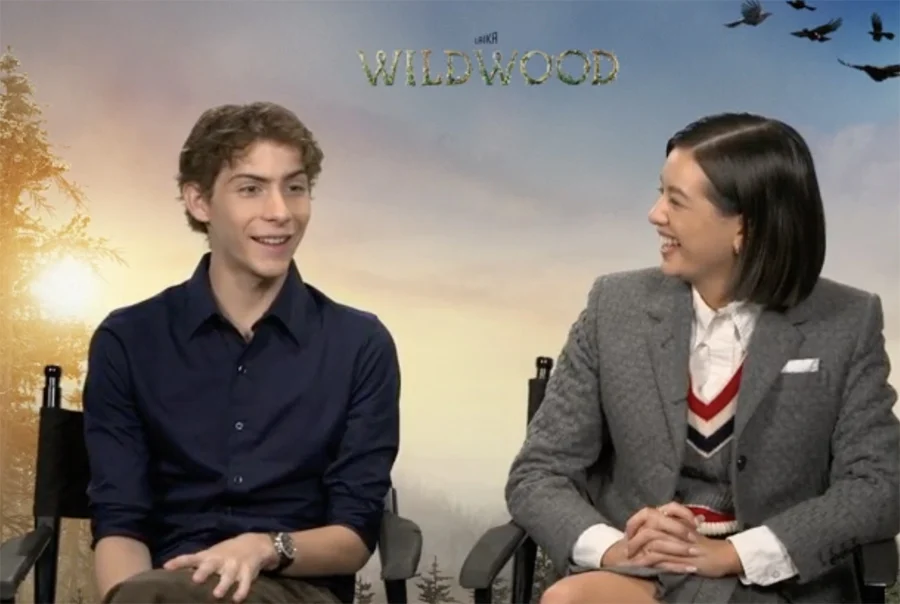
After 16 years of meticulous development, LAIKA’s latest stop-motion odyssey, Wildwood, has finally arrived in theaters, marking a new high-water mark for the Portland-based animation powerhouse. Directed by studio CEO and visionary Travis Knight, the film serves as an ambitious adaptation of the 2011 cult-classic novel. As audiences flock to experience the PG-13 action-adventure, the industry is buzzing about the unprecedented technical hurdles cleared to bring the story of Prue McKeel—a young girl venturing into a magical, forbidden forest to save her kidnapped brother—to the big screen.
The Genesis of an Epic: A Sixteen-Year Journey
The path to Wildwood was anything but linear. When LAIKA first set its sights on the source material, the studio was still refining its signature blend of traditional stop-motion and cutting-edge technology. According to Travis Knight, the sheer scope of the narrative—a sprawling, character-dense epic—required the studio to wait until its technical capabilities had caught up to its creative ambitions.
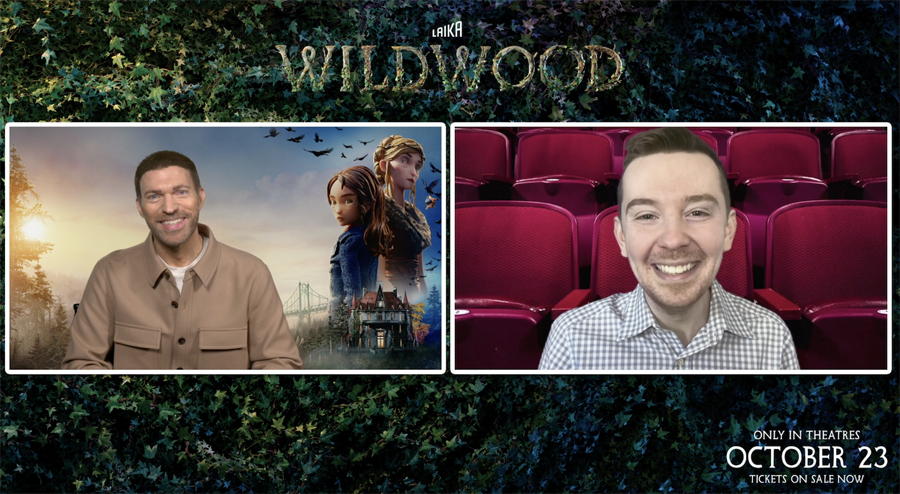
"This film is extraordinarily ambitious," Knight remarked during a recent press roundtable. "It’s one of the reasons why it took us 16 years to bring to the screen. It was so difficult. There was so much spectacle, so many characters, and so many locations."
For Knight, who previously helmed Kubo and the Two Strings and the live-action hit Bumblebee, Wildwood represents the culmination of every lesson learned during the production of LAIKA’s five previous features. The project serves as a testament to the endurance of the studio’s animators, whose devotion to the craft of frame-by-frame storytelling has allowed the film to transcend the traditional limitations of the medium.
A Convergence of Mediums: The "Live-Action" Stop-Motion Aesthetic
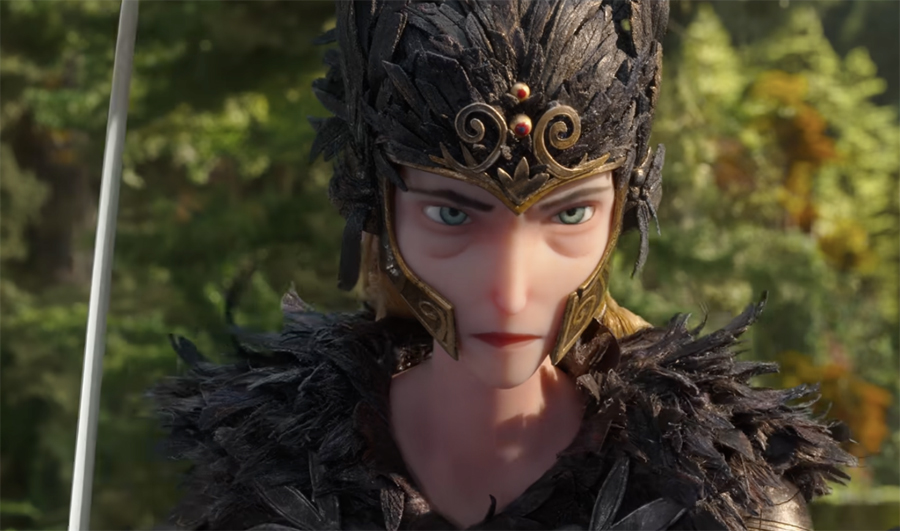
One of the most striking aspects of Wildwood is its cinematic language. Critics and audiences have noted that the camera movements, lighting, and editing feel less like traditional animation and more like a high-budget live-action epic. This is no accident. Knight credits his tenure in live-action directing as a foundational influence on how he approached the film’s visual design.
"Having worked in both mediums, there are definitely things that are almost identical in terms of the process, and then there are things that are very, very different," Knight explained. In stop-motion, every movement—even a simple camera pan—must be meticulously programmed into a motion-control rig and executed frame by frame. To achieve the "big epic" vibe he craved, Knight made a daring choice: he recruited legendary cinematographer Caleb Deschanel.
The collaboration was a meeting of two different worlds. Deschanel, a veteran of live-action cinema, approached the miniature world of Wildwood with no preconceptions about the "impossibility" of stop-motion. "He didn’t have any sense of [the limitations], so he was like, ‘Hey, what if we do this?’" Knight recalled. "Some of his ideas were insane. There was no way we could do them. But in other ways, he challenged the team to think differently."
The LAIKA Heroine: Character Evolution in a Crucible
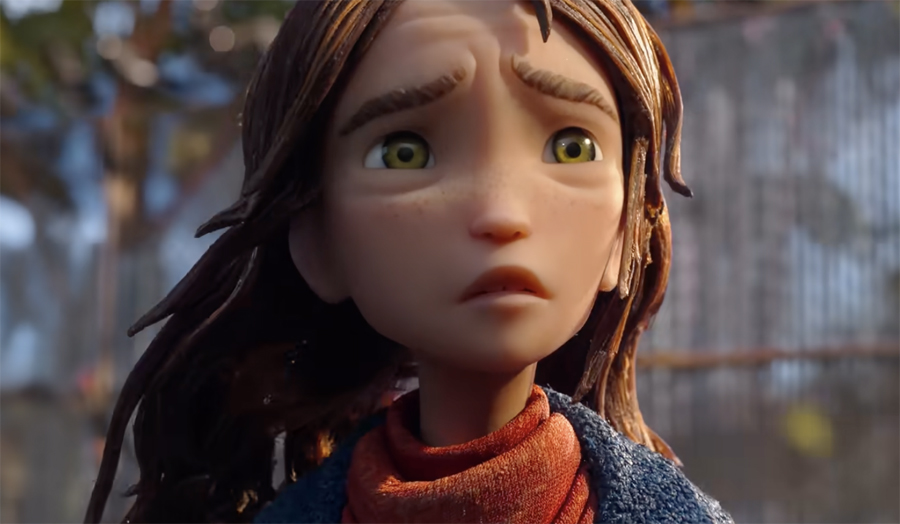
At the heart of the film is Prue, voiced by Peyton Elizabeth Lee. To the creative team, she represents the quintessential "LAIKA protagonist"—a character caught at a pivotal, transformative moment in life.
"I don’t think about them as ‘LAIKA heroes’ in a vacuum," Knight said. "I think about them as interesting and complex people who have somewhere to grow. We always treat these things as if you only get one shot to tell this story. The experience is meant to be the most significant, most meaningful experience of the character’s life."
Peyton Elizabeth Lee, who brings a nuanced vulnerability to Prue, notes that the character’s journey is one of universal discovery. "Though she goes on this mystical, magical adventure through an enchanted forest, the roots of her journey feel very authentic and universal," Lee said. "There’s a moment in every young person’s life where they realize that the world they thought they lived in is different than they thought."
Supporting Cast and the Power of Voice
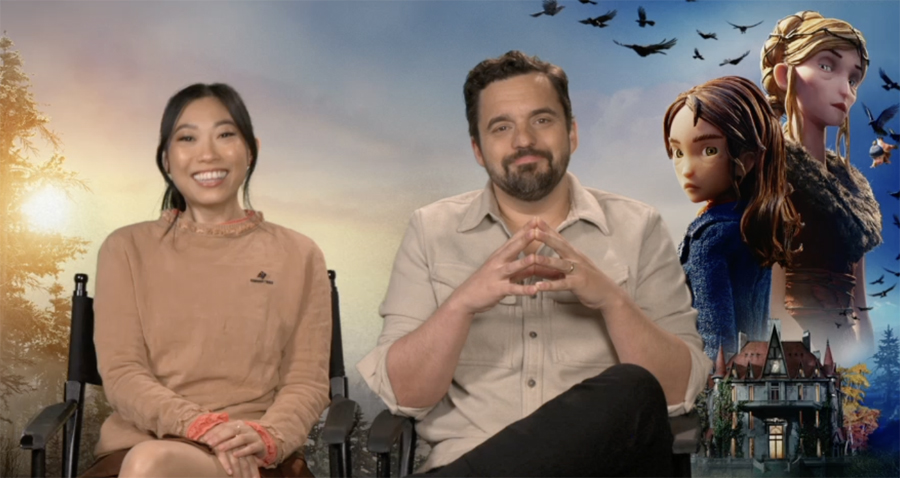
The film features an ensemble cast that brings depth to its supporting characters, including Jacob Tremblay as the fantasy-obsessed Curtis and Golden Globe winner Awkwafina as the rat companion, Septima.
For Awkwafina, the role was an exercise in finding humor within high-stakes drama. "When I first talked to Travis, he said, ‘She’s not in it a ton, but she plays an important part of the thread of everything,’" she explained. She noted that while she initially approached the role for its comedic potential, she was surprised by how emotionally resonant Septima’s arc became during the recording process.
Jake Johnson, who voices Prue’s father, Mr. McKeel, highlighted the clarity of the script as a major boon for his performance. "The writing was so clear, so that makes it very easy as an actor," Johnson said. "When you’ve got a group like they have—they specifically know what they want—sometimes acting becomes like painting with numbers."
Event Cinema: Why Wildwood Demands the Big Screen
In an era where streaming dominates consumption, LAIKA has partnered with Fathom Events to ensure Wildwood is treated as a major cinematic event. Knight is adamant that the film’s meticulous detail requires the largest possible canvas.
"What Fathom is exceptionally good at doing is that they treat cinema as an event," Knight noted. "This is a movie that deserved to be seen on the biggest screen possible, with the best projection and sound possible, where you can be surrounded by a group of fellow dreamers in the dark."
The actors echo this sentiment. Jacob Tremblay, who has starred in numerous animated hits, expressed shock at the physical scale of the production when he visited the studio. "I was really blown away by the scale of everything—how really big these sets are," Tremblay said. "For even establishing shots of the outside of a building, they build an entire massive set for it. So the dedication is really special."
Technical Implications and the Future of Animation
The production of Wildwood stands as a masterclass in the intersection of handmade artistry and industrial-grade technology. The "handmade quality," as Peyton Elizabeth Lee describes it, is precisely what separates LAIKA from the computer-generated norm of modern animation. By physically building worlds that feel tangible and tactile, the studio invites the audience to reach out and touch the frame.
The implications for the industry are clear: audiences are still hungry for the "soul" that comes from physical craftsmanship. As the lines between live-action and animation continue to blur, Wildwood sets a high bar for visual storytelling.
Whether it is the emotional weight of a father-daughter dynamic, the high-stakes thrill of a rescue mission, or the sheer awe of the film’s environmental design, Wildwood functions as a reminder that animation is not a genre, but a medium capable of profound, epic expression. As Knight concludes, the experience of watching the film—where every frame is the result of human devotion—is exactly what makes cinema a "dreamer’s medium."
Wildwood is currently playing in theaters nationwide.
