
How "VisionQuest" Solves Marvel’s Post-Endgame Continuity Crisis Without Losing Its Cinematic Universe Roots
Main Facts
The Marvel Cinematic Universe (MCU) has long wrestled with a double-edged sword: an expansive, interconnected continuity that rewards longtime fans while alienating casual viewers. Since the monumental conclusion of the Infinity Saga in Avengers: Endgame, this interconnectedness has often morphed into an exhausting burden, requiring audiences to complete hours of "homework"—spanning dozens of films and streaming series—just to understand the stakes of a new release.
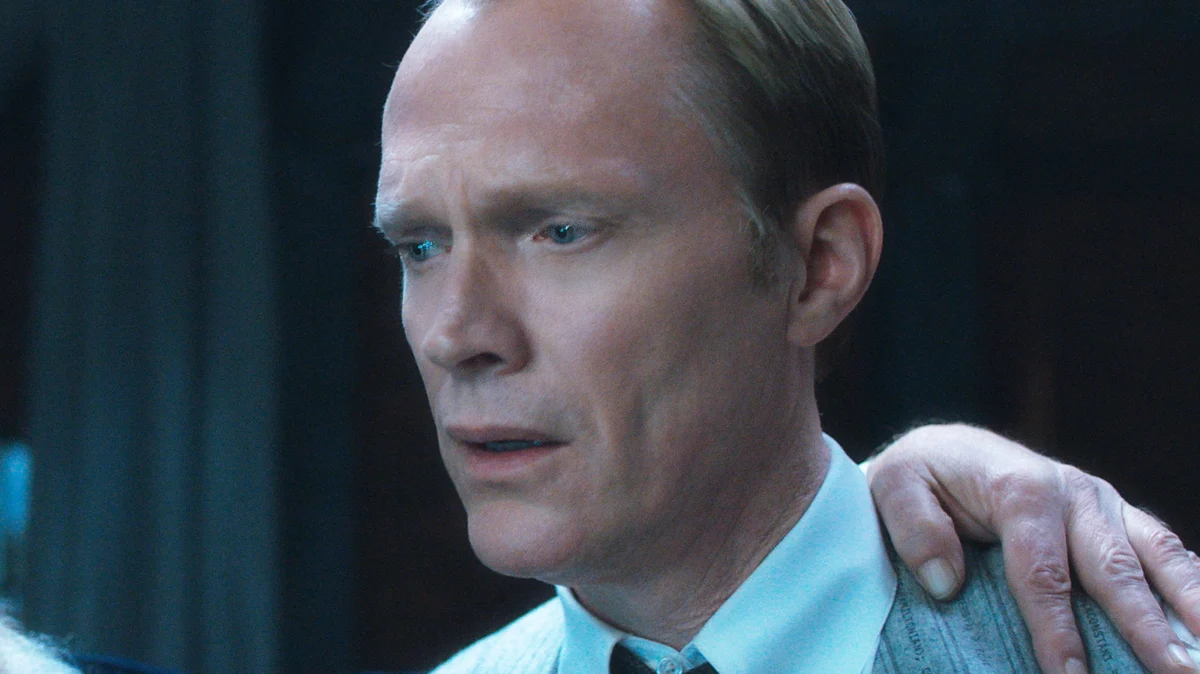
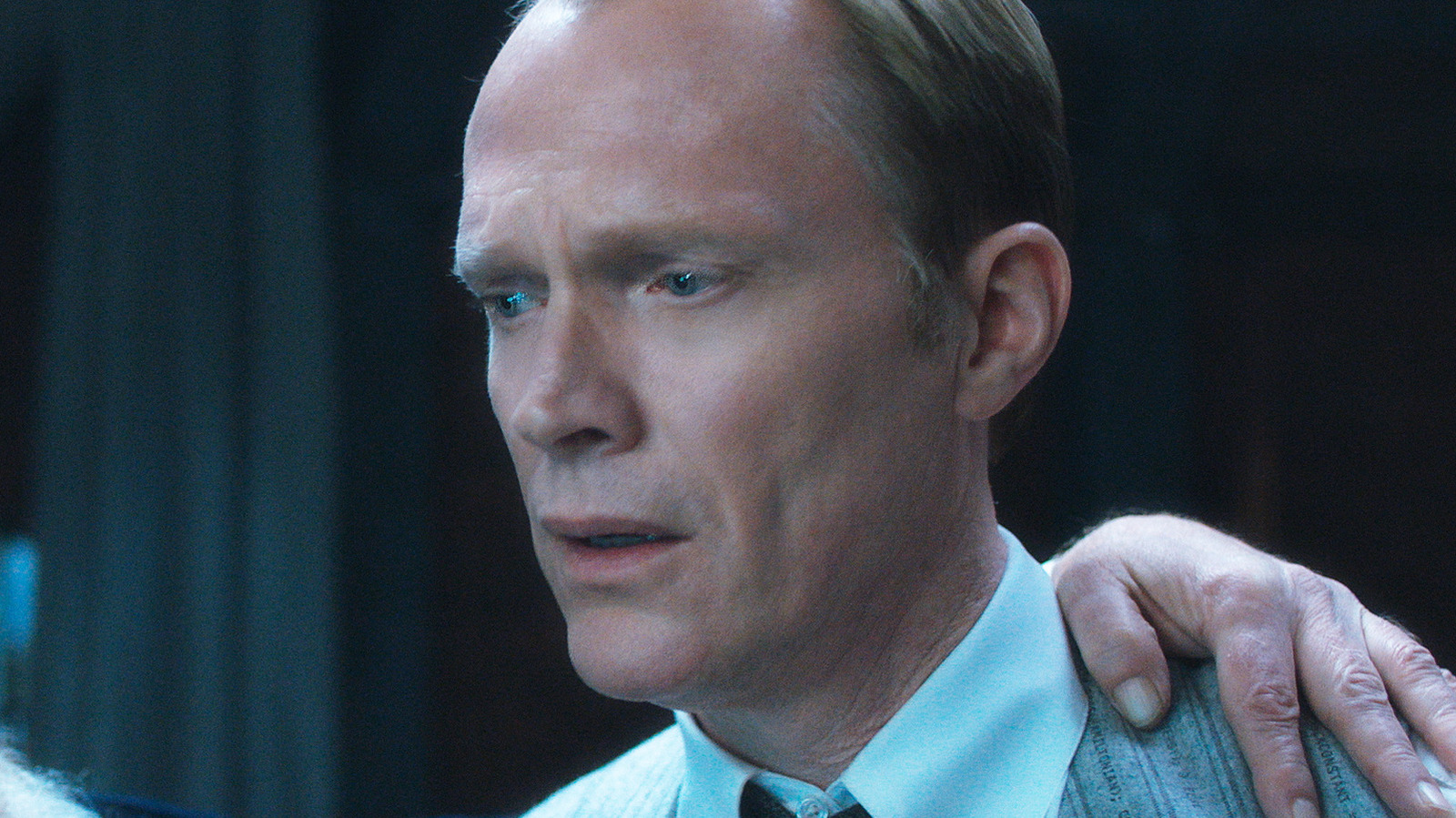
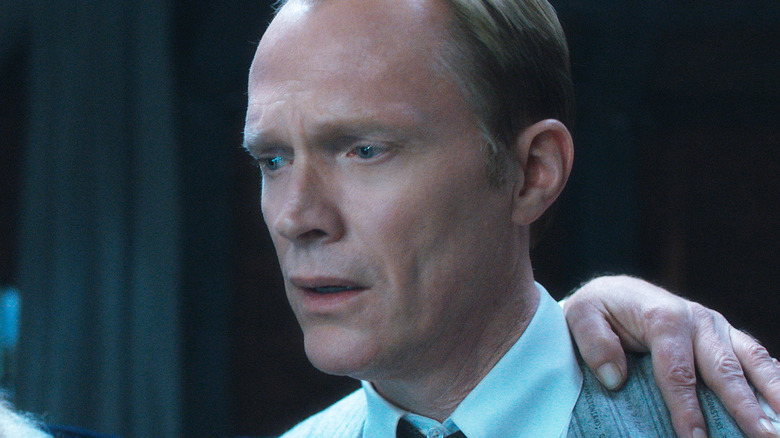
However, Marvel Studios’ latest streaming triumph, VisionQuest, has seemingly cracked the code. Acting as the capstone to an unofficial trilogy that includes WandaVision and Agatha All Along, the series centers on Paul Bettany’s titular synthezoid as he embarks on a poignant, soul-searching journey of self-discovery and identity.
Critics and fans alike are praising VisionQuest not only for delivering some of the deepest character work the MCU has seen in over a decade, but for successfully sidestepping the franchise’s post-Endgame continuity trap. By cleverly integrating exposition into the narrative fabric of the show—treating memory and data retrieval as core thematic elements rather than dry exposition dumps—VisionQuest manages to be deeply rewarding for die-hard continuity historians while remaining entirely accessible to newcomers.
Chronology
To understand the narrative weight of VisionQuest, one must look back at the winding path that led the character to this point. The synthezoid’s chronology in the MCU spans several key milestones:
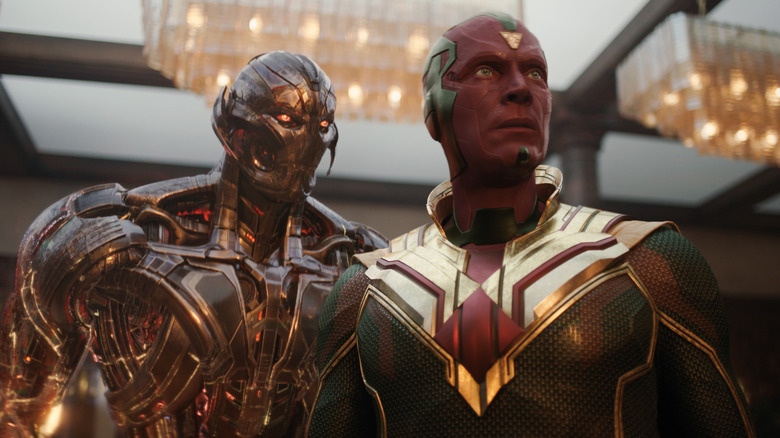
- 2015 (Avengers: Age of Ultron): Created via the collaboration of Tony Stark, Bruce Banner, Thor, and the Mind Stone, Ultron’s (James Spader) artificial intelligence inadvertently births Vision, who proves his worth by lifting Mjölnir.
- 2016–2018 (Captain America: Civil War through Avengers: Infinity War): Vision develops a deeply human romance with Wanda Maximoff (Elizabeth Olsen) before he is brutally killed by Thanos (Josh Brolin), who rips the Mind Stone from his forehead.
- 2021 (WandaVision): A grief-stricken Wanda uses her chaos magic to construct a facsimile of Vision inside the Westview Hex. Simultaneously, the clandestine government agency S.W.O.R.D. rebuilds the original white-suited corpse into a weapon devoid of emotion. The two Visions clash before the restored white Vision regains his memories and flies off into the unknown.
- 2022–2024 (Doctor Strange in the Multiverse of Madness & Agatha All Along): The magical fallout of Wanda’s actions ripples across the multiverse and affects the remnants of her magical family, paving the way for the complex magical and technological resurrection threads pulled together in VisionQuest.
- Present Day (VisionQuest on Disney+): Operating as a digital delight and a philosophical thriller, the series follows a digital/synthesized copy of Vision as he pieces together his fractured existence, relives his past, and grapples with the ghost in his machine.
Supporting Data
The structural mechanics of VisionQuest offer a masterclass in narrative efficiency. Data points regarding the show’s reception and production strategy highlight why it stands apart from previous Disney+ MCU outings:
- The Trilogy Conclusion: VisionQuest cements the WandaVision -> Agatha All Along -> VisionQuest pipeline as arguably the most critically cohesive narrative arc in the post-Endgame era.
- Reduction in TV Output: Marvel Studios’ recent strategic shift—slashing its streaming volume and slowing down production schedules—stems directly from audience fatigue caused by excessive continuity webs. VisionQuest serves as a model for how future projects can be lean without feeling weightless.
- Cast and Lore Integration: The series deftly handles heavy legacy lore, such as incorporating Ruaridh Mollica as a young Tommy Maximoff (whose soul was trapped in a random teenager’s body, a plot thread seeded in Agatha All Along) and reintroducing artificial intelligence voices like FRIDAY and JARVIS (Dum-E and U) without pausing the story for tedious Wikipedia-style explanations.
- Streaming Schedule: New episodes of VisionQuest drop weekly on Tuesdays via Disney+, building sustained conversational momentum rather than encouraging immediate binge-and-forget consumption.
Official Responses
While Marvel Studios executives have remained relatively tight-lipped regarding the granular mechanics of the studio’s broader course correction, recent creative decisions speak volumes. Following reports of audience alienation and canceled projects (such as adjustments made to the Wonder Man rollout and broader shifts in television strategy), studio heads have emphasized a pivot toward character-driven, standalone viability.
In early press rollouts for VisionQuest, the creative team emphasized that the series was designed from the ground up to explore internal conflict rather than external universe-building. Rather than serving as a stepping stone or a commercial trailer for the next massive Avengers crossover, the show treats Vision’s internal hardware and emotional software as a self-contained ecosystem.
Fans and reviewers have responded enthusiastically to this localized approach. Social media discussions have lauded the series for allowing Paul Bettany to flex his dramatic muscles, contrasting the poignant, quiet moments of introspection in VisionQuest with the bombastic, universe-shattering stakes that bogged down projects like Ant-Man and the Wasp: Quantumania or The Marvels.
Implications
The success of VisionQuest carries profound implications for the future of the Marvel Cinematic Universe as it marches toward its next major crossover events.
A Blueprint for Narrative Freedom
For years, the interconnected nature of the MCU was its greatest selling point. Fans delighted in spotting Easter eggs, tracing Infinity Stones across space and time, and watching character relationships evolve over a decade of cinema. However, as the universe expanded past thirty-plus films and nearly a dozen television shows, that same interconnectedness became a barrier to entry. VisionQuest proves that the MCU does not need to flatten its history or erase its past to be welcoming; instead, it must learn to weaponize exposition organically. By framing exposition through the literal lens of an artificial intelligence reviewing its own memory banks, the show turns continuity into character development.
Shifting Expectations for Disney+ Content
The era of mandatory viewing for every single Disney+ series may officially be coming to a close. If VisionQuest can successfully leverage 20 years of cinematic history while remaining hospitable to casual viewers, future streaming projects will likely adopt a similar philosophy. Audiences are signaling that they want deep, meaningful stories about individual characters rather than glorified homework assignments designed to set up the next film’s post-credits scene.
The Paradox of Legacy
Ironically, VisionQuest highlights a fascinating paradox at the heart of modern franchise storytelling: the show works precisely because of the heavy continuity it attempts to avoid. Its emotional resonance relies entirely on the fact that viewers remember the heartbreak of Infinity War, the surreal domesticity of WandaVision, and the tragedy of Ultron’s creation. Without that rich, 20-year history to draw from, the show’s philosophical musings on grief, identity, and memory would carry a fraction of their weight.
Ultimately, VisionQuest demonstrates that Marvel Studios can have its cake and eat it too. By treating its convoluted timeline as an atmospheric resource rather than a rigid set of rules, the series has charted a healthier, more sustainable path forward for the world’s biggest superhero franchise.
