
The Return of the Sands: ‘The Mummy’ Franchise Rises Again with ‘The Book of the Dead’
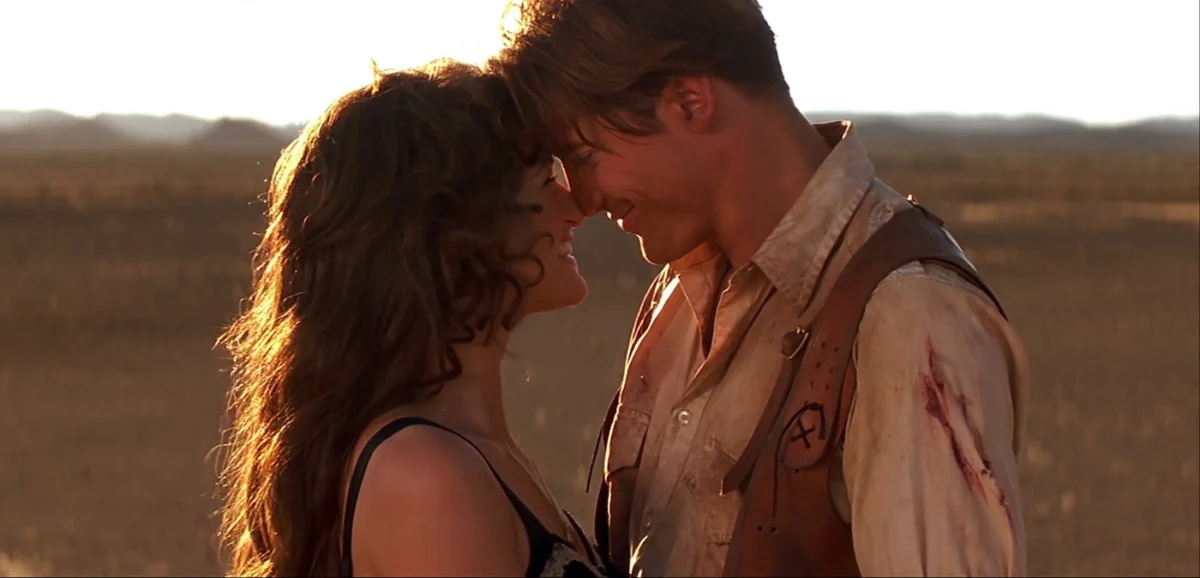
The long-dormant sarcophagus of one of cinema’s most beloved adventure franchises has finally been pried open. Universal Pictures has officially confirmed that the highly anticipated fourth installment in the modern Mummy series, long referred to by fans and industry insiders simply as The Mummy 4, has been christened with its official The Mummy: The Book of the Dead.
With this announcement, the studio has set a definitive stake in the ground, scheduling a theatrical release for October 15, 2027—exactly three years from the date of the announcement. This reveal marks a significant turning point for a franchise that has spent nearly two decades in creative limbo, struggling to find its footing after the lukewarm reception of its third entry.
Main Facts: A New Chapter in Egyptian Mythology
The announcement, delivered via a concise statement from Universal Pictures, confirms that the project is not a reboot, but a continuation. The choice of the subtitle, The Book of the Dead, strongly suggests a pivot back to the core elements that defined the 1999 Stephen Sommers original and its 2001 sequel, The Mummy Returns.
While the studio has remained tight-lipped regarding the specifics of the narrative, the title itself carries heavy weight in the lore of the franchise. In Egyptian mythology and the internal logic of the films, the Book of the Dead (the Book of Amun-Ra) is the source of the series’ central conflict—the resurrection of ancient, malevolent forces. By returning to this iconography, the production signals a conscious effort to distance itself from the historical and supernatural departure seen in 2008’s The Mummy: Tomb of the Dragon Emperor, which traded the sands of Egypt for the terracotta armies of China.
The primary draw of this production, however, remains the anticipated reunion of Brendan Fraser and Rachel Weisz. Their chemistry as Rick O’Connell and Evelyn Carnahan provided the bedrock of the original films, blending sharp wit with swashbuckling charisma. The promise of their return, alongside the directorial vision of Matt Bettinelli-Olpin and Tyler Gillett, has generated a level of fan excitement rarely seen for legacy sequels.
Chronology: A Franchise in Flux
To understand the significance of The Mummy: The Book of the Dead, one must look at the turbulent history of the franchise.
- 1999: The Mummy premieres, directed by Stephen Sommers. It becomes a global phenomenon, grossing over $416 million and establishing Brendan Fraser as a premier action star.
- 2001: The Mummy Returns hits theaters, expanding the mythology and introducing Dwayne "The Rock" Johnson as the Scorpion King. It maintains the critical and commercial momentum of its predecessor.
- 2008: The Mummy: Tomb of the Dragon Emperor is released. Despite a strong box office performance, it faces harsh critical reception, largely due to the absence of Rachel Weisz and a departure from the established tone. The franchise enters an indefinite hiatus.
- 2017: Universal attempts a shared "Dark Universe" reboot starring Tom Cruise. The film performs poorly, effectively halting plans for a larger interconnected monster-movie universe.
- 2024: Universal confirms the development of a fourth film, officially titled The Mummy: The Book of the Dead, with a release date set for October 2027.
The journey to this point has been defined by a cycle of experimentation and retreat. The failure of the 2017 reboot taught the studio a vital lesson: fans were not looking for a gritty, modernized reimagining of the concept. They were looking for the specific tone of the late-90s adventure-horror hybrid—a genre that arguably died with the decline of the original trilogy.
Supporting Data: Why the Timing is Right
Industry analysts have pointed to a "legacy sequel" trend as the primary driver for this project. With the massive success of films like Top Gun: Maverick and Ghostbusters: Afterlife, studios have realized that nostalgia, when paired with high-quality production values and original cast members, is a potent box office currency.
Brendan Fraser, currently enjoying a career renaissance following his Academy Award-winning performance in The Whale, carries a level of goodwill with audiences that is nearly unmatched in Hollywood today. When coupled with the enduring popularity of Rachel Weisz, the film is positioned to capitalize on a multi-generational fanbase: those who grew up with the original VHS/DVD releases and a younger demographic that has discovered the films through social media and streaming platforms.
Furthermore, the choice of directors—Matt Bettinelli-Olpin and Tyler Gillett—is telling. Having revitalized the Scream franchise with a blend of reverence for the source material and modern, punchy pacing, they are uniquely equipped to handle the "adventure-horror" requirement of The Mummy. Their work on Ready or Not demonstrated a mastery of the "fun-horror" aesthetic that is essential for a Mummy film to succeed.
Official Responses and Behind-the-Scenes Insights
While official plot summaries are currently unavailable, behind-the-scenes leaks have provided a tantalizing glimpse into the production’s direction. Images circulating online—purportedly showing Fraser and Weisz on set—have fueled speculation about the tone of the film. These photos feature the duo in costumes that feel like an evolution of their original archetypes, suggesting a story that takes place years after the events of the first two films.
Studio insiders have hinted that the production is prioritizing "practical, visceral action." This is a direct response to the heavy reliance on CGI that plagued the 2017 reboot. By returning to the aesthetic of the 1999 original, the directors aim to recapture the tactile nature of the desert sets, the physical comedy of the action sequences, and the genuine sense of dread that the original film’s horror elements provided.
"We aren’t trying to change what The Mummy is," one source close to the production stated on condition of anonymity. "We are trying to remember what made it a classic in the first place."
Implications: A New Standard for Adventure
The release of The Mummy: The Book of the Dead in 2027 will serve as a bellwether for the future of action-adventure cinema. If the film succeeds, it will likely trigger a rush of similar legacy sequels, as studios look to mine their libraries for titles that can be similarly "reclaimed" by their original stars.
However, the implications go deeper than box office receipts. This project represents a shift in how Hollywood interacts with its own history. Instead of the "erasure" strategy—where past films are ignored to make way for new, darker iterations—Universal is choosing to embrace the continuity of the original O’Connell saga.
For the audience, the implications are even more personal. The 1999 Mummy was a rare bird: a film that was simultaneously a horror movie, a historical epic, a romantic comedy, and a high-stakes adventure. In an era of increasingly homogenized superhero films, the return of a property that values practical stunts, character-driven humor, and a sense of wonder is a welcome prospect.
As the October 2027 release date approaches, the industry will be watching closely. Whether The Book of the Dead can truly capture the lightning in a bottle that defined the original films remains to be seen. But for now, the message from Universal is clear: Rick and Evelyn are coming back, and the sands of Egypt are ready to shift once more.
We will continue to monitor the production, keeping a close watch for casting updates, trailer drops, and any further confirmation regarding the return of other familiar faces from the franchise’s storied past. For the fans who have kept the flame alive for twenty-five years, the wait is finally, officially, coming to an end.
