
Remembering Walter Koenig: The Enduring Legacy of Star Trek’s Pavel Chekov and Sci-Fi Icon
By Global Entertainment Desk
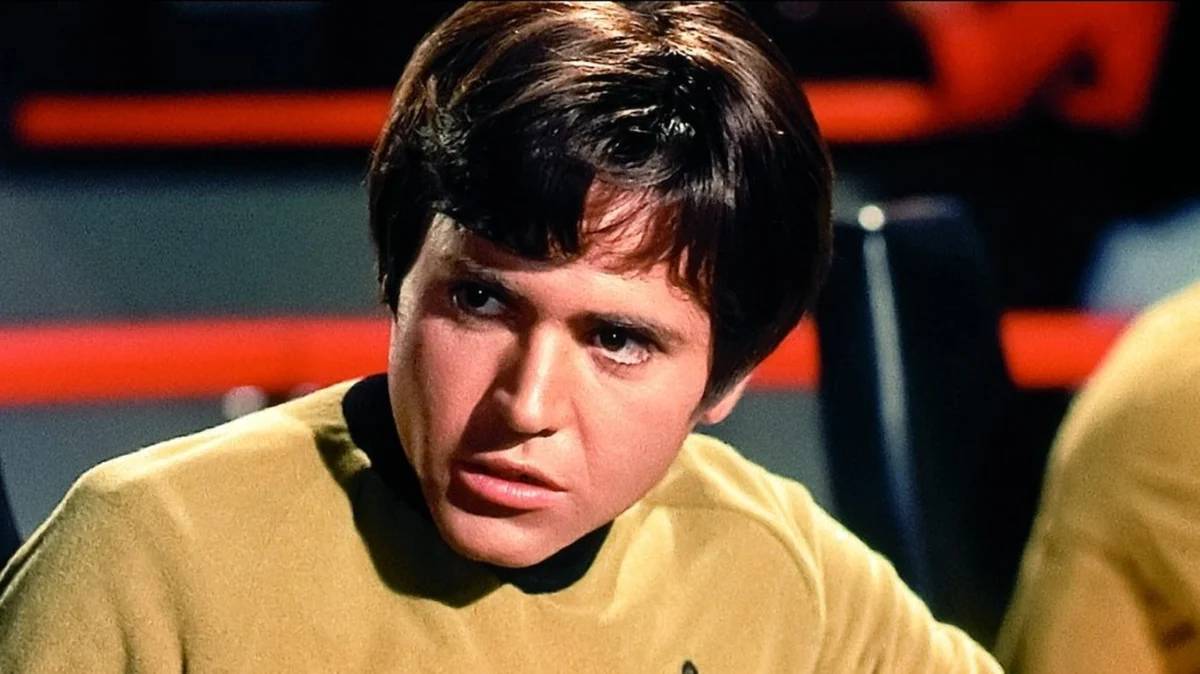
The starship USS Enterprise has lost another member of its iconic bridge crew. Walter Koenig, the beloved actor who originated the role of the plucky, accent-heavy Russian navigator Pavel Chekov in Gene Roddenberry’s seminal science fiction franchise Star Trek, has passed away at the age of 90.
Koenig’s death was first brought to public attention by NPR podcast host Jesse Thorn, who shared the news via social media, and was subsequently confirmed by TMZ. According to representatives for the actor, Koenig passed away peacefully of old age.
With a career spanning over half a century, Koenig carved out a unique space in television history. He was not merely a television actor, but a writer, a pioneer of progressive representation during the height of the Cold War, and a fan-favorite villain in one of the defining space operas of the 1990s. As fans and former colleagues mourn his passing, Koenig leaves behind a rich legacy that extends far beyond the confines of the Enterprise.
Main Facts: A Life Defined by Sci-Fi Royalty
Walter Koenig’s passing marks the quiet fading of an era for classic science fiction television. Best known for his tenure as Ensign Pavel Chekov—a role he originated in the second season of Star Trek: The Original Series in 1967 and reprised across seven feature films—Koenig became an indelible part of pop culture history.
Beyond Star Trek, Koenig achieved rare genre-crossing fame by portraying the chilling, charismatic psychic Alfred Bester in the acclaimed 1990s series Babylon 5. His career, however, was defined by much more than his screen credits. Koenig was an accomplished writer, author, and teacher who remained a staple of the science fiction convention circuit well into his later years.
He is survived by his daughter, Danielle Koenig. His passing closes a deeply tragic chapter for his immediate family; his wife of over 50 years, Judy Levitt, passed away in 2022, and their son, actor Andrew Koenig, tragically died in 2010.
Chronology: From the Streets of Chicago to the Final Frontier
Early Life and the Accidental Actor
Walter Koenig was born in Chicago, Illinois, on September 14, 1936, to Jewish-Lithuanian immigrant parents, Isadore and Sarah. (The family’s original surname was Koenigsberg). Growing up, acting was far from his primary focus. As Koenig detailed in his candid 2002 autobiography, Beaming Up and Getting Off: Life Before and Beyond Star Trek, he initially pursued higher education with a focus on psychology.
His entry into the performing arts happened entirely by chance. On a whim, Koenig enrolled in an Acting 101 course. It was his instructor, Professor Arthur Friedman, who recognized a raw, untapped talent in the young student. When Koenig’s passion for the social sciences began to wane, Friedman encouraged him to abandon psychology and give professional acting a serious shot. Koenig followed the advice, studying at the prestigious Neighborhood Playhouse School of the Theatre in New York alongside fellow future legends like Dustin Hoffman and Gene Hackman.
Breaking into Television and the Roddenberry Connection
Koenig’s early television career consisted of standard guest-starring roles on popular 1960s procedural and dramatic programs. However, his life changed when he crossed paths with producer Gene Roddenberry. Koenig guest-starred in an episode of Roddenberry’s short-lived military drama series The Lieutenant, playing a police officer whose mother was a member of the Communist Party.
The storyline held deep personal resonance for Koenig. His own father, an immigrant from the Soviet Union, had maintained steadfast Communist sympathies even after successfully establishing a life in capitalist America. This early collaboration laid the groundwork for Koenig’s eventual recruitment into the rapidly expanding universe of Star Trek.
Stepping Aboard the Enterprise (1967)
Koenig joined the cast of Star Trek at the start of its second season, making his debut in the iconic 1967 premiere episode, "Amok Time."
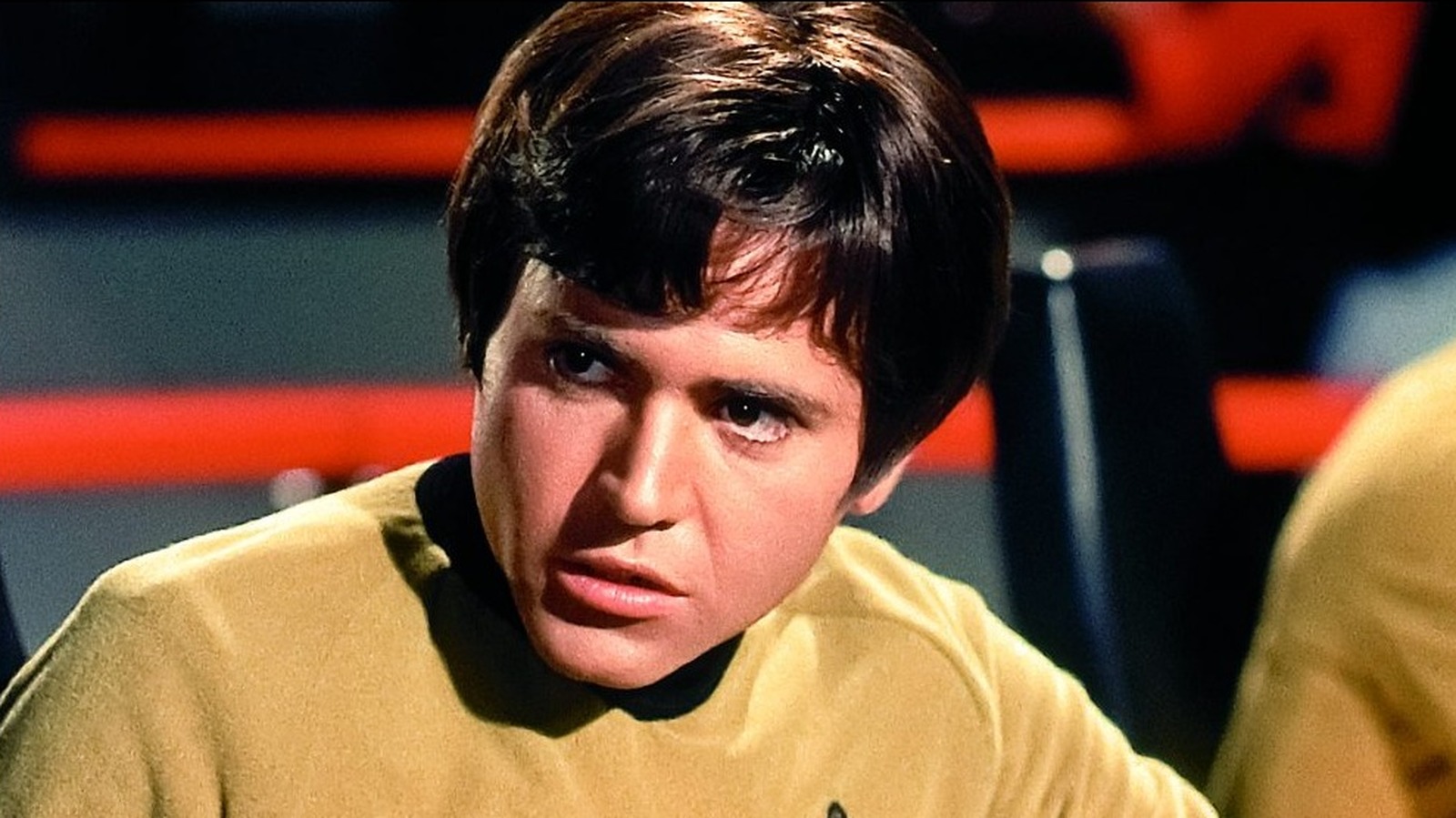
As Koenig later revealed in a 2012 interview with The Hollywood Reporter, the studio brought him aboard with a specific demographic in mind: younger television viewers. At 22 years old, Pavel Chekov was written as a fresh-faced academy graduate meant to appeal to the burgeoning youth culture of the late 1960s.
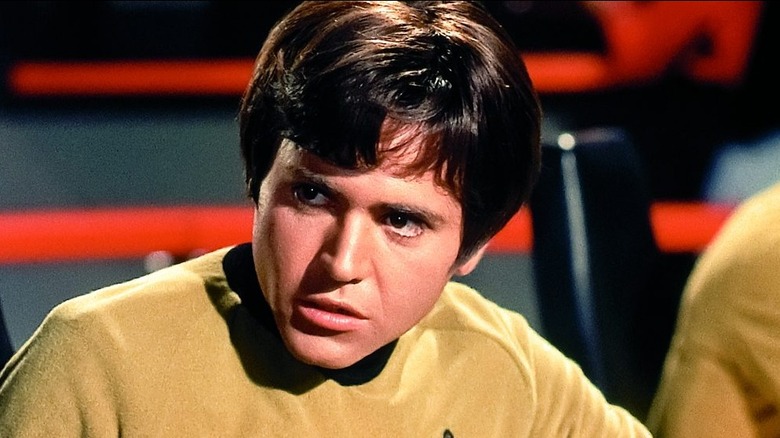
Though Koenig was actually 31 years old when he landed the role—making him nearly a year older than co-star George Takei (Mr. Sulu)—his youthful appearance, combined with a hairstyle explicitly modeled after Davy Jones of the pop sensation The Monkees, instantly resonated with younger audiences.
Venturing Beyond Chekov: Writing and Babylon 5
When Star Trek transitioned into animation with Star Trek: The Animated Series in the 1970s, Koenig was notably absent from the voice cast. However, he contributed to the franchise from behind the scenes, penning the script for the Season 1 episode "The Infinite Vulcan." This sparked a successful secondary career as a television writer throughout the 1970s and 1980s, with credits on shows like Land of the Lost and Whatever Happened to the Class of ’65?.
In 1993, Koenig landed his second career-defining role. Series creator J. Michael Straczynski cast him as Alfred Bester, the menacing and deeply ambitious Psi Corps official on the groundbreaking sci-fi series Babylon 5. Bester served as a thorn in the side of the show’s heroes, yet Koenig infused the character with a complex, dark wit that captivated viewers.
Ironically, Koenig almost missed out on the role. Straczynski initially envisioned him as a one-off "villain of the week" in the first season. However, Koenig suffered a heart attack shortly after receiving the script, preventing him from appearing in that specific episode. The delay worked in his favor: instead of a single guest spot, Koenig went on to star in 12 episodes of Babylon 5, transforming Bester into a recurring, multi-layered antagonist. Koenig frequently cited the role as one of the most creatively fulfilling experiences of his professional life.
Supporting Data: The Cultural Impact of Pavel Chekov
To understand Walter Koenig’s cultural footprint, one must understand the socio-political landscape of the United States in the late 1960s. The Cold War was at its freezing point, and anti-Soviet sentiment dominated American media.
Star Trek was famously progressive, utilizing a cosmopolitan, multi-ethnic bridge crew to broadcast a message of planetary unity and human cooperation. However, introducing a Russian character as an unambiguously heroic, patriotic, and lovable member of the Starfleet command team was nothing short of revolutionary for American network television.
- Demographics and Representation: Chekov’s inclusion was partly a response to a Soviet newspaper article criticizing Star Trek for lacking a Russian crew member on a vessel purportedly representing all of humanity.
- The Accent: While Koenig was born and raised in Chicago, his portrayal of Chekov required an exaggerated, phonetic Russian accent—famously substituting "W" sounds with "V"s (e.g., "vessel" instead of "wessel") and famously misattributing various modern inventions to Russia ("In Vostok, they invented the [insert object here]"). Despite gentle teasing from fans over decades, the accent became a hallmark of the character’s endearing charm.
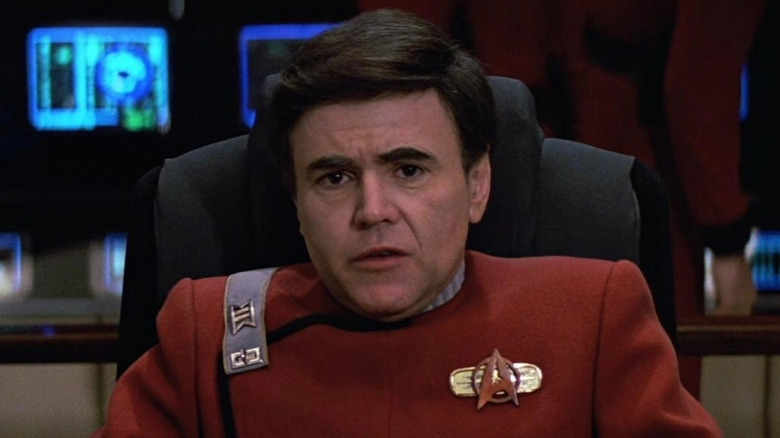
- Prolific Film Career: Koenig brought Chekov to the big screen across seven feature films, starting with Star Trek: The Motion Picture (1979) and concluding his main-film run with Star Trek VI: The Undiscovered Country (1991), alongside a later appearance in the fan-funded feature Star Trek: Renegades.
In a 2021 interview reflecting on his time in the franchise, Koenig summarized the overarching philosophy that made the show timeless:
"One of the great pluses about my association with ‘Star Trek,’ that I got to be part of something that, in a way, is trying to encourage that we look at mankind as one great big soul and that we all have something to contribute."
Official Responses and Tributes
Following the announcement of his passing, tributes poured in from across the entertainment industry, science fiction fandom, and his former Star Trek family.
- The Star Trek Family: While official statements from surviving Star Trek luminaries continue to roll in, digital spaces have been flooded with tributes from fan communities, conventions, and fellow actors. George Takei, Koenig’s longtime co-star and peer on the Enterprise, frequently spoke of their shared bond as trailblazers of minority and diverse representation on 1960s television.
- J. Michael Straczynski (Babylon 5 Creator): Straczynski took to social media to mourn the loss of his friend, praising Koenig’s formidable intellect, professional dedication, and the brilliant malice he brought to the character of Alfred Bester. Straczynski noted that Koenig brought a theatrical gravity to Babylon 5 that elevated the entire production.
- Fandom and Conventions: Across Reddit, Bluesky, and X (formerly Twitter, where Koenig’s son’s memory and family legacy were often discussed), fans posted video clips of Chekov’s most memorable moments, remembering Koenig’s warmth, accessibility, and humor at decades of science fiction conventions.
Implications: The Shrinking Orbit of the Enterprise
The death of Walter Koenig carries profound emotional weight for the global fandom of Star Trek. With his passing, the pool of surviving original cast members from Star Trek: The Original Series grows perilously small, serving as a stark reminder of the passage of time for a franchise that first aired nearly 60 years ago.
Yet, Koenig’s legacy extends far beyond nostalgia. By bridging the gap between two rival sci-fi universes—Star Trek and Babylon 5—he proved that an actor could transcend typecasting through sheer versatility and reinvention. He transitioned from playing the wide-eyed, innocent navigator of the space age to the calculating, menacing psychic of a darker, more cynical television era.
As generations of fans continue to discover the utopian visions of Gene Roddenberry and the complex space-politics of J. Michael Straczynski, Walter Koenig’s distinct voice, sharp wit, and undeniable warmth will continue to echo across the galaxy.
The Enterprise crew may have lost a navigator, but his coordinates are permanently etched into the history of television.
