
Apple’s Creative Revolution: Integrating MotionVFX and M6 Power into the Creator Studio Ecosystem
In a landscape where content creation tools are rapidly converging, Apple has finally unveiled a major strategic shift that has been anticipated by the professional video community since the company’s quiet acquisition of MotionVFX last March. By folding the industry-leading assets of the largest Final Cut Pro (FCP) plug-in manufacturer directly into the Apple Creator Studio, Apple is effectively transforming its software suite from a modular ecosystem into an all-in-one powerhouse.
This move, announced via an extensive October 2026 press release, marks a pivot toward high-value subscription services, positioning the $12.99/month Creator Studio as a formidable competitor to industry giants like Adobe.
The Main Facts: A Consolidation of Power
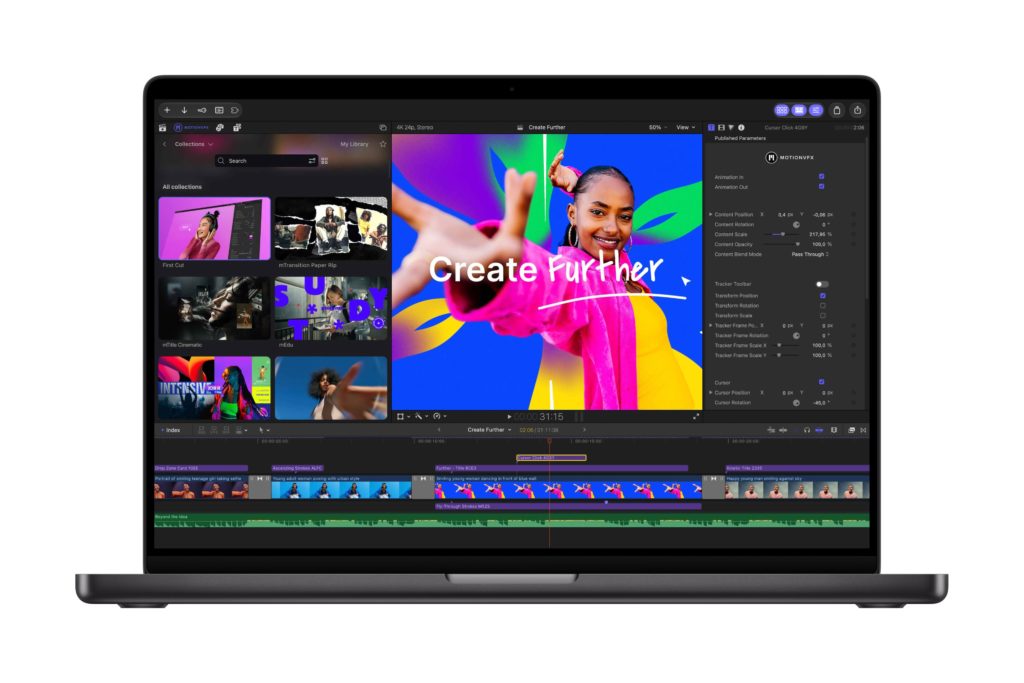
The headline news is the direct integration of MotionVFX’s extensive library of visual effects, high-end transitions, professional templates, and motion graphics into Final Cut Pro and Motion. Previously, users had to source these tools independently—often paying a premium for individual subscriptions or perpetual licenses.
For the end user, this is a massive win. The transition from a fragmented marketplace of third-party plug-ins to a native, curated experience within the Apple interface promises to reduce project crashes and improve workflow efficiency. Furthermore, the inclusion of these tools in a subscription that also covers Logic Pro and a suite of productivity apps underscores Apple’s intent to dominate the "creator economy" price point.
Chronology: From Acquisition to Integration
The journey to this integration began in March 2026, when Apple finalized its purchase of MotionVFX. For seven months, the industry speculated on whether the acquisition was a talent hire or an intellectual property play. During this period, the ecosystem remained stagnant, with many professionals hesitant to invest further in plug-ins that might soon become obsolete.
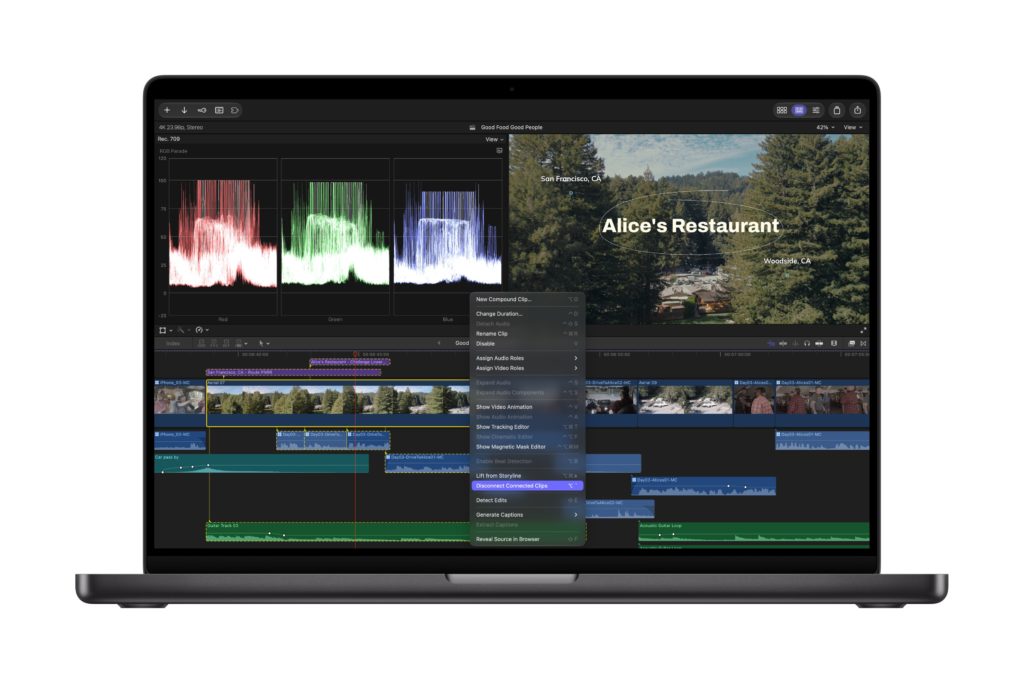
The silence was broken in late October 2026, when Apple confirmed that the November software update would roll out the first wave of this integration. The rollout will see a dedicated tab interface within the FCP inspector, allowing users to browse and drag-and-drop complex effects—including rotoscoping, advanced tracking, and professional-grade color grading tools—without leaving the primary application window.
Supporting Data: Why This Changes the Economic Landscape
To understand the gravity of this shift, one must look at the cost-benefit analysis of the modern creative workspace.
- The Old Model: A dedicated editor might spend $29/month on MotionVFX tools alone, plus the overhead of maintaining individual plug-in versions and compatibility patches.
- The New Apple Model: At $12.99/month, the Apple Creator Studio provides a comprehensive suite of tools. When you aggregate the cost of FCP, Motion, Logic Pro, and now the premium library of MotionVFX, the value proposition is mathematically impossible for competitors to match without significant price restructuring.
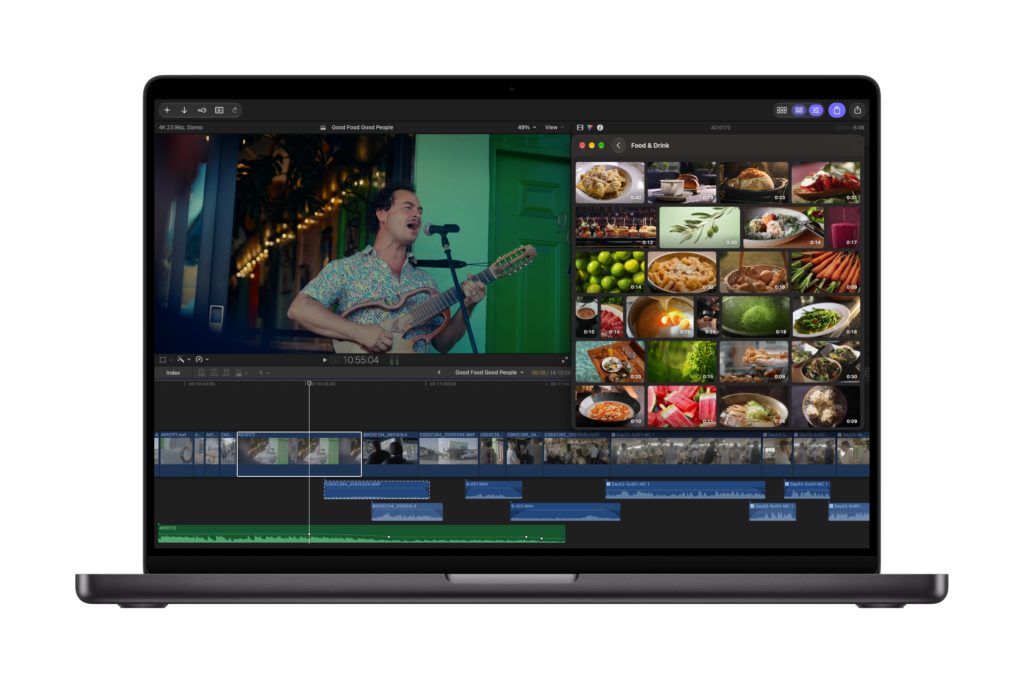
The "Content Hub" feature, which Apple is borrowing from the success of Keynote, acts as the central nervous system for this new library. By providing a curated collection of assets, Apple is removing the "blank page" syndrome that often stalls novice editors, while offering advanced users a rapid-prototyping environment.
Technical Implications: Workflow Enhancements
Beyond the MotionVFX integration, the November update brings granular refinements to Final Cut Pro that suggest Apple is listening closely to the "pro" feedback loop.
Advanced Keyframing and Easing
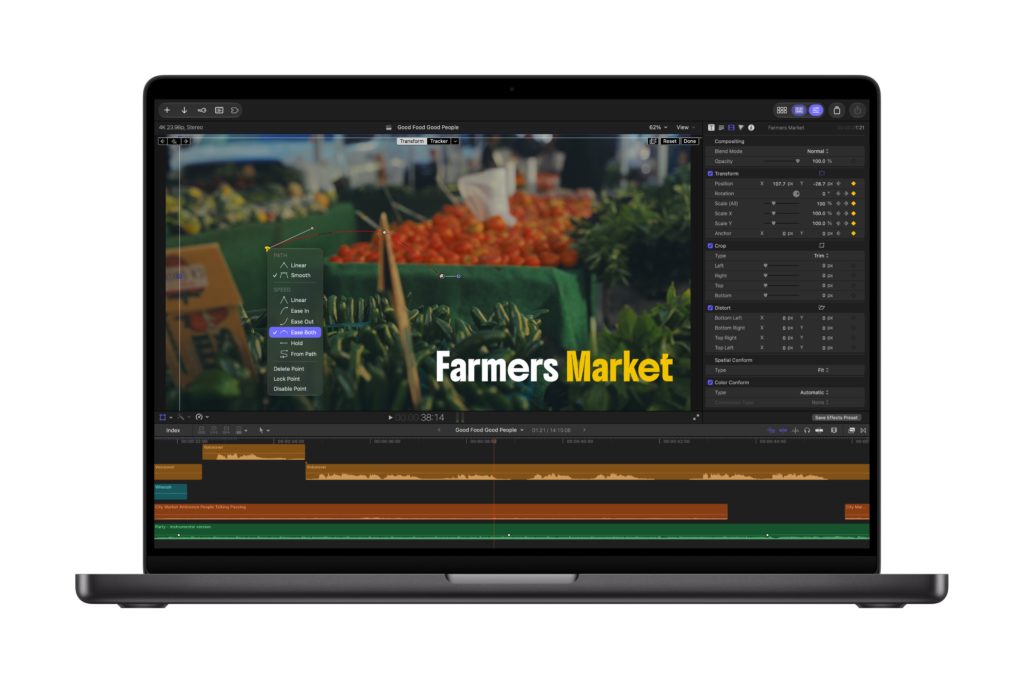
A standout feature in the upcoming update is the implementation of keyframe easing directly within the Viewer. Historically, FCP users have relied on third-party tools like the Keyframe Toolbox to achieve professional-grade motion curves. By surfacing these options natively, Apple is narrowing the gap between FCP and more animation-centric software like After Effects, allowing for smoother, more organic movement directly in the timeline.
The "Disconnected Clip" Paradigm
Perhaps the most controversial and exciting update is the ability to disconnect connected clips more fluidly. The magnetic timeline has long been the hallmark of FCP—and its most polarizing feature. By introducing a new dashed-outline visual language for connected clips, Apple is providing users with more visual clarity when managing complex, multi-layered timelines, effectively offering a "best of both worlds" approach to those who prefer a more manual, traditional editing style.
AI Integration: The Logic Pro Assistant
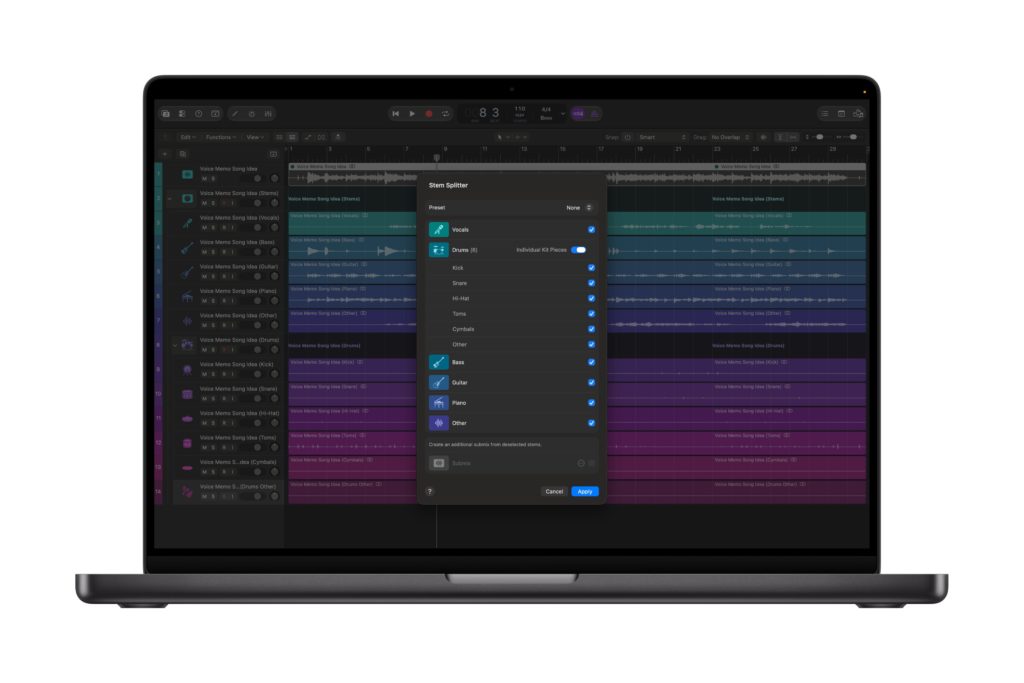
While video editing is still undergoing its AI transition, Apple has prioritized the integration of an AI Assistant into Logic Pro. This assistant is designed to handle repetitive tasks—such as stem splitting, which has already proven its worth in high-pressure environments like live event production—and suggests mixing changes based on the genre and frequency of the audio. The presence of this assistant in Logic suggests that an equivalent "Video Assistant" for Final Cut Pro is likely in the late stages of development.
Pixelmator Pro and the Office Suite: A Cross-Platform Strategy
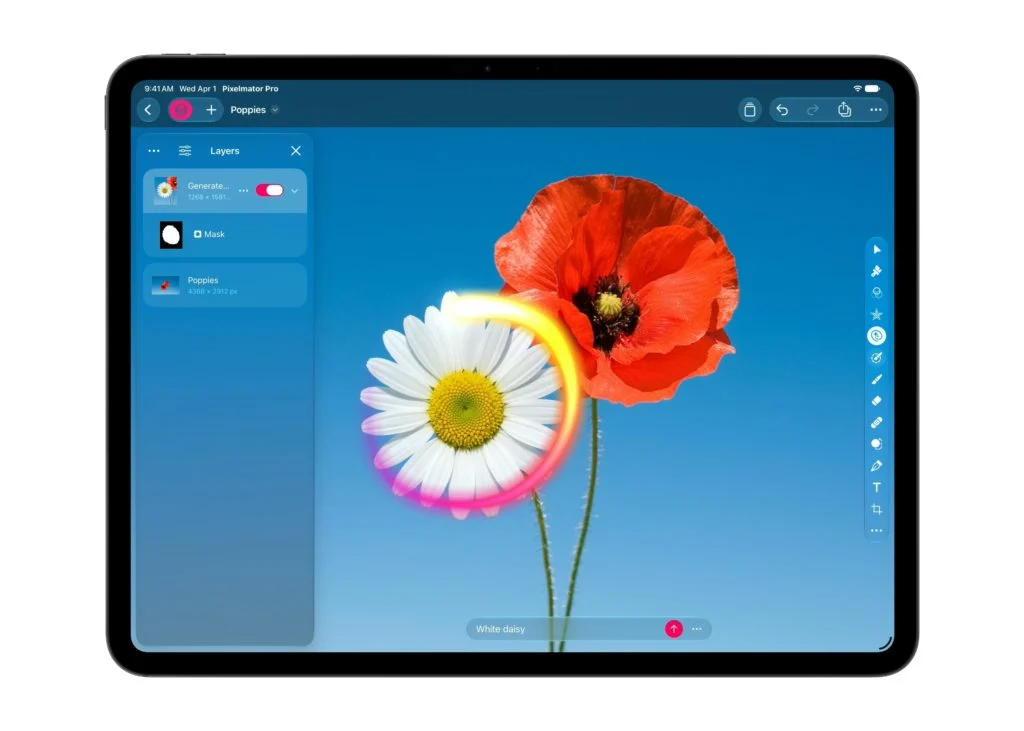
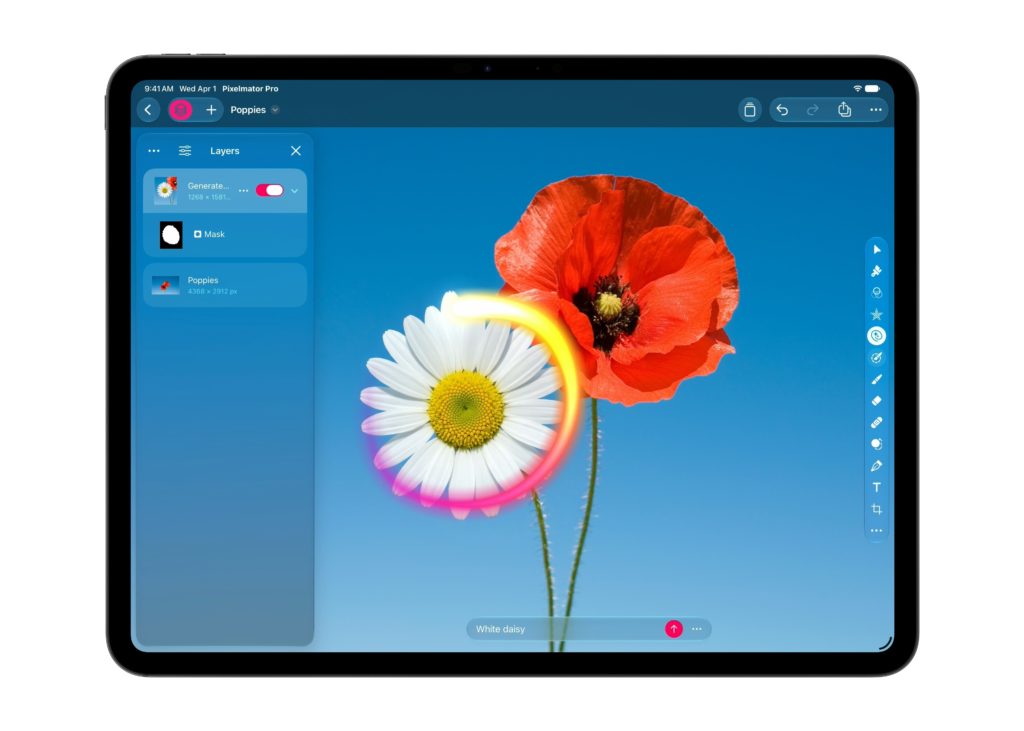
The updates are not confined to video and audio. Pixelmator Pro is receiving a massive boost with the addition of native Generative Fill capabilities. By embedding this into the Apple Creator Studio, Apple is directly challenging Adobe Photoshop’s dominance.
Furthermore, the expansion of MCP (Model Context Protocol) support for Apple’s productivity suite (Pages, Numbers, Keynote) suggests a long-term goal: enabling third-party AI agents to control the entire Apple creative stack. This implies that in the near future, an AI agent could pull data from a spreadsheet, generate a chart in Keynote, and then export it into a Final Cut Pro project—a level of interoperability that was previously locked behind proprietary walls.
Hardware Notes: The M6 Dilemma
Coinciding with this software announcement is the release of the new MacBook Pro equipped with the M6 chip. While the hardware is impressive, the roadmap for Apple Silicon has taken an interesting turn.
Industry analysts have confirmed that Apple intends to bypass the M6 Pro and M6 Max iterations, moving instead toward an accelerated release of the M7 series. This suggests that the current M6-equipped MacBook Pro is intended as a high-efficiency, entry-level professional device, while the "Pro" and "Max" power users are being encouraged to wait for the M7 architecture. For the video editor, this makes the current M5 Pro/Max machines a "sweet spot" for longevity, while the M6 serves as an excellent mobile companion.
Conclusion: The Path Ahead
The integration of MotionVFX and the expansion of the Apple Creator Studio represent the most significant consolidation of power in the creative software market since the release of the original Final Cut Pro X. By lowering the barrier to entry while simultaneously increasing the depth of professional tools, Apple is betting that it can secure a generation of creators who value efficiency and integration over legacy workflows.
As we look toward the November update, the focus for professionals will shift from "how to get the right plug-ins" to "how to best utilize the tools now natively available." With Logic Pro gaining AI-assisted workflows and the office suite becoming more AI-compatible, it is clear that Apple is building an ecosystem where the software doesn’t just assist the creator—it anticipates the next step in the creative process.
The era of the "all-in-one" creator has officially arrived, and for the competition, the pressure has never been higher.
