
Beyond the X-Files: How J.J. Abrams’ Underrated Sci-Fi Masterpiece Fringe Quietly Shaped Modern Television
It is a well-documented paradox of television history that the cultural impact of a series is rarely recognized while it is actively broadcasting. When Twin Peaks suffered a dramatic sophomore slump during its second season in 1990, contemporary television critics and network executives treated the misstep as an unmitigated failure, leading to a swift cancellation. Decades later, however, David Lynch and Mark Frost’s small-town murder mystery is universally celebrated as one of the most foundational and influential blueprints in modern television history.
A similar retrospective realization applies to the science fiction genre. While iconic 1990s phenomena like The X-Files captured the global zeitgeist during their initial runs—subsequently laying the groundwork for cult-classic successors such as Buffy the Vampire Slayer, Supernatural, and Evil—another monumental television series that followed in its footsteps has spent years languishing in relative obscurity.
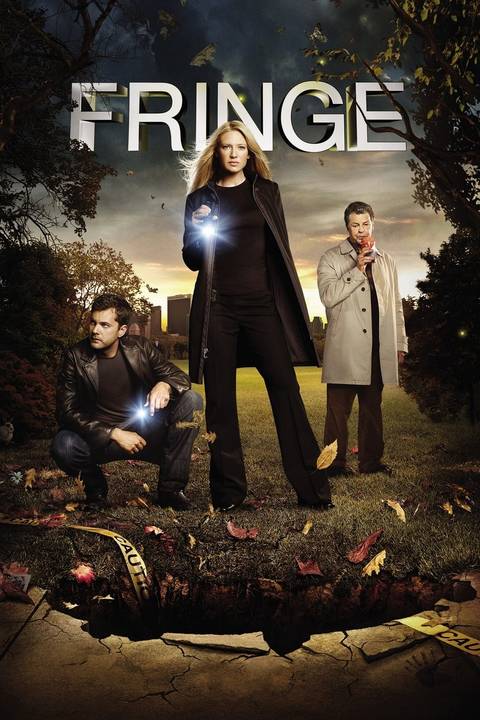
Airing on Fox for five seasons and exactly 100 episodes from 2008 to 2013, Fringe—created by J.J. Abrams, Alex Kurtzman, and Roberto Orci—blended police procedural conventions with high-concept science fiction and dark fantasy. Though it wore its creative debt to The X-Files proudly (even canonically establishing in later crossover material that it shared a universe with Twin Peaks), Fringe ultimately evolved into something far more ambitious. It became a stealth training ground for speculative concepts, single-handedly paving the way for the complex, lore-heavy science fiction dominating prestige television today.
Main Facts: The Blueprint of Fringe
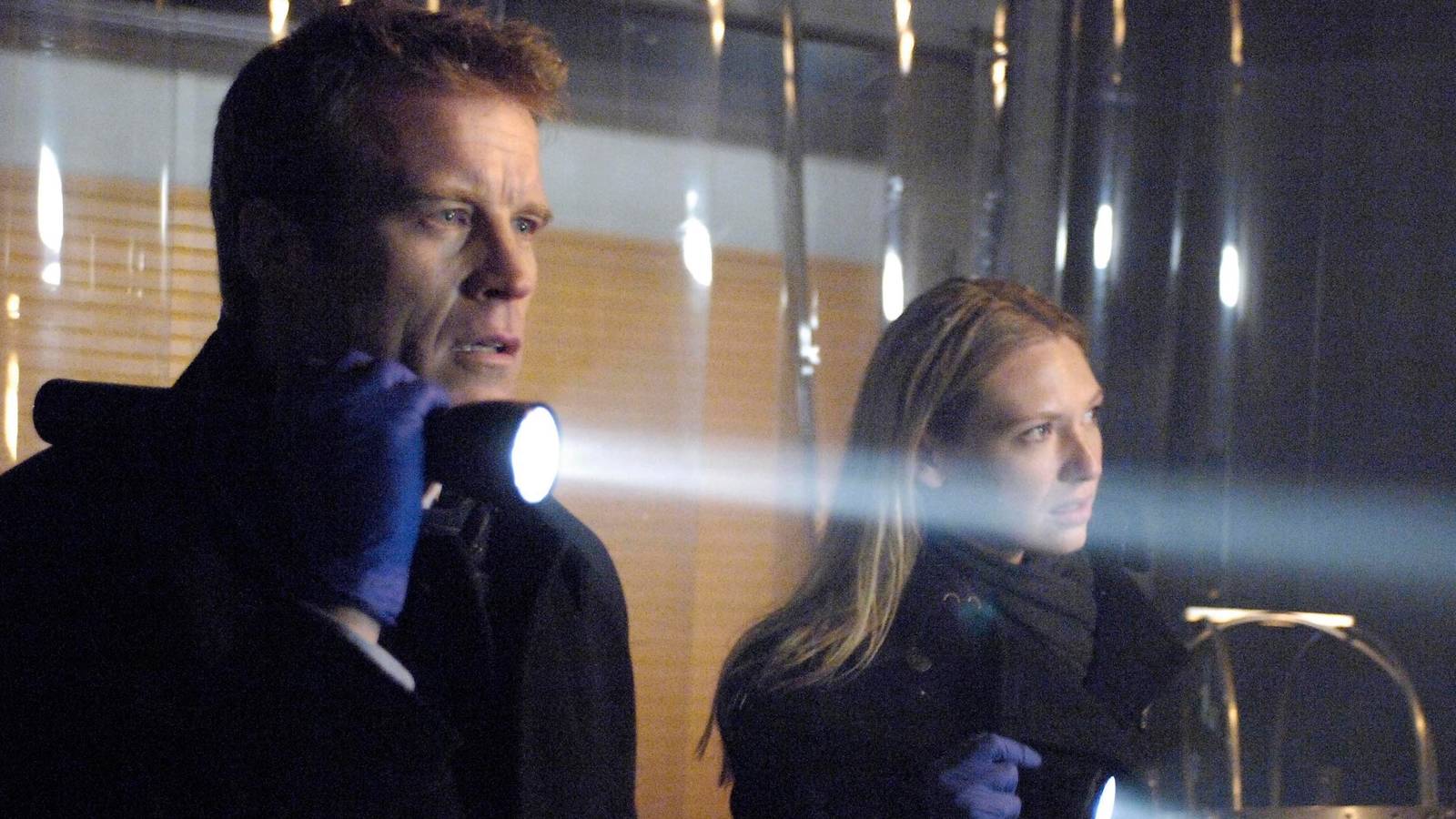
At its core, Fringe followed a specialized multi-agency unit known as the Fringe Division, operating out of the Federal Bureau of Investigation. Tasked with investigating bizarre, unexplained occurrences collectively referred to as "the pattern," the unit dealt with everything from grotesque genetic mutations to apocalyptic dimensional anomalies.
The series relied on a brilliantly engineered dynamic among its central trio:
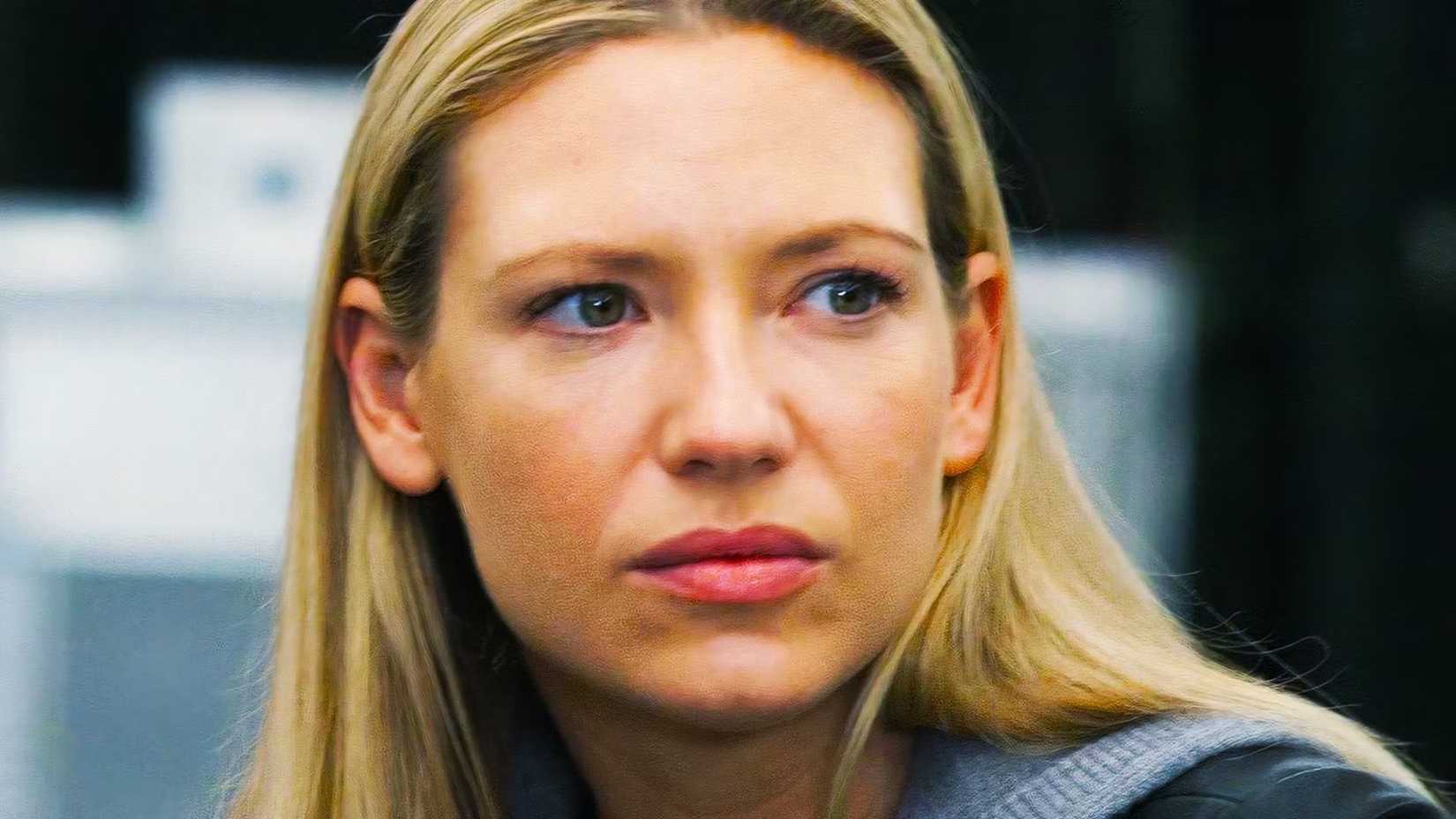
- Olivia Dunham (Anna Torv): The primary protagonist and the ideological equivalent to The X-Files’ Dana Scully. As an FBI special agent who approaches the supernatural and anomalous with disciplined skepticism, Dunham serves as the audience surrogate, slowly opening her eyes to a staggering cosmic reality.
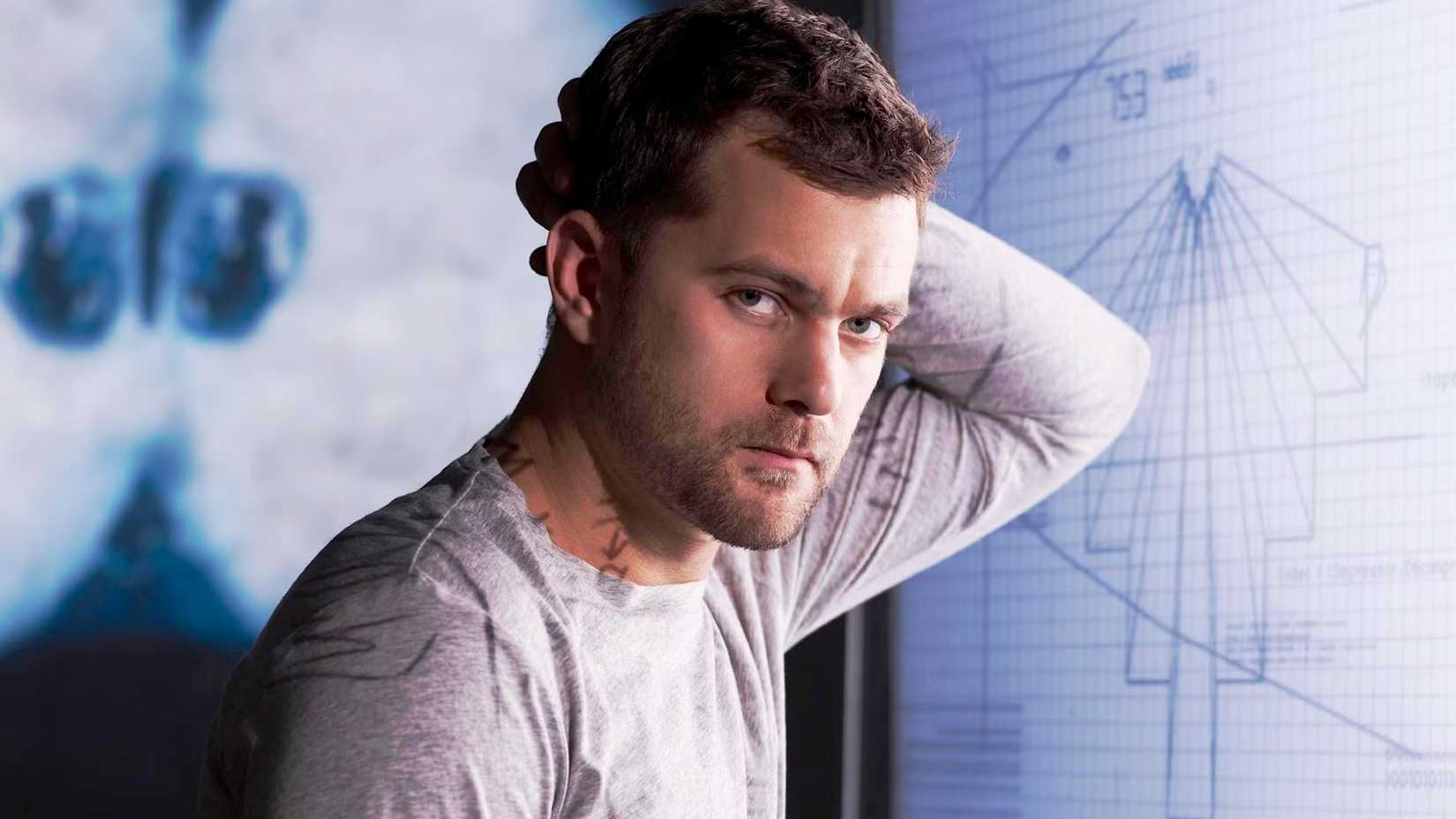
- Peter Bishop (Joshua Jackson): A brilliant, cynical jack-of-all-trades with an IQ of 190 and a troubled past, Peter acts as Dunham’s immediate bridge into the underworld of fringe science.
- Dr. Walter Bishop (John Noble): Peter’s estranged father, an institutionalized, eccentric, and morally complex genius whose groundbreaking, mad-science experiments decades prior formed the literal bedrock of the show’s overarching conflicts.
This tight character configuration was more than just good drama; it was a clever structural contrivance. By filtering impossibly dense theoretical concepts through the lens of a monster-of-the-week police procedural, the showrunners created a safe space to introduce mainstream audiences to abstract scientific constructs. Walter provided the wild theoretical leaps, Peter grounded those theories with practical cynicism, and Olivia reacted with standard skepticism, allowing the viewer to absorb the information naturally.

Chronology: From Procedural Genesis to Multiversal Epic
Phase 1: The Monster-of-the-Week Era (2008–2009)
When Fringe premiered in the fall of 2008, network television was still heavily tethered to episodic formulas. The early episodes of Season 1 leaned heavily into a familiar procedural format. Each week, the team investigated a standalone horrific event—such as a flesh-eating parasite or rapid cellular decomposition—while slowly dropping breadcrumbs regarding a shadowy corporate conglomerate known as Massive Dynamic, led by Dr. Walter Bishop’s former partner, William Bell (played by Leonard Nimoy).
Phase 2: Unlocking the Multiverse (2009–2011)
As the series found its footing, it boldly shed the purely episodic constraints that crippled many of its contemporaries. Seasons 2 and 3 shifted the narrative tectonic plates by introducing one of television’s most fully realized alternate universes: a mirror Earth separated from our own by a thin, fragile dimensional veil. This secondary timeline featured alternate versions of beloved characters, complete with opposite political landscapes and geopolitical traumas. By elevating the conflict from localized anomalies to a literal cold war between two parallel dimensions, Fringe proved that broadcast network television could sustain serialized, high-concept narrative arcs as dense as any cable prestige drama.
Phase 3: Timelines, Erasure, and Conclusion (2011–2013)
The later seasons pushed narrative boundaries even further. Season 4 played with timeline erasure and reality resetting, while the final, fifth season executed a radical narrative jump into a dystopian future ruled by totalitarian invaders known as the Observers. By concluding its run in 2013 at exactly 100 episodes—the historic sweet spot for syndication—Fringe avoided the narrative bloat that frequently plagued other Abrams-adjacent projects like Lost.
Supporting Data: Production and Legacy Metrics
Despite facing notorious Friday-night "death slot" scheduling shifts and fluctuating live ratings during its middle years, Fringe maintained a fiercely dedicated fanbase and earned widespread critical validation:
- Broadcast Run: September 2008 – January 2013 (5 Seasons, 100 Episodes).
- Network: Fox Broadcasting Company.
- Key Creative Personnel: Created by J.J. Abrams, Alex Kurtzman, and Roberto Orci; Showrun primarily by Jeff Pinkner and J.H. Wyman.
- Accolades: The series garnered numerous Saturn Awards, including multiple wins for Best Network Television Series, Best Actor (John Noble), and Best Actress (Anna Torv).
- Critical Standing: While initially dismissed by some critics as a mere clone of The X-Files or The Twilight Zone, retrospective analysis has firmly re-evaluated Fringe as one of the smartest, most structurally ambitious sci-fi shows of the 21st century.
Official Responses and Industry Perspectives
Behind the scenes, the creators were remarkably candid about the show’s uphill battle against network television standards. In various retrospectives, J.J. Abrams and co-creators Kurtzman and Orci noted that Fringe was designed to capture the comforting procedural rhythm of classic crime dramas while secretly smuggling radical theoretical physics into American living rooms.
Cast members, particularly John Noble, whose portrayal of Walter Bishop remains a masterclass in television acting, frequently spoke on the emotional core that anchored the show’s wild scientific leaps. While Walter was responsible for inventing alternate universe-breaching machines and time-altering pharmaceuticals, his motivations were almost always rooted in the raw, aching grief of a father trying to save his son. This emotional grounding prevented Fringe from devolving into cold, sterile techno-babble.
Critics have increasingly looked back on Fringe as a vital missing link in the evolution of television storytelling. Long before modern superhero franchises popularized the "multiverse" as a standard blockbuster trope, Fringe spent years carefully exploring the philosophical, moral, and emotional ramifications of alternate realities.
Implications: How Fringe Built the 2020s Sci-Fi Landscape
The ultimate legacy of Fringe lies in how it fundamentally altered what networks and streaming platforms believed mainstream audiences could digest.
Before Fringe, major network science fiction—such as the Stargate franchise, The 4400, or early iterations of Quantum Leap—often relied on a "take our word for it" approach to exposition, trading genuine scientific grounding for hand-waving and pseudoscientific jargon. Fringe changed the rules. By leaning heavily into theoretical physics, quantum mechanics, and speculative biology, it set a new standard for narrative exposition. Much like the cinematic works of Christopher Nolan or Denis Villeneuve, the show treated its audience with respect, ensuring that its fantastical premises felt grounded in plausible-sounding mechanics.
Consider the landscape of contemporary speculative television. It is difficult to imagine current high-concept hits—such as Apple TV+’s Severance, Silo, and Foundation, or complex multi-layered puzzles like Netflix’s 3 Body Problem and HBO’s Westworld—existing without Fringe blazing the trail. Furthermore, the show’s trope of a "guy in the chair" or a remote scientific support crew guiding active field agents predated the modern superhero cinematic integration seen in films like Spider-Man: Homecoming by years.
Ultimately, while J.J. Abrams is globally recognized for launching massive cinematic universes like Star Wars and Star Trek, or defining early 2000s television with Lost, Fringe remains his most quietly influential creation. It proved that intelligent, emotionally resonant, and uncompromising science fiction could thrive within the rigid constraints of traditional broadcast television, permanently elevating the DNA of the genre for the decades to follow.
