
The Final Requiem: George A. Romero’s ‘Twilight of the Dead’ Wraps Production
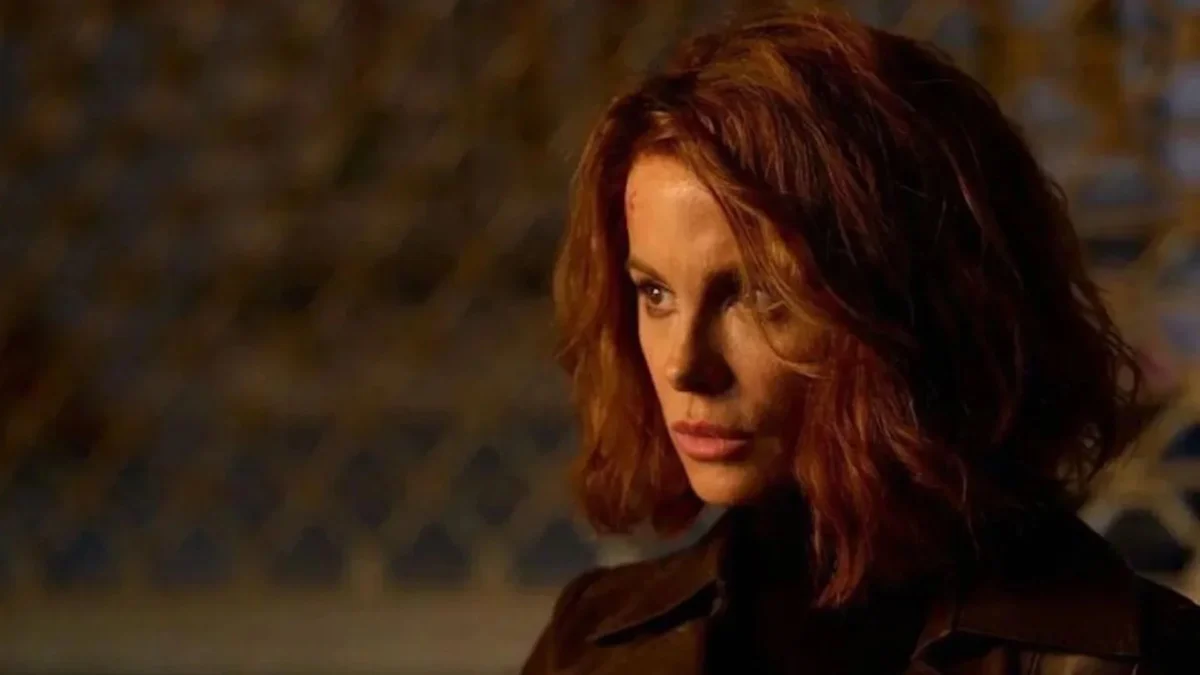
The landscape of horror cinema is defined by a handful of pillars, but none loom as large as the zombie mythos established by George A. Romero. Since the grainy, terrifying black-and-white debut of Night of the Living Dead in 1968, Romero’s undead have served as a persistent, rotting mirror held up to the face of humanity. Now, decades after he redefined the genre, that saga is reaching its final, definitive conclusion. Production has officially wrapped on Twilight of the Dead, a film based on a long-gestating treatment penned by the late master himself, marking the end of one of the most influential franchises in film history.
A Legacy Etched in Flesh: The Chronology of the Living Dead
To understand the weight of Twilight of the Dead, one must look at the half-century of storytelling that preceded it. George A. Romero did not merely create a movie monster; he created a sociological tool. From the claustrophobic farmhouses of Pennsylvania in 1968 to the consumerist critique of the Monroeville Mall in Dawn of the Dead (1978), and the military-industrial collapse depicted in Day of the Dead (1985), Romero used the zombie as a vessel to explore the fragility of human society.
Following his mid-career lull, Romero returned to his roots with Land of the Dead (2005), Diary of the Dead (2007), and Survival of the Dead (2009). These later entries expanded the scope of the infection, but they also hinted at a grander conclusion—a final act that Romero was developing in the years leading up to his death in 2017.
Twilight of the Dead is not a reboot or a re-imagining; it is the realization of the filmmaker’s final vision. By grounding the project in a treatment written by Romero, the producers have sought to preserve the specific, cynical, yet strangely hopeful voice that characterized his entire filmography. With principal photography now complete, the project moves into post-production, signaling that the "Dead" series is finally nearing its sunset.
A Convergence of Talent: The Cast and The Visionaries
The production of Twilight of the Dead has been marked by a careful selection of talent that bridges the gap between modern horror sensibilities and the classic Romero aesthetic. Leading the ensemble is Kate Beckinsale, an actress whose tenure in the Underworld franchise proves her mettle in high-stakes genre fare. She is joined by Betty Gabriel, whose breakout performance in Jordan Peele’s Get Out cemented her status as one of the most compelling actors working in suspense today. The cast is rounded out by Abigail London and John D. Hickman, both of whom bring a gritty, grounded energy to the film’s narrative.
Directing the feature are the Paz Brothers, the filmmaking duo known for their atmospheric and visceral work on Jeruzalem and The Golem. Entrusting a project of this magnitude to the brothers was a deliberate choice by the production team, as they have demonstrated an acute understanding of how to weave local, intimate stakes into larger, apocalyptic narratives.
"Stepping into Romero’s world is the ultimate privilege for any genre filmmaker," the Paz Brothers stated in a recent press release. "This is more than a continuation; it’s a responsibility. We are committed to honoring his voice while delivering a visceral, terrifying, impactful experience for today’s audience that resonates beyond the screen."
The Master’s Hand: Greg Nicotero’s Return
Perhaps the most significant creative link to the past is the involvement of legendary makeup effects artist Greg Nicotero. A disciple of the late Tom Savini—who collaborated with Romero on his earliest classics—Nicotero’s history with the director is storied. He cut his teeth working on the practical effects for Day of the Dead and later collaborated on Monkey Shines and Land of the Dead.
Nicotero’s inclusion as the lead for the film’s makeup effects is not merely a nostalgic nod; it is a necessity for the film’s authenticity. In an era increasingly dominated by digital effects, having an artist of Nicotero’s caliber ensures that the "ghouls"—as Romero famously called them—will retain the tactile, decaying horror that made the original films so disturbing. Nicotero’s recent work as a defining creative force on AMC’s The Walking Dead means he brings an unparalleled level of expertise in translating the zombie aesthetic to a modern, high-definition audience.
Global Context: The Narrative of the Apocalypse
The narrative of Twilight of the Dead promises to be a quintessential Romero story. Set on a decimated Earth, the film moves away from the localized survival stories of the past to explore a world that has been entirely reshaped by the undead. As the remaining pockets of humanity struggle to exist, they find themselves caught in a three-way crossfire: the encroaching, evolving threat of the undead, the warring factions of humanity, and the environmental decay of a planet that has long since stopped caring about human survival.
In true Romero fashion, the zombies serve as a backdrop to the true horror: the failure of human cooperation. Romero’s films were never really about the zombies; they were about how we treat each other when the structures of civilization are stripped away. Whether it was the racial tensions of the 1960s or the class warfare of the 2000s, Romero’s zombies were a catalyst for revealing the rot already present in the human soul. Twilight of the Dead looks to follow this path, examining whether humanity is even worth saving if it cannot overcome its own destructive impulses.
The Business of Fear: Magenta Light Studios
The commercial trajectory of the film has been secured by Magenta Light Studios, the boutique production house behind the acclaimed Strange Darling and Deep Water. By securing the North American rights, the studio has signaled its intent to give Twilight of the Dead a wide, theatrical release across the United States and Canada.
In an age where many mid-budget horror films are shunted directly to streaming services, the commitment to a theatrical run is a vote of confidence in the enduring power of the Romero brand. The distribution strategy reflects the belief that horror, particularly horror with a social conscience, is a communal experience that demands the shared anxiety of a darkened cinema.
The Weight of Expectation: A Franchise Finale
There is an undeniable pressure attached to a film marketed as the "final chapter" of such an iconic series. Fans of Romero are notoriously protective of his legacy, and the industry is watching closely to see if Twilight of the Dead can stand on its own while honoring the source material.
The film is not merely attempting to close a story arc; it is attempting to summarize a philosophy. If successful, it will cement the legacy of George A. Romero as a filmmaker whose observations on the human condition were as sharp as his practical effects were gruesome. If it falters, it risks diluting the final, resonant message that Romero hoped to leave for his audience.
However, the collaboration between the Paz Brothers, the pedigree of the cast, and the return of Greg Nicotero suggest a project that is being treated with the reverence of a historical artifact. We are moving toward a conclusion that is both a tribute to the man who invented the modern zombie and a final, terrifying look into the future of humanity.
As the cameras stop rolling and the edit begins, the anticipation grows. Whether Twilight of the Dead becomes a masterpiece of the genre or simply a coda to a legendary career, one thing is certain: it is the last time we will see the world through the specific, apocalyptic lens of George A. Romero. For a generation raised on the shuffling, hungry ghosts of the Living Dead series, that realization is as haunting as the films themselves. The curtain is falling, and in the quiet of the coming twilight, we are forced to wonder what, exactly, will be left of us when the end finally comes.
