Gravity, Loss, and Hand-Drawn Mastery: Inside Liron Topaz’s Oscar-Contending Short Saba
As the race for the 99th Academy Awards heats up, the annual spotlight on qualifying animated shorts reveals a breathtaking array of technical achievements and deeply personal narratives. Among the standout contenders for the 2027 Oscars is Saba, a poetic, hand-drawn tour de force directed by DreamWorks animation veteran LironTopaz. Produced by Lirit Rosenzweig Topaz, the film has already turned heads on the festival circuit, most recently picking up the Best Animated Short award at the Woodstock Film Festival following a successful theatrical qualification run.
Featuring an elite international animation crew that includes legendary names like James Baxter, Tim Watts, Matt Williames, Maël Gourmelen, and Sandro Cleuzo, Saba uses a surreal, gravity-defying premise to explore the universal contours of grief and memory.
Main Facts: The Anatomy of a Masterpiece
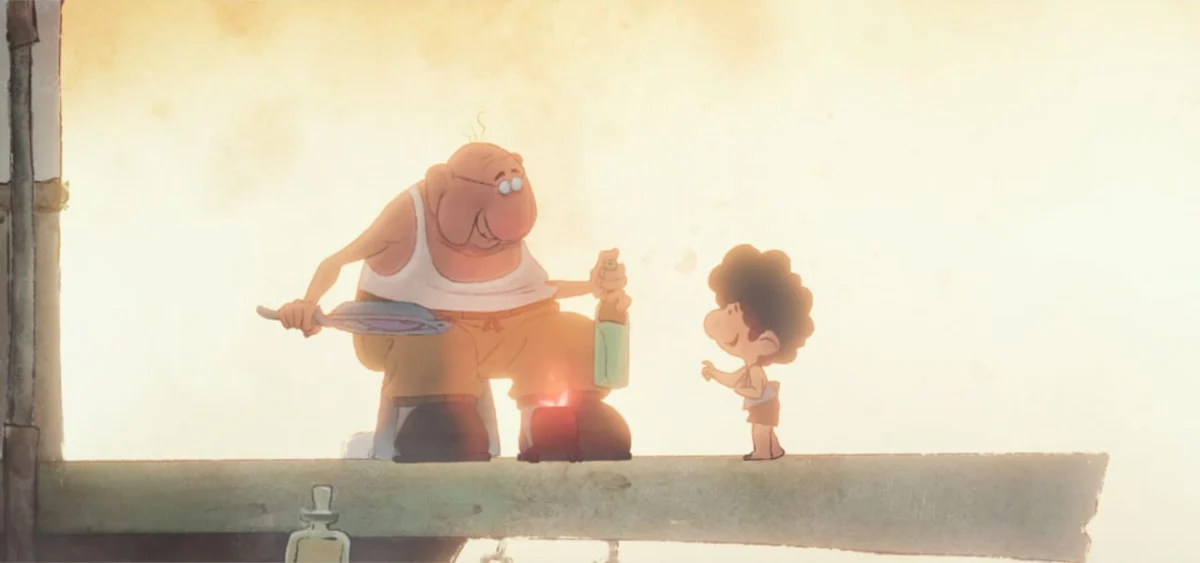
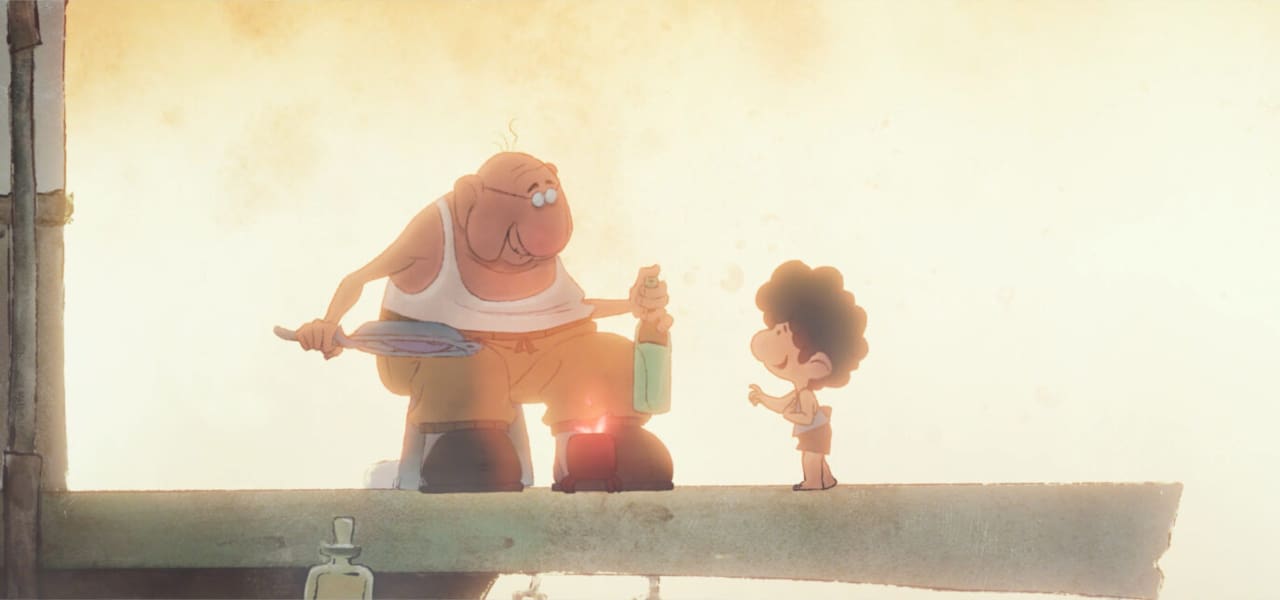
At its core, Saba is a film about the physical weight of emotional attachment. Set in a fragile, surreal world where living things stubbornly remain grounded while inanimate objects and past elements float upward toward the sky, the story follows a young boy and his grandfather. Their home is tethered to the earth by thick, heavy ropes, symbolizing their precarious hold on normalcy. When a violent, disruptive storm strikes their secluded life, the boy is thrust onto an emotional and physical journey toward accepting loss.
The production hallmarks of Saba are staggering:
The Continuous Shot: The entire narrative unfolds in one unbroken, continuous camera take spanning approximately 14,000 meticulously crafted frames.
The Global Pipeline: A top-tier, international team of traditional animators collaborated across multiple continents and time zones to maintain a seamless visual style.
Award Qualification: The short secured its eligibility for the 2027 Academy Awards through a qualifying theatrical run, which was further bolstered by its recent victory at the Woodstock Film Festival.
Chronology: From Personal Tragedy to Oscar Contender
The journey of Saba began long before pen ever hit paper, rooted deeply in the personal life of its director.
The Genesis of Inspiration
For Liron Topaz, the project emerged from an unresolved need for closure following the death of his grandfather—a foundational figure in his life. Rather than attempting a literal biographical retelling, Topaz sought a visual medium to express the ineffable feelings of longing, memory, and sudden absence. The conceptual breakthrough came when he imagined a world governed by altered physics—where gravity itself serves as a metaphor for the temporary nature of human existence.
Production and Global Collaboration
Bringing a 14,000-frame, single-shot animated film to life is a massive logistical hurdle. Topaz enlisted an international crew of elite traditional animators. Coordinating across disparate time zones required a hyper-disciplined production pipeline. Every single frame had to match the delicate, imperfect line work required to capture a handmade aesthetic.
Despite the technical gymnastics involved, the production team remained fiercely dedicated to Topaz’s overarching vision: that every single technical choice had to serve the emotional heartbeat of the story.
Festival Success and Oscar Path
Following its completion, Saba began its run on the prestigious festival circuit, drawing early acclaim at events like the Tribeca Film Festival. Its trajectory culminated in a theatrical release that officially qualified the short for the Academy Awards race, swiftly followed by a major win for Best Animated Short at the Woodstock Film Festival.
Supporting Data & Technical Craftsmanship
To understand the magnitude of Saba, one must examine the elite talent assembled behind the scenes and the stylistic choices that define its unique visual identity.
A Masterclass in Traditional Animation
In an era dominated by CGI pipelines and algorithm-driven tools, Topaz made the conscious choice to return to traditional, hand-drawn 2D animation. He cited legendary directors like Michael Dudok de Wit and Mark Baker as primary inspirations, aiming to capture their minimalist charm and expressive economy of line.
"There is something human and imperfect about a drawing that felt right for a story about memory and loss," Topaz explains.
The Heavy Hitters of the Animation Industry
The credibility of Saba is underscored by the heavy-hitting talent attached to its credits. The international animation team features industry titans whose collective résumés read like a history of modern animation excellence:
James Baxter: Renowned for his iconic character animation on Disney classics like Beauty and the Beast, The Lion King, and The Prince of Egypt.
Tim Watts, Matt Williames, Maël Gourmelen, and Sandro Cleuzo: Masters of traditional draftsmanship who brought nuance, fluidity, and weight to the film’s complex single-shot choreography.
The Physics of Grief
The world-building of Saba relies on a rigid set of internal rules: living entities stay on the earth; everything else floats upward. This mechanic dictates the physical stakes of the film. The ropes binding the characters’ home to the ground are not merely set dressing—they are physical manifestations of the human instinct to hold on, refusing to let go of people and memories that are slipping away.
Official Responses and Insights from the Director
In exclusive commentary regarding the making of the film, Liron Topaz opened up about the emotional and technical hurdles of bringing Saba to the screen.
When asked what compelled him to direct a project so intensely personal, Topaz noted:
"Once I found the concept of a world where gravity became a metaphor for our temporary time here, I felt I finally had the visual language I had been searching for. It gave me a way to talk about grief, memory, and that desire for one more moment without being literal."
Balancing technical complexity with emotional resonance is one of the hardest parts of modern filmmaking, particularly when executing a 14,000-frame single shot across a decentralized global team. Topaz reflected on this daunting production challenge:
"It would have been very easy to let the technical challenge become the focus. I kept coming back to the question of why we were making each choice. The biggest lesson for me was that complexity only matters if, in the end, the audience simply feels something."
Implications for the Industry and the 2027 Oscars
As Saba gains momentum on the road to the 99th Academy Awards, its success signals several broader trends within the animation landscape:
The Endurance of Hand-Drawn Artistry: While major studios heavily prioritize 3D computer graphics and generative workflows, Saba proves that traditional, hand-drawn 2D animation retains an unmatched capacity for emotional intimacy and raw, human expression.
The Power of Independent Shorts as Laboratories for Innovation: The ability of independent productions to attract master animators like James Baxter and Sandro Cleuzo highlights the hunger among top-tier industry talent to work on deeply personal, auteur-driven projects outside the corporate studio system.
Elevating Complex Emotional Themes:Saba joins a growing lineage of animated shorts that utilize surrealism and fantasy not merely for spectacle, but as therapeutic frameworks to help audiences process complex psychological states like grief, trauma, and bereavement.
With its combination of technical audacity, an elite animation roster, and a tear-jerking, deeply relatable story, Saba stands firmly as one of the most formidable and emotionally resonant contenders in the 2027 Oscar race for Best Animated Short.