
Former Eminem Staffer Pleads Guilty to Selling Unreleased Music in High-Profile Intellectual Property Case
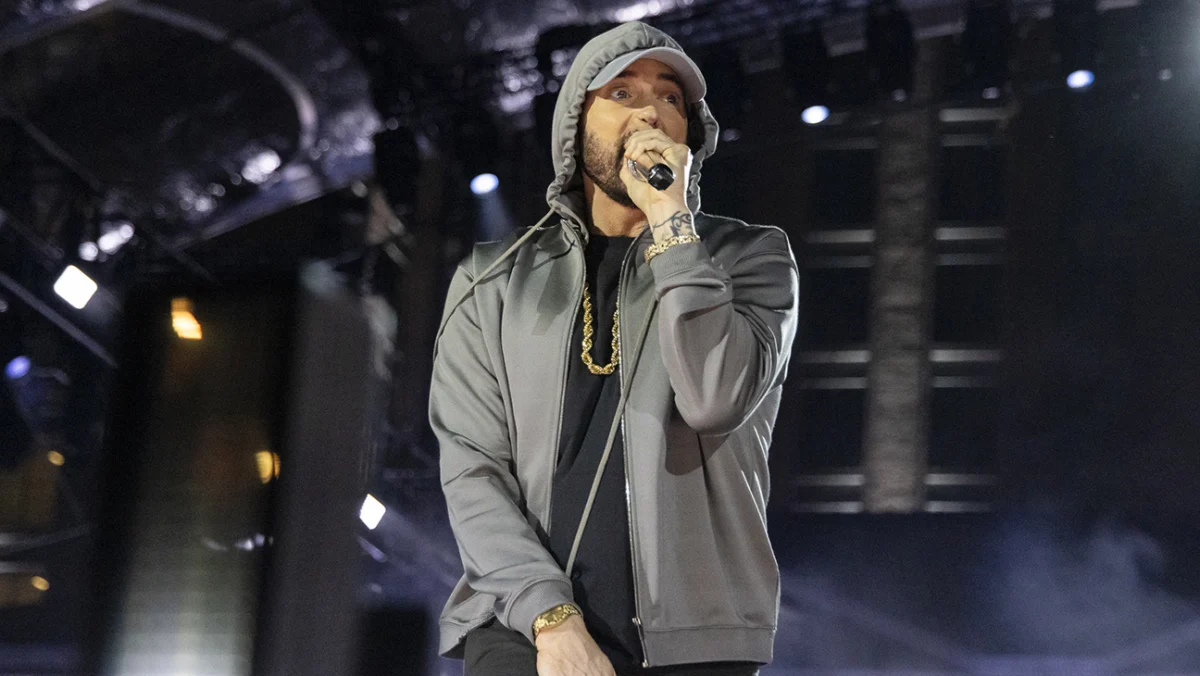
DETROIT — A long-serving former staff member of iconic rapper Eminem has officially pleaded guilty to criminal infringement of copyright, bringing a definitive legal turn to a brazen insider leak scheme. The guilty plea comes roughly a year after the employee’s initial arrest for illegally selling unreleased tracks belonging to the Grammy-winning artist on the digital black market for $50,000.
The case highlights the growing vulnerabilities of high-profile musicians in the digital era, where vaults of unreleased material are increasingly targeted not just by external cybercriminals, but by insiders entrusted with the very keys to the kingdom.
Main Facts of the Case
Joseph Strange, a trusted insider who spent more than a decade working within Eminem’s inner circle from 2007 to 2021, entered his guilty plea in federal court following a comprehensive investigation by the Federal Bureau of Investigation (FBI). According to federal prosecutors, Strange used his privileged, long-standing access to the rapper’s internal digital archives to systematically siphon off unreleased intellectual property.
Between July and August of 2024, Strange allegedly managed to exfiltrate and sell at least 10 unreleased tracks to buyers online, pocketing a quick $50,000 in illicit profits. However, the financial footprint of his crime extends far beyond the cash he received. According to the United States Department of Justice, the estimated market value and total infringement amount of the leaked music is valued at a staggering $750,000 or more.
Strange is currently scheduled to appear before a federal judge for sentencing on January 27, 2027. Under the federal statutes governing criminal copyright infringement, he faces a maximum sentence of up to five years in federal prison.
Chronology of the Leak and Investigation
To understand how a multi-year breach of trust culminated in a federal guilty plea, it is necessary to examine the timeline of events that brought Strange’s operations to light:
- 2007–2021: Joseph Strange maintains a long-standing employment relationship with Eminem, working directly with the artist’s team for over a decade. During this tenure, Strange gains unfettered access to secure digital archives, unreleased recording sessions, and unmastered audio files.
- Late 2021: Strange’s formal employment relationship with the Eminem camp comes to an end, though the digital access points and institutional knowledge he accumulated over 14 years remain embedded in his professional history.
- July – August 2024: Capitalizing on his historical familiarity with the files, Strange executes a series of illicit transactions, selling at least 10 unreleased Eminem tracks to online buyers for a total of $50,000.
- Early 2025: Members of Eminem’s management and security teams discover that unreleased material has leaked into digital collector circles and underground trading forums. Recognizing the severe breach, the team immediately contacts federal authorities.
- 2025 (Post-Discovery): The FBI opens a formal criminal investigation into the source of the leak, quickly tracing the digital breadcrumbs back to Strange. Law enforcement executes raids and arrests Strange, setting off a year-long legal process.
- Late 2025 / Early 2026: Federal prosecutors build a robust case against Strange, quantifying the economic damage of the stolen tracks well past the statutory thresholds for felony copyright infringement.
- Present Day: Strange officially enters a guilty plea to criminal infringement of copyright.
- January 27, 2027: The scheduled date for Strange’s federal sentencing hearing, where he faces up to five years behind bars.
Supporting Data and Financial Impact
While Strange netted a modest $50,000 from the immediate sale of the 10 tracks, the financial and commercial damage to Eminem’s catalog is calculated on an entirely different scale.
The Justice Department’s valuation of at least $750,000 in infringement damages reflects the immense economic power of Eminem’s unreleased catalog. In the modern music industry, unreleased tracks—often referred to by fans and industry insiders as "vault tracks"—hold immense speculative and commercial value. Major labels and artists frequently hold back finished or semi-finished songs for future deluxe albums, posthumous projects, or strategic anniversary re-releases.
When unreleased material leaks prematurely, it strips the artist and their record label of control over marketing rollouts, diminishes the surprise factor for future commercial releases, and cannibalizes potential streaming revenue. Furthermore, leaks devalue the exclusivity that collectors and die-hard fans are willing to pay for through official channels.
The $750,000 figure cited by prosecutors is calculated based on licensing values, projected streaming losses, and the intrinsic market capitalization of brand-new, premium content from an artist of Eminem’s global stature.
Official Responses and Legal Perspectives
The gravity of the case prompted strong statements from the United States Department of Justice, emphasizing that insider threats against intellectual property will be met with aggressive federal prosecution.
Assistant Attorney General A. Tysen Duva didn’t mince words when addressing the breach of trust in an official statement released by the Justice Department:
"Joseph Strange abused a position of trust to unlawfully copy and sell unreleased music belonging to Eminem, profiting from works that were not yet authorized for public distribution," Duva said. "His conduct undermined both legal and artistic rights. The Criminal Division remains committed to protecting intellectual property, holding accountable those who seek to profit from theft of creative content and working with our law enforcement partners to deter and disrupt these crimes."
The statement underscores a broader shift within federal law enforcement agencies, which are increasingly dedicating specialized cybercrime and intellectual property resources to combat digital piracy, hacking, and insider theft within the entertainment sector.
Legal analysts note that prosecuting individuals under criminal copyright infringement laws—rather than leaving disputes solely to civil litigation—sends a powerful deterrent message to other disgruntled or opportunistic former employees across the entertainment industry.
Broader Industry Implications: A Wave of Leaks and Breaches
Eminem is far from the only global superstar grappling with the high-stakes threat of stolen unreleased music. The digital age, coupled with remote collaboration tools and expansive digital archives, has made protecting unreleased master recordings an unprecedented challenge for the music business.
The Ariana Grande Hacking Campaign
The vulnerability of artist archives was underscored vividly in July of last year, when pop superstar Ariana Grande filed a major federal lawsuit targeting a years-long, sophisticated hacking campaign. The suit detailed how malicious actors repeatedly breached digital storage systems to access, stockpile, and trade unreleased recordings, forcing the artist’s legal team to take aggressive judicial action to halt the proliferation of stolen media across social platforms and file-sharing sites.
The Beyoncé Hard Drive Theft
Similarly, earlier this year, the music world was rocked by a brazen physical theft targeting global icon Beyoncé. A man formally pleaded guilty to stealing physical hard drives containing unreleased Beyoncé music directly from a rental car used by the singer’s choreographer during the blockbuster Cowboy Carter tour. The incident highlighted that artists face vulnerabilities not only from sophisticated cyberattacks and digital insiders, but also from old-fashioned physical breaches while touring on the road.
The Threat to Creative Autonomy
These successive high-profile incidents—Eminem, Ariana Grande, and Beyoncé—point to an alarming trend: unreleased art has become a lucrative black-market commodity.
For recording artists, the ability to control the creative process is paramount. An unreleased track may be unfinished, an experimental draft that was never meant for public ears, or a deliberate piece held back for a specific artistic statement. When insiders or hackers steal and distribute these works, they rob the artist of their fundamental right to artistic curation.
As the industry digests Joseph Strange’s guilty plea, record labels, management agencies, and legal teams are drastically overhauling their internal security protocols. Multi-factor authentication, strict digital rights management (DRM) tracking, narrowed archive access, and comprehensive non-disclosure agreements are becoming standard operating procedure.
Yet, as the Strange case proves, no digital security wall can completely eliminate the risk of a human insider who decides to betray a decade-long trust for short-term financial gain. With federal prison now looming for Strange in January 2027, the message to potential bad actors across the industry is unmistakable: stealing an artist’s creative legacy carries a very heavy price.
