
Echoes of the Deluge: Blair Mowat’s Atmospheric Score for After the Flood Released
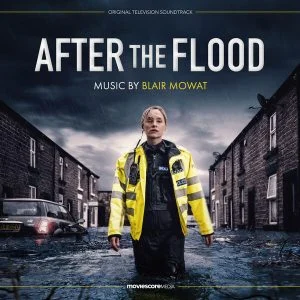
The auditory landscape of television drama is often as vital as the visual narrative, and in the case of the hit ITV series After the Flood, the music serves as an essential character in its own right. MovieScore Media has officially released the original soundtrack for the gripping drama, composed by the acclaimed Blair Mowat. This release offers fans and audiophiles alike the opportunity to immerse themselves in the tension-filled, haunting soundscape that defines the series’ investigation into mystery, tragedy, and the human condition.
Main Facts: The Sound of a Town Under Siege
Blair Mowat, whose prolific portfolio includes notable works such as Class, Nolly, Doctor Jekyll, and McDonald & Dodds, has crafted a score that mirrors the visceral impact of the show’s central catastrophe: a devastating, climate-driven flood that leaves a community in ruins.
The soundtrack, now available on Amazon and other major digital streaming platforms, captures the tonal shift of the series—moving from the eerie silence of a waterlogged landscape to the frantic, high-stakes urgency of a criminal investigation. The album features 29 tracks, ranging from intimate character motifs to sweeping orchestral arrangements, including collaborations with the Budapest Art Orchestra and instrumentalists Sam Sweeney and Ryan O’Reilly.
After the Flood, created by screenwriter Mick Ford, is a Quay Street production that has garnered significant praise for its blend of social commentary and traditional "whodunit" tropes. The narrative follows a police officer who, amidst the chaos of a town reeling from disaster, becomes consumed by the mystery of an unidentified man found dead in an underground car park lift. The series boasts a powerhouse ensemble cast, including Sophie Rundle, Philip Glenister, Lorraine Ashbourne, Jonas Armstrong, Nicholas Gleaves, Matt Stokoe, Jacqueline Boatswain, and Anita Adam Gabay.
Chronology: From UK Premiere to International Reach
The journey of After the Flood from concept to international sensation has been marked by a deliberate rollout strategy.
- 2024: The UK Premiere: The series first made landfall in the United Kingdom, where it was broadcast on ITV and streamed on ITVX. It quickly gained traction for its gritty realism and the central performance of Sophie Rundle.
- Early 2025: The Second Chapter: Building on the momentum of the inaugural season, the second season debuted earlier this year, deepening the mysteries introduced in the first outing and expanding the scope of the town’s secrets.
- The BritBox Expansion: Following its success in the UK, the production—produced by the acclaimed Quay Street—made its U.S. debut on the streaming service BritBox. This move brought the regional British mystery to a global audience, necessitating a wider release of the show’s ancillary materials, including Mowat’s score.
- October 2026: Soundtrack Release: The official release of the soundtrack by MovieScore Media marks the culmination of the show’s lifecycle, providing a permanent audio archive for fans of the series.
Supporting Data: An Analytical Look at the Score
The composition of After the Flood is a masterclass in tension-building. Mowat’s score does not simply provide background noise; it is designed to manipulate the viewer’s perception of the unfolding mystery.
Thematic Breakdown
The tracklist reveals a structured approach to the narrative arc. Tracks like "The Flood" (3:51) suggest a sprawling, ambient soundscape that likely accompanies the disaster sequences, while "The Murder" (1:50) and "The Truth" (1:37) indicate the sharper, more rhythmic elements associated with the police procedural elements of the show.
Orchestral Collaboration
A notable highlight of the album is the inclusion of the Budapest Art Orchestra on tracks such as "Confrontation" and "Bittersweet Goodbyes." This elevates the score from a standard synthesizer-heavy television soundtrack to a cinematic experience, grounding the show’s emotional beats in deep, resonant string work and brass.
Tracklist Highlights
- Community Spirit (feat. Sam Sweeney): A folk-inflected track that establishes the setting’s grounding.
- Confrontation: A climactic orchestral piece that showcases the tension of the show’s investigative peak.
- Bittersweet Goodbyes (Original Demo): Included as a bonus, this allows listeners to hear the raw, embryonic version of the show’s most emotional melody.
- End Credits (feat. Ryan O’Reilly): A haunting, minimalist closer that punctuates the resolution of the mystery.
Official Responses and Composer’s Perspective
While specific interviews regarding the After the Flood soundtrack are sparse, Blair Mowat has long been regarded as a composer who prioritizes "emotional honesty" in his scores. In previous discussions regarding his work on Nolly and McDonald & Dodds, Mowat emphasized the importance of silence and pacing—a philosophy clearly evident in this latest work.
The production team at Quay Street has praised the score for its ability to unify the disparate tones of the show. The blend of the "Community" motifs—often featuring traditional instruments like those played by Sam Sweeney—against the more clinical, driving percussion of the investigative tracks, serves to highlight the central conflict of the series: the struggle between the private lives of the townspeople and the cold, unyielding nature of the crime that has been uncovered.
Implications: The Role of Music in Modern Television
The release of the After the Flood soundtrack highlights a growing trend in the streaming era: the "expanded universe" of television production. As shows move from linear broadcast to global streaming platforms, the demand for accompanying media—soundtracks, behind-the-scenes features, and extended lore—has increased.
A Catalyst for Narrative Depth
For After the Flood, the soundtrack provides a vital service. By listening to the score in isolation, the audience is forced to engage with the show’s emotional subtext. The track "Jo and the Water," for instance, suggests a psychological connection between the lead character and the setting itself, an implication that may be subtle in the visuals but is underscored by the melancholic composition.
The Longevity of the Soundtrack
In the age of Spotify and Apple Music, television scores have found a new lease on life. Many viewers who may have never engaged with the show are finding the music through algorithmic recommendations, leading to a "crossover" audience. This soundtrack release ensures that After the Flood will continue to live on in the playlists of contemporary music lovers, effectively extending the reach of the ITV drama far beyond its original broadcast window.
Looking Ahead
The successful collaboration between Mowat, MovieScore Media, and Quay Street sets a high bar for future British drama soundtracks. It proves that even mid-budget, regional mysteries can benefit from the high-production value of an orchestral score, provided the composer is given the creative freedom to explore the specific tone of the source material.
Conclusion
The release of Blair Mowat’s score for After the Flood is more than just a promotional necessity; it is a vital component of the show’s artistic legacy. By curating a tracklist that captures the fear, the mystery, and the eventual resolution of the series, MovieScore Media has provided fans with a bridge back to the rainy, flooded streets of the drama’s setting.
Whether one is a dedicated fan of the series or simply a devotee of high-quality television composition, the After the Flood soundtrack offers a compelling journey. It stands as a testament to the power of music to ground a narrative, heighten drama, and, ultimately, ensure that a story—even one as dark as this—leaves a lasting resonance in the minds of its audience.
For those interested in dissecting the narrative through its music, the soundtrack is now available on all major digital platforms. As the series continues to find new audiences on BritBox and beyond, Mowat’s score will undoubtedly serve as the primary vessel through which the emotional weight of After the Flood continues to be felt.
