Fifty Years of Terror and Telekinesis: Re-evaluating Brian De Palma’s Carrie and Its Enduring Legacy in American Cinema
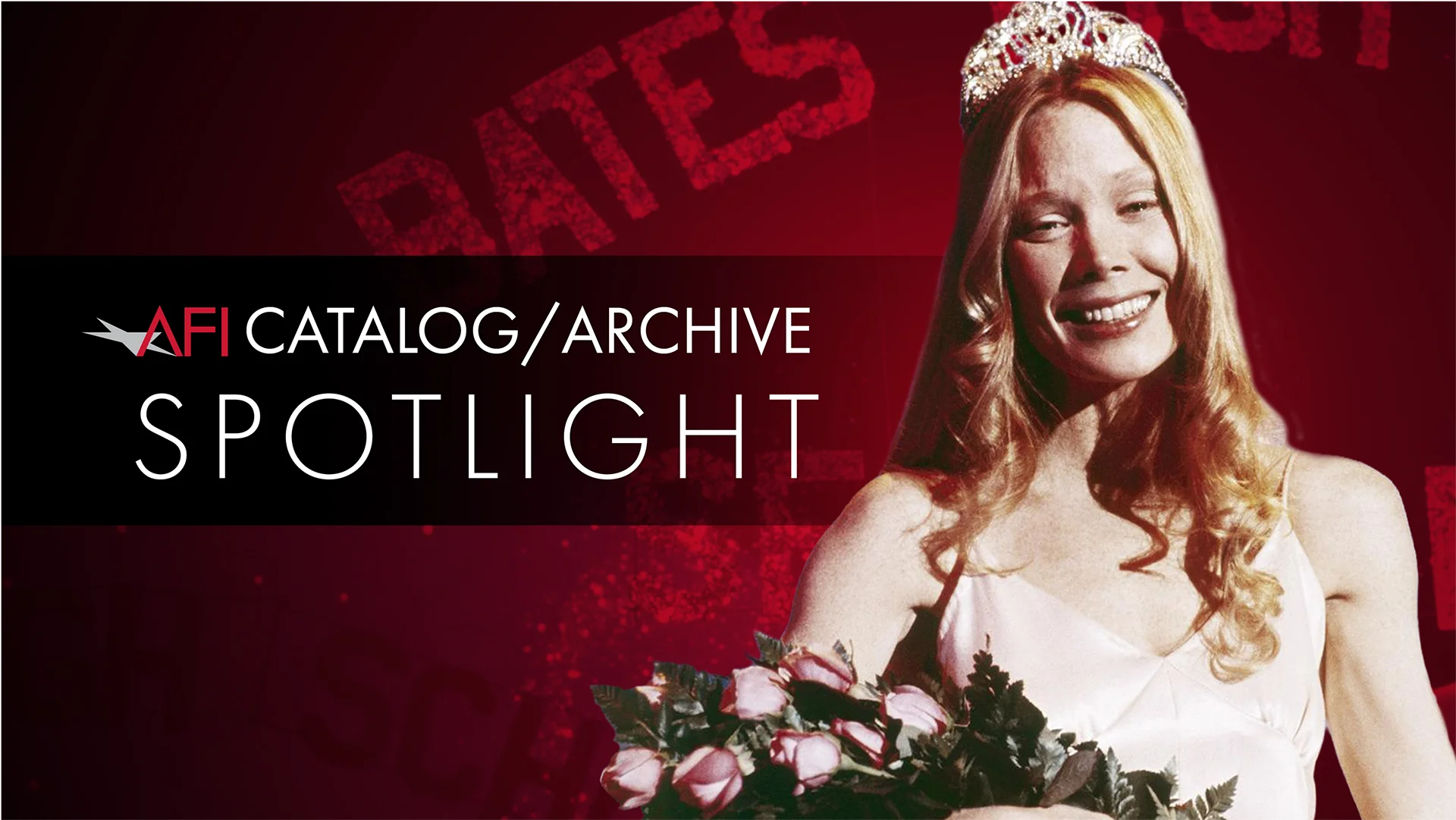
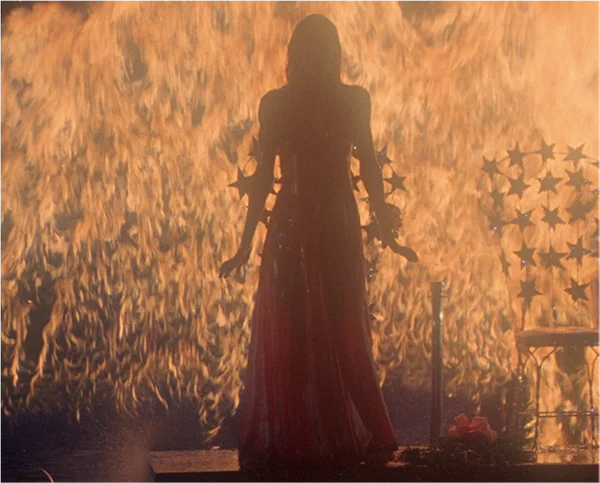
October 1, 2026 — As the autumn shadows lengthen and the cultural appetite shifts toward tales that merge the macabre with the supernatural, few cinematic milestones demand celebration quite like Brian De Palma’s Carrie. Marking its 50th anniversary this year, the 1976 adaptation of Stephen King’s debut novel remains a definitive seasonal staple. It has earned its place not merely as a masterclass in hair-raising thrills, but as a watershed moment in horror history—culminating in a coming-of-age narrative etched into the global consciousness by one of the most iconic, literal bloodbaths ever committed to celluloid.
Main Facts: A Convergence of Literary and Cinematic Icons
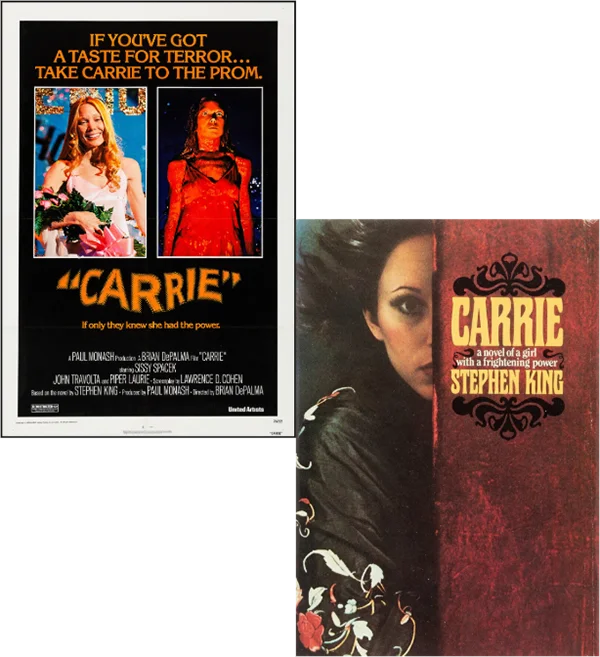
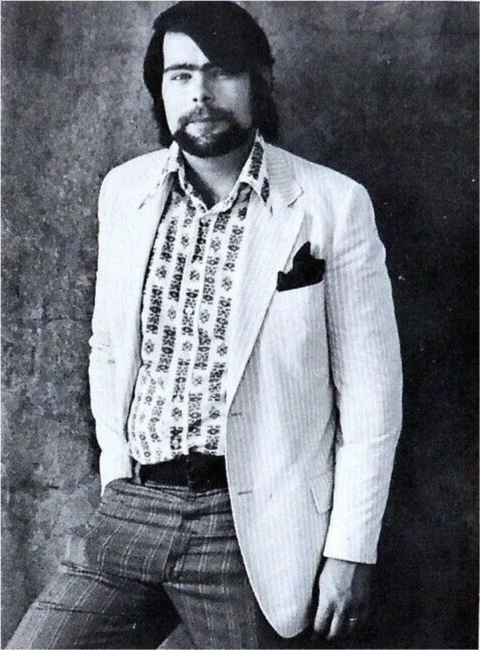
The cultural footprint of Carrie is vast, bridging the worlds of publishing and film. Published in 1974, Stephen King’s very first novel became the seed from which a literary empire grew. Today, King stands as the undisputed "King of Horror," having penned more than 65 novels that have served as source material for over 100 motion pictures, television programs, and stage adaptations, including genre mainstays like The Shining (1980), Misery (1990), and It (2017).
Yet, it was De Palma’s cinematic translation that crystallized King’s vision for the screen. Made on a modest budget of approximately $1.8 million by United Artists, Carrie became a commercial juggernaut, grossing nearly $34 million worldwide. It earned Academy Award nominations for both its lead actress, Sissy Spacek, and supporting powerhouse Piper Laurie, fundamentally reshaping how Hollywood viewed horror, youth culture, and female protagonists. In 2022, the Library of Congress selected the film for preservation in the National Film Registry, cementing its permanent place in American cultural history.
Chronology: From the Trash Can to the Silver Screen
The journey of Carrie from a discarded manuscript to a multi-generational franchise is a legendary piece of Hollywood folklore.
The Early Inspiration: Several years before writing the novel, Stephen King worked as a high-school janitor—an experience that provided him with a gritty, unglamorous view of adolescence and social stratification.
The Rescue (Early 1970s): Struggling to make ends meet while living in a trailer with his wife, Tabitha ("Tabby"), King began typing the story of a bullied telekinetic teenager. Overwhelmed by self-doubt regarding his ability to authentically write from a female perspective, King crumpled up the first three pages and threw them into the trash. Tabby, a writer herself who was working at a Dunkin’ Donuts to support the household, rescued the pages from the garbage. Recognizing the raw power of the concept, she promised to guide him through a woman’s perspective and urged him to finish.
Publication and Breakthrough: Doubleday picked up the completed novel for an advance of $2,500—nearly half of King’s yearly salary at the time. When the paperback rights subsequently sold for $400,000, Tabitha reportedly wept.
The Cinematic Pursuit: Director Brian De Palma, introduced to the novel by a friend, attempted to option the book himself, hoping it might launch his career in the same way Steven Spielberg’s Jaws (1975) had catapulted his contemporary into the public eye. Although producer Paul Monash ultimately secured the rights, De Palma joined the project with final-cut privileges.
Release and Box Office Triumph (1976): Released in the fall of 1976, the film shocked industry executives by turning a $1.8 million investment into a $34 million box-office triumph.
Supporting Data and Production Insights
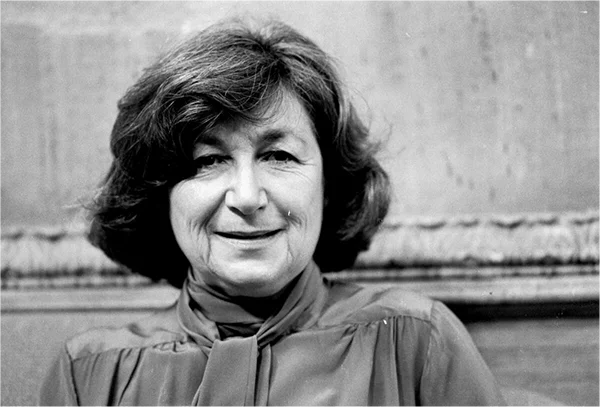
The success of Carrie was driven by a confluence of visionary behind-the-scenes talent, notably Marcia Nasatir, Hollywood’s first female vice president of production at United Artists. As documented in the AFI Catalog, Nasatir championed the property long before arriving at UA, initially steering it toward producer Paul Monash. Speaking to AFI Fellows at a 1980 seminar, Nasatir reflected on the turbulent landscape of studio filmmaking and her unwavering belief in narratives that resonated with social shifts.
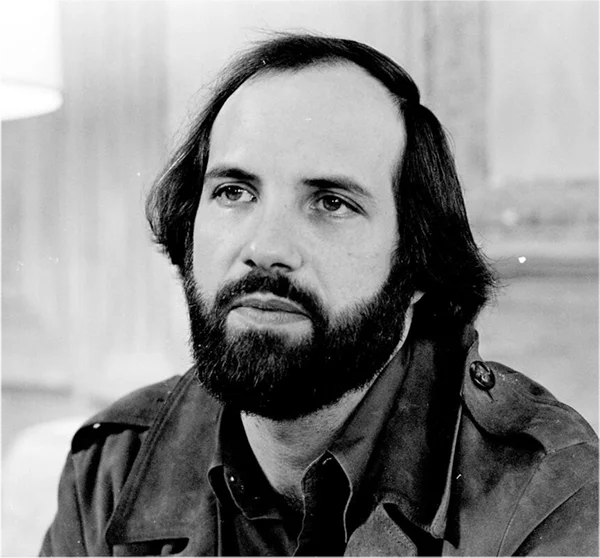
Brian De Palma’s creative contributions were equally instrumental. As Nasatir noted, De Palma made enormous contributions to the screenplay, including the conception of the film’s terrifying final sequence. In a 1977 interview with Cinefantastique magazine, De Palma discussed his fascination with the material’s underlying psychological complexities.
Stephen King himself experienced the film’s visceral power at a preview screening in Boston. As he recalled in a June 1986 issue of AFI’s legacy publication, American Film, he and Tabby drove all the way from Maine for the test screening, walking into a predominantly African American audience that had originally been told they were going to see a Redd Foxx comedy, not a teen thriller.
"We thought: the audience is going to rate the hell out of this picture," King told American Film. "What are they going to think about a skinny little White girl and her menstrual problems? And that’s the way it started, and then, little by little, they got on her side… [When Carrie’s hand erupted from her grave], they screamed along with everyone else—and I knew it was going to be a hit."
Lead actress Sissy Spacek approached the character with similar nuance, refusing to let Carrie devolve into a caricature. Reflecting in an interview housed in the AFI Archive, Spacek explained: "I didn’t want her to just be this weirdo. The most special thing about the character to me was that there was hope for her. There was a possibility for her to be neater than everybody."
Official Responses and Cultural Context
The thematic resonance of Carrie extends far beyond its genre conventions. In his non-fiction books Danse Macabre (2010) and On Writing (2000), Stephen King explained that Carrie’s story was a direct response to the feminist movements surfacing with new urgency in the 1970s. He noted an "uneasy masculine shrinking from a future of female equality" within American culture, channeling that collective anxiety into an exploration of shifting societal roles.
By subverting a horror genre that had traditionally centered male protagonists, Carrie cast a teenage girl as a compelling anti-villain. Her use of supernatural telekinetic powers to violently punish her tormentors is horrifying and murderous, yet undeniably cathartic—a climactic act where she seizes control of her destiny and emerges from a baptism of blood as a powerful figure rather than a passive victim.
Marcia Nasatir viewed the film as part of a broader cinematic awakening. During her 1980 AFI seminar, she observed:
"I think movies very often reflect what already exists… there’s been a revolution in this country for women and how it’s going to be shown on the screen, I don’t think anyone yet has really shown."
Similarly, Brian De Palma championed the gray areas of morality within the narrative. He asserted that all characters—whether perceived as good or evil—operated on fundamentally positive, albeit diametrically opposed, motivations: "The whole good and evil thing is very relative."
Implications: A Generational Primal Scream
Fifty years after its premiere, Carrie remains a towering achievement that continues to influence contemporary storytelling. Its exploration of bullying, religious extremism, adolescent isolation, and righteous feminine rage has proved remarkably elastic.
The property has spawned a multi-generational legacy of sequels, remakes, and reinventions. These include a 1988 Broadway musical, a 2013 cinematic reimagining directed by Kimberly Peirce (an AFI DWW+ Artist-in-Residence for 2014), and a high-profile television miniseries helmed by Mike Flanagan for Amazon Prime Video.
As institutions like the American Film Institute continue their vital preservation work through the AFI Archive and AFI Catalog, the lessons of Carrie—both on-screen and behind the scenes—remain clear. By protecting cinematic history and celebrating the milestones that challenged the status quo, the film community ensures that the stories of yesterday continue to empower the storytellers and audiences of tomorrow.