
Beyond the Green Screen: How Visual Effects Studios Evolved from Hired Hands to Creative Partners
By Industry Staff
Over the past three decades, the visual effects (VFX) industry has undergone a seismic transformation. No longer viewed merely as digital sweatshops hired to wipe away boom mics or render explosions in post-production, VFX studios have graduated to the status of essential creative partners. Today, they help shape the visual grammar, narrative blueprints, and foundational mechanics of modern film and television.
Yet, this evolution exists in a state of deep industry paradox. While computer-generated imagery (CGI) permeates nearly every frame of contemporary media, it remains heavily stigmatized in marketing campaigns. Meanwhile, the economics of Hollywood are shifting drastically following recent labor strikes, forcing a recalibration of budgets, pipelines, and the very definition of what a VFX house is asked to do.
Main Facts: The Modern VFX Landscape
The contemporary visual effects ecosystem is defined by three major shifts: early integration into pre-production, the democratization of real-time tools like Unreal Engine, and a complex economic realignment following the post-pandemic streaming boom and recent industry strikes.
- Early Collaboration: Studios like Zoic Studios, Rocket Science VFX, CoSA VFX, and BlueBolt are increasingly brought onto projects during early pre-production, functioning as creative consultants rather than downstream executioners.
- Technological Integration: Real-time engines such as Unreal Engine have accelerated previsualization, allowing filmmakers and VFX artists to collaborate dynamically on blocking, camera angles, and asset development.
- The "Taboo" Paradox: Despite VFX being a baseline requirement for storytelling—handling everything from massive fantastical worlds to invisible cleanup—publicity campaigns frequently lean into the marketing trope of "practical filmmaking," downplaying or outright denying the digital work involved.
- Economic Equilibrium: Following a wild post-pandemic production bubble driven by streaming wars, followed by a sharp brake-checking via the actors’ strikes, the industry is settling into a new financial normal.
Chronology: Three Decades of Digital Maturation
To understand how visual effects reached this pivotal juncture, it is helpful to look back at how the relationship between production and post-production has transformed over the years.
The Era of "Piecemeal" Post (Late 1990s – 2010s)
Twenty-five years ago, visual effects operated within a strictly linear pipeline. Independent films might feature five to ten digital shots; even major blockbusters treated VFX as a distinct, downstream phase. Production would shoot live-action footage, lock the edit, and throw shots over the fence to various vendors. Communication was often siloed, leading to costly last-minute fixes and a rigid hierarchy where digital artists had little say in the overarching creative vision.
The Streaming Gold Rush and Post-Pandemic Overcorrection (2020 – 2024)
When pandemic-related lockdowns lifted, linear networks and streaming platforms engaged in a high-stakes race for content volume. Production budgets ballooned, and workloads skyrocketed. The industry entered a hyper-accelerated phase where the sheer quantity of digital content required unprecedented scaling. However, this pace proved unsustainable. Accountants and studio executives eventually recognized the financial burn, setting the stage for an inevitable correction.
The Strike-Induced Reset and Present Day (2025 – Present)
The recent actors’ strikes served as a hard economic reset. Studio accountants used the operational pause to hit the brakes on runaway spending. Far from bouncing back immediately to pre-strike production volumes, the industry entered a prolonged period of recalibration. Today, in 2026, the dust is settling into a new equilibrium: leaner, more strategic, and heavily reliant on early digital planning to maximize every dollar spent.
Supporting Data and Industry Dynamics: A Vertical Pipeline
The traditional linear model of filmmaking has largely been replaced by a vertical workflow. Departments like editing, sound, and visual effects now interface much earlier in the development cycle.
Christa Tazzeo Morson, Vice President of Global Partnerships and Executive Visual Effects Producer at Rocket Science VFX, notes that remote toolsets accelerated by the pandemic have permanently altered how teams collaborate.
"You have many departments operating a lot earlier on the front end, rather than waiting for each department to move down the line to finish the movie or television show," Morson explains. "Everyone’s trying to push it as early as possible, so that you’re creating a dynamic blueprint of what the finished product is going to look like."
Furthermore, the scope of indie filmmaking has shifted dramatically. Henry Badgett, Visual Effects Supervisor and Creative Director at BlueBolt, points out a stark contrast between past eras and the present:
- The Past: An indie film 25 years ago might contract a house like MPC for 5 to 20 shots total, with only a couple being complex.
- The Present: Modern indie films approach vendors with zero limitations on bidding, letting the feasibility and cost of visual effects actively dictate what gets shot, kept, or discarded.
Simultaneously, audience expectations have driven up the demand for "invisible" cleanup work. Tracy McCreary, Managing Director at BlueBolt, notes that while major set-piece effects have always been standard, the sheer volume of minor post-production touch-ups required to meet modern visual standards has expanded exponentially.
Official Responses and Perspectives from the Front Lines
Leading voices from top-tier VFX studios offer a granular look at the operational realities, psychological challenges, and creative rewards of running modern visual effects houses.
Chris Jones (Zoic Studios) on Ecosystems and Sole Vendors
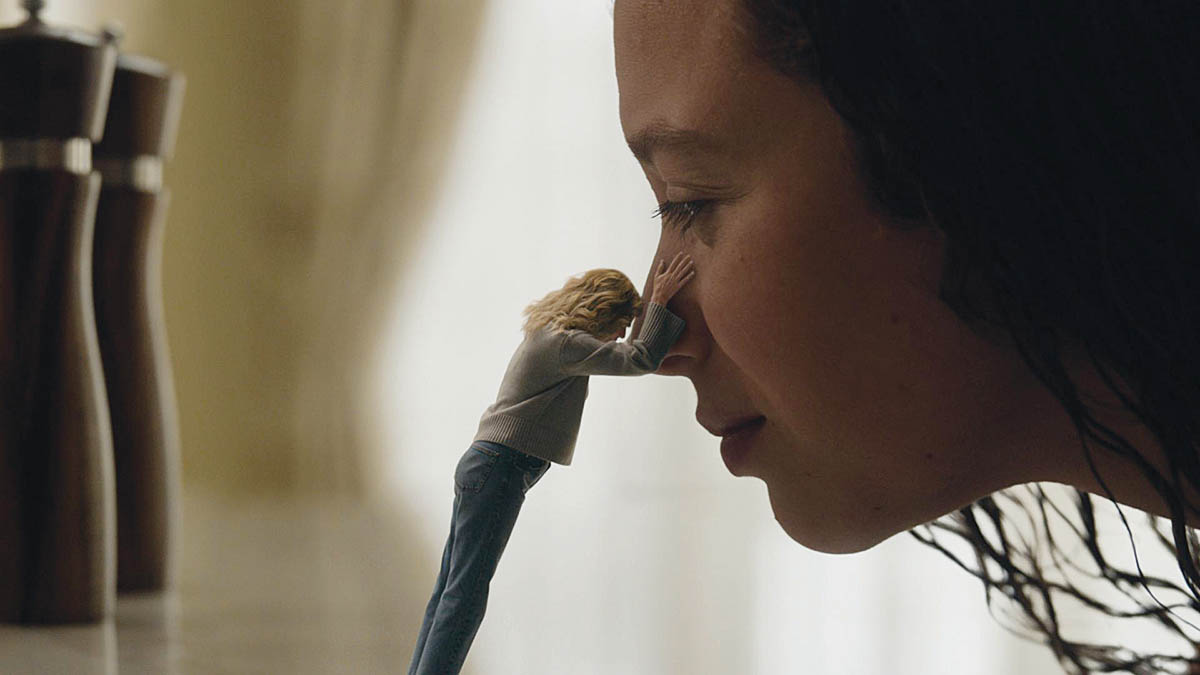
Chris Jones, Founder and Executive Creative Director of Zoic Studios (known for work on projects like Peacock’s The Miniature Wife), emphasizes the fluidity of modern production ecosystems.
"Each show seems to have its own ecosystem," Jones says. "In some scenarios, we are the sole vendor, which is advantageous for a lot of reasons. The show is not being piecemealed out across a ton of different vendors, so you have a much greater view of the overall project and can contribute at a higher level."
Jones also addresses the psychological toll of the industry’s marketing habits—specifically, the persistence of public relations campaigns claiming a project used "no visual effects."
"As far as affecting the creative, it affects the morale of the artists more than anything," Jones remarks. "We all got into this because we love creating things… When filmmakers turn around and say, ‘There were no visual effects in it,’ from a company standpoint, you understand that, smile, and know deep inside that there were hundreds of visual effects in it."
Tom Mahoney (CoSA VFX) on Interdepartmental Communication
Tom Mahoney, Founder and Partner at CoSA VFX, stresses that visual effects is uniquely intertwined with nearly every physical department on a set.
"Visual effects is one of the few departments that needs to interact with almost every other department, including post," Mahoney notes. "On a given project, there’s almost no way I’m not in close communication with the stunts supervisor, special effects supervisor, cinematographer, camera operators, wardrobe, makeup, transportation, and props."
Mahoney advocates for a pragmatic approach to digital versus practical effects:
- Shoot it practically if you can: If it can be executed safely and cost-effectively in the physical world, do it.
- Use VFX when physics fail: When shooting in space, handling extreme physical danger, or executing logistically prohibitive shots (like a single cruise ship on the horizon), digital solutions are the smart choice.
Mahoney also points out that miscommunication remains the single largest financial waste in production, sometimes costing hundreds of thousands of dollars in avoidable rework.
Henry Badgett and Tracy McCreary (BlueBolt) on Creative Problem-Solving
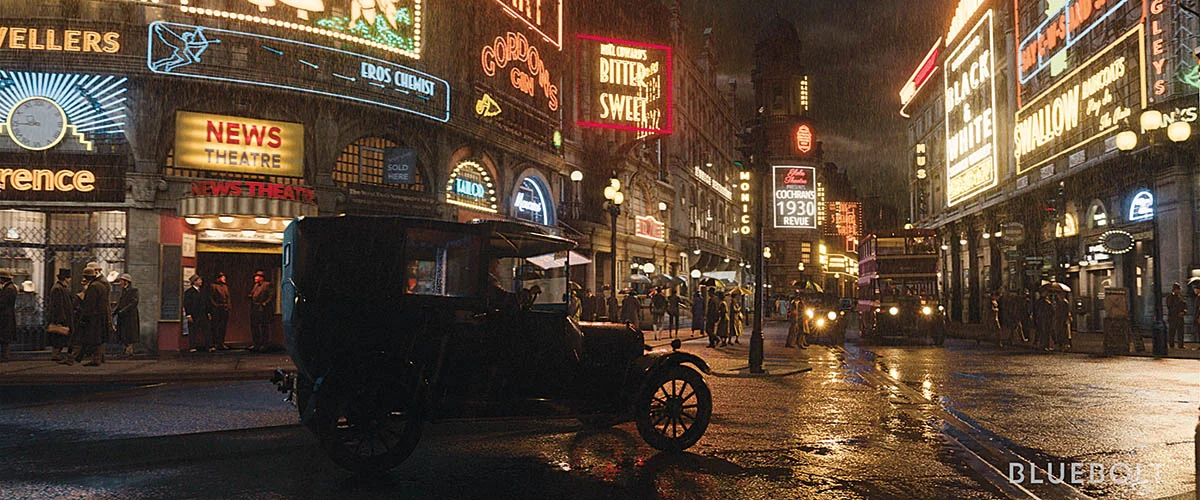
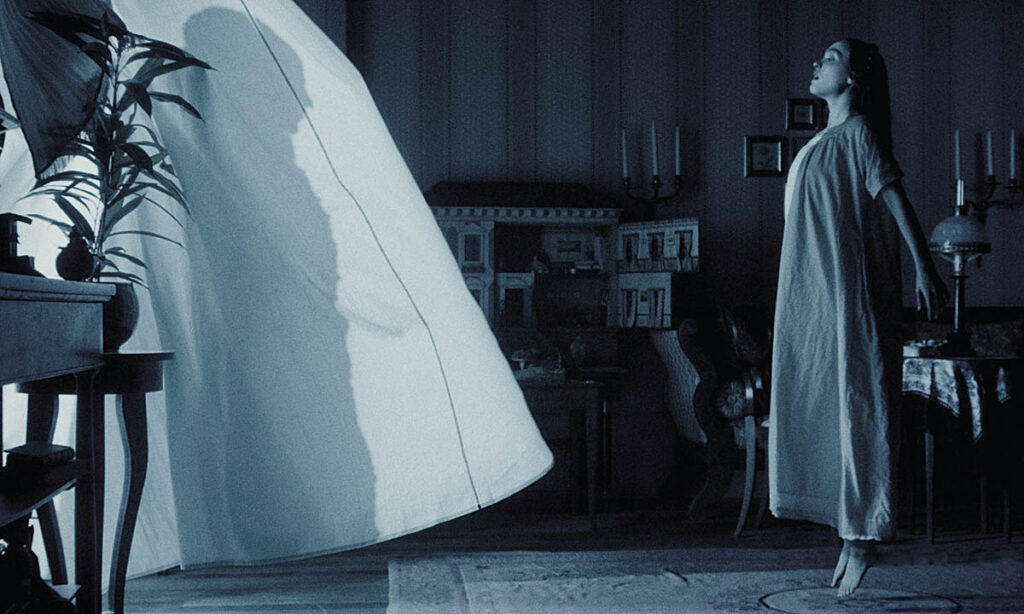
Reflecting on their work across major cinematic landscapes like Nosferatu and Downton Abbey: The Grand Finale, BlueBolt’s leadership highlights the dual nature of working with directors.
"Some visionary filmmakers want to control every single aspect of the frame," McCreary observes, citing the meticulous attention to detail of writer-director Robert Eggers. "Being part of that journey is incredibly rewarding."
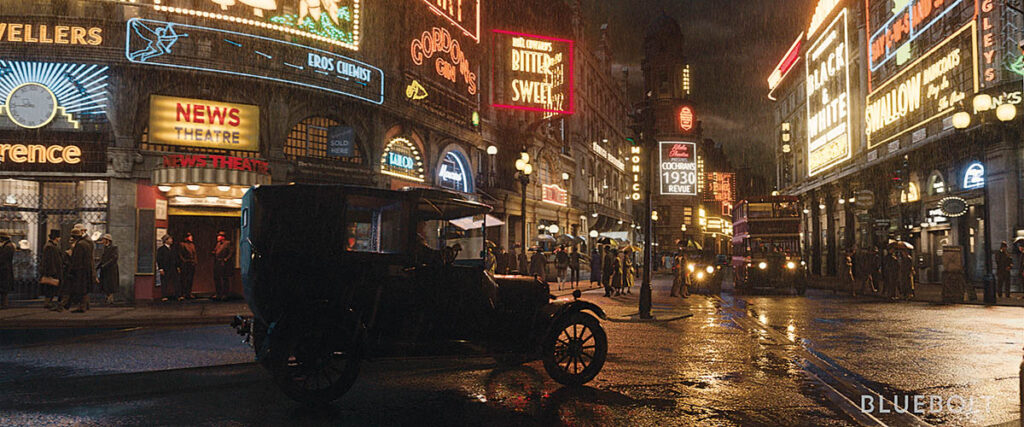
Conversely, Badgett notes that other directors lean heavily on vendors for creative recommendations: "That is fun in a different way. It’s giving them options and guidelines, then they go off and decide what they’re going to do."
Implications: The Future of Filmmaking and VFX Integration
As the industry navigates its post-strike equilibrium, the long-term implications for filmmakers and VFX studios are becoming clear.
- The Real-Time Workflow is Permanent: The adoption of Unreal Engine and real-time previsualization tools is no longer a luxury—it is a baseline expectation. Real-time client collaboration builds stronger structural foundations for blocking, lighting, and camera packages before principal photography even begins.
- Redefining the "Auteur": As directors increasingly rely on digital toolsets—from digital art departments to sophisticated temp comps crafted by senior editors—the collaborative nature of filmmaking deepens. The myth of the purely isolated director is being replaced by a model of cooperative, multi-departmental problem-solving.
- Valuing the Craft: Industry veterans continue to push for cultural normalization. Just as cinematography, costume design, and sound editing are celebrated openly without diminishing the art form, visual effects leaders hope to strip away the "taboo" label from digital artistry.
Ultimately, the success of future film and television projects will hinge on mutual respect, transparent communication, and recognizing that digital effects are simply another vital instrument in the modern storyteller’s orchestra.
