
The Backbone of Sound: A Comprehensive Guide to XLR and Jack Cables in Production
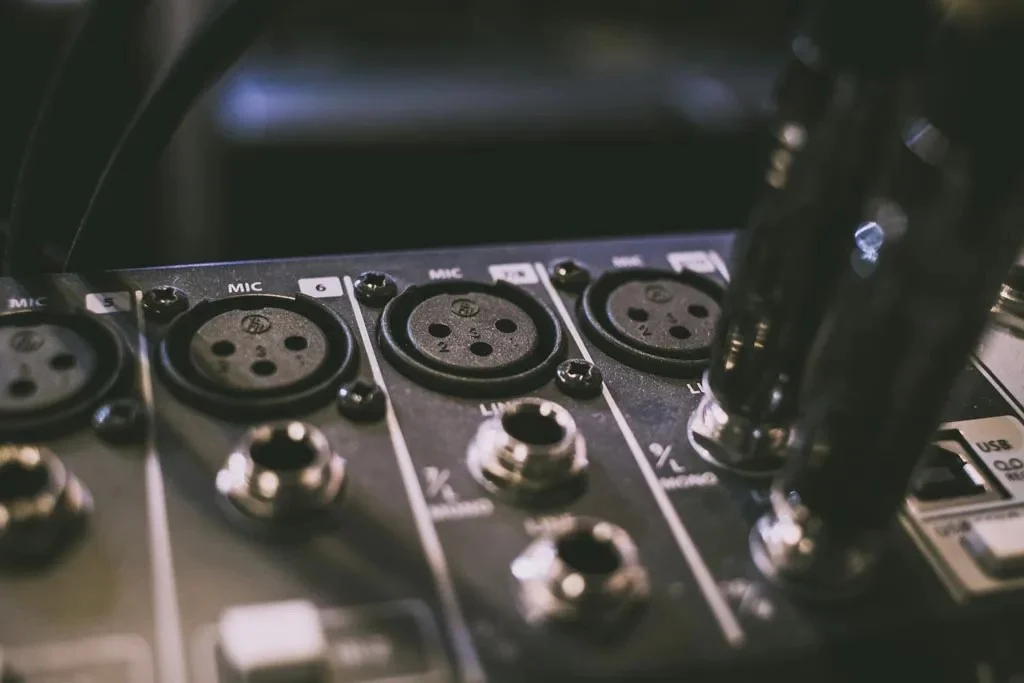
In the high-stakes world of professional film, video, and audio production, the difference between a pristine, immersive soundtrack and a chaotic mess of interference often comes down to the quality of the signal chain. While cameras, microphones, and editing software capture headlines, the unsung heroes of every production—the cables—are what actually bridge the gap between performance and recording. Among the myriad of connectors found on set and in the studio, two standards dominate: the XLR and the Jack.
Understanding the technical nuances, physical properties, and optimal use cases of these cables is not merely a technical exercise; it is a fundamental requirement for anyone operating in modern media production. Whether you are troubleshooting a ground loop on a remote film set or setting up a multi-track recording session, knowing when to deploy an XLR versus a Jack can save your audio—and your reputation.
The Role of Audio Cables: Understanding the Signal Path
Audio cables function as the circulatory system of a production. Their primary responsibility is to transport electrical energy representing sound waves from a source (like a microphone or an instrument) to a destination (a mixer, interface, or recorder) with the absolute minimum amount of signal degradation.
In a professional environment, this process is fraught with risks. Electromagnetic interference (EMI), radio frequency interference (RFI), and simple mechanical wear and tear are constant threats. Because cables act as antennas, they can easily pick up unwanted hums from power lines or cellular signals. Consequently, the engineering behind cable design—specifically regarding balanced versus unbalanced signals—is the defining factor in how a production handles audio fidelity.
The XLR Cable: The Gold Standard of Professional Audio
Chronology and Development
The history of the XLR connector is a testament to the evolution of broadcast and audio engineering. Developed in the 1940s by James H. Cannon, founder of Cannon Electric, the design was originally intended for use in the aerospace and military sectors. The "XLR" moniker—derived from the "X" series connector, the "L" for latch, and the "R" for the resilient rubber compound used in the original female connectors—soon migrated from the cockpit to the sound booth.

By the 1950s and 60s, as the professional recording industry began to standardize, the XLR’s rugged, three-pin design became the default for high-fidelity microphones. Its rapid adoption was driven by the need for a connection that was not only electrically superior but also mechanically locking, ensuring that cables wouldn’t be accidentally pulled out during a live performance or a critical take.
The Technical Edge: Balanced Audio
The true genius of the XLR cable lies in its "balanced" configuration. An XLR cable contains three pins: Pin 1 (Ground), Pin 2 (Hot/Positive), and Pin 3 (Cold/Negative).
When a microphone sends a signal, the balanced equipment creates a copy of the audio signal but flips its polarity (phase) on the third pin. As the signal travels down the length of the cable, both wires pick up the same external electromagnetic interference. At the receiving end, the input device flips the phase of the "Cold" wire back to normal. Because the interference on both wires is now out of phase, they effectively cancel each other out—a process known as Common Mode Rejection. This is why XLR cables can run for hundreds of feet without the buzzing and humming that would plague an unbalanced cable.
Supporting Data: Why XLR Reigns Supreme in Filmmaking
For field recording and professional cinematography, the XLR cable is non-negotiable. According to industry standards for production sound mixers, XLR remains the primary choice for several reasons:
- Mechanical Reliability: The locking mechanism provides a secure connection that prevents signal dropouts during movement—a necessity when boom operators are maneuvering microphones around a set.
- Shielding Efficiency: Because filmmaking often takes place in environments rife with electronic interference (near lighting ballasts, power generators, and wireless routers), the balanced rejection of XLRs is the only way to ensure clean dialogue.
- Phantom Power: Many professional condenser microphones require +48V phantom power to operate. XLR cables are specifically designed to carry this power from the recorder to the microphone safely and consistently.
The Jack Cable: The Versatile Workhorse
History and Evolution
While the XLR is the king of the studio, the "Jack" or "Phone" connector has a history that predates modern audio recording by decades. Originally utilized in the 19th-century telephone exchange switchboards, the 1/4-inch (6.35mm) plug allowed operators to quickly patch calls. This design, characterized by its "tip-ring-sleeve" (TRS) or "tip-sleeve" (TS) configuration, was adopted by the music industry as amplification became common.

By the mid-20th century, the 1/4-inch jack became the standard for electric guitars, synthesizers, and later, for stereo headphones. The 3.5mm variant, a smaller descendant of the original, eventually became the universal standard for portable consumer audio, from the early days of the Walkman to modern laptops and mobile devices.
Unbalanced vs. Balanced Jacks
It is vital to distinguish between a TS (mono/unbalanced) jack and a TRS (stereo or balanced) jack. A standard guitar cable is usually a TS cable—an unbalanced line that is susceptible to noise if the cable is too long (typically over 15-20 feet).
A TRS jack, however, can carry a balanced signal, similar to an XLR, or a stereo signal. Many modern audio interfaces feature "Combo Jacks," which accept both XLR and 1/4-inch TRS connectors, reflecting the need for both types of connectivity in modern home studios.
Implications for Modern Productions
The Cost-Effectiveness of Jack Connectors
The primary implication of using Jack cables in modern production is the balance of convenience versus fidelity. Jack connectors are significantly cheaper to manufacture and integrate into compact devices. This has led to their dominance in the "prosumer" market. For a filmmaker on a budget, the availability of 3.5mm-to-XLR adapters allows them to use high-quality XLR microphones with entry-level DSLR or mirrorless cameras.
However, the risk remains. Using an unbalanced 3.5mm connection for a long-distance microphone run in a high-EMI environment (like a downtown street or an industrial facility) is a recipe for disaster. The lack of proper shielding and the reliance on unbalanced signal paths means that the audio will likely be tainted by background noise that is difficult, if not impossible, to remove in post-production.
Professional Perspectives and Official Responses
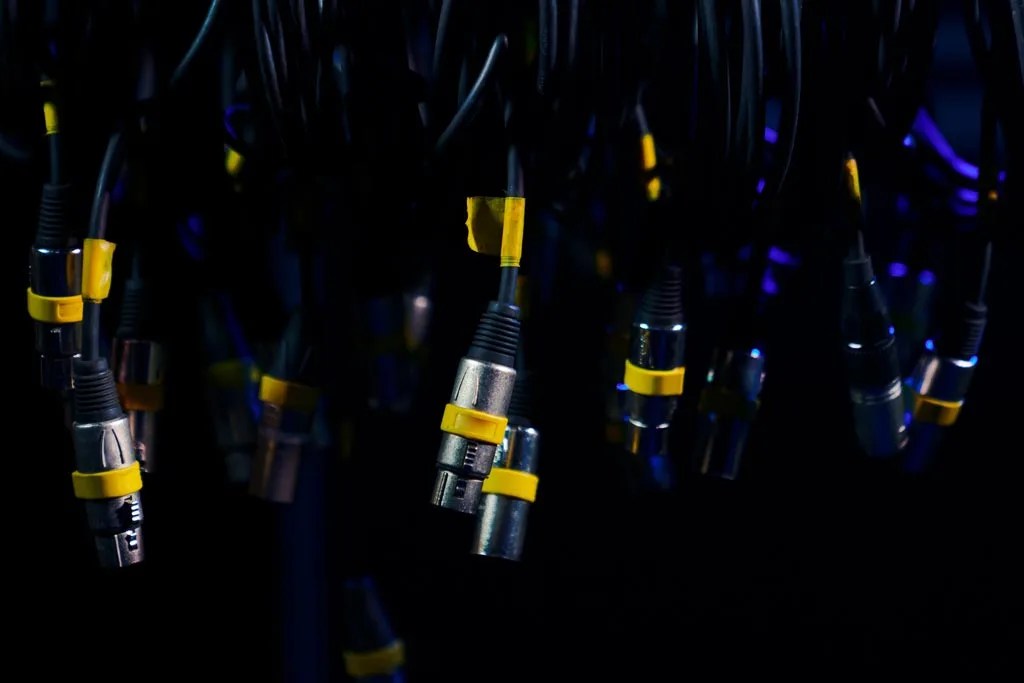
Industry experts, including audio engineers and sound designers, frequently emphasize a "Chain of Command" approach to cable usage.
- The Studio Perspective: In professional studios, the use of Jack cables is generally reserved for "Line Level" signals—devices like synthesizers or drum machines that are already amplified and less prone to the noise floor issues of low-voltage microphone signals.
- The Field Perspective: The consensus among field recordists is clear: if it’s a microphone, use XLR. If it’s an output for monitoring or a short-run auxiliary line, the Jack connector is acceptable. The "Official" standard for film production, as dictated by the needs of post-production teams, is the XLR for its metadata-friendly, noise-free, and phantom-power-capable characteristics.
Conclusion: Mastering Your Signal Flow
Choosing between XLR and Jack cables is not about picking a "better" cable; it is about choosing the right tool for the job.
If you are capturing dialogue on a film set, recording live instruments, or operating in an environment where noise interference is a concern, the XLR cable is your most vital asset. Its balanced design and locking, durable construction make it the backbone of professional audio.
If you are working with portable consumer gear, connecting headphones for monitoring, or patching together equipment in a controlled, short-distance environment, the Jack cable provides the accessibility and cost-efficiency required for modern, agile production workflows.
By respecting the unique roles these cables play—and understanding the underlying physics of balanced versus unbalanced audio—producers and engineers can ensure that their work remains clear, professional, and free from the technical headaches that plague less prepared productions. As technology advances, the connectors may change, but the fundamental requirement for clean signal transmission remains as critical as ever.
