
Stepping Out of Her Son’s Shadow: How Peacock’s Crystal Lake Transforms a Slasher Footnote into a Masterclass in Horror Television
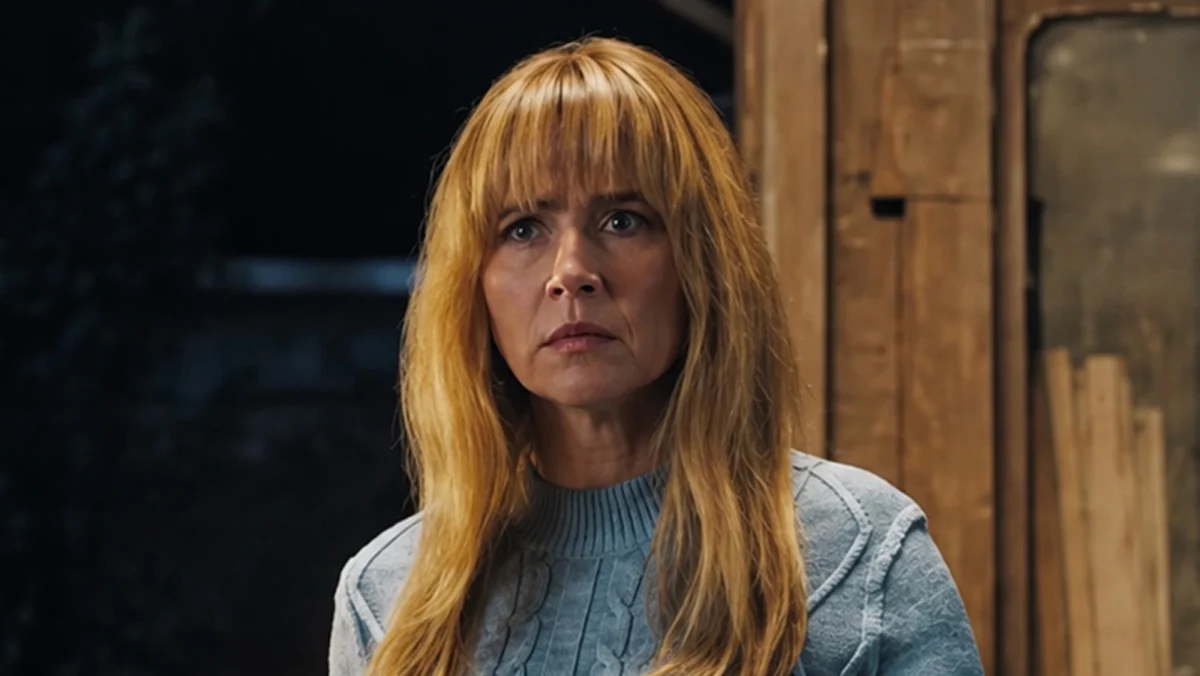
For over four decades, the Friday the 13th franchise has been synonymous with a single, towering image: a hockey-masked brute wielding a machete in the misty woods of Camp Crystal Lake. Jason Voorhees became a pop culture behemoth, a walking, slashing repository for everything that goes bump in the night. Yet, foundational to the entire mythology is a twist that caught audiences entirely off-guard in Sean S. Cunningham’s 1980 original film: the killer wasn’t Jason, but his grief-stricken, vengeance-fueled mother, Pamela Voorhees.
Portrayed unforgettably by Betsy Palmer, Pamela was ultimately relegated to the realm of cinematic trivia—a "gotcha" piece of trivia famously exploited in the opening sequence of Wes Craven’s Scream. While Jason evolved through countless sequels into an unstoppable, sci-fi-adjacent juggernaut, Mrs. Voorhees remained a tragic, isolated footnote.
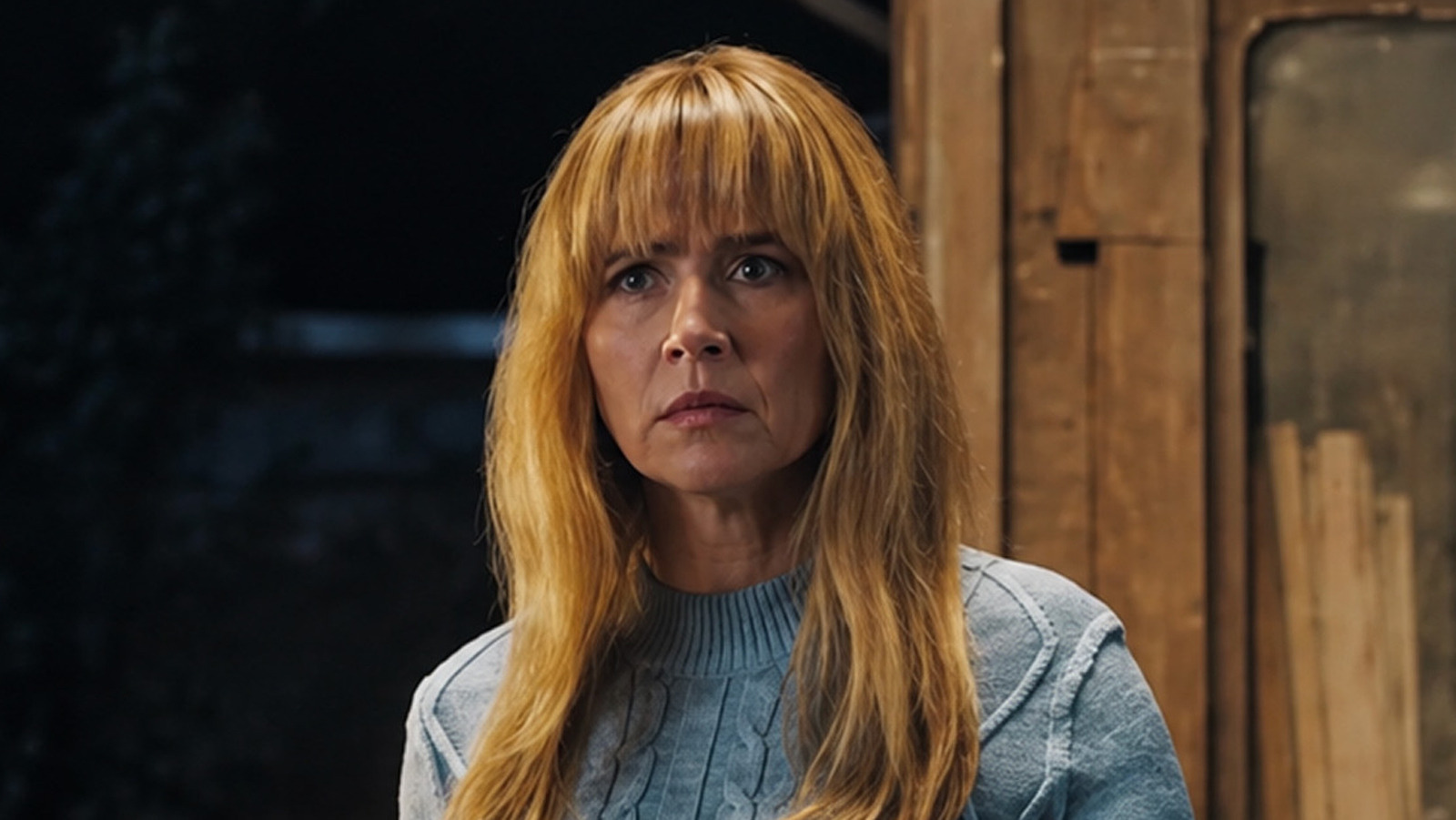
That dynamic is permanently rewritten with Peacock’s Crystal Lake. Created by showrunner Brad Caleb Kane, the eight-episode prequel series shifts the focus back to the lake’s original matriarch. Set in the early 1970s and starring Linda Cardellini as a younger Pamela struggling to cope with the drowning death of her son Jason (played by Callum Vinson), the series is a triumph. Crystal Lake functions simultaneously as a visceral slasher-flavored character study and an incisive exploration of the historical, political, and cultural environments that birthed a monster. Earning a stellar 9 out of 10 rating from critics, the series premieres on Peacock on October 15, 2026, proving definitively that the Friday the 13th universe is far more expansive than a one-trick hockey mask.
Main Facts: A New Vision for Camp Crystal Lake
Crystal Lake reimagines the origins of horror’s most famous mother-son duo by anchoring its narrative firmly in the early 1970s rather than the late 1950s. At its core, the series centers on Linda Cardellini’s nuanced performance as Pamela Voorhees, charting her emotional disintegration in the wake of young Jason’s (Callum Vinson) tragic drowning.
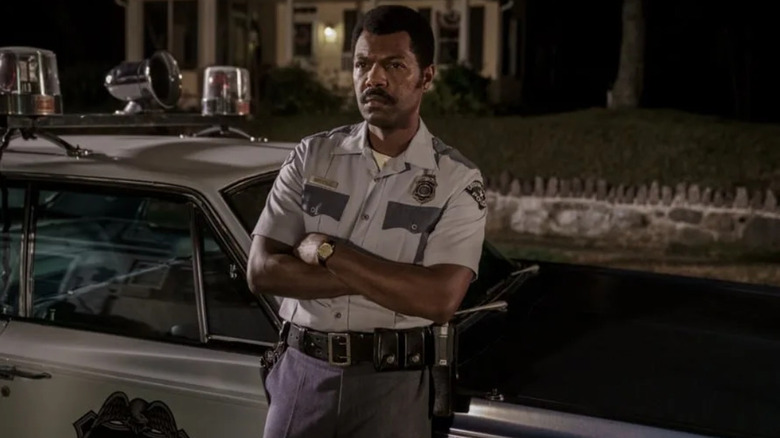
Far from being a standard-issue slasher, the series boasts an ambitious ensemble cast and a multi-layered narrative style. It blends the practical-effects-driven kills of traditional slasher films with the meticulous pacing of a crime procedural—led by William Catlett as Sheriff Levon Brooks—and the deep psychological excavation of a prestige drama.
Key Series Details:
- Platform: Peacock
- Release Date: October 15, 2026
- Showrunner: Brad Caleb Kane
- Cast: Linda Cardellini (Pamela Voorhees), Callum Vinson (Jason Voorhees), William Catlett (Sheriff Levon Brooks), Gwendolyn Sundstrom (Grace).
- Format: 8-episode limited series / prestige horror-drama.
- Critical Reception: Highly favorable, drawing comparisons to Noah Hawley’s top-tier television output.
Chronology: Shifting Timelines and Cultural History
To understand the scope of Crystal Lake, critics and fans must look at how the production team handled the franchise’s notoriously loose continuity. Purists might initially balk at the timeline adjustments—most notably moving Jason’s drowning from the late 1950s to the dawn of the 1970s. However, shifting the timeline was a deliberate creative choice rather than a continuity error.
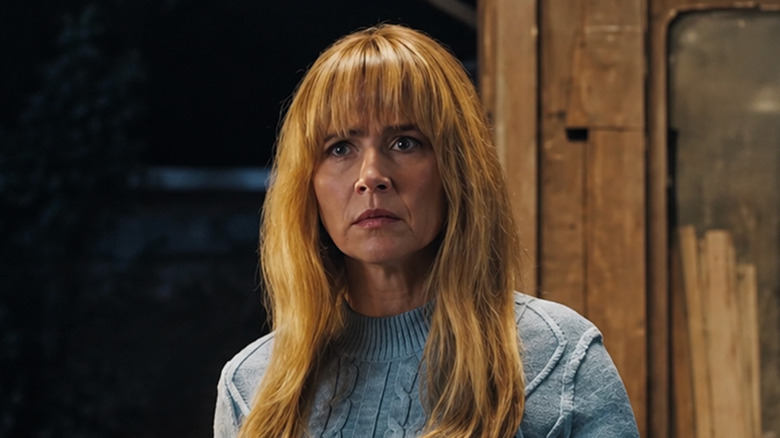
By rolling the calendar back to the early 1970s, showrunner Brad Caleb Kane taps into the dying days of the sexual revolution, placing Pamela Voorhees dead center in an era defined by permissive "free love" and emerging self-help fads. This setting acts as an acid bath on Pamela’s fragile psyche.
Chronological and Thematic Evolution:
- The 1980 Status Quo: The original Friday the 13th introduced Pamela Voorhees as a sudden, shocking twist, prioritizing immediate slasher thrills over deep psychological backstory.
- The Decades of Jason: For 46 years, sequels focused almost exclusively on Jason, shifting the timeline forward and backward with little regard for strict internal logic (as seen when 1988’s The New Blood leaned into late-90s aesthetics).
- The 2026 Crystal Lake Pivot: Kane and his collaborators look at American cultural history through a horror lens, treating the era’s societal shifts with the same incisive gravity that It: Welcome to Derry applied to its source material. The series utilizes a tapestry of cinematic styles—echoing Frank and Eleanor Perry movies, 1970s conspiracy thrillers, and small-town cop dramas—to ground the camp’s bloody history in real-world trauma.
Supporting Data: Blending Genres and Cinematic Styles
One of the most surprising elements of Crystal Lake is how seamlessly it marries disparate television genres. Viewers hesitant that a prestige-leaning prequel might shortchange the blood and gore are quickly put at ease. While the series drops the extended, cat-and-mouse stalking sequences found in the feature films, it reliably delivers at least one grisly, practical-effects-fueled kill per hour.
Genre Breakdown within Crystal Lake:
- The Slasher Element: Practical effects and sudden acts of violence maintain a vital connection to the franchise’s roots, ensuring long-time fans get their adrenaline fix.
- The Procedural Thread: William Catlett commands the screen as Sheriff Levon Brooks, driving a compelling investigation into mounting bodies that point directly toward Mrs. Voorhees.
- The Psychodrama: Deep psychological mysteries unpack the symbiotic, fractured relationship between Pamela and Jason, elevating the narrative to heights rarely seen in horror television.
- Ensemble Subplots: Storylines involving Jason’s socially awkward camp friend, Grace (Gwendolyn Sundstrom), and the interpersonal soap opera drama of local townsfolk add rich texture to the community living in the shadow of the lake.
Official Responses and Creative Intent
The critical consensus surrounding Crystal Lake centers heavily on Linda Cardellini’s career-best work as Pamela. Unlike Betsy Palmer’s portrayal—which leaned intensely into bitter, sharp-edged madness—Cardellini adopts a more vulnerable, relatable approach. She plants seeds of trauma that make the character’s eventual descent into murder feel both tragic and inevitable.
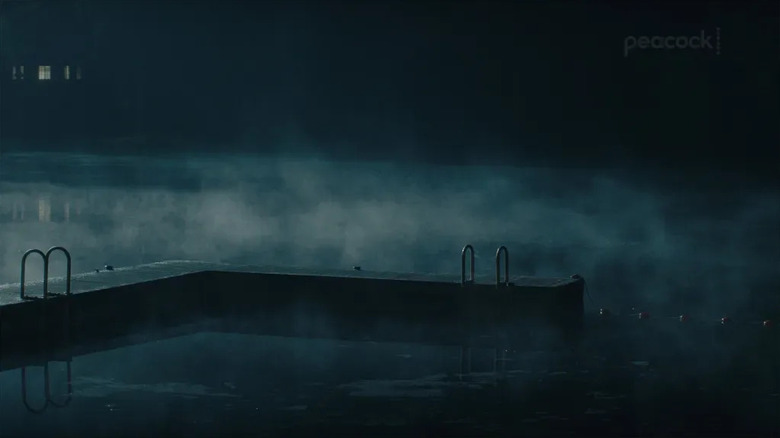
Showrunner Brad Caleb Kane and Cardellini both recognized the importance of treating Pamela not as an unrepentant monster (a la Freddy Krueger or Chucky), but as a victim-turned-dark avenger. This philosophy aligns with the historical subtext of the Friday the 13th franchise, which has always positioned its killers as products of systemic institutional and societal failures.
Furthermore, the show serves as a subtle meta-commentary on how society treats female victimization. Film historians will recall how critic Gene Siskel famously despised Betsy Palmer’s casting in the 1980 original—viewing it as beneath a respected actress—to the point of publicizing her hometown. Crystal Lake confronts this historical baggage head-on, giving a legendary character the profound depth she was denied for nearly half a century.
Implications: What Crystal Lake Means for the Future of Horror TV
The arrival of Crystal Lake acts as a Rorschach test for the horror community. For traditionalists who believe Friday the 13th should strictly adhere to Jason slaughtering teenagers in the woods, the show’s sprawling, character-driven narrative may feel unconventional. However, for audiences who appreciate the franchise’s wild evolution—stretching from drowned boy to undead mass murderer, and eventually to space-faring threats—the series proves that the property is far from a one-trick pony.
Broader Industry Takeaways:
- IP Expansion Done Right: By stepping away from the predictable formula and exploring the why rather than just the how, Peacock has proven that legacy horror properties can thrive as prestige television.
- Elevating Supporting Characters: The success of Crystal Lake sets a new benchmark for mining minor or twist-reveal characters from classic horror cinema and expanding them into complex, multi-season studies.
- Bridging Fanbases: The series successfully bridges the gap between hardcore horror aficionados and casual prestige-TV viewers, potentially onboarding an entirely new generation of fans to the Camp Crystal Lake lore.
Ultimately, Crystal Lake succeeds wildly because it refuses to treat its source material as mere fast-food horror. By transforming Pamela Voorhees from a trivia-night answer into a fully realized, deeply tragic human being, the series anchors itself as the premier horror television event of 2026.
