
The Cost of Creativity: Fujifilm Price Hikes Signal a Global Shift in Imaging Economics
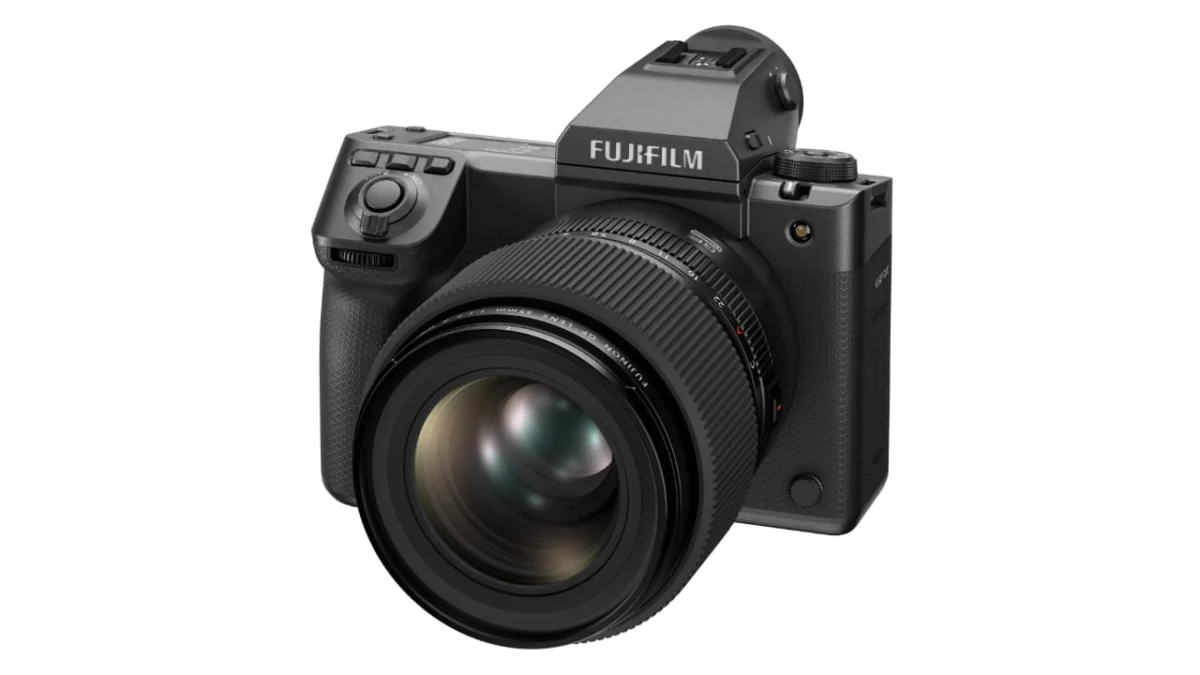
The photography industry is currently navigating a period of unprecedented volatility. As of October 1, 2024, Fujifilm Japan has officially implemented a sweeping price increase across its entire imaging portfolio, with adjustments ranging from 6% to 23%. This move, which impacts everything from the high-end GFX medium-format series to the popular instax instant film line, represents a significant recalibration of the market. While Fujifilm cites unavoidable macroeconomic pressures, the decision has sent ripples of concern through the global creative community, raising questions about whether this is an isolated corporate adjustment or the beginning of a broader, industry-wide trend toward higher costs for consumers.
The Anatomy of the Increase: What Changed?
Fujifilm’s latest pricing strategy is comprehensive, touching almost every facet of its current hardware ecosystem. The price adjustments were not gradual; they were abrupt. Issued on September 30 with an effective date of October 1, the announcement left little room for consumers to preemptively secure gear at legacy prices.
Digital Camera and Lens Adjustments
The digital imaging sector has seen price hikes ranging from 6% to 15%. Notable models affected by these changes include the flagship GFX100 II, the GFX100S II, and the GFX100RF. On the X-series side, the popular X-T50 (both body-only and the XC15-45mm lens kit) and the X-E5 have seen significant markups. Perhaps most notably, the X100VI—a camera that has already been plagued by massive supply shortages and high demand—is seeing its price climb, further complicating its already turbulent market status. Reports from the Japanese market indicate that the high-end GFX100 II is bearing the brunt of the adjustment, hitting the 15% ceiling.
The Instax Factor
While digital cameras are feeling the squeeze, the instax range is seeing even steeper increases, with some products rising by up to 23%. This is particularly significant given that instax is a volume-driven product line for Fujifilm, often marketed toward younger, budget-conscious creators. The drastic nature of these hikes suggests that the costs of silver-halide manufacturing—the backbone of instant film—have become increasingly difficult for the company to subsidize.
A Chronology of Rising Costs
To understand why Fujifilm is acting now, one must look at the timeline of the last eighteen months. The pressure on imaging manufacturers has been building, moving through regions in waves.
- Early 2024: Global logistics and semiconductor supply chains began to show signs of renewed stress. While the immediate post-pandemic chaos had subsided, new "hidden" costs—specifically regarding specialized AI-driven memory chips—began to emerge.
- Summer 2024 (Europe): Fujifilm quietly initiated price adjustments across the European market. By the end of the summer, consumers in the EU were already paying between 6% and 11% more for their gear. The GFX100 II, for instance, saw a price increase of approximately €500 compared to July.
- Late September 2024: Fujifilm Japan issues its official statement, confirming that domestic prices would rise to match the global economic reality, effective October 1.
- The Current Landscape: As of late 2024, the United States remains the wildcard. While U.S. prices have remained relatively stable since the mid-2025 tariff-related spikes, the possibility of a secondary, supply-chain-driven increase looms large.
The Economic Drivers: Why Now?
Fujifilm’s official statement is characteristically transparent yet sobering. The company noted that it had spent months attempting to absorb rising component, manufacturing, and logistics costs through internal efficiency programs and reduced operational overhead.
"We have been trying to absorb costs by improving production efficiency and reducing costs," the company stated in a translated release. "However, it has become difficult to absorb these increases with corporate efforts alone."
The "RAMageddon" Effect
The primary culprit behind this industry-wide strain is the scarcity of high-performance memory components. Often dubbed "RAMageddon" by industry analysts, the race for AI-capable chips has crowded out consumer electronics manufacturers. As tech giants prioritize massive data centers for generative AI, the available supply of chips for cameras, sensors, and processing engines has dwindled.
Furthermore, the silver market has become increasingly volatile. As an essential component for the chemical-based instax instant film process, the rising cost of silver—driven by industrial demand in solar panels and electronics—has forced Fujifilm to pass the cost to the consumer to maintain the viability of the instax division.
Regional Implications: A Cascading Problem?
The geography of pricing in the camera industry is a complex web of trade policy and regional market maturity.
Europe: The New Normal
In Europe, the price hikes are already baked into the market. The X100VI, which launched at €1,799, is now retailing at €1,999. More concerning than the price, however, is the availability. Demand for the X100 series remains so high that even at elevated prices, the cameras are effectively sold out at most major retailers.
The United States: A Tense Standby
The U.S. market is in a unique position. Having already absorbed significant cost increases due to trade tariffs implemented during the previous administration’s trade disputes, the base price of gear in the U.S. is already higher than in many other regions. Whether the current Japanese price hikes will trigger a "second wave" of increases in the U.S. remains the subject of intense speculation among industry analysts. If Fujifilm determines that the current margins are unsustainable, a U.S. increase may be inevitable, regardless of the tariff situation.
The Second-Hand Market: An Indicator of Scarcity
The secondary market serves as a canary in the coal mine. When brand-new products are listed with backorders extending into late 2026—as is the case with the X100VI—the second-hand market prices often detach from reality. Currently, some X100VI units are trading for over $2,000 on the resale market, comfortably exceeding the new, increased MSRP. This confirms that the issue is not just cost, but a fundamental mismatch between supply and demand that price increases have yet to resolve.
The Broader Industry Outlook
Fujifilm is not alone in its predicament. In recent quarterly earnings calls, giants including Canon, GoPro, Leica, Nikon, and Sony have all sounded similar alarms. The common thread is the exhaustion of pre-purchased memory stockpiles.
Most manufacturers strategically purchased memory chips in bulk to hedge against inflation earlier in the year. As these reserves are depleted, companies are forced to buy new stock at current, inflated market prices. As the resolution to the global memory crisis continues to be delayed, it is highly probable that we will see a cascading effect across the entire camera market.
Conclusion: The New Economic Reality for Photographers
For the professional photographer and the enthusiast alike, the era of stable camera pricing appears to be on an indefinite hiatus. The convergence of AI-driven chip competition, raw material volatility, and global logistical pressure has created a "perfect storm" that is forcing manufacturers to prioritize their bottom lines.
While the price of a camera body or a lens is only one factor in the overall cost of content creation, the cumulative effect of these hikes is non-trivial. As we look toward 2025, the industry expectation is that prices will likely stay at their new, higher levels. Consumers should prepare for a market where "flagship" pricing is increasingly normalized, and where the scarcity of high-demand items will continue to influence market value long after the initial transaction.
For now, the advice to those eyeing a new camera system is clear: if the tool is essential for your craft and it is currently in stock, waiting for a price correction may prove to be a losing strategy in the current economic climate. The market has shifted, and the cost of creativity is, for the time being, on the rise.
