
The Web-Slinger’s Lost Origin: Unearthing Spider-Man’s Forgotten Stage Debut
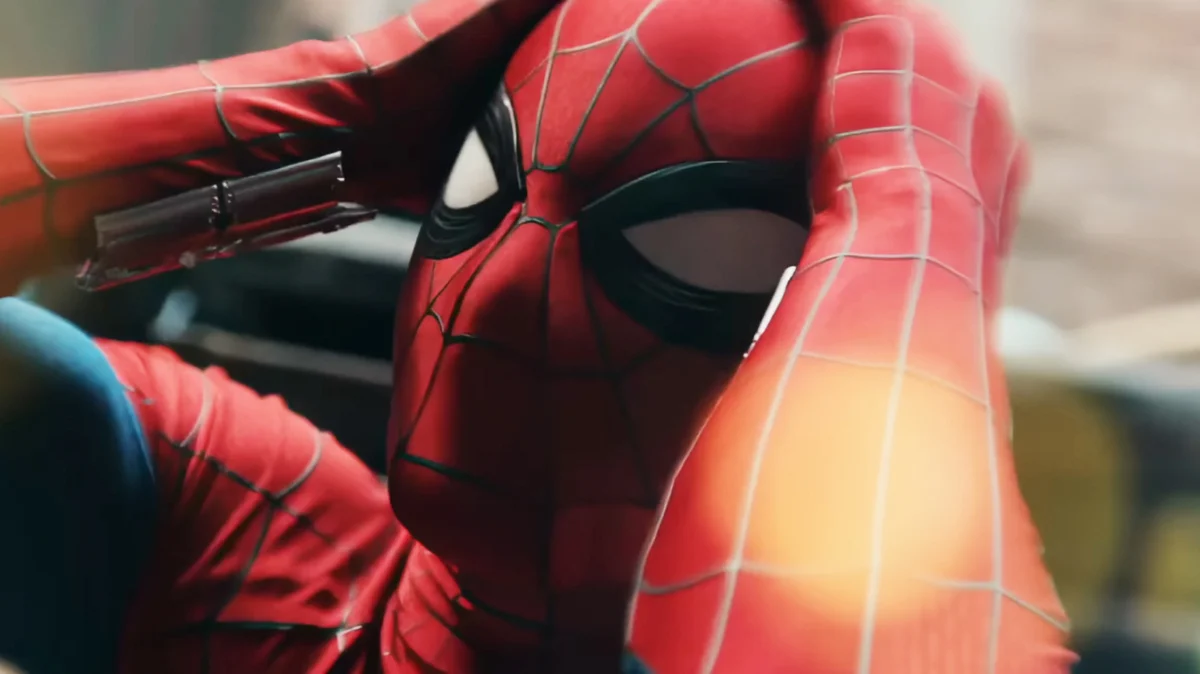
For the modern cinema-goer, the lineage of live-action Spider-Man is clear and well-documented. It begins with the swashbuckling acrobatics of Tom Holland, traces back through the brooding intensity of Andrew Garfield and the earnest charm of Tobey Maguire, and touches upon the campy 1970s television efforts of Nicholas Hammond. However, deep within the annals of pop culture history lies a bizarre, largely forgotten chapter that predates all of these. Before Peter Parker graced the silver screen or starred in his own educational TV segments, he was a stage performer—specifically, a guest star in a traveling variety act that felt more like a fever dream than a superhero epic.
The Chronology of a Wall-Crawling Mystery
To understand the rarity of this discovery, one must look at the timeline of Spider-Man’s early media presence. Created by Stan Lee and Steve Ditko, the character made his debut in Amazing Fantasy #15 in August 1962. His first leap into motion media was the 1967 animated series, which solidified his visual identity in the public consciousness.
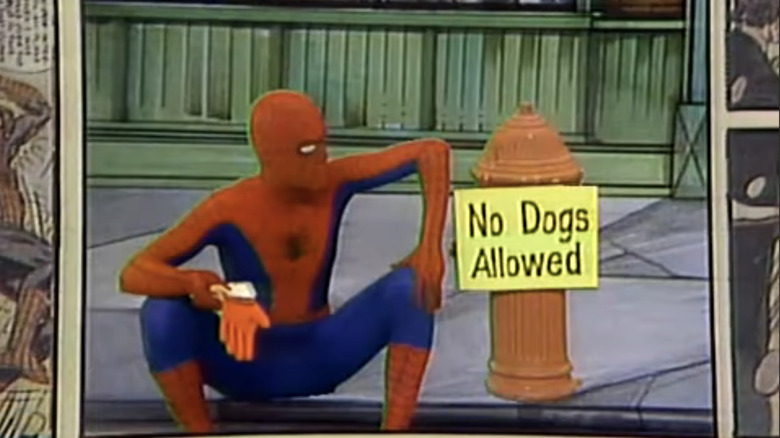
For years, pop culture historians operated under the assumption that the "Spidey Super Stories" skits from The Electric Company (1974–1975) served as the inaugural live-action appearance of the character. In those segments, puppeteer Danny Seagren donned a rudimentary costume, famously never removing his mask. It was an iconic piece of children’s television history. Yet, evidence has surfaced indicating that two years prior, in 1972, an obscure stage production titled The Bullwinkle Show featured a live-action Spider-Man, officially claiming the title of the character’s first non-animated, non-comic book adaptation.
The Bullwinkle Show: A Surreal Spectacle
The existence of this production, while bordering on urban legend, is corroborated by archival materials and the testimony of those who witnessed it. According to documentation preserved on the archival site Tellshiar, The Bullwinkle Show was a traveling variety act that bundled together disparate intellectual properties. The roster of characters was, by any modern standard, hallucinogenic.
Advertisements and flyers from the 1972 tour depict Rocky the Flying Squirrel and Bullwinkle J. Moose alongside a motley crew of licensed characters, including Tom and Jerry, Deputy Dawg, King Kong, and, most inexplicably, Count Dracula. Amidst this eclectic ensemble stood a costumed Spider-Man.
The Narrative of the Bizarre
According to contemporary newspaper reports, the plot of this stage show was as disjointed as its cast. In one particular iteration, the narrative revolved around Count Dracula stealing Rocky the Squirrel’s stash of nuts. The climax of the production reportedly involved the intervention of the wall-crawler, who would swing onto the stage in the final moments to ensnare the vampire in his web.
The description of the character becoming "frighteningly alive" on stage has been cited in notes regarding the show’s legacy. For children who had only seen Spidey in static comic panels or the flat animation of the 1967 series, seeing a physical, three-dimensional person in a Spider-Man suit in 1972 was an event of singular—if somewhat jarring—significance.
Supporting Data and First-Hand Accounts
The quest to identify the performer behind the mask in The Bullwinkle Show remains an ongoing project for Marvel historians. Because the production was a regional, low-budget traveling act, records of cast members were rarely preserved with the level of scrutiny afforded to major Hollywood productions.
Witnessing the Web-Slinger
Bruce Wechtenhiser, who operates the site Spideyandme.com, provides perhaps the most credible first-hand account of the phenomenon. Having attended a performance of The Bullwinkle Show as an eight-year-old in Johnstown, Pennsylvania, Wechtenhiser recalls the experience with vivid clarity. He describes the show as a two-act performance where the tension built toward a grand finale featuring the superhero’s unexpected arrival.
"The performance was split into two acts," Wechtenhiser noted in a recent discussion. "Spidey appeared during the last couple of minutes and captured Dracula in his web!" This anecdote matches the narrative beats found in regional newspaper clippings, which detail the tour’s progress through various American cities.
The Costume Conundrum
One of the most unsettling aspects of this historical footnote is the aesthetic quality of the production. Photographs recovered from social media archives and collectors’ groups show costumes that evoke a "uncanny valley" response. The Spider-Man suit, while recognizable, lacked the polished cinematic quality of later iterations. It was a utilitarian, fabric-heavy garment that looked more like a Halloween costume than the high-tech, reinforced suits worn by modern actors. This rawness is exactly what gives the 1972 production its "fever dream" reputation.
The Evolution of the Spider-Man Brand
The existence of this stage show highlights the experimental era of comic book licensing. In the early 1970s, Marvel Comics was still solidifying its position as a pop culture titan. Licensing deals were often fast, loose, and focused on immediate retail or event-based appeal rather than long-term brand management.
By the time The Electric Company brought Spidey to PBS, the strategy had shifted. The Spidey Super Stories were designed for education, intentionally keeping the character in a mask to emphasize the hero’s relatable, everyman nature—a stark contrast to the chaotic, Dracula-fighting version of the character that preceded it in the traveling stage show.
Implications for Pop Culture History
Why does this matter? For the casual fan, it might seem like a triviality. However, for historians of the medium, the 1972 Bullwinkle Show Spider-Man represents the "Wild West" era of character development. It serves as a reminder that the characters we view today as monolithic corporate assets once existed in a space of creative ambiguity.
The "Lost" Performer
The identity of the person (or persons) who played Spider-Man in The Bullwinkle Show remains the "Holy Grail" of Spider-Man trivia. Was it a local stunt performer? An aspiring actor from Ohio University, like the man who played Dracula? The anonymity of the performer is, in a way, fitting for a character whose central theme is the importance of the mask. By remaining nameless, the 1972 performer embodies the pure concept of the character—an anonymous hero appearing out of nowhere to save the day, even if that day involved squirrels and vampires.
The Legacy of the Stage
While this production did not lead to a Spider-Man stage revolution, it technically set a precedent for the eventual, albeit vastly different, Spider-Man: Turn Off the Dark Broadway musical. While the two productions share nothing in terms of budget or prestige, they both highlight the persistent desire to bring the wall-crawler into the three-dimensional, physical space of live theater.
Conclusion
The story of the 1972 Bullwinkle Show Spider-Man is a poignant reminder that history is rarely a straight line. Between the golden age of comic books and the dawn of the blockbuster superhero era, there was a period of bizarre, grassroots experimentation. Spider-Man’s first steps into the live-action world weren’t made on a Hollywood soundstage, but in a touring variety show, wrestling with a vampire, and capturing the imaginations of children who had no idea they were witnessing a historical anomaly.
While we may never fully document every performer who donned that haunted suit, the tale remains a cornerstone of Marvel’s complex, often surreal, and always fascinating history. As we continue to celebrate the sophisticated, multi-million dollar cinematic universes of today, it is worth looking back at the humble, slightly terrifying, and entirely charming roots of the neighborhood hero who started it all on a makeshift stage in Pennsylvania.
