
The Beast of Bovingdon: How ILM Reimagined a Villain for ‘Masters of the Universe’
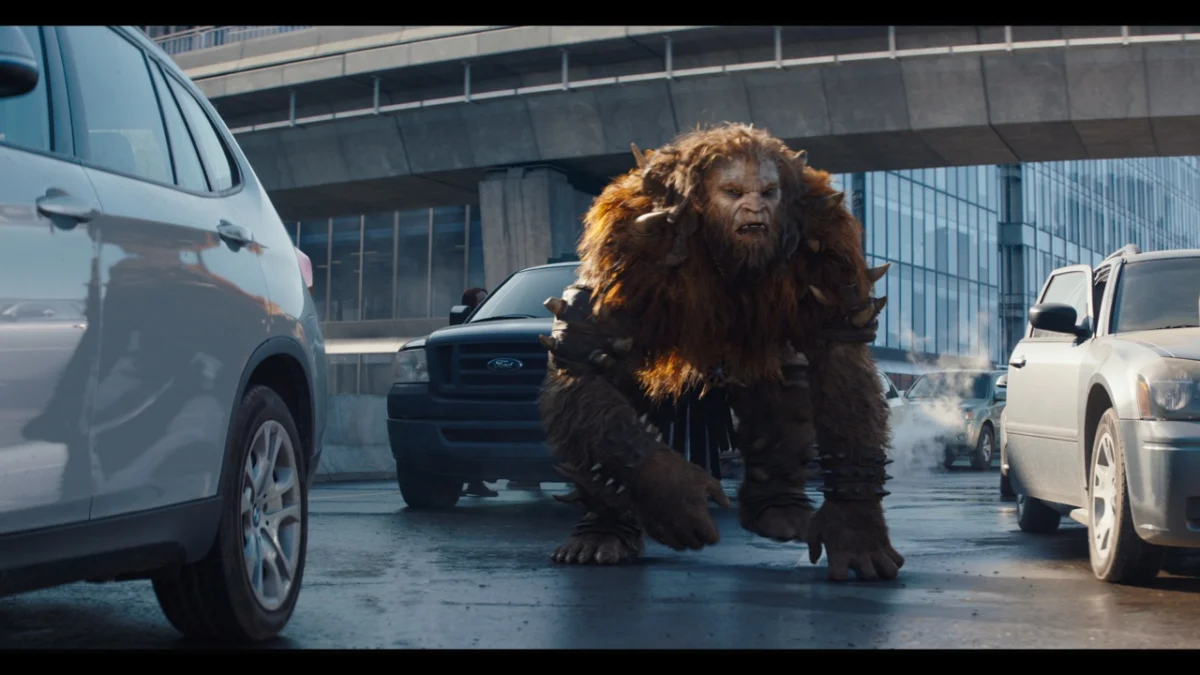
In the realm of modern blockbuster filmmaking, the reliance on motion capture and high-end performance acquisition technology has become an industry standard. Yet, for the latest Masters of the Universe adaptation, the visual effects team at Industrial Light & Magic (ILM) took a deliberate step backward in time. By eschewing contemporary capture suites in favor of traditional, "handmade" artistry, the team successfully brought Skeletor’s fearsome henchman, Beast Man, to life with a visceral, tactile quality that feels both nostalgic and refreshingly modern.
The Genesis of the Beast: From Maquette to Motion
The process of creating Beast Man began not with a high-tech sensor suit, but with the classic tools of creature design: concept art and physical maquettes. The production, guided by the vision of director Travis, leaned heavily on the original source material—the 1980s toys and cartoons—to establish a guiding aesthetic.
ILM’s approach to the character’s anatomy and design was rooted in forensic analysis of toy variants. As ILM’s team lead noted, the question of whether Beast Man’s "fur" was biological or armored was a subject of intense debate. Ultimately, they opted for a design that treated the fur as a distinct, matted layer over hide, paired with individualistic pieces of armor and a dangling medallion.
The creature’s face presented a unique challenge. Rather than using modern facial capture software like Medusa or Anyma, the team reverse-engineered a LiDAR scan of a physical maquette. This scan, which depicted the character in a roar, was pulled into a neutral pose and then manually sculpted into a range of emotional expressions—roaring, snarling, and fearful—to suit the specific narrative beats of the film.
Bridging the Gap: The Bovingdon Backlot
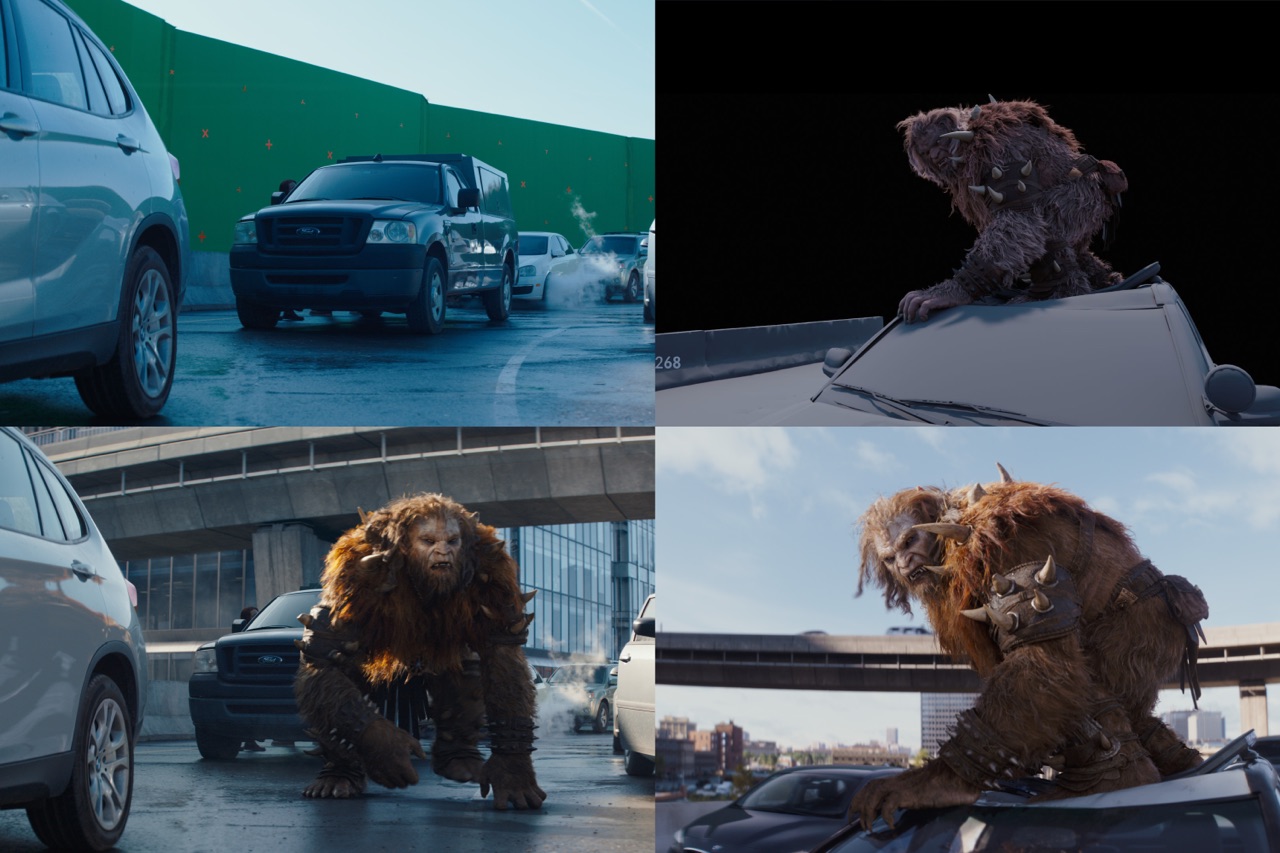
The sequence featuring Beast Man’s assault on Adam and Teela in an Oklahoma City roadway was one of the production’s most complex logistical hurdles. The filming took place at the Bovingdon airfield in the UK, where a former RAF runway served as a blank canvas.
Production designer David Vickery oversaw the transformation of this site. The team laid down tarmac and erected concrete bollards, populating the space with a dozen stationary vehicles to mimic a highway gridlock. While the actors interacted with the physical space, the entirety of the "Oklahoma City" environment—including the surrounding cityscape and background vistas—was entirely digital.

To ensure the environment felt authentic, the team utilized a hybrid of location data. They combined photography and scans from the actual Oklahoma setting with high-rise glass building reference shots from Canary Wharf in London. The result was so seamless that even production insiders were tricked, with some asking what practical sets had been used to achieve such high-fidelity backgrounds.
The "Handmade" VFX Philosophy
The most striking aspect of the Beast Man sequence is the deliberate choice to avoid full-body motion capture. Instead, the performance was primarily achieved through traditional keyframe animation.
"It was like it was the early 2000s," remarked an ILM representative regarding the process. "Beast Man was very handmade."

This philosophy extended to the set. Stunt performer Clayton Grover wore a shoulder mount and an eyeline rig to ensure the actors’ gazes remained locked on the CG creature’s projected height. While roughly 20% of the shots featured physical placeholders, the vast majority of the sequence relied on the animators’ ability to breathe life into the digital model. By relying on keyframing rather than motion capture, the animators were able to lean into a "simian" movement style that felt more animalistic and aggressive than a human performance might have allowed.
Integrating the Environment: A Masterclass in Lighting
Digital environment creation often fails when lighting continuity is ignored, particularly when shooting outdoors. The Bovingdon shoot was subject to the whims of the British weather, ranging from overcast, rainy conditions to harsh, direct sunlight.
To unify these disparate elements, the team employed a rigorous post-production strategy. The team worked closely with David Vickery to "justify" the sun. If the background plate required a specific shadow cast by an off-screen building, the artists meticulously added it. They replaced the cars and road surfaces entirely to ensure that reflections within the digital city matched the lighting conditions of the plate. This level of granular attention ensured that, despite the "kitbashed" nature of the scene’s construction, the final product felt cohesive to the audience.

The Hyperspace Rift: A Nod to 80s Abstraction
Beyond the creature work, ILM was tasked with visualizing the "space-bending" rift that transports Adam and Teela back to Eternia. Drawing inspiration from the "slit-scan" techniques of the 1960s and 70s—specifically the Star Gate sequence in 2001: A Space Odyssey and the original Doctor Who opening—the team sought a look that was both abstract and grounded.
The final effect features rainbow-colored tunnels and trails of light. The production team intentionally integrated "echoes"—ghostly outlines of the ship and the characters within the rift—to provide a sense of scale and visual narrative. According to the production team, the primary directive was saturation and color, pushing the visual language into a vibrant, nostalgic territory that honors the psychedelic, high-fantasy roots of the Masters of the Universe franchise.
Implications for Future Blockbusters
The success of the Beast Man sequence and the hyperspace rift suggests a potential shift in the VFX industry. As audiences grow increasingly fatigued by the uncanny valley effects often associated with heavy reliance on motion capture, the return to "handmade" artistry offers a compelling alternative.

By treating the digital character as a puppet to be animated rather than a captured data set, ILM proved that human artistry remains the most vital tool in a filmmaker’s kit. This project underscores a growing trend of "digital craft"—where modern tools like Unreal Engine are used not to automate the process, but to provide a sandbox for traditional animation techniques.
For fans of the Masters of the Universe franchise, this attention to detail is more than just a technical achievement; it is a validation of the source material. By treating Beast Man not as a technical test, but as a character worthy of nuanced, hand-crafted movement, the team at ILM has ensured that the villain retains the weight and menace required for his cinematic debut.
In an era where the boundary between reality and computer-generated imagery continues to blur, the Masters of the Universe production team has provided a blueprint for future films. By combining the precision of modern data gathering with the soul of old-school animation, they have created something that feels remarkably grounded—a feat that, in the world of high-concept fantasy, is truly heroic.
