
The Master Thief Returns: A Deep Dive Into the High-Stakes World of ‘Lupin’ Part 4
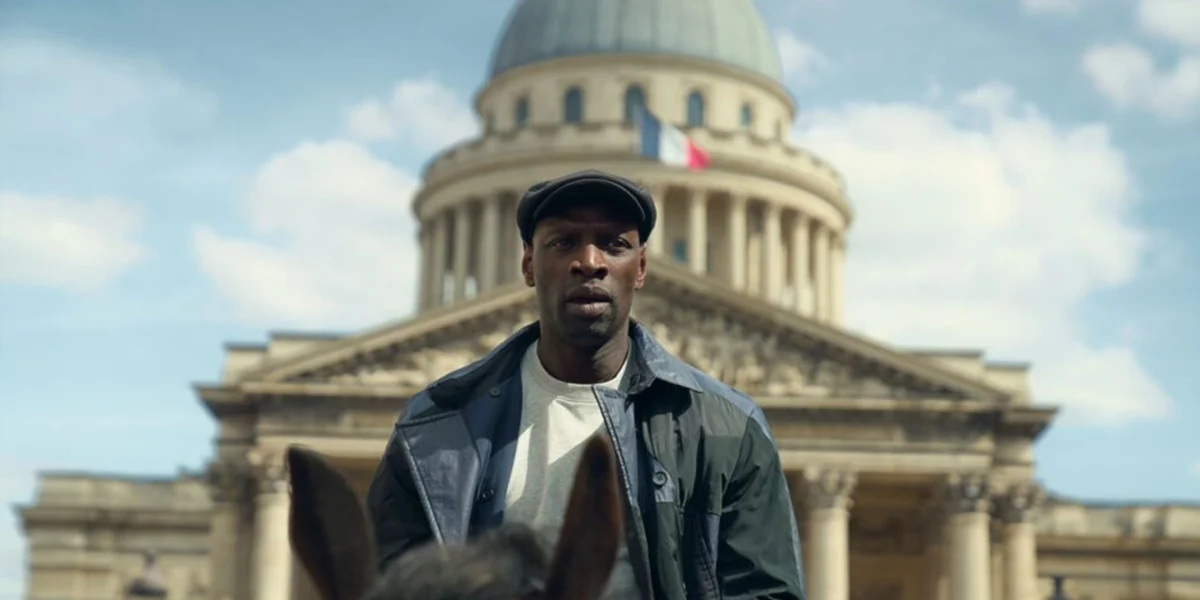
Three years after the gripping conclusion of its third installment, Netflix’s crown jewel of international mystery thrillers, Lupin, has finally returned. The French series, which catapulted to global fame upon its 2021 debut, continues its exploration of the charming, elusive, and morally complex Assane Diop. Created by George Kay and François Uzan, the series serves as a modern-day homage to Maurice Leblanc’s legendary literary gentleman thief, Arsène Lupin. As the show drops its highly anticipated fourth part, fans are eager to see if Omar Sy’s iconic portrayal can once again capture the magic of the series’ early days while navigating a new, increasingly dangerous game of cat-and-mouse.
Main Facts: The Return of the Modern Gentleman Thief
The premise of Lupin remains as compelling as it was in its inaugural season. At its core, the show follows Assane Diop, a man whose life was shattered by the wrongful accusation and subsequent death of his father at the hands of the wealthy and corrupt Pellegrini family. Using the persona of the literary Arsène Lupin, Assane operates in the shadows, employing elaborate disguises, advanced technology, and a razor-sharp intellect to dismantle his enemies and expose systemic injustice.
Part 4 picks up four years after the events of the Part 3 finale. Assane, who voluntarily turned himself in to the authorities to protect his family and bring an end to the "Lupin" saga, has been serving time in a maximum-security prison. As his release date approaches, his hopes for a quiet life with his son, Raoul—now portrayed by Théo Christine—are abruptly shattered. In a cruel twist of fate, a mysterious copycat begins executing impossible heists while framing Assane for the crimes. This development forces the man who has spent a lifetime avoiding the law to confront a new, unknown adversary who possesses a mirror-image skill set.
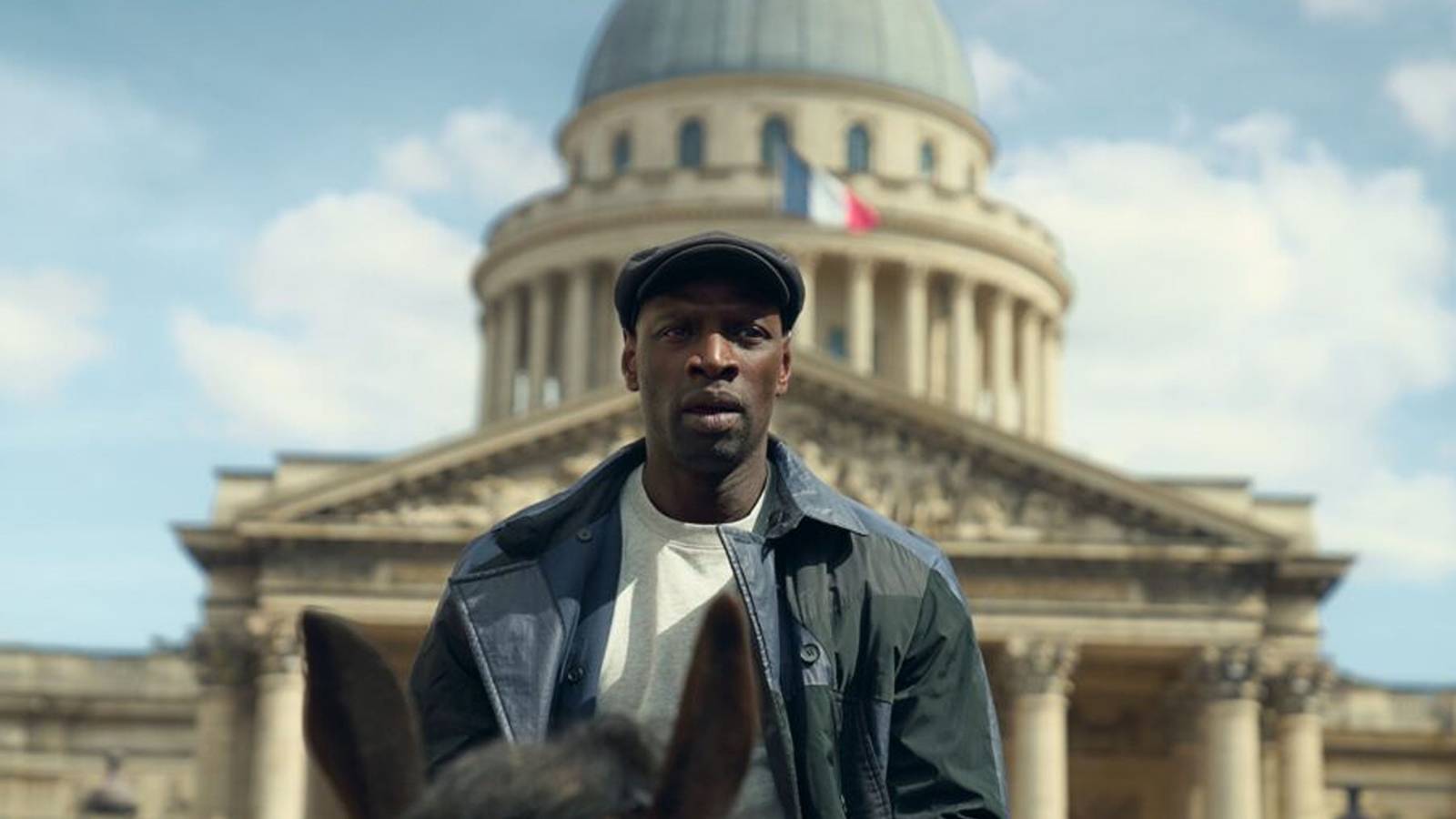
Chronology: From the Louvre to the Prison Cell
To understand the stakes of Part 4, one must revisit the arduous journey Assane has taken since the series began.
The Origins of Revenge (Parts 1 & 2)
The series launched with a bang in 2021, establishing the "Louvre Heist" as a gold standard for television capers. Assane’s initial mission was personal: to steal the Marie Antoinette diamond necklace that had been used to frame his father decades prior. These episodes masterfully interwove the past and present, detailing Assane’s upbringing as an immigrant in Paris and the lessons in literature and stealth he inherited from his father. By the end of Part 2, Assane had successfully exposed Hubert Pellegrini, but at the cost of his anonymity.
The Fugitive (Part 3)
Part 3 shifted the tone toward a high-stakes survival thriller. With his identity known to the world, Assane lived as a fugitive. The narrative became increasingly desperate as he attempted to secure a future for his wife, Claire, and their son, Raoul. The introduction of his estranged mother, Mariama, added a layer of emotional complexity that challenged Assane’s singular focus. The season concluded with a pivotal character arc: Assane realizing that his dual existence as a man and a myth could no longer coexist, leading to his surrender to detective Youssef Guédira.

The Current Landscape (Part 4)
Now, as we enter the fourth installment, the show finds itself in a state of suspended animation. Assane is no longer the predator; he is the prey. The emergence of a new antagonist—one not affiliated with the Pellegrini dynasty—marks a significant pivot in the show’s mythology. The central question for this season is not how Assane will escape the law, but how he will clear his name while confined to the very prison he was trying to leave.
Supporting Data: Why ‘Lupin’ Remains a Global Phenomenon
The sustained success of Lupin is not merely a product of marketing; it is backed by empirical performance data. Since its premiere, Lupin has consistently ranked among the most-watched non-English-language series in Netflix history. Its influence has transcended the screen, creating a tangible impact on pop culture.
In 2025, a year before the release of Part 4, a real-life high-profile burglary at the Louvre involving the theft of French Crown Jewels saw a striking surge in public interest. Observers and media outlets noted that the methodology of the real-world crime bore an uncanny, eerie resemblance to the fictional heist depicted in the series’ pilot. This intersection of fiction and reality has only heightened the anticipation for the new season.
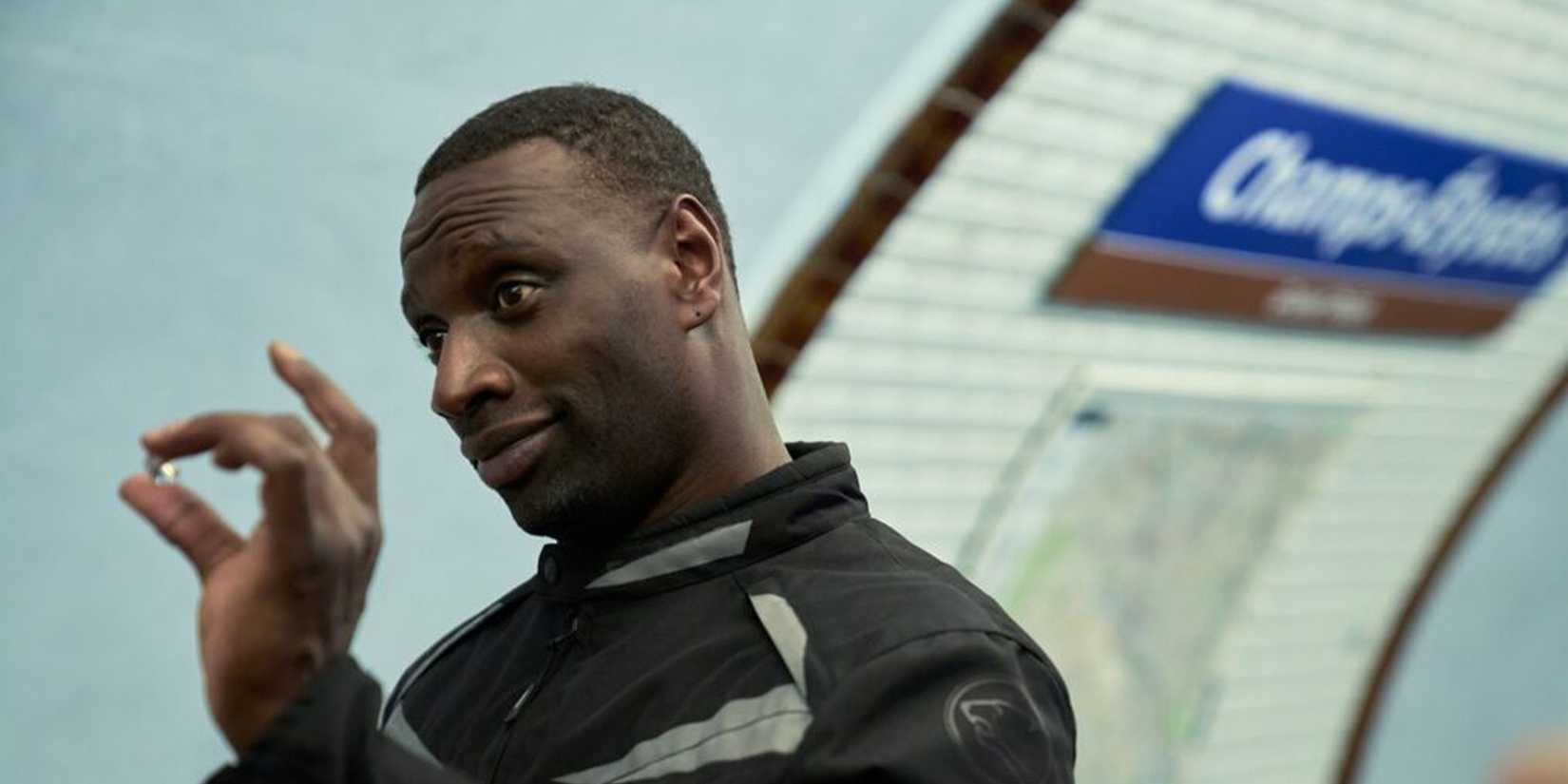
Furthermore, the show’s production values have evolved significantly. While the early episodes relied on the novelty of the "gentleman thief" trope, Part 4 leans into the gritty, atmospheric tension of a procedural thriller. The shift in cinematography and the pacing of the heist sequences suggest a larger budget and a more confident directorial hand, cementing the series as a cornerstone of Netflix’s prestige international programming.
Official Responses and Creative Direction
The production team behind Lupin has been vocal about the necessity of reinventing the show’s structure for its fourth iteration. In recent press statements, showrunners George Kay and François Uzan addressed the challenges of the long hiatus between Part 3 and Part 4.
"The goal was to strip away the crutches of the previous seasons," noted a spokesperson for the production. "We couldn’t rely on the Pellegrini vendetta forever. We needed to test Assane’s intellect against someone who knows his playbook because they are essentially reading from the same book."
Omar Sy, who has been the face of the franchise since its inception, has expressed his excitement regarding the evolution of his character. Sy noted in an interview that this season provides the most significant physical and mental challenge for Assane, as he is forced to operate from a position of absolute disadvantage. The production has also confirmed that the series will continue to focus on the themes of fatherhood and the immigrant experience in France, grounding the high-octane action in emotional reality.
Implications: The Future of the Franchise
The premiere of Part 4 brings with it several critical implications for the future of the series.
1. The "Copycat" Narrative Device
By introducing an antagonist who mimics Assane’s methods, the writers have created a "mirror" villain. This device is a classic trope in detective fiction, but in Lupin, it serves a deeper narrative purpose: it forces Assane to evaluate the morality of his own actions. If his "thief" persona is being used to commit crimes, does he bear the responsibility for the chaos that ensues? This ethical dilemma is expected to be a major driving force for the season.
2. The Legacy of the "Gentleman Thief"
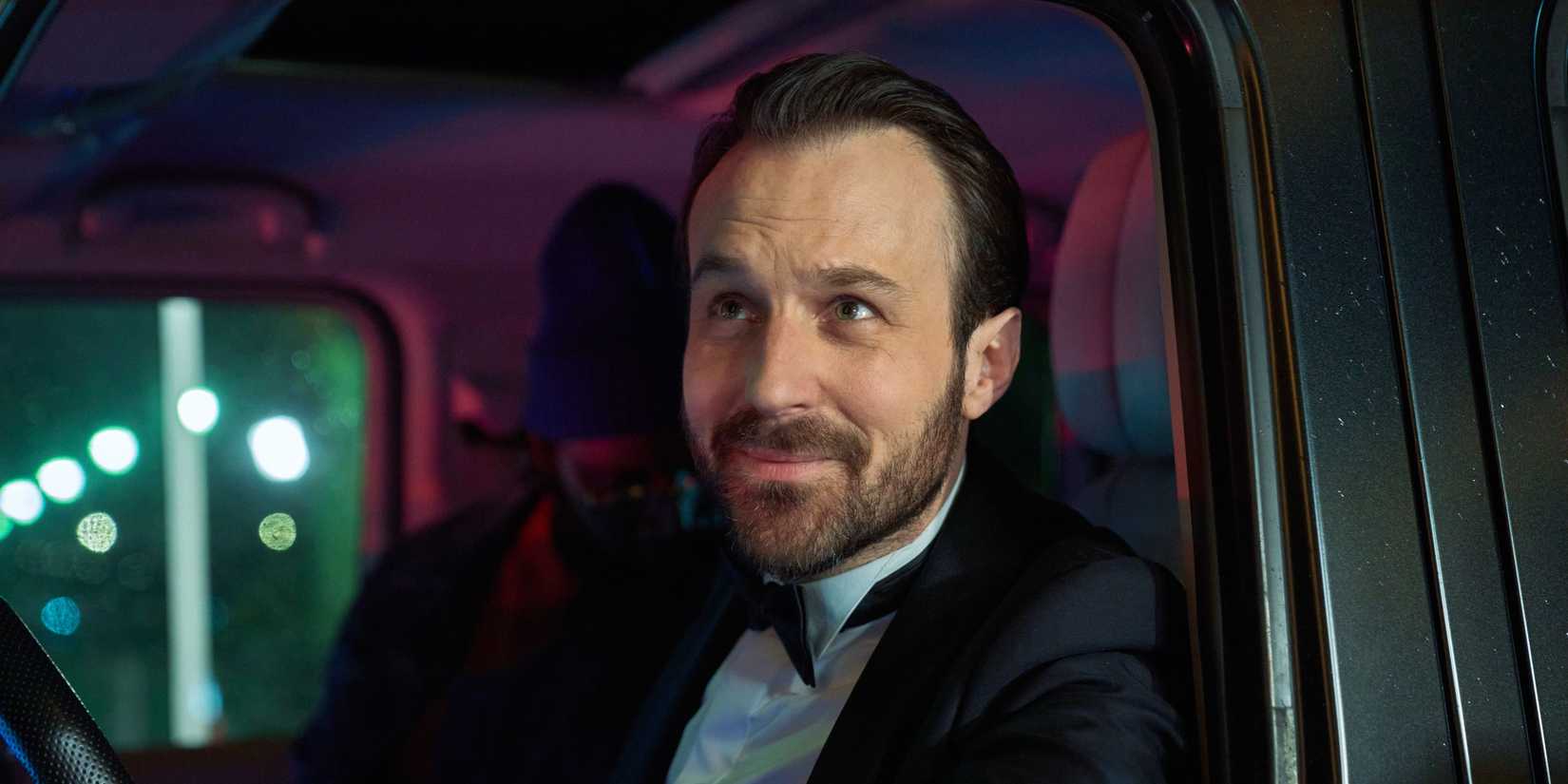
There is a growing concern among the fanbase regarding the show’s longevity. With Assane now in a state of semi-retirement or legal purgatory, the question arises: can the show survive without its primary thief operating in the open? The critical consensus on the first episode suggests that the show is successfully pivoting toward a more ensemble-based dynamic, with characters like Benjamin Férel taking on more active roles in the narrative.
3. Addressing the "Gaps"
One of the most significant hurdles for Part 4 is the three-year gap. Many viewers may find the intricate web of previous relationships and plot threads difficult to parse. To mitigate this, the writers have focused on a "soft reset" style of storytelling. While the history is acknowledged, the primary mystery of the copycat provides a fresh jumping-off point for new viewers, while rewarding loyal fans with subtle callbacks to the earlier seasons.
Conclusion: Is the Magic Still There?
As Lupin Part 4 hits the screens this October, the verdict from early analysis is overwhelmingly positive. The show has managed to maintain its signature blend of "cool" factor—led by Omar Sy’s magnetic charisma—and high-stakes tension. While it faces the inherent challenges of any long-running series, such as audience fatigue and the need for narrative evolution, Lupin remains a triumph of modern television.

The action-driven roots that made the first season a global phenomenon are clearly visible, but they are now tempered with a darker, more mature tone. By moving away from the cyclical revenge plots of the past and into a more nuanced mystery, the creative team has ensured that Lupin remains relevant. For those who have followed Assane Diop from his first heist in the Louvre to his current struggle behind bars, this season is not just a return to form; it is a testament to the enduring appeal of the gentleman thief.
Whether or not this marks the final chapter for Assane, the legacy of the show is secure. It has redefined what a non-English language series can achieve on a global stage, proving that the language of suspense, charm, and a well-executed heist is truly universal. As the credits roll on the first episode of Part 4, one thing is certain: we are still under the spell of the man who stole our hearts.
