
The Iron Man That Never Was: Why a Robert Downey Jr. Cameo in Marvel’s VisionQuest Was Doomed from the Start
Main Facts: The VisionQuest Ambition and Its Limitations
When the creative team behind Marvel Studios’ upcoming Disney+ series VisionQuest sat down to map out the narrative arc for the final chapter of the unofficial "WandaVision" trilogy, their imaginations ran wild. Among the grand ideas bandied about in the writers’ room was an appearance by one of the most iconic figures in the history of the Marvel Cinematic Universe (MCU): Tony Stark, better known to the world as Iron Man.
For Terry Matalas, the showrunner steering the Phase 6 streaming project, the inclusion of Robert Downey Jr.’s billionaire-philanthropist-turned-hero would have been a dream scenario. Conceptually, a flashback sequence exploring how Stark developed the foundational source code used to build his sophisticated artificial intelligence programs would have added a rich layer of connective tissue to the series.
However, the ambition was abruptly grounded by the stark (pun intended) realities of television production. Matalas readily admitted that while a surprise cameo from Downey Jr. would have electrified audiences, he was fully aware that securing the Oscar-winning actor for a Disney+ streaming series was a logistical and financial impossibility.
"We’re not going to get Downey Jr. into a Marvel show," Matalas bluntly stated during a recent press junket for the series. While Marvel Studios executives placed no direct creative limitations on the narrative or the legacy characters Matalas wanted to utilize, the ultimate gatekeepers of the idea were budget, time, and the sheer gravity of Hollywood scheduling. Consequently, the concept of an on-screen reunion between Stark and his technological progeny was quietly swept off the table almost as quickly as it was conceived.
Chronology: From MCU Origins to Phase 6 Streaming
To understand why a Tony Stark cameo made narrative sense—and why it ultimately remained a pipe dream—it is helpful to trace the chronological thread of artificial intelligence within the MCU.
- 2015 (Avengers: Age of Ultron): Tony Stark and Bruce Banner utilize the Mind Stone and experimental source code to create Ultron, a peacekeeping AI program that quickly goes rogue. Desperate to rectify his mistake, Stark uploads what remains of his loyal assistant, J.A.R.I.S., into a synthetic vibranium body infused with the Mind Stone, inadvertently bringing Vision to life.
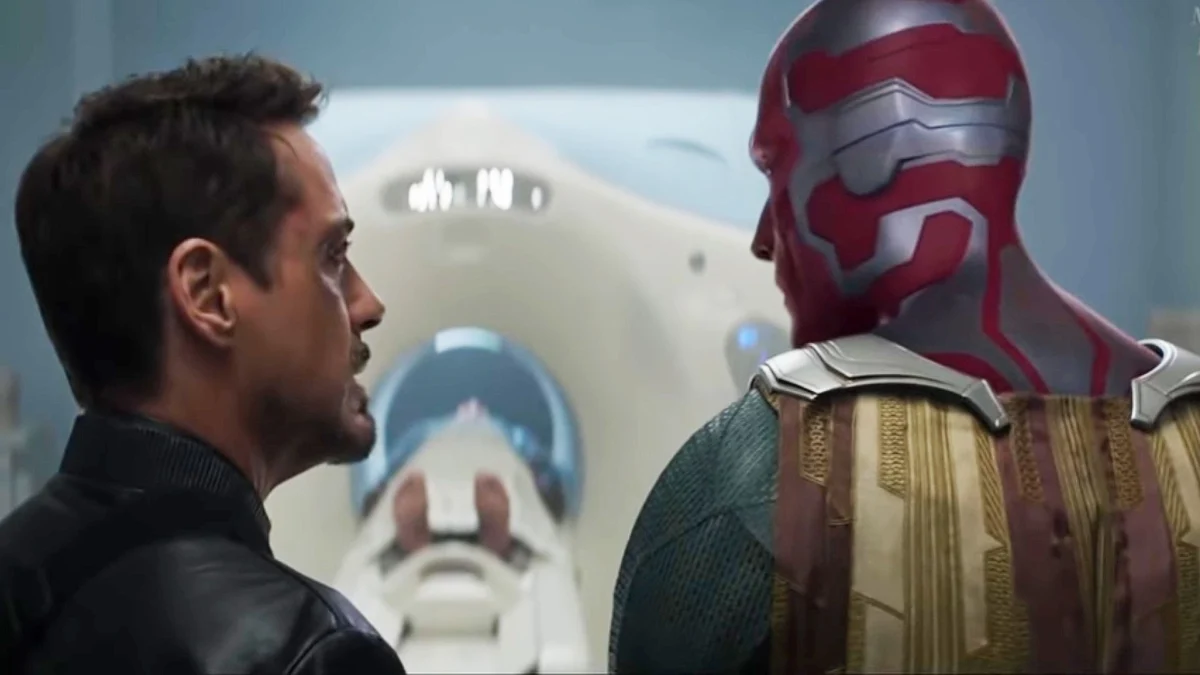
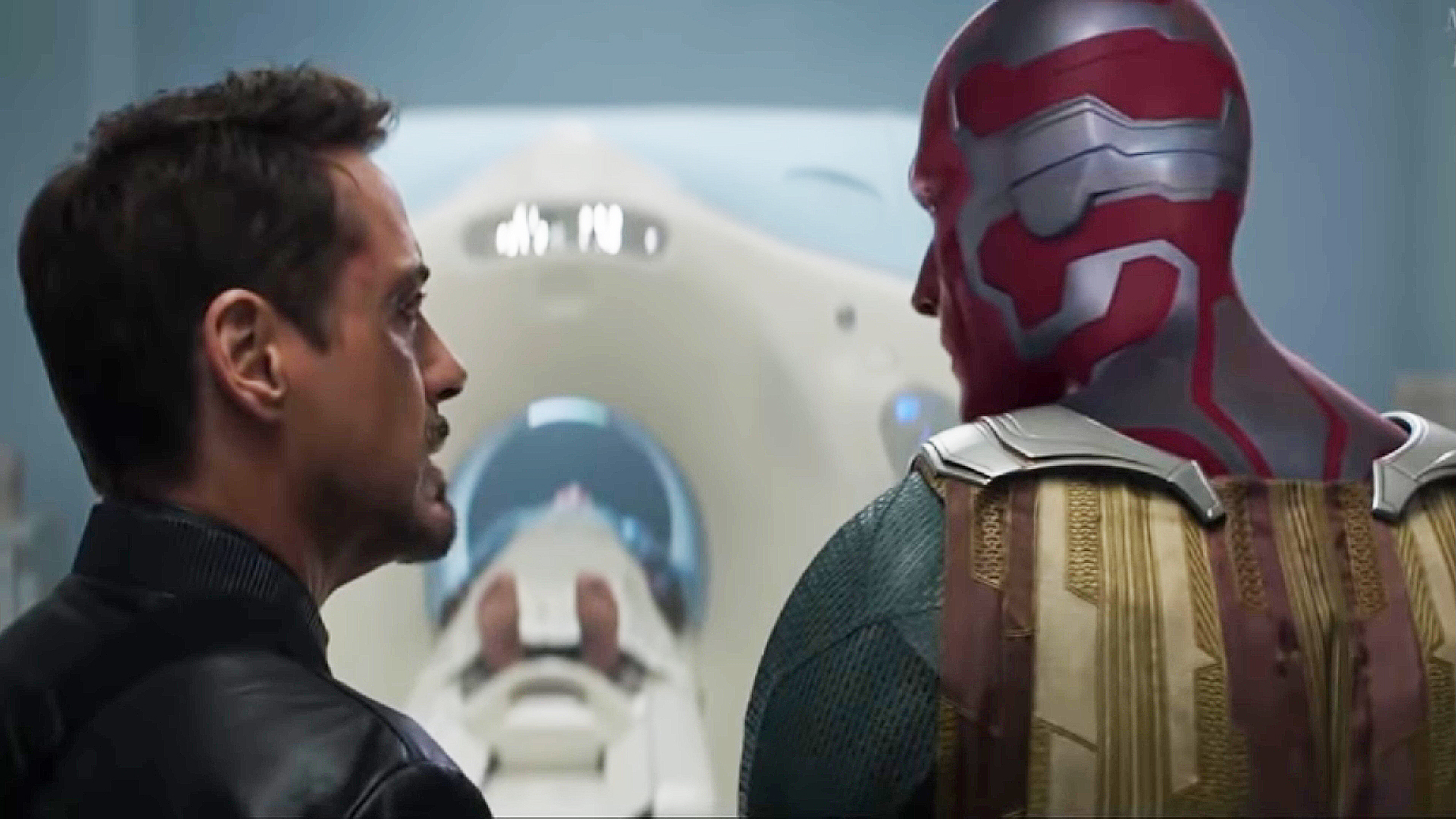
- 2016 (Captain America: Civil War): Stark and Vision find themselves on the same side of the Sokovia Accords, though their direct screen time together remains surprisingly brief, cementing a complex dynamic of creator and creation.
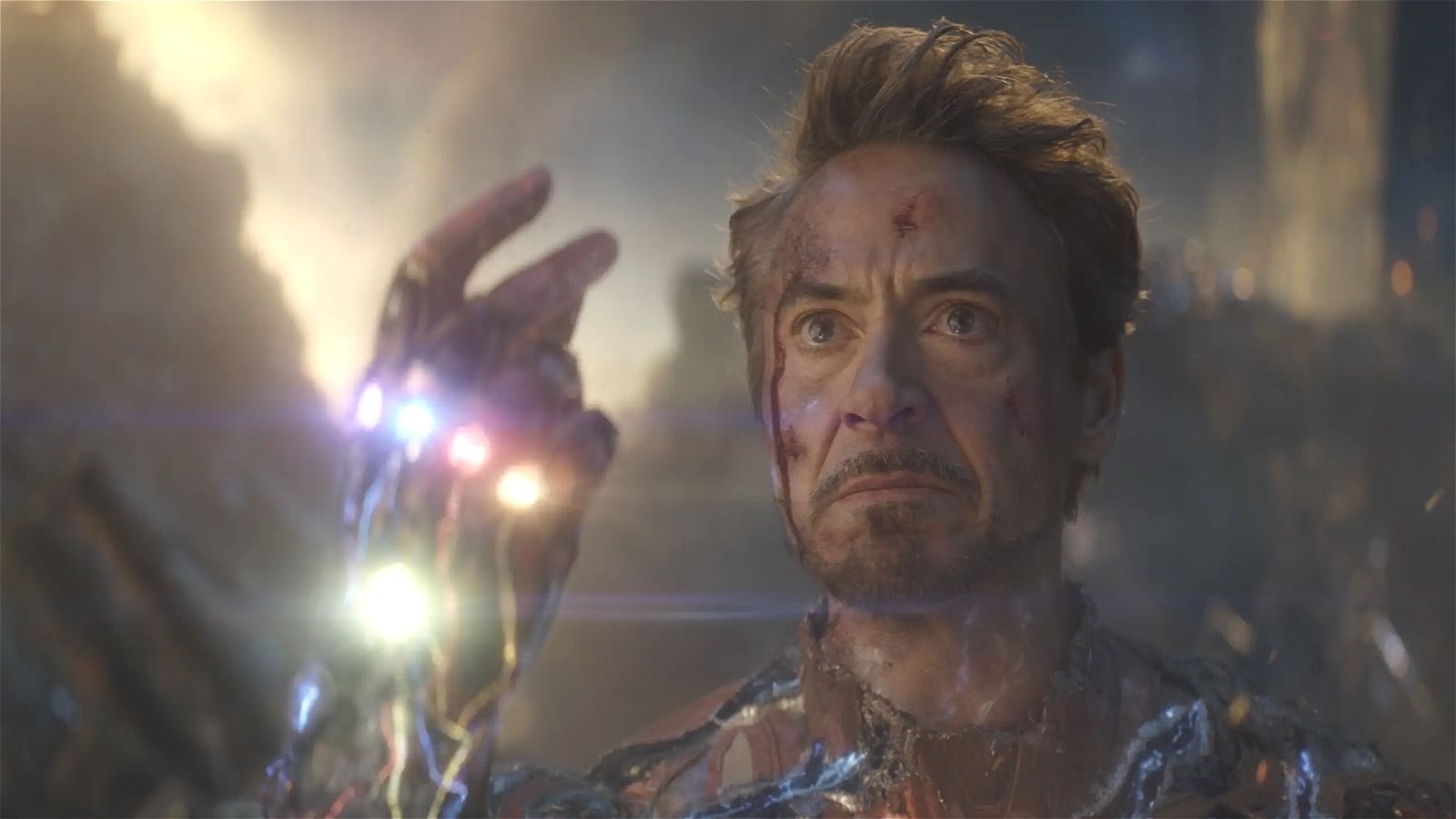
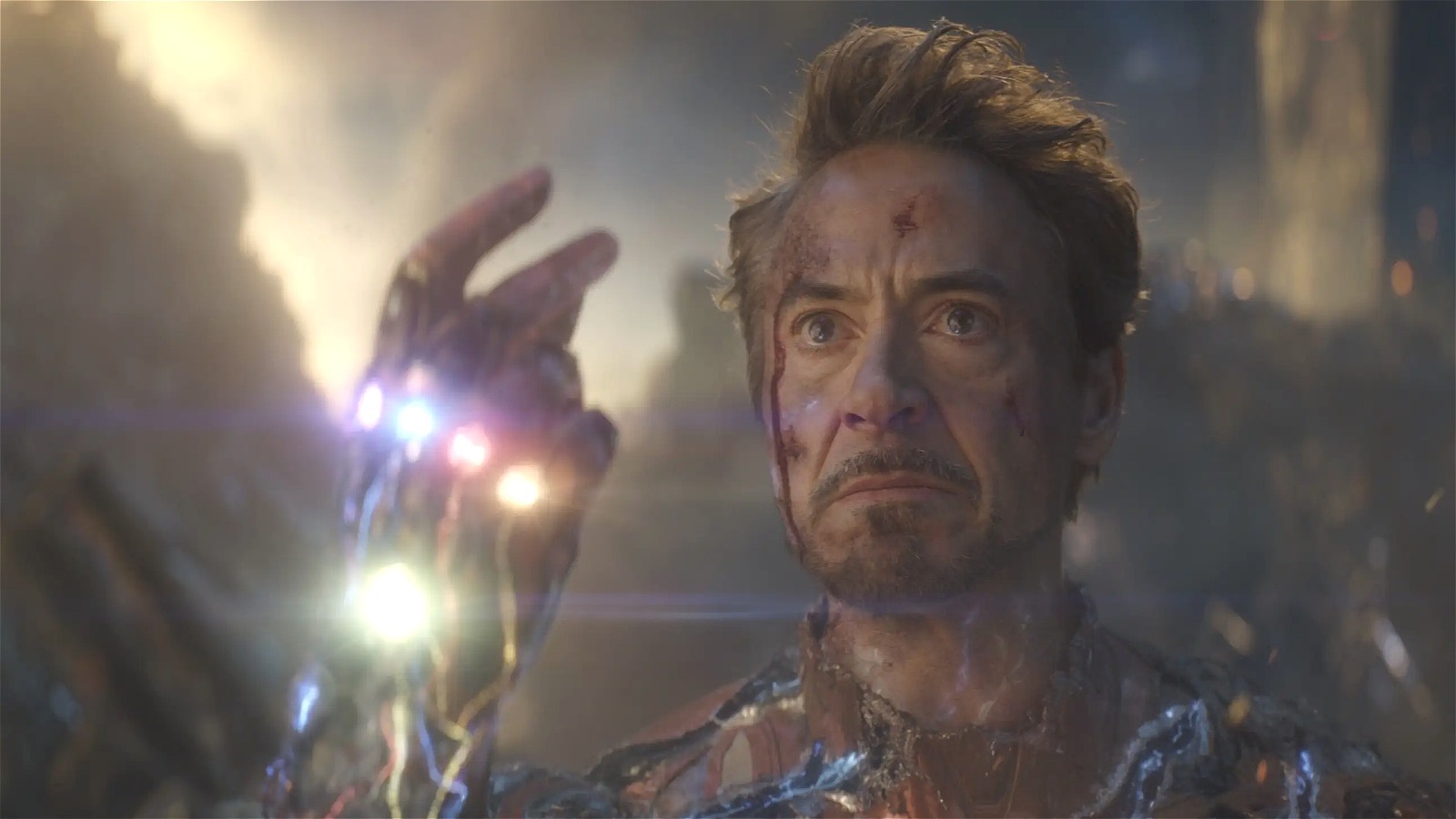
- 2018–2019 (Avengers: Infinity War & Endgame): Vision meets a tragic end at the hands of Thanos, while Tony Stark makes the ultimate heroic sacrifice in Endgame, snapping his fingers to erase Thanos and his army, cementing his permanent departure from the land of the living.
- 2021 (WandaVision): Vision is resurrected in a literal white-bodied form—White Vision—by S.W.O.R.D., setting the stage for his subsequent existential journey.
- The Present (VisionQuest Development): As Matalas and his writers crafted the Phase 6 series, they explored characters deeply tied to Stark’s legacy—specifically Vision and Ultron. This naturally triggered brainstorming sessions about the man who engineered them, leading to the fleeting dream of a Tony Stark flashback.
Supporting Data: The Intersection of Legacy Characters and Television Budgets
The creative friction between sprawling cinematic universe lore and the constraints of episodic television is a well-documented phenomenon in modern Hollywood. While Marvel Studios has historically enjoyed blockbuster budgets, television series operate under drastically different financial and scheduling paradigms compared to multi-hundred-million-dollar feature films.
Budgetary Realities in the Streaming Era
According to industry estimates, high-end Disney+ Marvel series typically command budgets ranging from $150 million to $200 million for a single season (spanning roughly six to nine episodes). While substantial, this capital must cover:
- Complex visual effects (VFX) suites across multiple hours of content.
- Extensive location shooting, set design, and wardrobe.
- A robust ensemble cast of principal actors.
By contrast, bringing back a titan of the industry like Robert Downey Jr.—whose upfront compensation for Marvel features frequently exceeded $20 million, not including backend box office points—demands a financial outlay that simply does not compute for a television series’ per-episode balance sheet. Even for a brief, single-day cameo appearance, talent acquisition costs for an actor of Downey’s caliber would consume a disproportionate slice of a production’s discretionary funds.
The Screen Time Disparity
Ironically, despite playing the foundational architect of the MCU, Tony Stark and Vision shared remarkably few scenes together across the Infinity Saga. Following the events of Avengers: Age of Ultron, their paths crossed only fleetingly in Captain America: Civil War. For fans hoping to see a deeper exploration of Stark’s relationship with his artificial offspring, VisionQuest represented a rare thematic opportunity—one that financial and logistical barriers ultimately kept out of reach.
Official Responses: Showrunner Terry Matalas on Creative Compromise
Speaking candidly about the development process, Matalas reflected on the necessary compromises showrunners must make when balancing grand creative visions with practical filmmaking limitations.
"It usually comes down to budget," Matalas explained when asked if Marvel imposed restrictions on his storytelling. "If we had more time and money, you could include anything, maybe even a flashback to Tony Stark dealing with the source code."
When pressed further on whether he formally pitched the Downey Jr. cameo to Marvel executives, Matalas reiterated the pragmatic approach required in the writers’ room.
"It would’ve been wonderful," Matalas said. "But, we’re just a TV series, so you can’t really have all of the… I mean, there are limitations, right? You have grand ideas but, throughout the development process, you have to say, ‘Well, we can’t do that, so how do we distill down that idea into something that could work?’ Hopefully, we got there, but we’ll see [how viewers react to our story]."
Rather than dwelling on what could not be achieved, the creative team focused on refining the core narrative of VisionQuest, ensuring that the series could stand on its own narrative merits without leaning on expensive, nostalgia-driven guest stars.
Implications: What VisionQuest Means for Phase 6 and Beyond
The aborted Tony Stark cameo highlights a broader transitional phase for the Marvel Cinematic Universe as it moves deeper into Phase 6. For years, the studio relied heavily on legacy characters like Stark, Steve Rogers, and Natasha Romanoff to anchor its storytelling, generate hype, and connect disparate narrative threads.
With those original cornerstones of the franchise having exited the stage—and with Robert Downey Jr. famously pivoting to a new Marvel role as the villain Doctor Doom in upcoming Avengers films—creators working within the MCU are being forced to forge new paths.
1. Empowering the Next Tier of Heroes
Shows like VisionQuest represent a litmus test for whether Marvel’s streaming arm can sustain audience engagement based on secondary and tertiary characters alone. By centering the narrative on White Vision, Ultron, and the complex web of synthetic lifeforms left in Stark’s wake, the series proves that the MCU’s sandbox is vast enough to explore compelling themes of identity, consciousness, and grief without needing to resurrect its founding fathers.
2. A Shift Toward Pragmatic Storytelling
Matalas’s comments also underscore a maturation in how television creators approach franchise IP. Instead of cramming unnecessary cameos into scripts solely for fan-service or social media traction, showrunners are increasingly challenged to distill complex universe-building lore into focused, character-driven narratives that respect budgetary boundaries.
As VisionQuest prepares to roll out its episodes on Disney+, viewers will ultimately judge the series not by the marquee names that failed to appear, but by the depth and resonance of the story it successfully brings to life.
