
Sentinel 6: Inside the Athletic Backing and Cultural Milestone of a Groundbreaking Afro-Futurist Anime
Main Facts
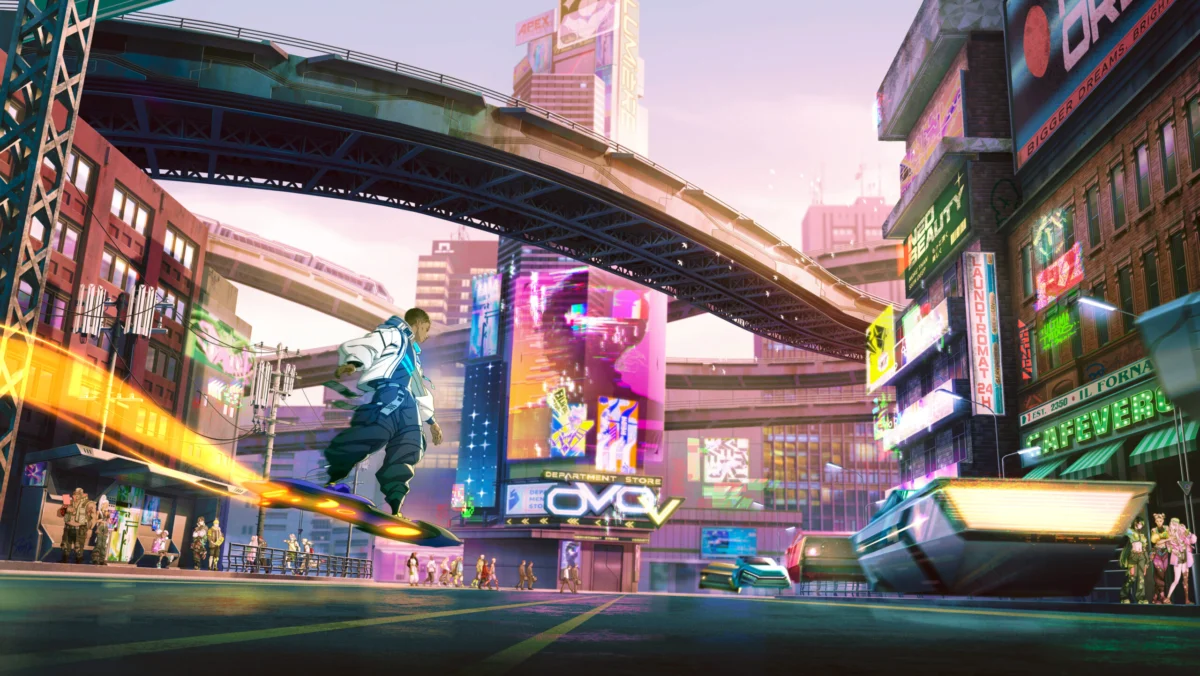
The landscape of modern animation is undergoing a seismic shift, led by a new wave of culturally resonant storytelling. At the forefront of this movement is Sentinel 6, an ambitious, TV-MA-rated Afro-futurist sci-fi action-adventure anime currently in full development.
The series is structured to run for 11 to 12 gripping thirty-minute episodes, blending intricate world-building with high-stakes sci-fi combat. At its core, the narrative is set in the year 2429—roughly four centuries after a near extinction-level planetary catastrophe known as the Great Phoenix War. This historical trauma was triggered by deep-seated xenophobic tensions and widespread societal fears surrounding "sentinels": humans and intergalactic beings imbued with extraordinary powers tasked with planetary defense.
The ensuing fallout left Earth post-apocalyptic and heavily class-stratified, rendering it ripe for exploitation by malevolent forces seeking revenge and absolute power. Among them is an intergalactic terrorist whose reckless activation of ancient energies inadvertently awakens the "Sentinel Six." This elite collective consists of three young men and three young women who physically and metaphorically embody the fractured aspects—such as the mind, heart, sword, and shield—of a single, shared sentinel power.
The project boasts high-profile backing from sports and entertainment heavyweights. NBA veteran and ESPN analyst Michael Carter-Williams and NFL running back Jamaal Williams have boarded the production as executive producers and principal financial backers. They are joined by independent talent manager Sam Goff of Animated Perspectives, who represents co-creator Pat Stout.
Significantly, Sentinel 6 is breaking traditional industry molds by being produced in English first by a Japanese studio—Kyoto-based Creative Freaks—with Burbank-based powerhouse Bang Zoom! leading a reverse-localization process into Japanese. The star-studded voice cast features internet sensation King Vader (Dominique Barrett), executive producer Jamaal Williams, and veteran anime dub actor Cedric Williams (Demon Slayer, Spider-Man: Across the Spider-Verse).
Chronology of Development
The genesis of Sentinel 6 dates back to 2019, conceived by Jamaican-American writer Pat Stout and the late Bronx native Asa Palmer through their independent production banner, Sable Kudzu. Raised on a diet of Western animation classics like Static Shock, Samurai Jack, and Batman Beyond, the duo sought to construct an escapist sci-fi universe where Black audiences could finally see themselves authentically represented.
As the years progressed, the creative team laid the groundwork for the series. Veteran animator and writer LeSean Thomas (Bass x Machina, Yasuke, The Boondocks) was brought on board to write the pilot script and serve as a consulting producer.
A major milestone arrived in 2024 when Sable Kudzu launched a successful Kickstarter campaign, pulling in nearly $20,000. These vital funds were utilized to commission a stunning proof-of-concept trailer produced by the Bulgarian and German animation house Chase A Cloud Studio.
However, tragedy struck in early 2025 with the unexpected passing of co-creator Asa Palmer. Despite this devastating loss, the project gained unprecedented momentum later that year. Moved by the vision and driven by a shared passion for animation, Michael Carter-Williams and Jamaal Williams stepped up to fully finance the production of the pilot episode.
By early 2026, the completed pitch and pilot were taken out to two dozen international animation production studios. Following a competitive bidding process, Kyoto-based Creative Freaks secured the contract to animate the series, officially turning Sentinel 6 into a reality.
Supporting Data and Industry Context
The rise of Sentinel 6 coincides with a massive cultural and commercial expansion of the anime market, particularly within Western demographics and mainstream sports culture. The "Blerd" (Black nerd) community has experienced an explosive cultural boom over the past several years, transforming niche fandoms into powerful economic and creative forces.
This intersection of sports, pop culture, and anime is no longer a fringe phenomenon. Major sports leagues and franchises are increasingly leaning into otaku culture:
- Crunchyroll Integration: Platforms like Crunchyroll continue to institutionalize this crossover, highlighted by panels at the Anime Future Forum and the prominent presence of Olympic figure skater Amber Glenn at industry events. This follows Crunchyroll’s high-profile 2024 collaboration with Olympic track star Noah Lyles on an Adidas-powered capsule collection.
- MLB and Franchise Crossovers: Major League Baseball partnered with blockbuster franchises like Demon Slayer to produce custom promotional short films celebrating international events like the Tokyo Series.
- Team-Level Activations: Professional sports franchises are continuously embracing anime aesthetics. The Los Angeles Dodgers and Los Angeles Lakers have both hosted dedicated One Piece themed nights, while the NFL’s Los Angeles Chargers famously revealed their entire season schedule via meticulously animated anime-style videos.
Financially and logistically, Sentinel 6 sits comfortably within this supportive ecosystem, leveraging crowdfunding, private high-net-worth athletic investments, and international studio partnerships to bypass traditional, risk-averse gatekeepers.
Official Responses and Creative Vision
The creative forces and corporate partners behind Sentinel 6 have expressed immense passion for the project’s cultural and artistic significance.
Co-creator Pat Stout reflected on the journey and the deep-seated motivation behind the series in an interview with The Hollywood Reporter:
"When Asa and I grew up, Black people watching anime wasn’t cool, or we were constantly reminded about how you can’t be this character because they don’t look like you. Around 2020, the Blerd community boomed. The Black community can be a torchbearer of coolness, but there were all these people who we knew loved anime and were still not represented. We wanted to create a world that our audience could feel really connected to, like it represents them in some way, but still was escapist."
Executive producer and former NBA Rookie of the Year Michael Carter-Williams emphasized the importance of representation and legacy:
"I’m excited to be part of Sentinel 6 because I believe in the power of seeing yourself in the stories you watch. Black fans have been part of the anime community for a long time, and there’s room for more stories that put us at the center—as heroes with depth, complexity, and experiences we can connect with. I want Black kids to see these characters and feel that they belong in these worlds, too."
NFL running back and fellow executive producer Jamaal Williams shared his personal connection to the medium as a lifelong fan:
"It’s been one of my dreams growing up as a nerd who watched Naruto. It really is something that’s going to connect to a lot of people of color, especially Black people—to be able to show a different side of anime and be full of characters. Now that people like me—other athletes and people who have a higher profile—are showing their love for nerd stuff, we’re finding more and more people that love Black characters, anime and animation. I’m so grateful to be part of the Sentinel 6 team and to keep pushing out more Black excellence."
Production and voice-localization partners also weighed in on the project’s unique artistic merits. A spokesperson for animation studio Creative Freaks stated:
"We were deeply drawn to the passion of the creators and the unique world they have created. We felt strongly that this was a project that deserved to reach a wider audience, and we were excited to accept the opportunity to be involved. This project also deeply resonates with our own belief in the power of animation to move people’s hearts."
Burbank-based voice-over studio Bang Zoom! highlighted the cultural importance of the collaboration:
"Pat and Asa’s vision for Sentinel 6 feels fresh and unexpected, with a distinct visual identity and characters that we are excited to help bring to life. It’s also incredibly meaningful for us to be working alongside a Black creative team, and we’re proud to play a part in bringing this story to life."
Implications for the Animation Industry
The development and production model of Sentinel 6 carries profound implications for the future of global animation. Traditionally, the anime pipeline flows strictly from Japanese manga or original concepts originating within domestic Japanese studios, which are subsequently licensed and dubbed for Western markets. Sentinel 6 upends this conventional trajectory by originating as an Afro-futurist Western concept, securing independent financing via athletes and crowdfunding, partnering with a Kyoto-based studio for primary animation, and utilizing a reverse-localization pipeline into Japanese.
By demonstrating that cross-cultural, creator-owned properties can successfully bridge Western diverse storytelling with elite Japanese production houses, Sentinel 6 paves a new pathway for indie creators. Furthermore, the active financial and creative participation of high-profile athletes like Michael Carter-Williams and Jamaal Williams signals a growing trend: professional sports stars leveraging their wealth and cultural capital to champion underrepresented geek culture and narrative art.
As Sentinel 6 moves closer to its premiere, it stands not merely as an entertaining sci-fi adventure, but as a historic blueprint for how diverse narratives can scale globally, proving that the future of animation belongs to stories that are both deeply specific in their cultural roots and universally resonant in their humanity.
