
Beyond the Stratosphere: Exploring the 8 Masterpieces That Defined Space-Based Science Fiction Television

While the history of television is rich with speculative fiction, a distinct echelon of greatness has consistently belonged to narratives set in outer space. The cosmos offers a peerless canvas for humanity’s grandest ambitions, deepest anxieties, and most profound existential inquiries. From the gritty, geopolitical rivalries of colonized solar systems to sweeping, quasi-religious space operas, television set among the stars has continually pushed the boundaries of the medium.
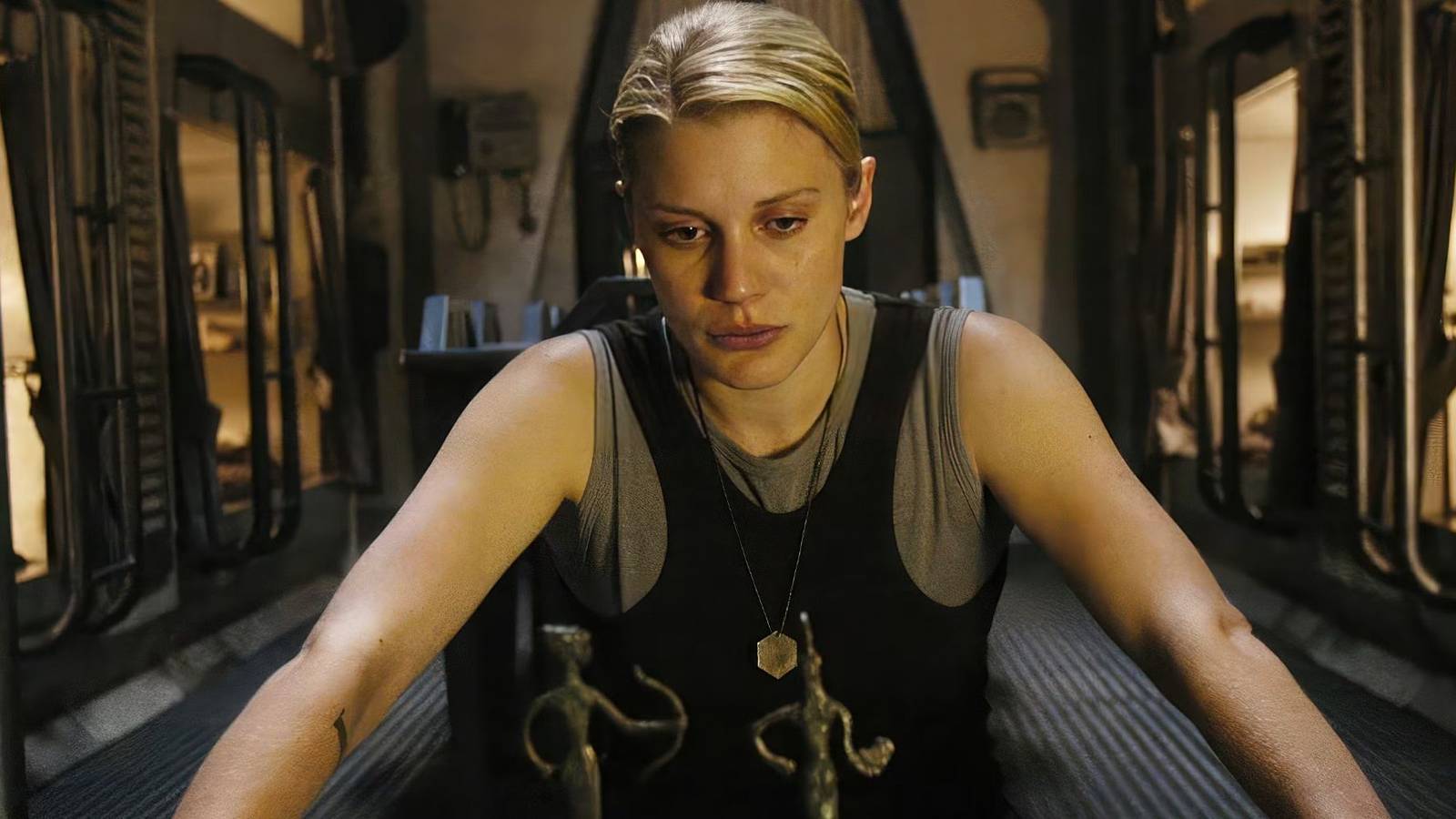
Evaluating the pantheon of speculative television reveals eight foundational series that transcend genre conventions. Earning a definitive 10/10 rating, these masterclasses in storytelling have not only sustained audience devotion across generations but have also permanently altered the landscape of modern television.

Main Facts: The Anatomy of Space-Set Perfection
The enduring appeal of space-based science fiction lies in its unique ability to marry high-concept technological wonder with grounded human drama. Unlike terrestrial sci-fi, stories set against the backdrop of the void introduce isolation, vast temporal and physical distances, and the ultimate frontier as active participants in the narrative.
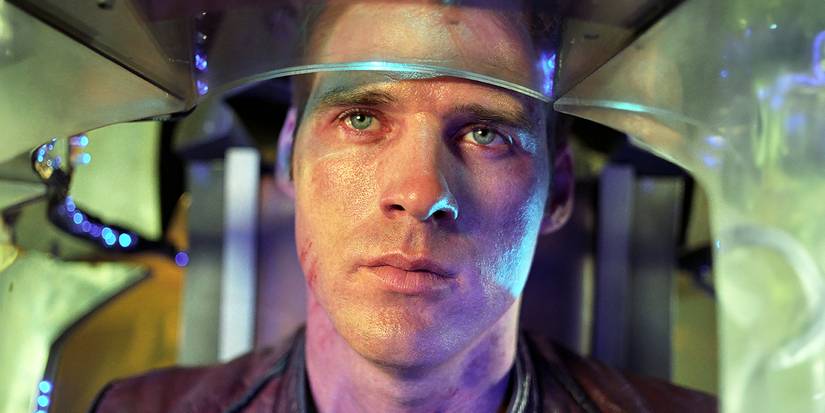
The eight series examined here—Farscape, The Expanse, Babylon 5, Andor, Cowboy Bebop, Firefly, Battlestar Galactica, and Star Trek: The Next Generation—represent the pinnacle of this subgenre. Collectively, they demonstrate that whether executed through the lens of hard scientific realism, neo-noir Westerns, or optimistic interstellar diplomacy, space-set narratives achieve greatness when they prioritize complex character arcs and uncompromising world-building over mere spectacle.
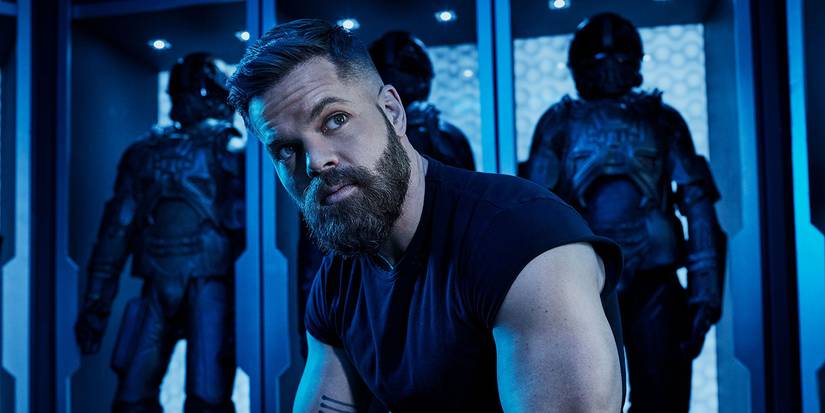
Chronology: A Timeline of Interstellar Television Masterpieces
The evolution of space-faring television reflects broader shifts in broadcast standards, technological capabilities, and audience expectations over the decades.
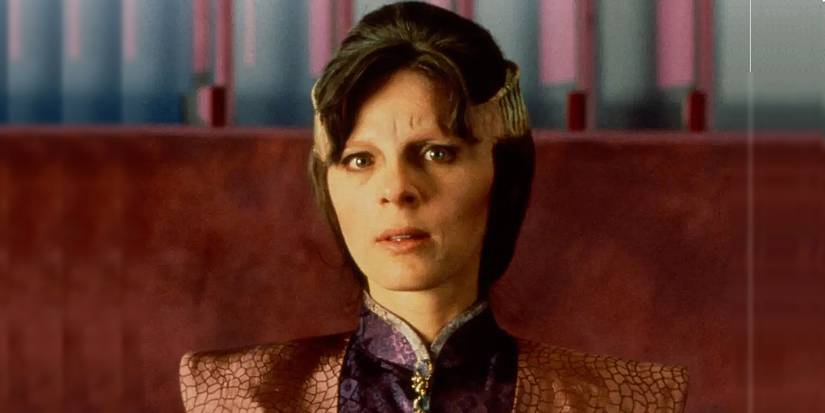
The Late 20th Century Foundation
- 1987 – 1994: Star Trek: The Next Generation
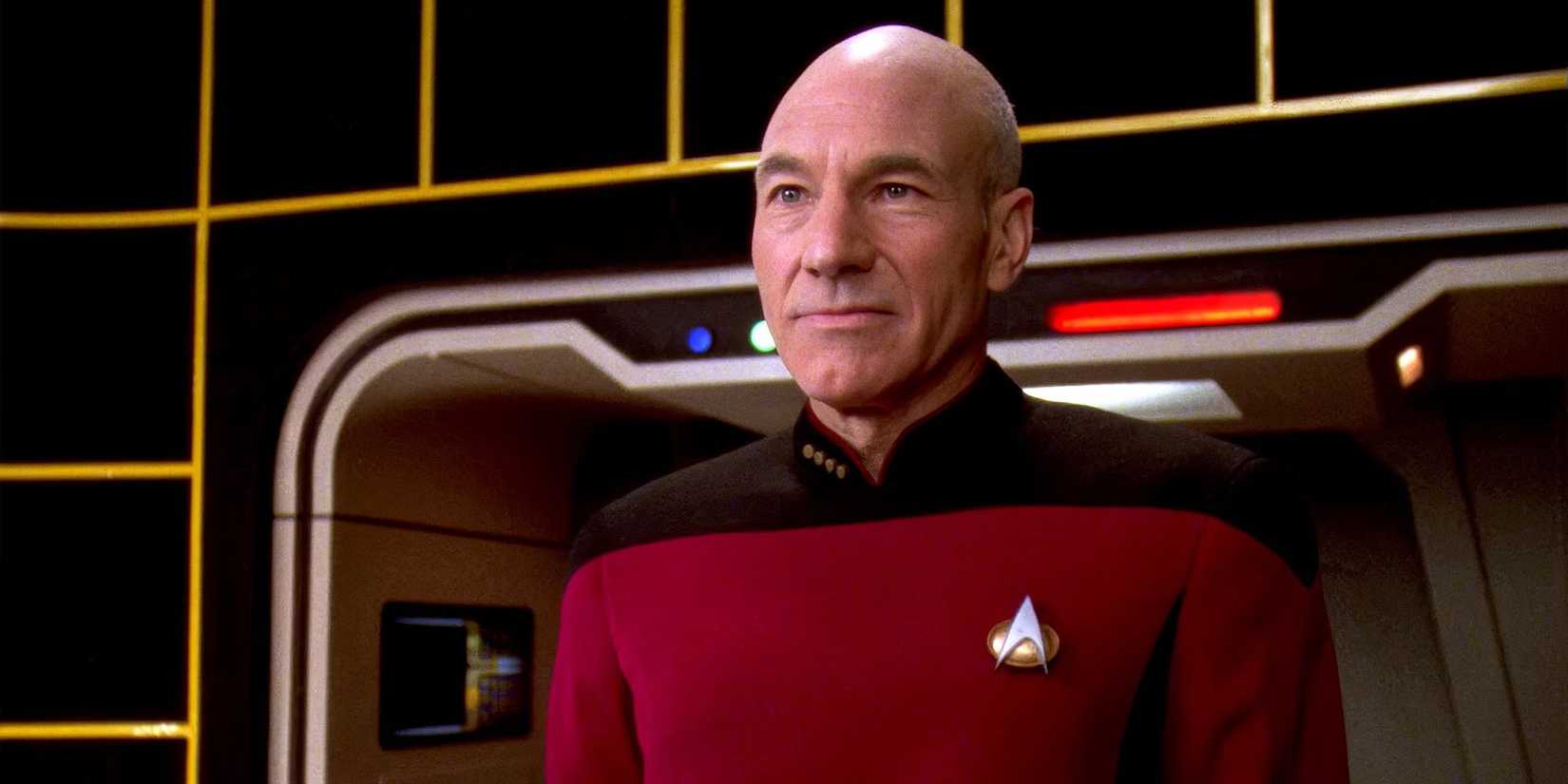
Following a rocky start, this legendary series redefined syndicated television, establishing an intellectual and philosophical standard for space exploration under the stewardship of Captain Jean-Luc Picard. - 1994 – 1998: Babylon 5
Pioneering the concept of a "novel for television," J. Michael Straczynski introduced a fully serialized, five-year story arc that fundamentally changed how complex narratives were constructed on American broadcast TV. - 1998 – 1999: Cowboy Bebop
Bridging the gap between Eastern animation and Western cinematic tropes, this space-Western anime established an atmospheric, jazz-infused masterpiece blending existential dread with genre-bending action. - 1999 – 2003: Farscape
Co-produced by The Jim Henson Company, this psychedelic space opera combined groundbreaking practical creature effects with an intensely chaotic and deeply human narrative about a lost American astronaut.
The Turn of the Millennium and the Streaming Era
- 2002 – 2003: Firefly
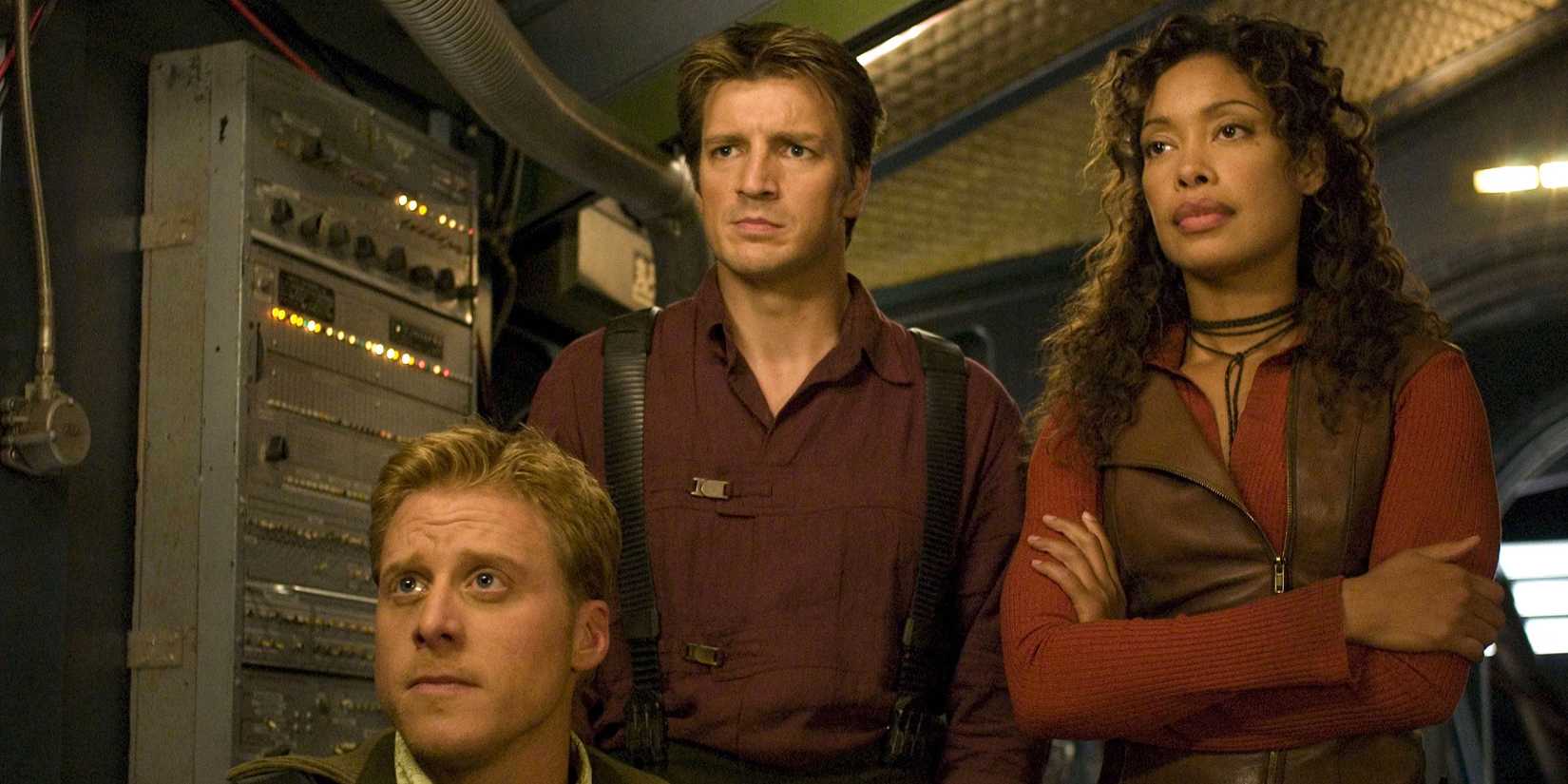
Though notoriously cut short by network interference, Joss Whedon’s single-season space Western captured lightning in a bottle, presenting a meticulously lived-in galaxy driven by a beloved ensemble cast. - 2004 – 2009: Battlestar Galactica
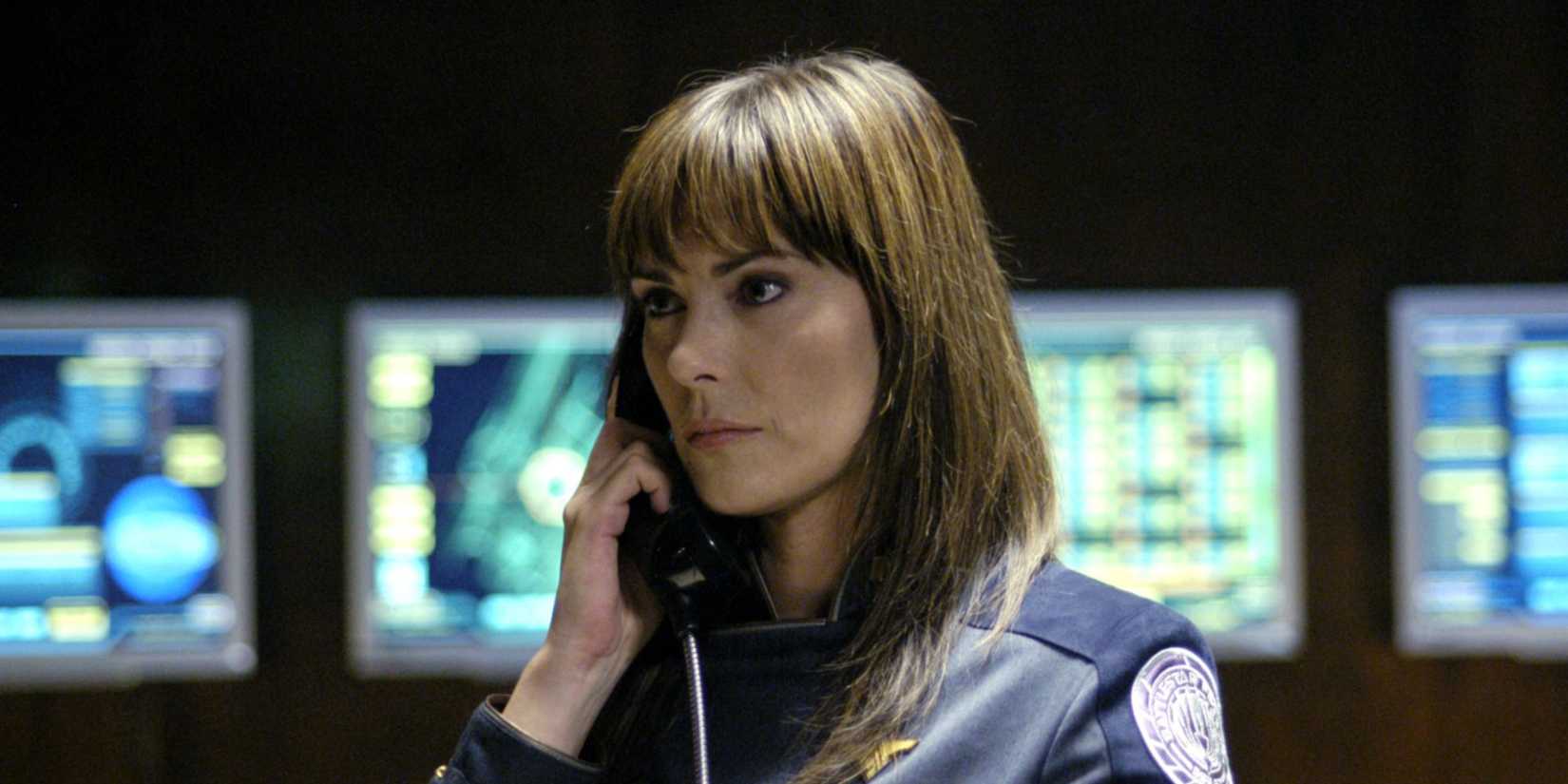
Emerging in the post-9/11 cultural landscape, this gritty reimagining of the 1978 classic infused space opera with raw moral ambiguity, terrorism themes, and stunning production values. - 2015 – 2022: The Expanse
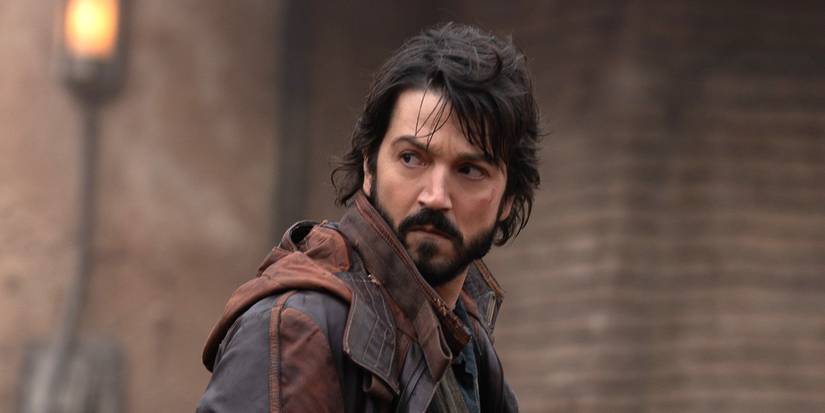
Adapting James S. A. Corey’s novels, this neo-noir masterclass raised the bar for hard science fiction, rigorously honoring orbital mechanics and political realism across a colonized solar system. - 2022 – 2025: Andor
Proving that prequel spin-offs could achieve high art, this meticulously crafted thriller reframed a galactic empire through the lens of institutional oppression, bureaucratic surveillance, and radicalization.
Supporting Data: Examining the Heavyweights
To understand why these particular series have earned their revered status, it is helpful to categorize their specific narrative approaches and production triumphs:
| Series Title | Original Broadcast Window | Primary Aesthetic / Subgenre | Defining Attribute |
|---|---|---|---|
| Star Trek: The Next Generation | 1987–1994 | Optimistic Interstellar Exploration | Philosophical inquiry and episodic moral dilemmas. |
| Babylon 5 | 1994–1998 | Serialized Space Opera / Political Drama | The blueprint for long-form, multi-season television arcs. |
| Cowboy Bebop | 1998–1999 | Neo-Noir Space Western (Anime) | Seamless fusion of genres, music, and existential melancholy. |
| Farscape | 1999–2003 | Psychedelic Space Opera | Groundbreaking animatronics and chaotic, high-stakes romance. |
| Firefly | 2002–2003 | Frontier Space Western | Unmatched chemistry among an iconic ensemble cast. |
| Battlestar Galactica | 2004–2009 | Military Sci-Fi / Post-Apocalyptic | Unflinching moral ambiguity and allegorical political commentary. |
| The Expanse | 2015–2022 | Hard Sci-Fi / Political Thriller | Scientific realism and complex multi-faction geopolitics. |
| Andor | 2022–2025 | Dystopian Political Thriller | Technical perfection and a profound critique of fascism. |
Official Responses and Critical Reception
The cultural footprint left by these eight series is verified by decades of critical acclaim, fan retention, and industry accolades.
- The Critical Consensus on Hard Realism: Publications and reviewers have consistently lauded The Expanse for maintaining scientific integrity—such as accounting for zero-g fluid dynamics and missile trajectory calculations—without sacrificing narrative momentum. Showrunners and writers frequently cite its adherence to real-world physics as a gold standard for modern television.
- Industry Shifts Toward Serialization: Media analysts routinely point to Babylon 5 as the catalyst that proved audiences could follow complex, multi-year story arcs. This paved the way for the serialized prestige television boom of the 21st century, heavily influencing how networks commission space-based narratives.
- Reevaluating Franchise Properties: The extraordinary critical success of Andor prompted major intellectual property holders to reconsider the creative boundaries of established universes. Critics praised its refusal to rely purely on nostalgia, establishing that high-stakes political drama can thrive within tentpole franchises.
Implications: The Future of Sci-Fi in the Cosmos
The enduring legacy of these masterpieces highlights a fundamental truth about speculative fiction: the stars are merely a backdrop for exploring the human condition.
As television production continues to evolve with advanced virtual production tools and shifting streaming models, the temptation to rely on glossy, weightless CGI grows stronger. However, the timeless success of shows like Firefly, Battlestar Galactica, and The Next Generation serves as a permanent reminder to creators. Audiences do not fall in love with spaceships or laser battles; they fall in love with flawed characters navigating impossible moral landscapes, fighting for survival against the infinite dark.
Ultimately, these eight shows have established that when science fiction is executed with intelligence, artistic rigor, and genuine empathy, it ceases to be mere escapism. It becomes a mirror reflecting who we are, and a compass pointing toward who we might yet become among the stars.
