
The HBO Legacy: Tracing the Evolution of Prestige Television
Long before the current golden age of streaming blanketed the entertainment landscape with endless options, Home Box Office (HBO) carved out a definitive space in Hollywood history. The network recognized a fundamental truth about television: the small screen possessed the raw power to deliver sprawling, cinematic, large-scale storytelling. From its aggressive ascent in the late 1990s through its dragon-aided cultural dominance in the 2010s, HBO’s original series have consistently tackled universal, complex narratives stretching across continents and generations.

Yet, this path has not been without turbulence. Throughout the 2010s, the network faced valid criticisms regarding a lack of cultural diversity in flagship properties like Game of Thrones and Girls. Unshackled from the restrictive censorship of traditional broadcast television, HBO also courted its fair share of pearl-clutching headlines by pushing boundaries—from the mafia brutality of The Sopranos in the late ’90s to the gritty teen realism of Euphoria decades later. Furthermore, following the high-profile Warner Bros. Discovery merger, industry analysts and devoted fans alike have expressed anxieties regarding the network’s long-term trajectory, particularly as foundational pillars like Succession and Barry have concluded.

Despite corporate shifts and changing viewing habits, HBO’s core commitment to collaborating with visionary filmmakers and inventive creators has yielded a standard of creative success that few rivals have equaled. Newer additions to the catalog—such as Barry, I May Destroy You, The White Lotus, and Mare of Easttown—continue a storied tradition of crafting television that captivates and compels.

(Note: Max Originals are categorized separately.) Below is an expansive look at some of the greatest television shows HBO has ever produced.

Chronology of Innovation: From Pioneers to Modern Masterpieces
The Late 1990s to Early 2000s: Breaking the Mold
- 46. "The Gilded Age": A soothing, low-stakes period piece from Julian Fellowes that trades aggressive plotting for the passive-aggressive warfare of New York City elites, anchored by standout performances from Carrie Coon and Morgan Spector.
- 39. "Oz": Serving as HBO’s inaugural one-hour drama, Tom Fontana’s 1997 prison series set within an experimental rehabilitative wing paved the way for edgy, unfiltered television.
- 24. "Six Feet Under": Alan Ball’s profound exploration of life, death, and family dynamics centered on a Los Angeles funeral parlor, culminating in arguably the greatest series finale in television history.
- 21. "Sex and the City": Running concurrently with The Sopranos, this cultural phenomenon revolutionized how television portrayed complex, independent women navigating sex, love, and career in New York City.
- 17. "Deadwood": David Milch’s 36-episode western masterpiece chronicled the muddy, profanity-laced, and philosophically rich birth of a South Dakota mining camp.
- 5. "The Larry Sanders Show": Garry Shandling’s biting, deeply insecure satire of late-night television established a blueprint for Hollywood self-deprecation and improvisational comedy.
- 2. "The Sopranos": David Chase’s legendary crime drama about a New Jersey mob boss in therapy ushered in the era of the modern anti-hero, forever altering the television landscape.
The Mid-2000s to 2010s: Expanding the Horizon
- 45. "The Deuce": David Simon and George Pelecanos’s empathetic, deeply journalistic chronicle of the rising 1970s porn industry and its impact on Times Square.
- 36. "Fraggle Rock": Jim Henson’s whimsical, musical puppet series served as a foundational viewing experience for a generation of 1980s kids.
- 31. "Big Love": Bill Paxton led this gripping look inside a fundamentalist polygamist Mormon family in Utah, balancing high-stakes religious politics with intimate domestic drama.
- 26. "Real Sports with Bryant Gumbel": A cornerstone of investigative sports journalism, providing two decades of deep, provocative reporting on systemic issues outside the highlight reels.
- 25. "Silicon Valley": Mike Judge’s razor-sharp tech-industry sitcom captured the absurd optimism, hubris, and corporate anxiety of the 2010s startup scene.
- 22. "The Comeback": Lisa Kudrow and Michael Patrick King’s brutal, cringe-inducing, and remarkably empathetic meta-comedy about a washed-up sitcom actress trailing a reality TV crew.
- 19. "Mr. Show with Bob and David": Bob Odenkirk and David Cross’s sketch comedy nexus shattered conventional structures, bending time and narrative for generations of comedy nerds.
- 16. "Curb Your Enthusiasm": Larry David perfected the art of unscripted comedic chaos, transforming everyday social infractions into legendary, cringe-worthy milestones.
- 14. "Girls": Lena Dunham’s polarizing, fiercely honest New York comedy captured the raw ambiguity, ambition, and isolation of early adulthood.
- 1. "The Wire": David Simon’s sprawling, novelistic examination of Baltimore institutions—from the drug trade to politics, media, and education—remains the gold standard of American television sociology.
The Prestige Expansion: 2010s to Present
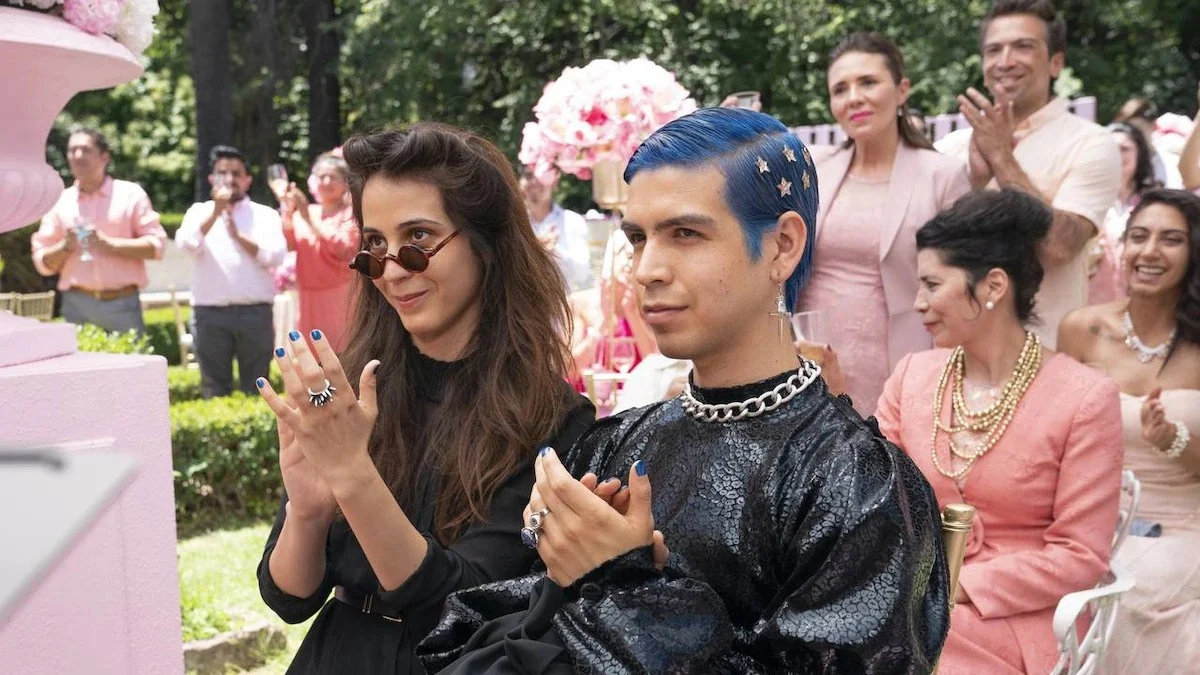
- 44. "Fantasmas": Julio Torres’s whimsical, surreal alternate-reality New York City sketch-comedy hybrid brimming with queer visual artistry.
- 43. "The Last of Us": Craig Mazin and Neil Druckmann’s acclaimed video game adaptation transcended its medium through deeply emotional performances by Pedro Pascal and Bella Ramsey.
- 42. "How To with John Wilson": A visually stunning, profoundly philosophical documentary essay series disguised as an awkward DIY guide to navigating modern life.
- 41. "Industry": Mickey Down and Konrad Kay’s high-adrenaline, sexually charged drama offers a frantic, anxiety-inducing window into the ruthlessness of London investment banking.
- 40. "The Rehearsal": Nathan Fielder’s boundary-pushing, deeply confounding social experiment blurred the lines between performance, ethics, and human empathy.
- 38. "Olive Kitteridge": Frances McDormand delivered a career-best performance in this streamlined, melancholy four-part adaptation of Elizabeth Strout’s novel.
- 37. "Mildred Pierce": Todd Haynes directed Kate Winslet in this faithful, atmospheric Great Depression-era noir adaptation.
- 35. "True Detective": An eerie, philosophically dense crime anthology that redefined atmospheric mystery across multiple generations of investigators.
- 34. "Euphoria": Sam Levinson’s hyper-stylized, music-driven teen drama turned Zendaya and its ensemble into pop-culture icons while sparking intense cultural debates.
- 33. "Game of Thrones": An unprecedented fantasy behemoth that commanded global attention for nearly a decade, proving that sprawling mythology could conquer mainstream television.
- 32. "Last Week Tonight with John Oliver": Combining rigorous investigative journalism with sharp political satire, John Oliver’s weekly program consistently expanded the boundaries of late-night commentary.
- 30. "The Jinx": Andrew Jarecki’s watershed true-crime documentary series not only redefined the genre but famously contributed directly to the legal conviction of Robert Durst.
- 29. "The White Lotus": Mike White’s razor-sharp social satire of the ultra-wealthy at luxury resorts became an immediate cultural juggernaut.
- 28. "Mare of Easttown": Brad Ingelsby’s gritty, emotionally grounded crime thriller anchored by Kate Winslet’s career-defining performance as a weary Pennsylvania detective.
- 27. "Big Little Lies": Jean-Marc Vallée’s star-studded adaptation of Liane Moriarty’s novel masterfully layered seaside domestic abuse, secrets, and dark comedy.
- 20. "Los Espookys": Julio Torres, Ana Fabrega, and Fred Armisen created a uniquely droll, Spanish-language comedy about a group of friends monetizing their love for the macabre.
- 18. "Insecure": Issa Rae’s groundbreaking comedy established a vital new era for authentic Black storytelling, spotlighting modern romance and female friendship in Southern California.
- 15. "Angels in America": Mike Nichols’s monumental six-hour adaptation of Tony Kushner’s play tackled the intersection of the 1980s AIDS crisis, politics, and spirituality.
- 13. "The Righteous Gemstones": Danny McBride’s riotous dark comedy scaled up his signature brand of absurdity into a lavish, bombastic takedown of televangelism.
- 12. "Veep": Armando Iannucci and David Mandel’s political satire weaponized insults into a high-art form, tracking the hilarious, foul-mouthed incompetence of Selina Meyer’s administration.
- 11. "Room 104": The Duplass brothers’ inventive, low-budget motel-room anthology pushed narrative boundaries across disparate genres.
- 10. "The Leftovers": Damon Lindelof and Tom Perrotta’s spiritual masterwork explored grief, faith, and human connection in the wake of a global inexplicable disappearance.
- 9. "Watchmen": Damon Lindelof’s audacious superhero television sequel confronted historical American racism, generational trauma, and institutional power with staggering style.
- 8. "Band of Brothers": Executive produced by Steven Spielberg and Tom Hanks, this monumental World War II miniseries achieved unmatched cinematic scale and emotional authenticity.
- 7. "I May Destroy You": Michaela Coel’s revolutionary, fearless masterpiece dissected sexual consent, trauma, and recovery with unmatched vulnerability and formal ingenuity.
- 6. "Barry": Bill Hader and Alec Berg’s dark comedy evolved from a high-concept premise into a terrifying, masterfully directed existential tragedy about the impossibility of redemption.
- 4. "Succession": Jesse Armstrong’s Shakespearean corporate satire chronicled the agonizing, parasitic power struggles of the Roy family, sweeping awards circuits with relentless brilliance.
- 3. "Chernobyl": Craig Mazin and Johan Renck’s harrowing five-part miniseries provided a chilling, meticulous dramatization of human error, institutional deception, and nuclear tragedy.
Supporting Data and Industry Impact
The enduring legacy of HBO’s programming strategy is reflected not merely in cultural saturation, but in tangible industry metrics. Over the past three decades, the network has dominated the Primetime Emmy Awards, frequently outpacing combined totals of traditional broadcast networks.

- The Sopranos broke barriers as the first cable series to win Outstanding Drama Series in 2004, capturing 21 total Emmys.
- Game of Thrones set records for the most Emmy wins by a scripted series, securing 59 trophies over its eight-season run.
- Succession and Veep both dominated their respective comedy and drama categories across multiple years, regularly converting writing, directing, and acting nominations into wins.
This accumulation of critical acclaim established a distinct business model: premium cable subscriptions driven by cinematic quality rather than ad-supported volume.

Official Responses and Industry Shift
As the television ecosystem transitioned from linear cable to the subscription-video-on-demand (SVOD) era, HBO’s identity underwent structural modifications. Following the 2022 merger forming Warner Bros. Discovery, leadership under David Zaslav prompted widespread industry commentary regarding content curation, tax write-offs, and library removals.

Despite initial fan apprehension over the rebranding of HBO Max to simply "Max," network executives have continually reiterated their dedication to the core tenets of the HBO brand. In corporate earnings calls and press events, Warner Bros. Discovery leadership has emphasized that premium, high-budget originals remain the primary driver of subscriber retention and critical prestige. Creators such as Jesse Armstrong, Bill Hader, and Mike White have consistently credited the network’s executive team for providing the creative autonomy necessary to execute ambitious, uncompromised artistic visions.

Implications for the Future of Prestige TV
As the television marketplace navigates an era of economic correction, budget tightening, and algorithmic consolidation, the blueprint established by HBO remains both a benchmark and a cautionary tale.

The network proved that audiences will pay a premium for uncompromising narrative complexity, shifting the cultural center of gravity away from broadcast syndication and toward auteur-driven television. However, as parent companies increasingly demand profitability over pure prestige, the challenge for modern television creators lies in maintaining that high-wire artistic risk. Whether upcoming tentpole projects and new creative partnerships can uphold the high standards set by The Sopranos, The Wire, and Succession will ultimately determine whether the golden age of prestige television endures or fractures into a safer, more risk-averse era.
