
The Curious Case of the Cardinal: Roy Scheider and the Obscure Legacy of the ‘Dracula 2000’ Trilogy
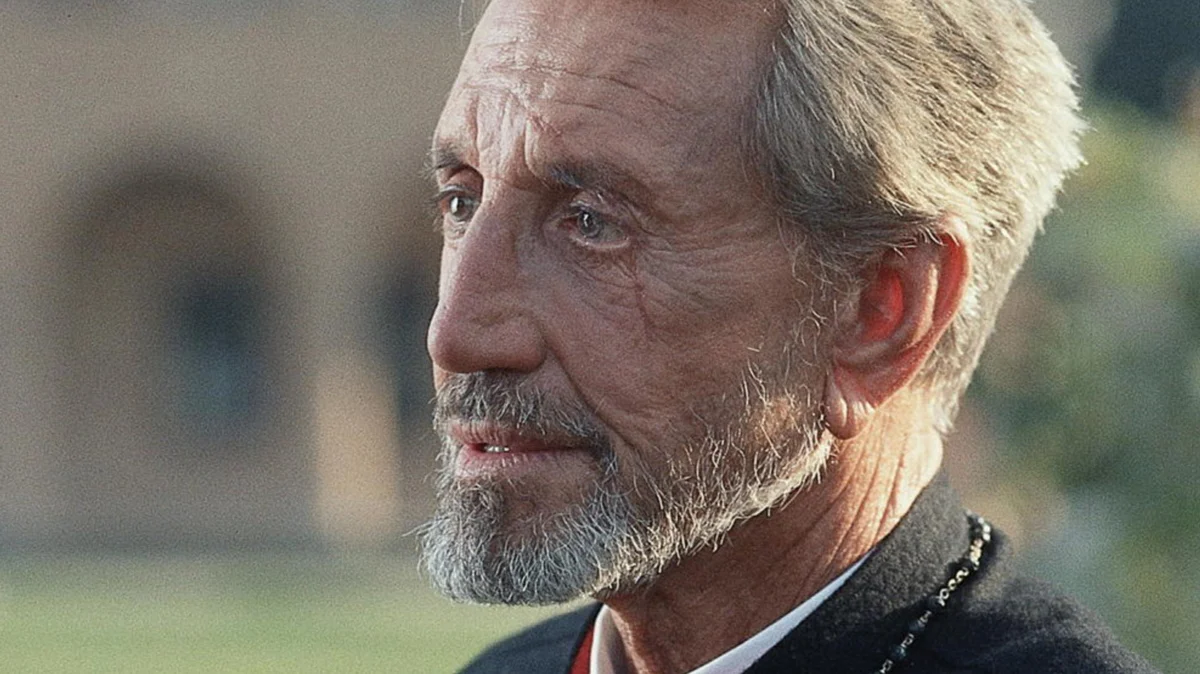
In the annals of Hollywood history, certain projects occupy a strange, liminal space. They are neither triumphs of art nor total losses to the industry; rather, they are curiosities—byproducts of corporate strategy and the unpredictable nature of the direct-to-video (DTV) market. One of the most fascinating footnotes in this genre is the presence of the legendary Roy Scheider, an Oscar-nominated actor known for his commanding presence in Jaws and The French Connection, in the low-budget sequels to the critically maligned Dracula 2000.
While Dracula 2000 remains a polarizing artifact of the turn-of-the-millennium era, the subsequent chapters—Dracula II: Ascension and Dracula III: Legacy—represent a distinct shift into the world of grindhouse-adjacent home media. That an actor of Scheider’s stature would participate in these productions remains a topic of intrigue for film historians and fans alike.
The Cultural Context of the "2000" Phenomenon
As the year 1999 drew to a close, the film industry was gripped by a peculiar, nomenclature-obsessed fever. The impending new millennium prompted a rash of titles appending "2000" to established franchises or concepts. It was a marketing tactic designed to lend a sense of urgency and modern relevance to various IP. We saw Godzilla 2000, The Blues Brothers 2000, Fantasia 2000, and Pokémon: The Movie 2000.
Into this crowded field stepped Patrick Lussier with Dracula 2000. Produced by Dimension Films, the movie was an ambitious attempt to reinvent the Bram Stoker mythos for a generation raised on MTV and the rising aesthetic of hyper-stylized action cinema. The film’s core hook—the revelation that Count Dracula was, in fact, the biblical Judas Iscariot—offered a genuinely intriguing theological twist. It provided a canonical explanation for the vampire’s aversion to silver and crosses, grounding the supernatural in a cursed, historical context.
Despite an ensemble cast that featured Gerard Butler as the Count, Christopher Plummer as Van Helsing, and a supporting roster including Johnny Lee Miller, Jeri Ryan, Nathan Fillion, and Jennifer Esposito, the film failed to capture the zeitgeist. It stumbled at the box office, grossing only $47.1 million against a $54 million production budget, and was savaged by critics, currently holding a meager 19% approval rating on Rotten Tomatoes.
Chronology: From Theatrical Flop to DTV Expansion
The commercial failure of the original film did not immediately signal the death of the property. In the era of the burgeoning home video market, studios often looked for ways to recoup losses by leveraging existing sets, costumes, and established lore to produce lower-cost, direct-to-video sequels.
Dracula II: Ascension (2003)
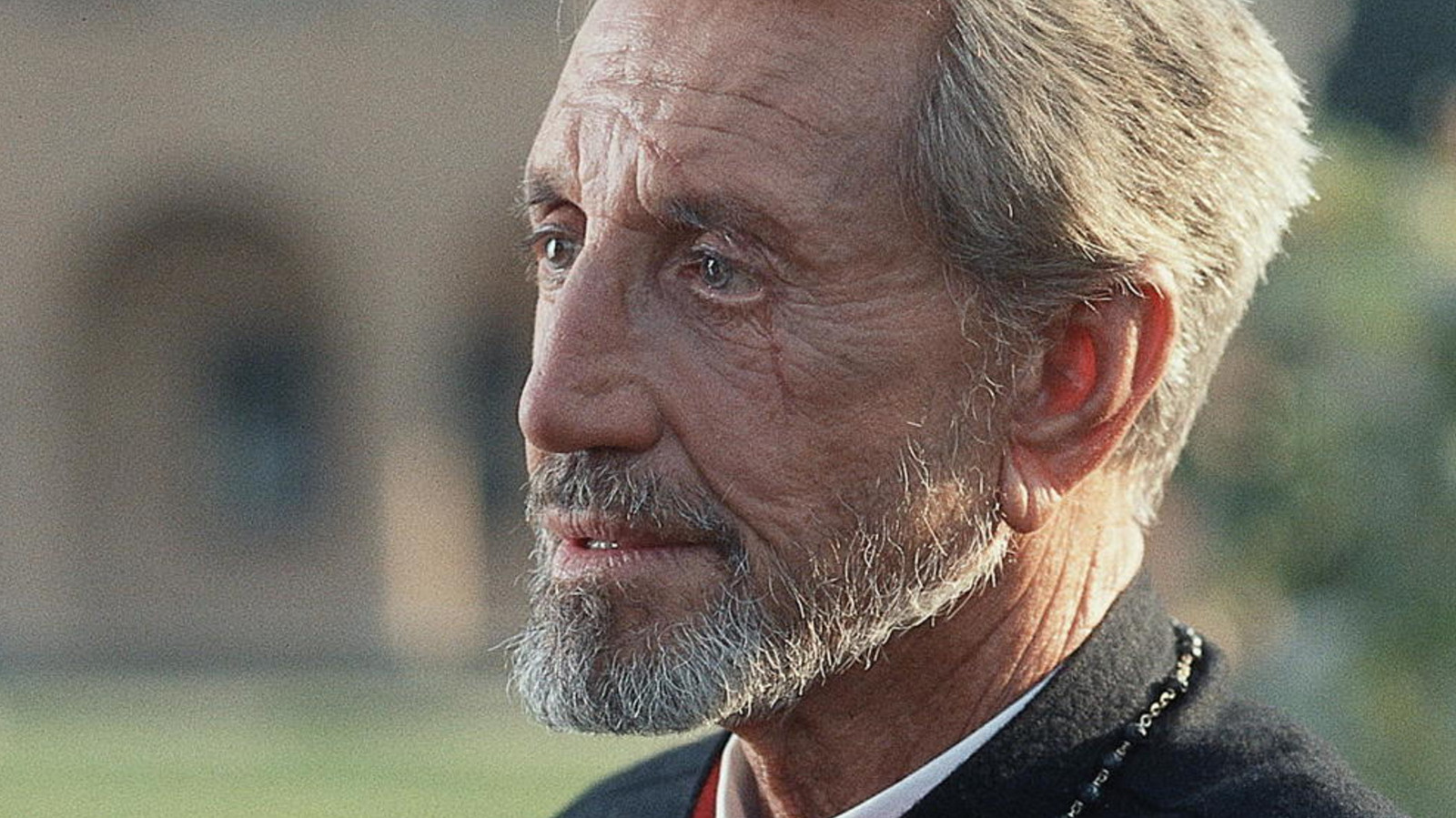
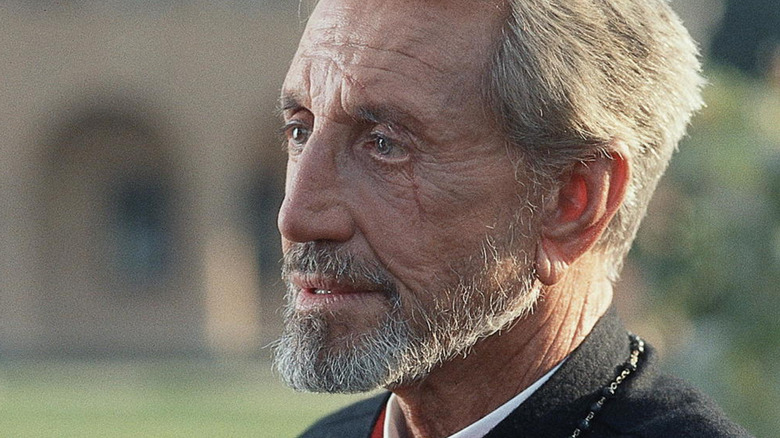
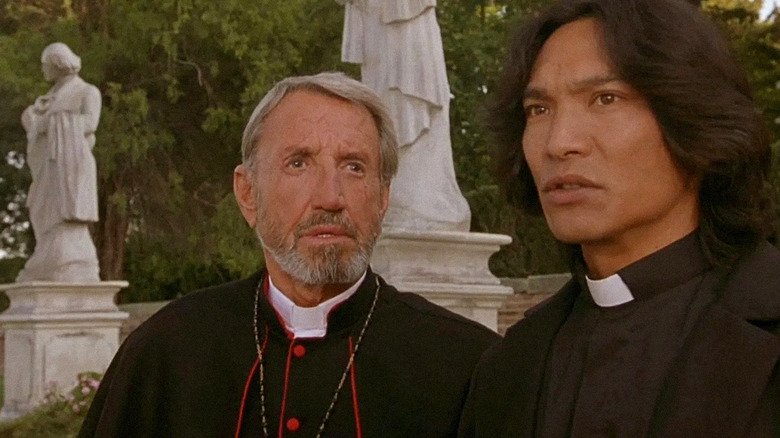
Released three years after its predecessor, Dracula II: Ascension saw a significant contraction in budget—down to a modest $3.2 million. This sequel shifted the focus toward a group of medical professionals who, while performing an autopsy on a mysterious corpse, unwittingly resurrect the vampire. It is here that Roy Scheider enters the fold. Portraying Cardinal Siqueros, Scheider served as a bridge between the Vatican and the field agents, specifically the character Father Uffizi, played by Jason Scott Lee.
The film serves as a grim exploration of the "vampire as a pathogen" trope, featuring a protagonist who struggles with a vampire infection of his own. While the production values were clearly stripped back compared to the theatrical original, the film found a dedicated, if small, audience in the rental market.
Dracula III: Legacy (2005)
The saga concluded with Dracula III: Legacy. Taking place five years after the events of the second film, the story follows a desperate Father Uffizi as he continues his hunt. The production took a bizarre detour into a war-torn Romania, adding a layer of geopolitical grit to the supernatural proceedings.
Rutger Hauer stepped into the role of the Count, bringing a gravitas that arguably elevated the material. Scheider returned as the Cardinal, though his role evolved to reflect the growing friction between the Church’s bureaucracy and the rogue priest’s crusade. Despite its humble origins, the film is often noted for the sheer commitment of its lead actors, who performed with a level of intensity often absent from low-budget horror sequels.
Supporting Data: The Anatomy of a Failure
The critical reception of the sequels was even more unforgiving than that of the original. Dracula II: Ascension holds a rare 0% approval rating on Rotten Tomatoes, based on a small sample of reviews. Critics of the time noted the jarring transition from the polished, if flawed, aesthetic of the first film to the grainy, restricted visuals of the direct-to-video sequels.
However, viewing these films through the lens of pure "critical failure" misses the nuance of the DTV economy. These movies were never intended for the multiplex; they were designed to occupy shelf space at video rental chains like Blockbuster and Hollywood Video. In that ecosystem, "north of mediocre," as critic Walter Chaw famously described Dracula III, was often sufficient to keep a franchise afloat. The reliance on different actors to portray the titular villain—Gerard Butler, Stephen Billington, and Rutger Hauer—highlighted the fluid, almost interchangeable nature of the brand, prioritizing the "Dracula" name over a cohesive character arc.
The "Scheider Factor": Why Did He Do It?
The most lingering question regarding this trilogy is the involvement of Roy Scheider. By the early 2000s, Scheider was a veteran of the industry, a two-time Academy Award nominee with a career that spanned the greatest heights of New Hollywood.
Industry analysts often point to a few potential motivations for established stars appearing in low-budget horror sequels:
- The "Paycheck" Theory: It is the most common, albeit reductive, explanation. Established actors frequently take on smaller, less prestigious roles to maintain their lifestyle or fund personal projects.
- Professional Curiosity: Some actors find the constraints of low-budget filmmaking to be a unique challenge, or they may simply enjoy the genre. Scheider was known to be a dedicated performer who worked consistently until his passing in 2008.
- The "Mentor" Role: In both films, Scheider occupies a position of authority—a Cardinal, a man of letters and faith. It is possible he viewed the roles as a chance to add a layer of gravitas to a project that would otherwise be entirely devoid of it.
While no official statement from Scheider explicitly details his reasoning for joining the Dracula sequels, his performance remains professional and grounded, even when surrounded by the chaotic narrative choices of the scripts. He treated the role of Cardinal Siqueros with the same weight he might have brought to a more prestigious drama, a testament to his professionalism.
Implications for Modern Horror
The Dracula 2000 trilogy serves as a vital case study in how franchises transition through various media tiers. It illustrates the late-90s/early-2000s trend of "branding" horror through numerical sequels, a practice that has since evolved into the current era of streaming-exclusive franchise expansions.
Furthermore, the trilogy highlights the role of the "legacy actor" in low-budget horror. By casting recognizable faces like Roy Scheider, Rutger Hauer, and Christopher Plummer, producers were able to provide a veneer of respectability to films that might otherwise be ignored by the buying public. This strategy is still employed today, where modern direct-to-streaming horror films frequently rely on cameos from genre icons to anchor their marketing campaigns.
Ultimately, the Dracula sequels are not masterpieces. They are, however, a fascinating, weirdly ambitious, and ultimately human piece of cinema history. They represent a moment in time when a screen legend like Roy Scheider found himself in the halls of the Vatican, battling a plague of vampires, and doing so with the same steely-eyed focus that defined his legendary career. Whether born of necessity or artistic curiosity, his participation ensured that a series of films otherwise destined for total obscurity would at least be remembered as the final, curious chapter in a long and storied life on screen.
