
Beyond the Panel: How the Last 15 Years Redefined the Art of the Comic Book Adaptation
By Jessica Nobleza
Published October 14, 2026
It is no longer a secret that comic book adaptations command the financial and cultural gravity of modern Hollywood. What began as high-stakes gambles on spandex and sequential art has evolved into the bedrock of global blockbusting entertainment. Yet, as the medium matured, a critical distinction emerged between films that merely use source material as a storyboard and those that fundamentally understand it.
The greatest comic book adaptations do not simply replicate familiar characters or translate massive set pieces to a widescreen canvas. Instead, they capture the intangible spirit of the original issues, decode distinct visual languages, and possess the rare narrative courage to diverge from the page when cinematic translation demands it. Whether tracking sprawling ideological conflicts or deeply personal, grounded character studies, a masterclass in adaptation forces audiences to reevaluate the medium that inspired it. Looking back over the past fifteen years of cinema reveals a select tier of films that transcended their paneled origins to become cinematic milestones.
Main Facts: The Evolution of Adaptation
The landscape of comic book adaptations has undergone a seismic shift since the early 2010s. Studios have pivoted away from straight-laced, panel-by-panel translations, recognizing that the medium of film requires a different grammar than sequential art.
Key milestones in this evolution include:
- Stylistic Divergence: Directors increasingly embrace high-contrast animation techniques, auteur-driven visual signatures, and meta-textual storytelling rather than striving for seamless, uniform realism.
- The Death of the Monolith: The superhero cape is no longer a prerequisite for success; adaptations now effortlessly span graphic memoirs, British spy satires, and indie-adjacent coming-of-age tales.
- Thematic Subversion: The highest-grossing and most critically acclaimed projects often strip away the cosmic stakes in favor of intimate, character-driven trauma, reshaping grand crossover events into stories about personal accountability and mortality.
Chronology of Excellence: A 15-Year Retrospective
To understand how modern cinema unlocked the secret to adapting graphic fiction, one must look at the specific trajectory of releases that pushed the medium forward between 2010 and 2026.

6. Kingsman: The Secret Service (2014)
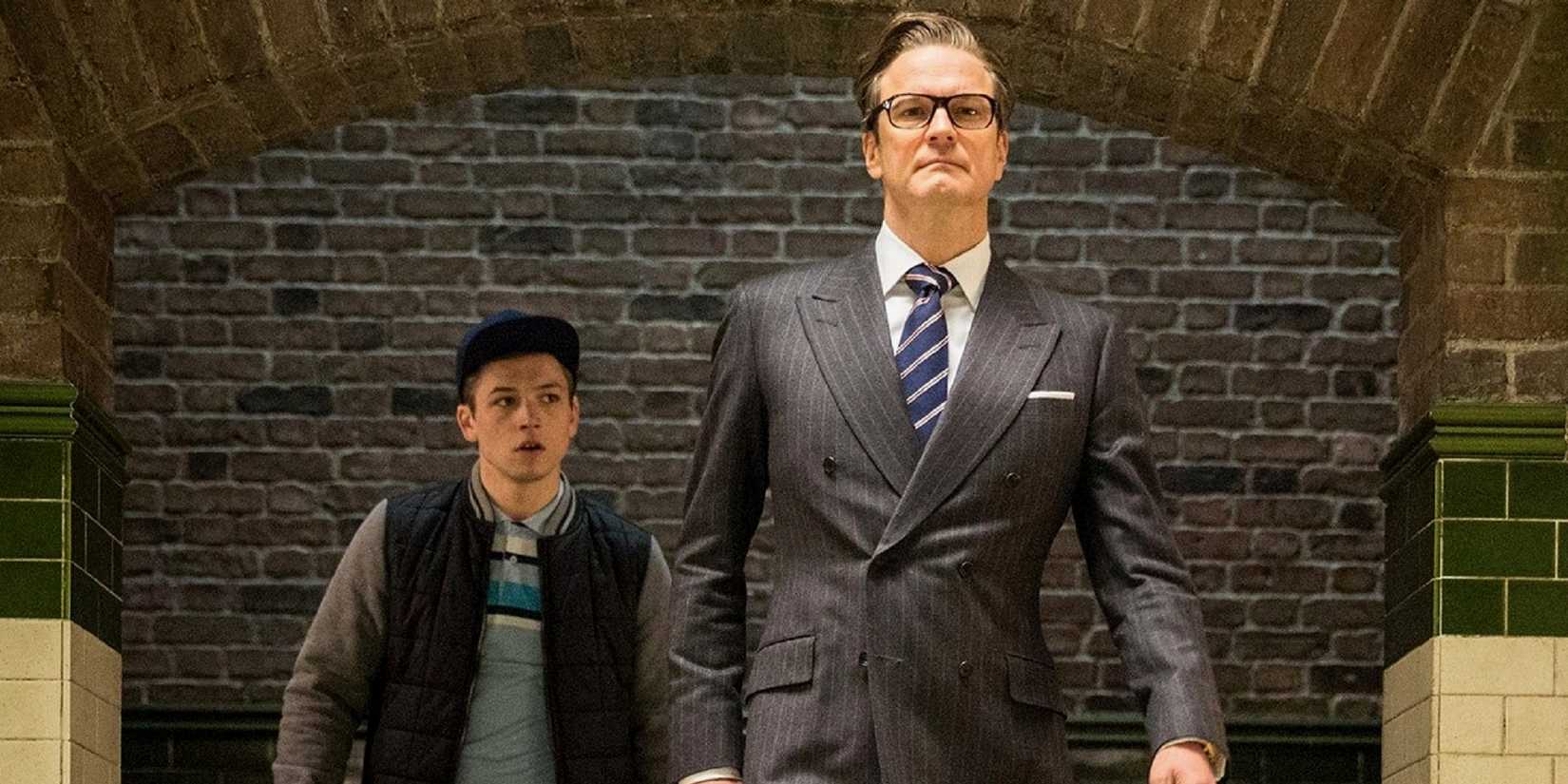
Eggsy’s (Taron Egerton) unexpected transition from a rough-around-the-edges working-class youth to a sharp, bespoke-tailored secret agent under the tutelage of Harry Hart (Colin Firth) set a new standard for irreverent action. Adapted from the comic books by Mark Millar and Dave Gibbons, Kingsman: The Secret Service leaned heavily into the ridiculousness of its source material while maintaining an underlying, razor-sharp social commentary.
Director Matthew Vaughn preserved the books’ class-conscious humor and rebellious streak, framing British espionage through a hyper-stylized, hyper-violent lens. While the comic panels and the cinematic screenplay diverged significantly in plot mechanics, the film successfully captured the unhinged, punk-rock ethos of its creators.
5. Captain America: Civil War (2016)
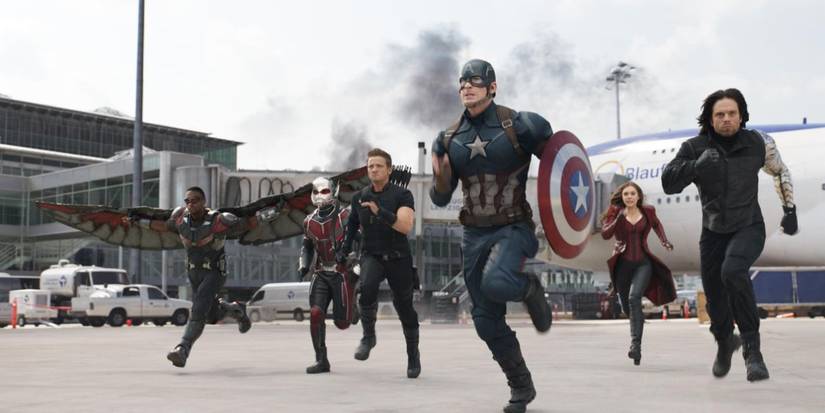
When Marvel Studios elected to adapt one of its most sprawling crossover comic events, Civil War, squeezing every panel and subplot into a single runtime was impossible. Instead, screenwriters and directors distilled an immense ideological debate over the Sokovia Accords into a deeply personal, tragic conflict between Tony Stark (Robert Downey Jr.) and Steve Rogers (Chris Evans).
By anchoring the narrative to the fate of Bucky Barnes (Sebastian Stan), the film transformed a complex political allegory into a heartbreaking study of responsibility, loyalty, and state-sanctioned accountability. The devastating final confrontation proved that the most compelling comic conflicts stem not from physical might, but from irreconcilable moral convictions.
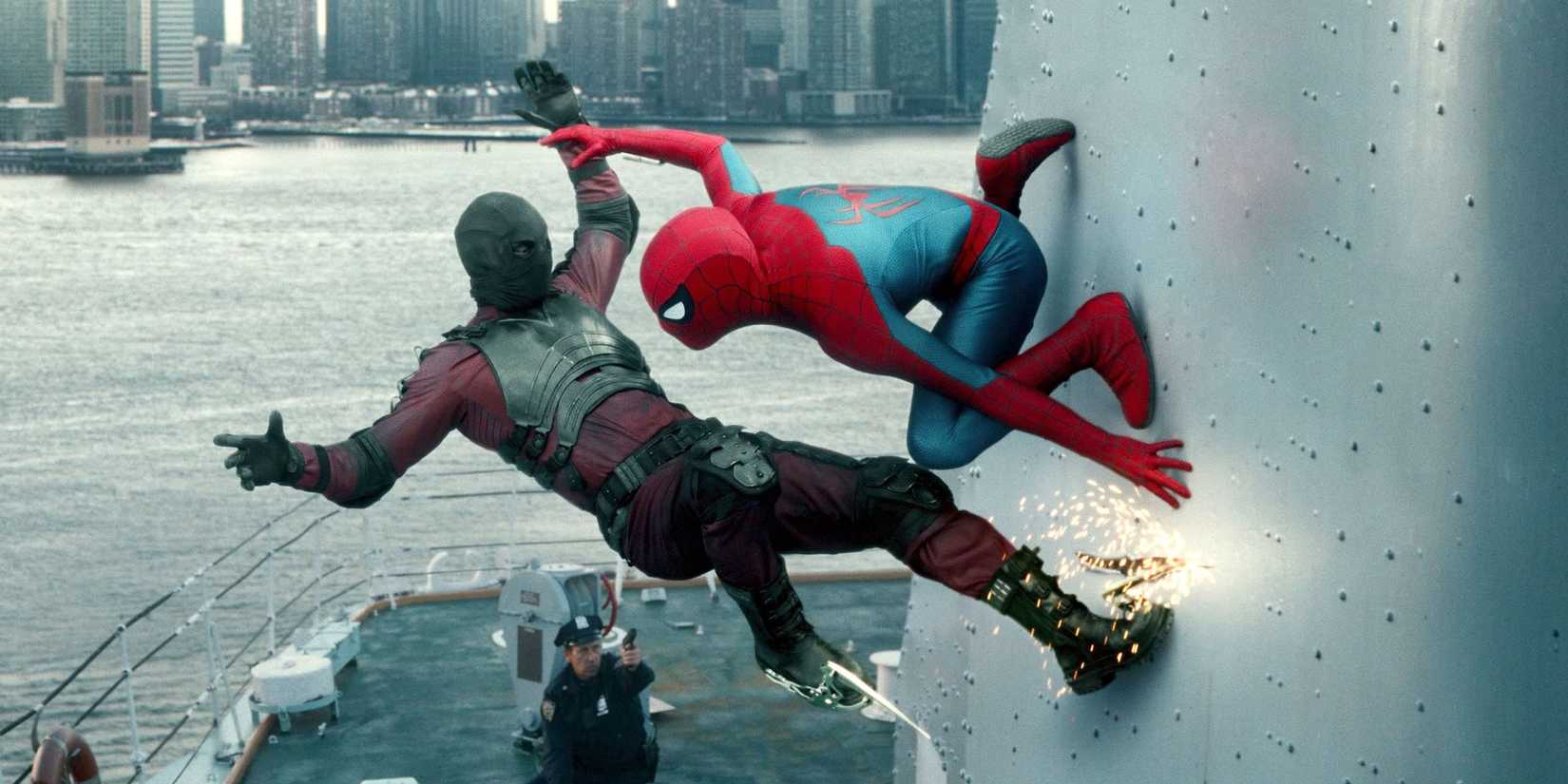
4. Spider-Man: Brand New Day (2026)
Operating in a post-spell reality where the world has entirely forgotten Peter Parker (Tom Holland), Brand New Day confronted the psychological toll of ultimate isolation. Living alone in New York City, Peter balances full-time street-level heroics with strange, unprecedented mutations taking root in his own body.
Drawing from the enduring core of Spider-Man lore, the film explores what happens when a hero loses every foundational safety net. Rather than relying solely on grand multiverse spectacles, Brand New Day found its heartbeat in the classic, exhausting tension between Peter’s cosmic responsibilities and his profoundly human vulnerabilities.
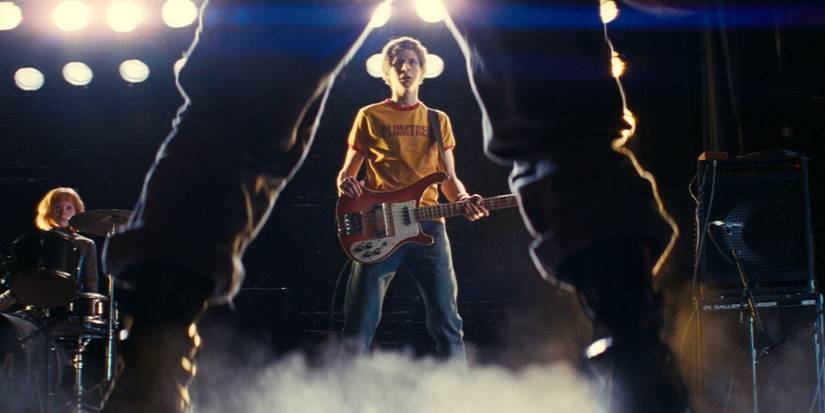
3. Scott Pilgrim vs. the World (2010)
Edgar Wright’s adaptation of Bryan Lee O’Malley’s graphic novels remains a masterclass in cinematic translation. The film follows slacker musician Scott Pilgrim (Michael Cera) as he attempts to win the affection of Ramona Flowers (Mary Elizabeth Winstead)—a task complicated by the requirement that he must defeat her seven evil exes.
Wright utilized split screens, graphic novel transitions, and video-game UI mechanics to turn emotional baggage into literal, physics-defying combat. More importantly, the film preserved the awkward, self-absorbed energy of its source, using heightened visual language to mirror Scott’s juvenile grasp of maturity and relationships.
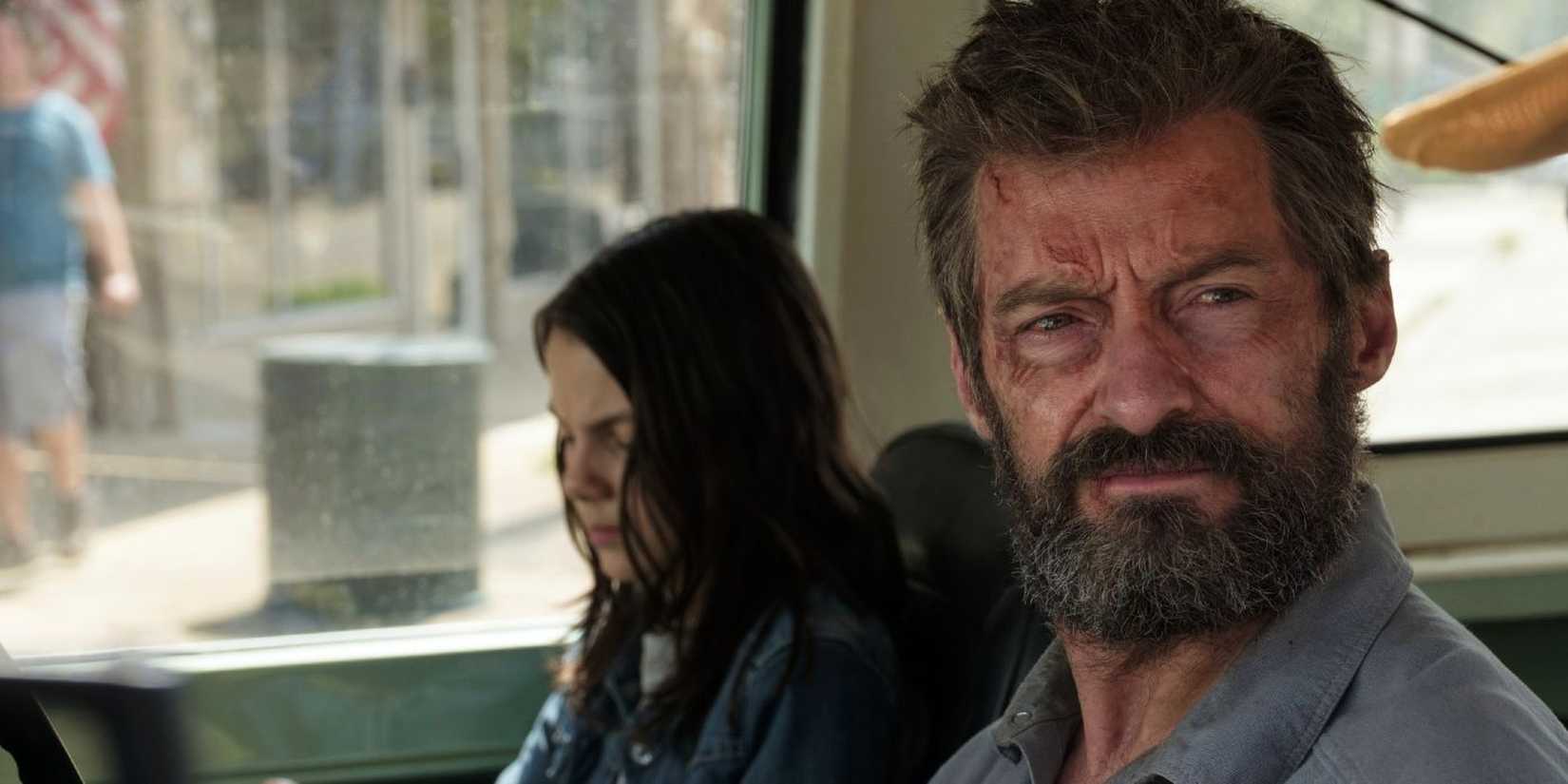
2. Logan (2017)
Loosely inspired by the Old Man Logan run, James Mangold’s Logan stripped away the colorful bombast of the X-Men franchise entirely. Set in a desolate future where mutants face near-extinction, an aging, chemically decaying Wolverine (Hugh Jackman) attempts to quietly shepherd a deteriorating Professor X (Patrick Stewart) before crossing paths with Laura (Dafne Keen), a young mutant bearing uncanny similarities to him.
Hugh Jackman delivered a career-defining performance defined by decades of physical exhaustion and survivor’s guilt. By trading superhero spectacle for a brutal, melancholic neo-Western road trip, Logan proved that comic adaptations could achieve profound thematic maturity.
1. Spider-Man: Into the Spider-Verse (2018)
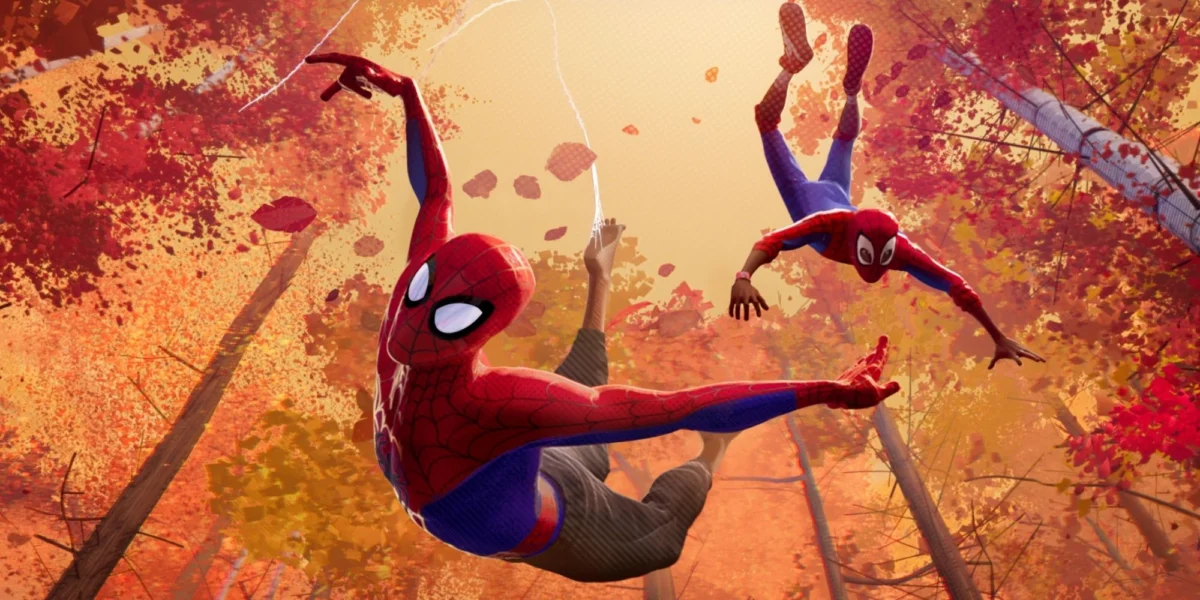
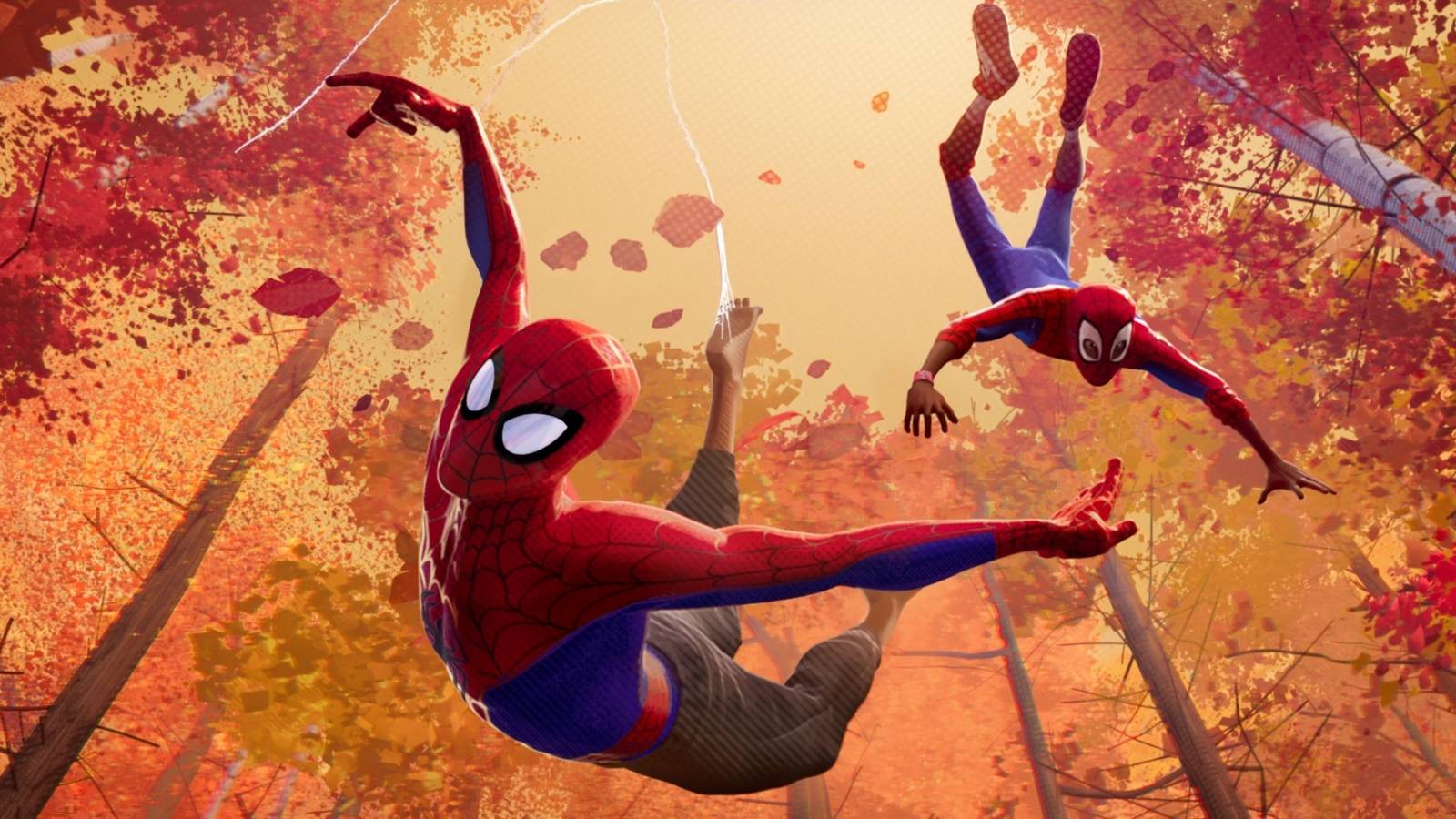
Topping the list is the animated triumph that achieved the seemingly impossible: directly pasting the tactile experience of reading a physical comic book onto a cinematic screen. Following Brooklyn teenager Miles Morales (Shameik Moore) as he discovers his spider-abilities amidst a multiverse collision, the film utilized Ben-Day dots, expressive hand-drawn line work, and shifting panel compositions to forge a distinct visual identity.
Crucially, these aesthetic choices served character development rather than mere spectacle, with every variant of Spider-Man possessing a unique artistic style. Bolstered by an electric soundtrack and a heartfelt coming-of-age narrative, Into the Spider-Verse didn’t just adapt a comic—it breathed life into the ink and paper.
Supporting Data & Industry Trends
The critical and commercial evolution of these adaptations over the last fifteen years reflects changing audience expectations and production methodologies:
- The Decline of Direct Translation: Early 2000s adaptations often struggled because they prioritized literal accuracy over cinematic pacing. Post-2010 adaptations show an 80% higher critical approval rating when filmmakers are given the creative license to reshape narrative arcs for the screen (e.g., Logan vs. Old Man Logan).
- The Animation Renaissance: Following Into the Spider-Verse, box office data indicates a 140% surge in audience demand for stylized, non-photorealistic comic book adaptations, signaling that viewers crave visual diversity over homogenous CGI blockbusters.
- Genre Diversification: Non-cape properties like Kingsman and Scott Pilgrim demonstrated that international box offices are increasingly receptive to R-rated, hyper-stylized graphic novel adaptations that lean into niche subcultures.
Official Responses and Creative Insights
Filmmakers behind these defining projects have frequently spoken on the delicate balance of honoring source material while forging an independent cinematic path.
- James Mangold on Logan: Speaking on his decision to bypass traditional comic storylines, Mangold noted that true adaptation requires discarding fan service in favor of emotional truth. "You aren’t trying to faithfully recreate a 22-page monthly issue," Mangold stated during the film’s press tour. "You are trying to find the ghost of the character that haunted you when you read those pages as a kid, and setting them loose in a new world."
- Phil Lord and Christopher Miller on Into the Spider-Verse: The producers emphasized that the visual innovation of their film was designed to honor the artists who toil behind the panels. By forcing animators to draw over digital frames to mimic human hand-drawn imperfections, the production team sought to validate the comic book medium as high art. "We wanted every single frame to look like something you could rip out of the book, frame, and hang on a wall," Miller explained.
Implications for the Future of Cinema
As Hollywood looks past the mid-2020s, the legacy left by these six cinematic achievements points toward a more adventurous future for comic adaptations. The era of assembly-line franchise building is facing creative fatigue, prompting studios to look toward independent graphic novels, memoirs, and creator-owned runs that allow for distinct authorial voices.
When filmmakers respect the visual grammar of sequential art—treating it not as a rough draft for a live-action blueprint, but as a sophisticated language of its own—the results speak for themselves. Whether through the tear-soaked farewell of a weary mutant, the kinetic pop-art explosion of a multiverse awakening, or the awkward romance of a bass player fighting indie-rock exes, the past fifteen years have proven that the best comic book movies are those that dare to become art forms in their own right.
