
The Legend Meets the Small Screen: Prime Video’s ‘The Greatest’ Seeks to Definitive-Map the Life of Muhammad Ali
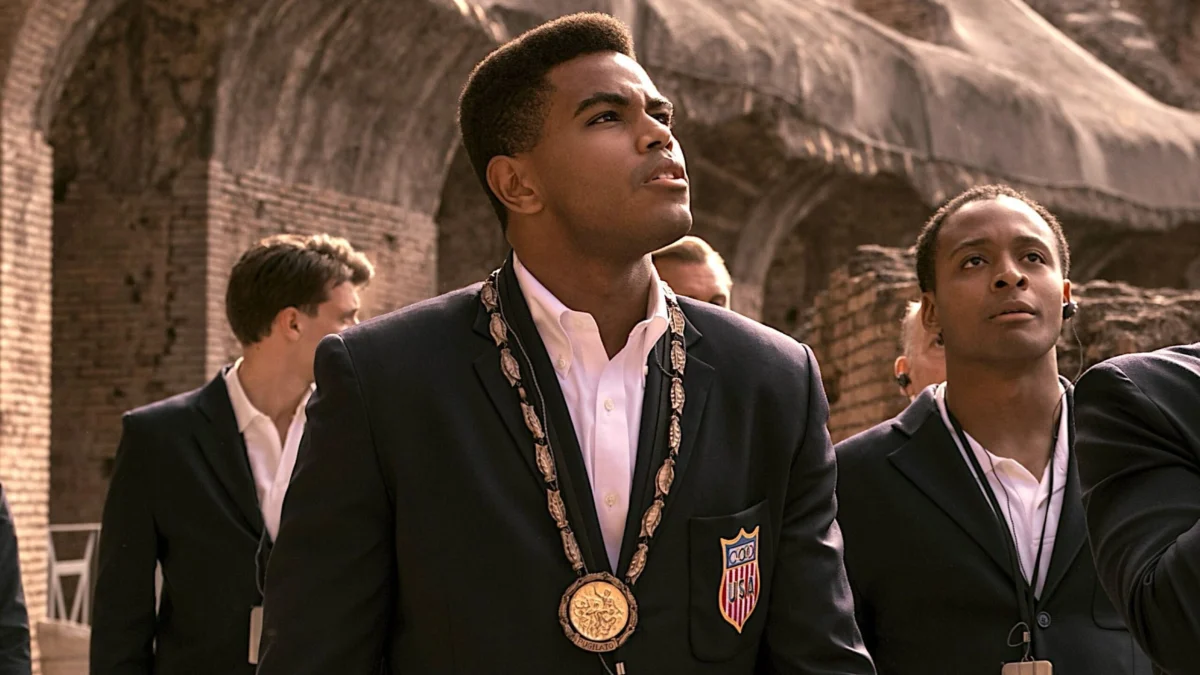
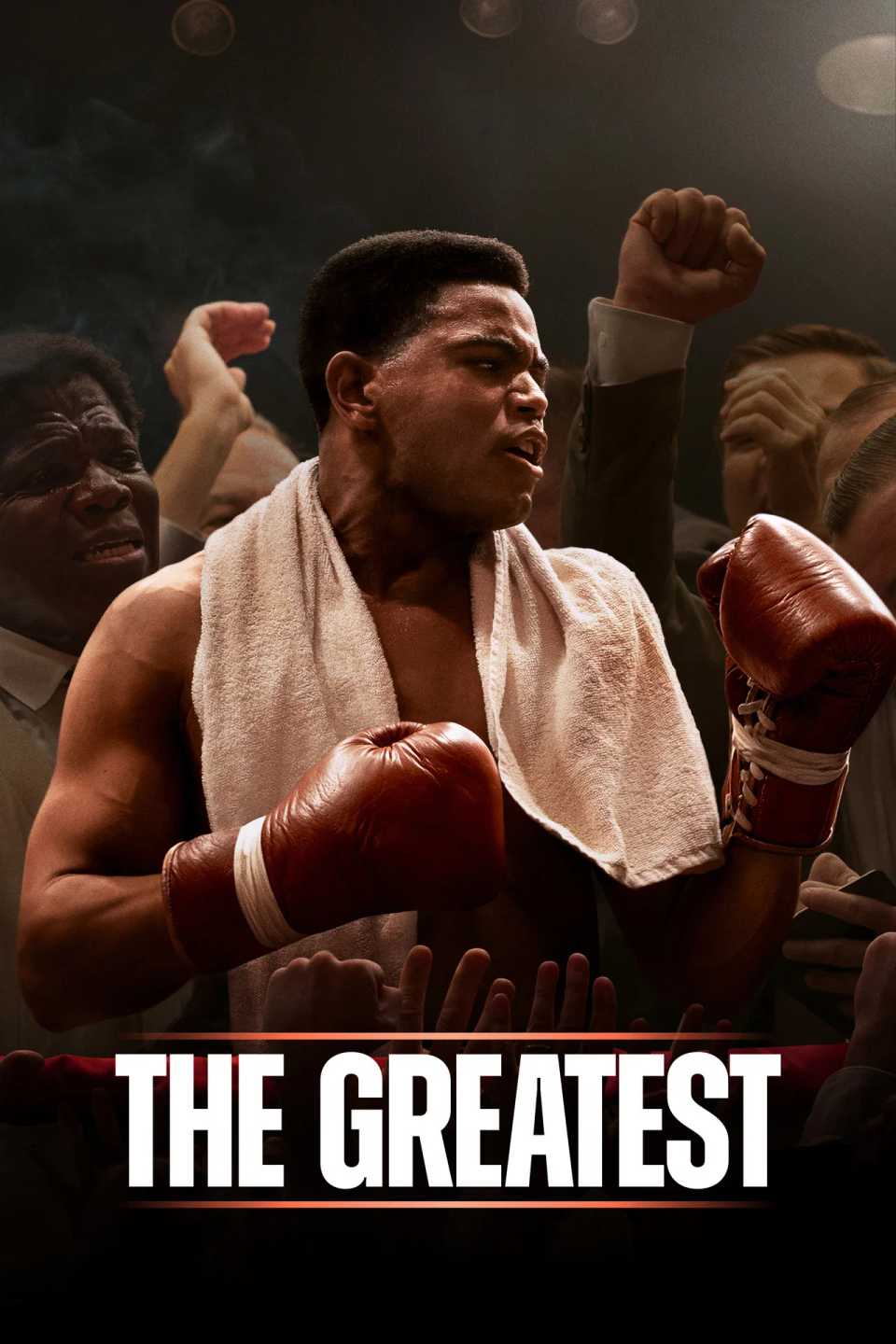
Few figures in modern history have captured the global imagination quite like Muhammad Ali. As a global sports icon, a political lightning rod, and a cultural touchstone whose impact resonates deeply to this day, "The Greatest" transcended the sport of boxing to become a symbol of resilience, conviction, and defiance. Now, in what is billed as the most comprehensive television adaptation of his legendary life ever produced, Prime Video is preparing to drop its major new biographical series, aptly titled The Greatest.
Set to premiere all eight episodes of its inaugural season exclusively on November 4, the series aims to dive past the mythos and explore the complex man behind the moniker. With heavy-hitting creative forces behind the camera, a meticulously curated ensemble cast, and the full backing of the Ali estate, the project is positioning itself as one of the most anticipated streaming events of the year.
The Main Facts: What to Expect from The Greatest
At its core, The Greatest is an ambitious eight-episode biographical drama chronicling the meteoric rise of the man born Cassius Marcellus Clay Jr. Stepping into the monumental boxing trunks and charismatic persona of the heavyweight champion is Jaalen Best, recognized for his work in All American: Homecoming.
Rather than attempting to compress Ali’s entire multi-decade life and career into a single feature film, the episodic format of Prime Video’s series allows for a patient, granular exploration of his formative years. Season 1 zeroes in on the foundational chapters of Ali’s life:
- His upbringing in Louisville, Tennessee (and Kentucky)
- His early days developing his craft as an amateur fighter
- His triumph at the 1960 Olympic Games in Rome, where he secured a gold medal
- His electrifying transition into the professional ranks
- His earth-shattering initial showdowns against reigning heavyweight champion Sonny Liston
The production itself is a massive international endeavor. Filming for the first season took place on location across Ontario, Canada, utilizing the urban landscapes of Toronto, Hamilton, and Cobourg to recreate mid-20th-century America.
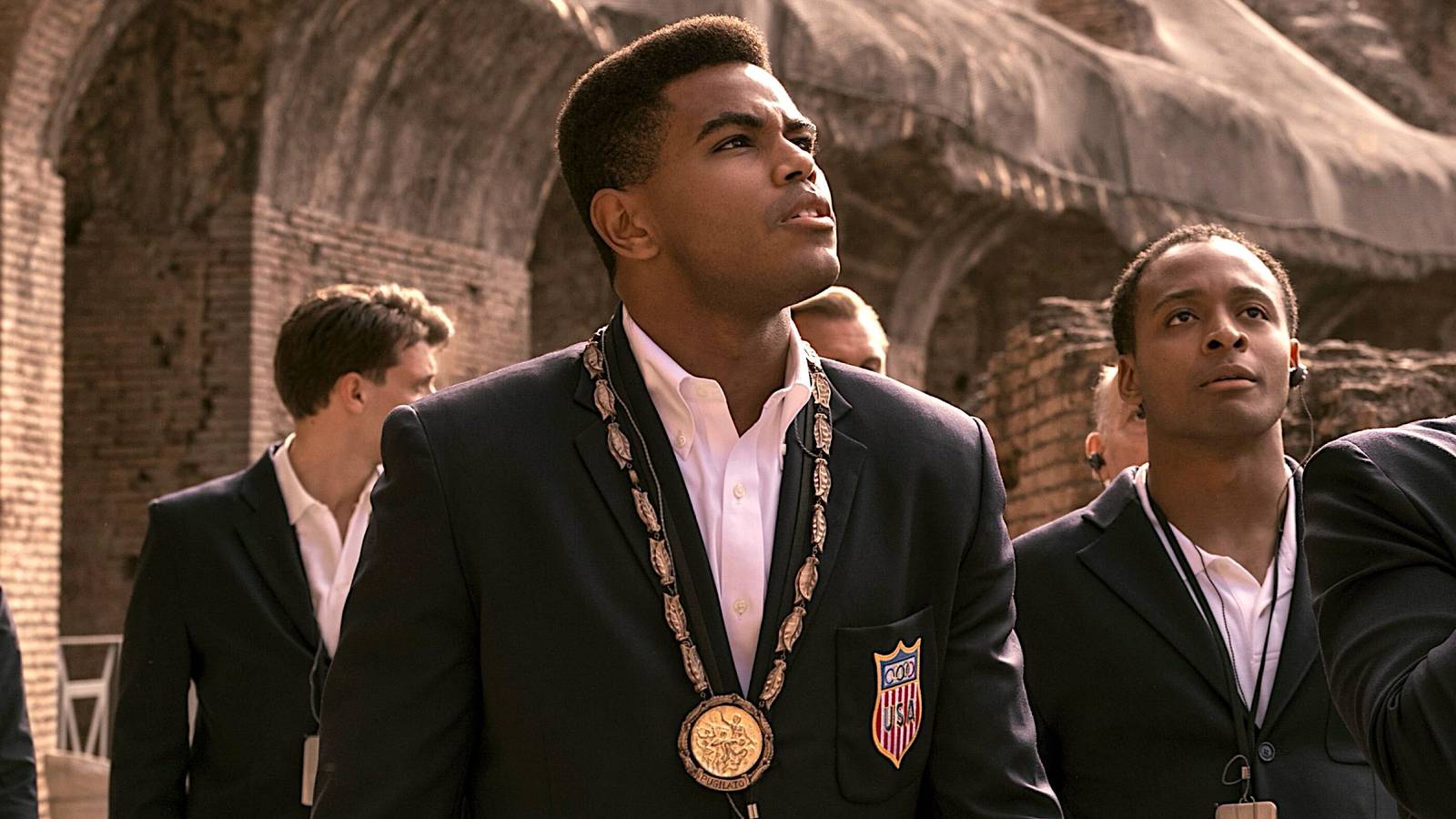
The series boasts an impressive supporting cast portraying the real-life historical heavyweights who shaped Ali’s trajectory. Omari Hardwick (Power) and Dana Gourrier (The Hateful Eight) star as Ali’s parents, Cassius Clay Sr. and Odessa Clay. Giovanni Ribisi (Avatar) steps into the role of Angelo Dundee, Ali’s legendary, long-time cornerman and trainer. Amin Joseph (Snowfall) brings intensity to the ring as rival boxer Sonny Liston, while Michael Ealy (Barbershop) takes on the profound role of civil rights and religious leader Malcolm X, whose mentorship inspired Ali to join the Nation of Islam. The ensemble is rounded out by Reno Wilson (Dexter: Original Sin) as cornerman Drew Bundini Brown and Chris Jericho (Terrifier 3) as the flamboyant professional wrestling pioneer Gorgeous George, whose larger-than-life persona heavily influenced Ali’s own promotional shtick.
Chronology of a Champion: Tracing the Narrative Arc
To truly understand the narrative weight of The Greatest, one must look at the specific historical timeline Season 1 explores. The framing of the series follows a precise trajectory from obscurity to global superstardom:
- The Formative Years: The series starts by grounding viewers in the racial and social realities of the American South during Ali’s youth, examining the sparks of athletic genius and unyielding self-belief that marked Cassius Clay Jr. long before he stepped into a professional ring.
- The 1960 Rome Olympics: A crucial turning point in sports history, the series captures the young amateur’s journey to the international stage, culminating in his light heavyweight gold medal victory—and the stark reality of returning to a segregated homeland that still refused to afford him basic civil dignity.
- The Rise of the Louisville Lip: The narrative tracks Clay’s entry into the professional boxing scene, highlighting his poetic trash-talk, his unmatched footwork, and the establishment of his distinct public persona that polarized sports journalists and captivated the public.
- The Liston Bouts and Spiritual Awakening: Season 1 culminates in the seismic 1964 clash where a young Cassius Clay stunned the sporting world by defeating the terrifying Sonny Liston to win the world heavyweight championship—followed closely by his public name change to Muhammad Ali and his alignment with the Nation of Islam, a move that forever altered the intersection of sports, religion, and American politics.
Supporting Data and Production Pedigree
Bringing a historical icon of this magnitude to life requires an exceptional production infrastructure, and Prime Video has spared little expense.
Behind the camera, the creative vision is spearheaded by Ben Watkins, who serves as creator, showrunner, and director. Watkins is no stranger to high-stakes, gripping television storytelling, having previously served as showrunner and executive producer on Prime Video’s hit crime-thriller series Cross.
Crucially, The Greatest was developed and produced in close collaboration with Muhammad Ali’s estate, ensuring an authentic, respectful, and nuanced portrayal of the boxing legend’s life. Ali’s widow, Lonnie Ali, serves as an executive producer, lending the project a vital layer of personal oversight and historical accuracy.

The executive producer roster reads like a who’s who of contemporary prestige storytelling. It includes Michael B. Jordan and Elizabeth Raposo under their Outlier Society banner—a production company known for its commitment to culturally resonant, high-impact storytelling (such as the Creed franchise). Additional executive producers include Josh Wakely, Corey Salter, Marc Rosen, Matthew Gross, Michele Anthony, and Boyd Muir.
Furthermore, the directorial and writing teams reflect a diverse and experienced collective. Alongside Ben Watkins, episodes are directed by Stacey Muhammad and Craig Siebels. The writers’ room features Jeff Augustin, Aiyana White, Blaize Ali-Watkins, Chris Erric Maddox, and Maria Warith-Wade, ensuring that the dialogue, cultural nuances, and socio-political context of the 1960s are handled with precision and depth.
Official Responses and Creative Vision
The announcement and impending release of The Greatest have generated significant buzz across the entertainment and sports industries. Speaking on the project, the creative team has repeatedly emphasized the necessity of looking beyond the iconic fight posters and soundbites to capture the authentic human cost of Ali’s convictions.
By focusing Season 1 on the pivotal years of his early adulthood—a time when he faced immense backlash from the sports establishment, the media, and the United States government for his religious and political choices—the series aims to highlight Ali’s courage outside the ring as much as his dominance inside it.
The involvement of Lonnie Ali and the estate has been a cornerstone of the project’s marketing and critical anticipation. In statements accompanying the early promotional rollouts, representatives for Outlier Society highlighted that the series strives to honor Ali not just as an athlete who "floated like a butterfly and stung like a bee," but as a complex intellectual, a devoted son, a spiritual seeker, and a cultural revolutionary whose decisions changed the blueprint for modern athlete-activists.
Implications: What The Greatest Means for Streaming and Sports Biopics
The launch of The Greatest arrives at a fascinating cultural crossroads. In recent years, biographical dramas about athletes have often leaned toward either sanitized hagiography or quick-turnaround documentaries. A prestige, high-budget, scripted episodic series about Muhammad Ali sets a new benchmark for how sports history can be adapted for television.
1. Elevating the Sports Bio-Series Format
By choosing an eight-episode arc for just the first phase of Ali’s life, Prime Video is betting that audiences crave depth over speed. If successful, The Greatest could pave the way for more serialized, novelistic explorations of historical icons, moving away from compressed two-hour films that struggle to contain monumental lives.
2. A Blueprint for Legacy Collaboration
The direct involvement of the Ali estate, alongside powerhouse producers like Michael B. Jordan, establishes a new gold standard for biographical integrity. Viewers and critics are increasingly skeptical of unauthorized or superficial adaptations; the partnership with Lonnie Ali reassures fans that the storytelling will honor the truth of his legacy.
3. Cultural Relevance in Modern Athletics
Muhammad Ali essentially invented the modern template of the athlete-activist—athletes who use their platform to speak truth to power, risk their careers for their beliefs, and defy the boundaries assigned to them by society. As contemporary sports stars continue to navigate politics, social justice, and personal branding, a high-profile television series exploring Ali’s radical transformation in the 1960s serves as both a historical retrospective and a timely mirror for today’s cultural climate.
As the November 4 premiere date rapidly approaches, all eyes are on Prime Video to see if Jaalen Best and the powerhouse creative team can deliver a masterpiece worthy of the man who proudly proclaimed himself "The Greatest of All Time."
