
Denzel Washington’s 148-Minute Historical Epic "Gladiator II" Dominates Netflix Charts as an Undeniable Streaming Juggernaut
Main Facts
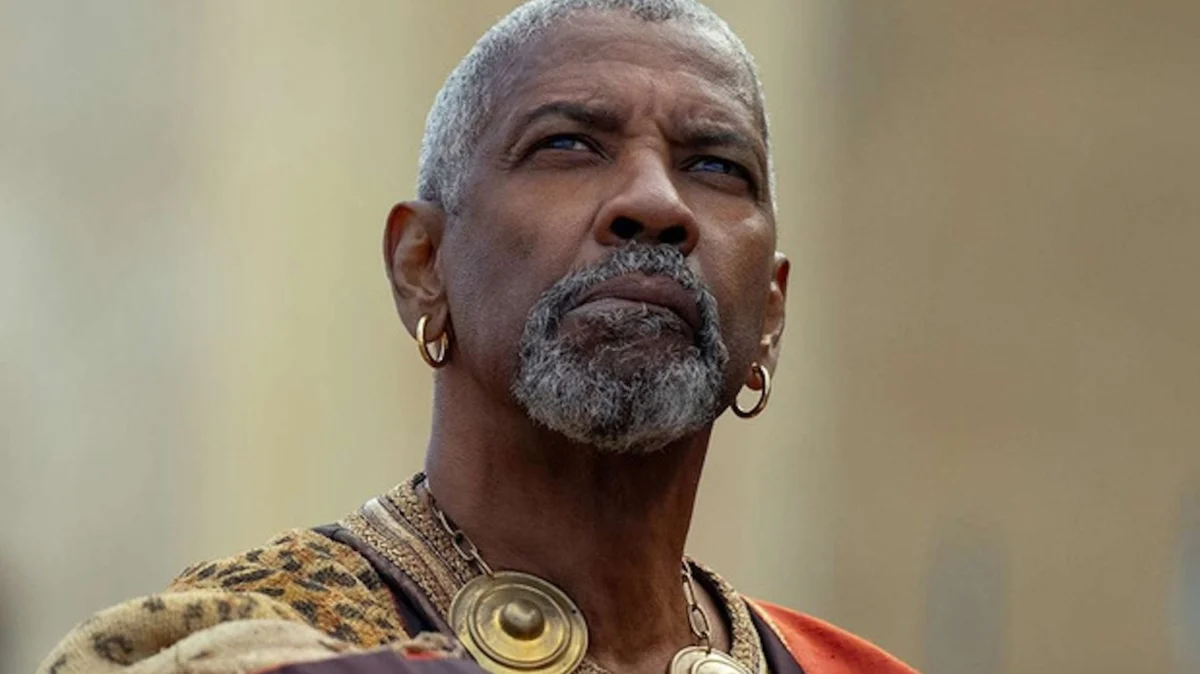
Denzel Washington’s star power continues to transcend both traditional theatrical windows and home viewing platforms. Following its cinematic release, Ridley Scott’s sprawling 148-minute historical epic, Gladiator II, has officially stormed onto Netflix, instantly seizing the platform’s coveted number-one spot. Upon its streaming debut, the Paramount Pictures release wasted no time knocking the previous chart-topper, Animals, down a peg, proving that audiences are more than ready to revisit the Colosseum from the comfort of their living rooms.
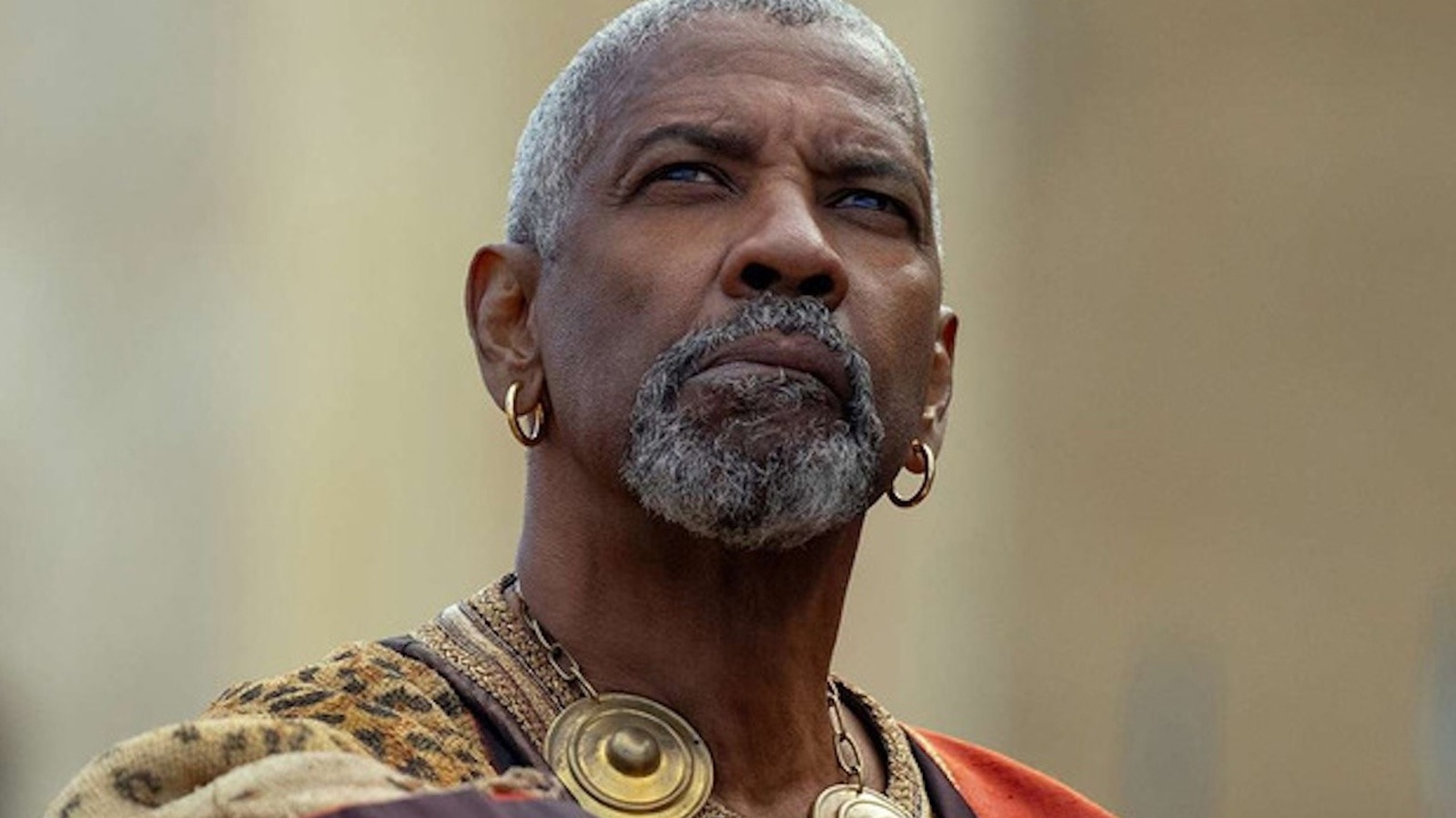
While the film has drawn mixed critical comparisons to Ridley Scott’s 2000 Best Picture-winning masterpiece, its immediate dominance on Netflix highlights an undeniable cultural appetite for grand-scale, star-driven spectacles. At the center of this streaming success is two-time Academy Award winner Denzel Washington, whose magnetic, scenery-chewing performance as the devious power-broker Macrinus has been widely cited as the primary engine driving viewer engagement.
Clocking in at two hours and twenty-eight minutes, the film offers a heavy dose of the "dad movie" demographic’s preferred cinematic ingredients: brutal gladiatorial combat, political treachery, grand scale set pieces, and even unexpected aquatic menaces like arena-bound sharks. Despite mixed reactions from early theatrical audiences—evidenced by a "B" CinemaScore compared to the original film’s stellar "A"—the migration to streaming has breathed new life into the historical epic, cementing it as a certified home-viewing blockbuster.
Chronology of Release and Streaming Ascent
The journey of Gladiator II from a high-stakes theatrical gamble to a streaming titan spans several distinct phases:
- Late 2024 Theatrical Run: Gladiator II arrives in global movie theaters amidst immense expectations, carrying the heavy burden of following up one of the most beloved historical dramas of the 21st century.
- Awards Season Window: During the subsequent awards circuit, the film generates early buzz—particularly for Denzel Washington’s supporting turn—though it ultimately struggles to secure major wins, being relegated largely to technical and craft considerations despite high-profile endorsements from filmmakers like Christopher Nolan.
- Theatrical-to-Streaming Window: Following its box office run, the film transitions to digital storefronts and premium video-on-demand platforms.
- October 2026 Netflix Debut: The historical epic officially drops on Netflix, immediately catapulting to the number-one spot on the platform’s daily top 10 charts, dethroning Animals on its very first day of release.
Supporting Data and Production Context
To understand the scale of Gladiator II and its performance on streaming, it is vital to examine the production metrics, reception statistics, and talent involved:
- Runtime: 148 minutes of sword-and-sandal spectacle.
- Director: Octogenarian auteur Ridley Scott, demonstrating his signature visual flair and commitment to massive physical scale alongside digital enhancements.
- Key Cast Members: Denzel Washington (Macrinus), Paul Mescal (Lucius Verus), Pedro Pascal (General Marcus Acacius), Connie Nielsen (Lucilla), and Joseph Quinn (Emperor Geta).
- Audience Reception Metrics: Earned a "B" CinemaScore from polled theatrical moviegoers, a slight dip from the original 2000 film’s "A" rating, yet it remains a massive draw for home audiences seeking immersive couch-viewing experiences.
- Awards Consideration Context: While shut out of major Oscar wins, Washington’s performance drew comparisons to his iconic, villainous, Oscar-winning turn in Antoine Fuqua’s 2001 crime thriller Training Day.
Critical Reception and Official Responses
Reaction to Gladiator II has been a fascinating study in contrasts between theatrical critical consensus and home-viewing reception. Upon its initial release, critics noted that while the film occasionally struggled to match the emotional resonance and tight narrative focus of Russell Crowe’s original outing, it more than made up for it in sheer audacity and visual ambition.
Acclaimed filmmaker Christopher Nolan notably threw his weight behind the project during its theatrical push, reportedly calling it one of the best films of its release year. However, Academy voters proved more hesitant, viewing the picture primarily as a technical triumph rather than an awards-season darling. When reflecting on the competitive Best Supporting Actor landscape of that year—which included heavyweights like Edward Norton (A Complete Unknown), Yura Borisov (Anora), Guy Pearce (The Brutalist), Jeremy Strong (The Apprentice), and eventual winner Kieran Culkin (A Real Pain)—Washington’s omission from the winner’s circle remains a point of debate among cinephiles.
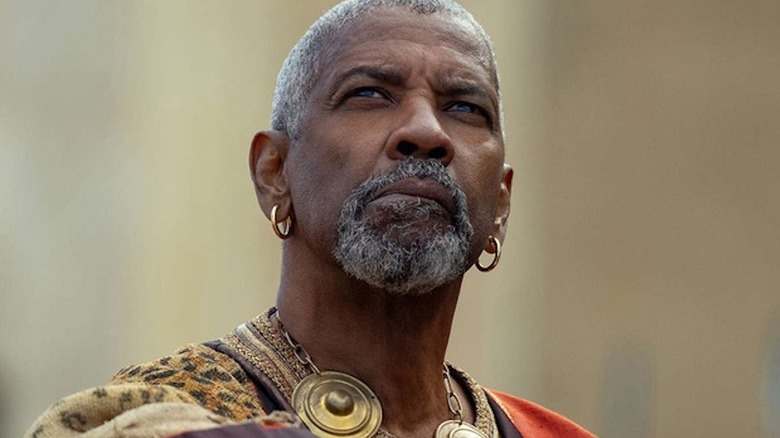
Despite awards-season snubs, the critical consensus on Washington’s performance remains unanimous. Reviewers have praised him for elevating what could have been a standard historical pastiche into a thrilling masterclass in screen presence. His portrayal of Macrinus—a former slave turned wealthy power broker manipulating the Roman Empire from the shadows—gives the veteran actor his most overtly villainous and entertaining sandbox in decades.
Implications for the Streaming Landscape and Star Power
The immediate domination of Gladiator II on Netflix carries several significant implications for the future of entertainment distribution, star branding, and audience behavior:
1. The Undiminished Power of the Movie Star
In an era dominated by intellectual property and franchise fatigue, the success of Gladiator II on streaming underscores the enduring currency of genuine movie stars. Denzel Washington’s name alone acts as a powerful algorithmic and cultural beacon. Whenever a Washington-led project hits a major streaming platform, it reliably commands the attention of millions, proving that star-driven curation still matters in a crowded digital marketplace.
2. The Re-valuation of "Big Screen" Epics at Home
While purists argue that sweeping historical epics lose their impact on smaller domestic displays, the massive streaming numbers for Gladiator II suggest the opposite. Audiences are increasingly eager to consume high-budget, 150-minute spectacles within the comfort of their living rooms. For many households, the home theater environment—equipped with larger flat screens and robust sound systems—serves as the preferred venue to catch up on ambitious historical dramas they may have missed in theaters.
3. Franchise Longevity and Nostalgia
The successful translation of the Gladiator franchise into a streaming hit highlights Hollywood’s ongoing reliance on legacy intellectual property. By bridging the generational gap between the 2000 original and the modern sequel, Paramount and Ridley Scott have created a durable property that benefits from multi-generational curiosity. As Netflix continues to acquire and host high-profile studio releases, Gladiator II stands as a prime example of how major historical epics can find a lucrative, highly engaged second life on subscription video-on-demand services.
