
The Anatomy of a Modern Monster: Deconstructing Jordan Downey’s The Cycle
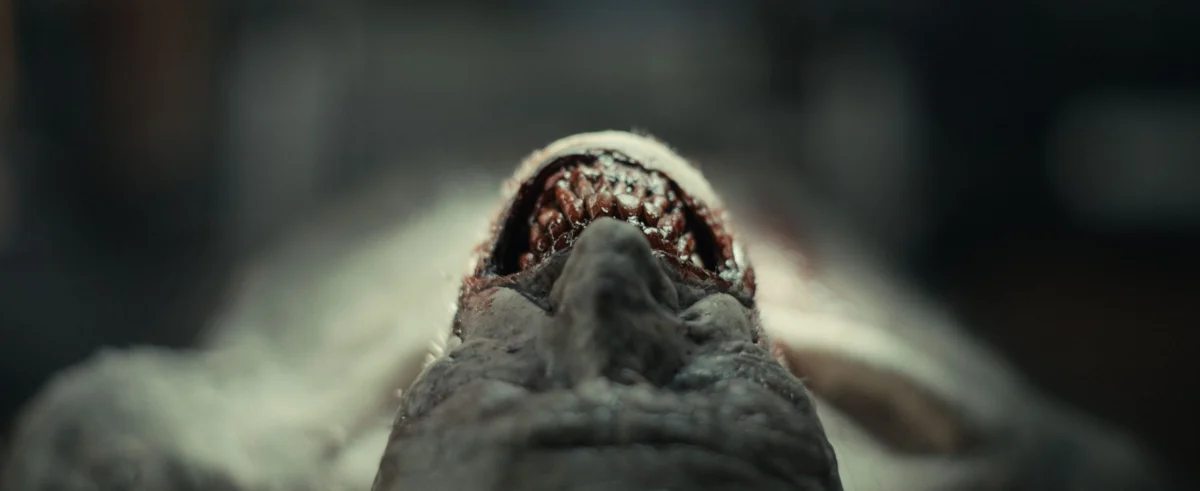
In the landscape of contemporary horror, where the reliance on digital effects often risks sanitizing the visceral terror of the genre, Jordan Downey’s The Cycle arrives as a defiant, snarling breath of fresh air. Now streaming on Shudder, the film—a hybrid of gritty police procedural and creature feature—has captured the attention of critics and audiences alike. It is a work that demands more than just passive viewing; it asks the audience to participate in a calculated unraveling of reality.
To understand the film’s success, one must look past the blood and bone to the collaborative alchemy between director Jordan Downey and leads Deborah Ann Woll and Jeffrey Donovan. In an exclusive deep dive, we explore how The Cycle reinvents the werewolf mythos, weaponizes narrative misdirection, and champions the tactile power of practical effects.
The Genesis of a Hybrid Thriller
The Cycle begins not as a creature feature, but as a grounded, cold-blooded investigation. The narrative structure mirrors the protagonist’s descent into the inexplicable. Meg, portrayed with clinical precision by Deborah Ann Woll, is a scientist—a woman whose worldview is built on logic, evidentiary support, and rational deduction.
The brilliance of the film’s opening act lies in its commitment to the “Sherlock Holmes principle”: once you eliminate the impossible, whatever remains, no matter how improbable, must be the truth. By forcing the audience to walk in lockstep with Meg’s analytical mind, Downey creates a foundation of intellectual rigor that makes the eventual transition into supernatural horror feel earned, rather than arbitrary.
Chronology of a Shift: The Art of the Narrative "Bait and Switch"
Perhaps the most discussed—and least expected—element of the film is its structural sleight of hand. The audience is introduced to Ian (Will Hochman), a character positioned as the archetypal romantic lead and investigative partner. The chemistry between Woll and Hochman is intentionally crafted to lull the viewer into a false sense of security, suggesting a conventional arc that ends in heroic triumph or tragic romance.
Then, the floor falls out.
"I think that’s such a wonderful part of the film," Jeffrey Donovan notes. "In an earlier version, my character, Marks, was the alpha in the room. I told Jordan, ‘If you’re going to play the bait and switch with Will’s character, you should build him up even more.’ We worked really hard on that because it makes the audience feel like they’re watching one movie, only to realize halfway through that they are actually watching something entirely different."
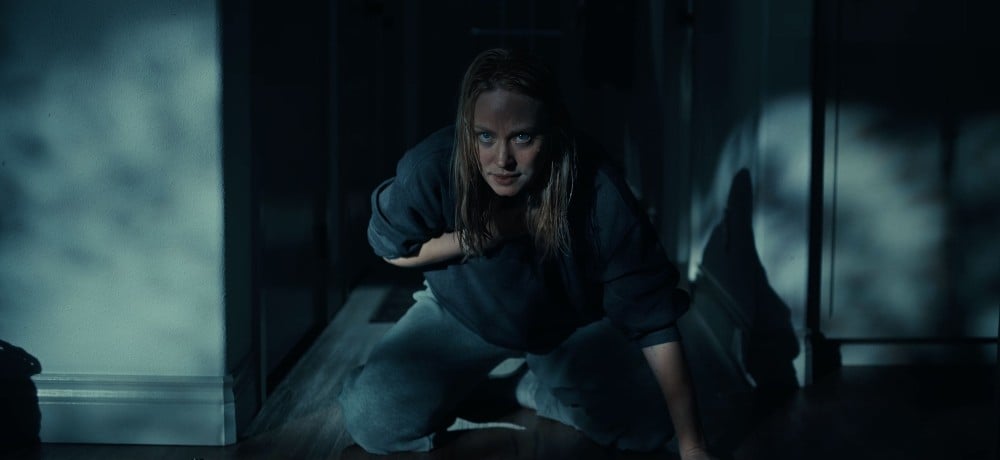
This narrative pivot serves a dual purpose. It subverts the "final girl" tropes and the "investigative team" clichés that permeate modern cinema, while simultaneously shifting the emotional weight of the film onto the unlikely partnership between Meg and Marks. As Jordan Downey explains, the death of the son (Ian) becomes the catalyst that forces these two disparate characters together, transforming a procedural into a character-driven study of shared trauma and existential dread.
The Practical Beast: Bringing the Nightmare to Life
While the screenplay is a feat of misdirection, the crown jewel of The Cycle remains its monster. In an era dominated by high-end CGI, Downey’s insistence on practical effects is a radical act of artistic conviction.
A Return to the Golden Age of Practicality
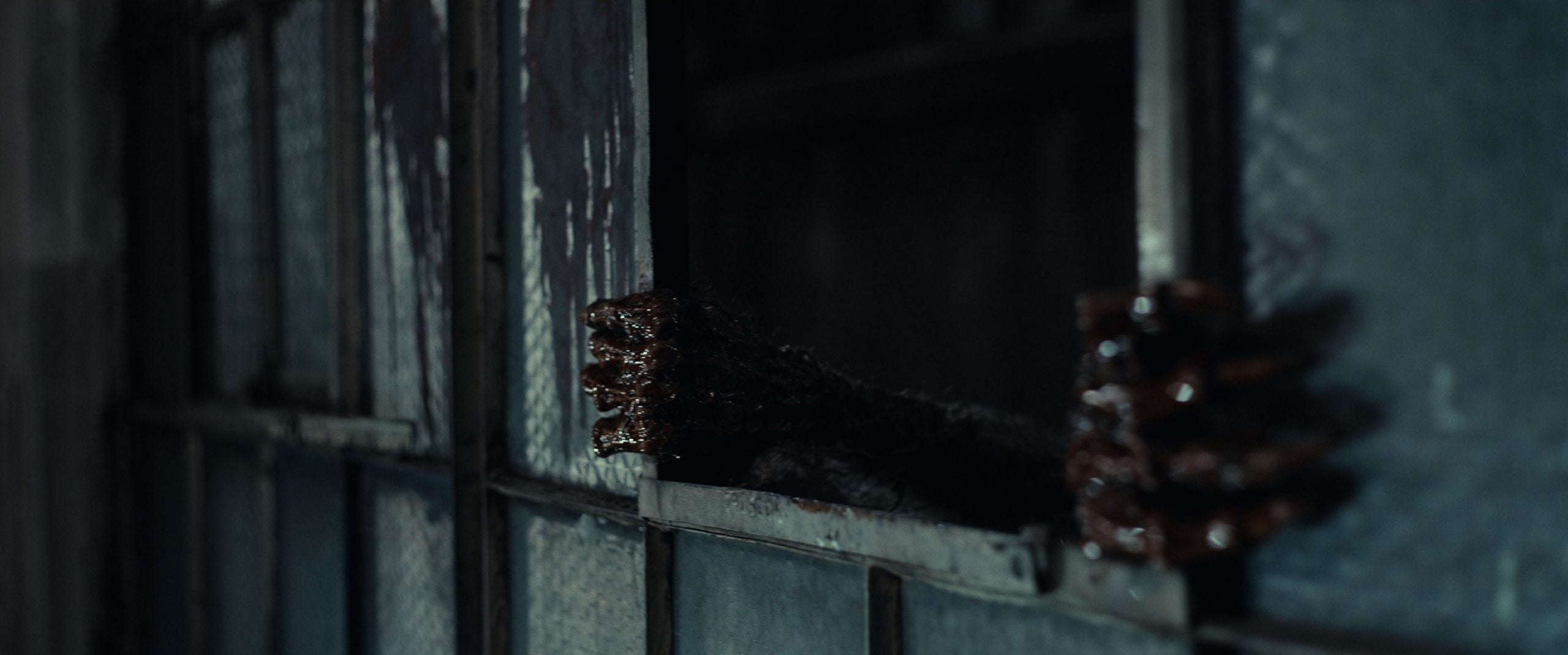
Downey cites legends like Rick Baker and Rob Bottin—the architects of The Howling and An American Werewolf in London—as his primary influences. "No one has really attempted anything at that level for so long," Downey says. "We had to show it. We had to see what that looked like with modern cameras and modern technology."
The design process was deeply tied to the film’s core concept: a werewolf that is not merely a wolf-man, but a physical manifestation of a "malfunctioning" resurrection. The creature is not an apex predator in the traditional sense; it is a broken thing. Its anatomy is asymmetrical—pock-marked, twisted, and inherently wrong.
The Actor’s Perspective
For Jeffrey Donovan, working with a physical entity rather than a tennis ball on a stick was a transformative experience. "It was thrilling to work with an artist like Trevor [Newlyn, the werewolf performer]," Donovan recalls. "He made it seem real. It gave us so much more to play off of."
Deborah Ann Woll agrees, noting that the sheer spectacle of the practical puppet often required her to fight her own sense of wonder. "The challenge is that you’re having so much fun that you have to remind yourself, ‘Oh yeah, this is supposed to be scary.’ But that awe actually worked for the character. Meg is a scientist—she is as fascinated by this phenomenon as she is terrified by it."
Supporting Data: Thematic Resonance
Beyond the scares, The Cycle succeeds because it treats its monster as a pathology. By framing the werewolf transformation as a disease—a corruption of the body rather than a mystical curse—the film aligns itself with the internal emotional journey of its leads.
- Emotional Disconnection: Meg begins the film cut off from her own emotions, mirroring the cold, analytical nature of her profession. As the mystery deepens, she is forced to confront her grief, effectively opening herself up to the vulnerability required to survive.
- The "Mulder and Scully" Dynamic: The film intentionally utilizes the language of True Detective and Se7en in its first half to build a sense of atmosphere. By the time the "impossible" occurs, the audience has been conditioned to look for rational explanations, making the creature’s reveal all the more jarring.
Implications for the Horror Genre
The success of The Cycle signals a potential shift in the horror market. By proving that a mid-budget, practical-heavy feature can resonate with modern audiences, Downey and his team have laid down a challenge to the industry. The film suggests that audiences are not looking for more "pixel-perfect" monsters, but for something with weight, texture, and a tangible presence.
Furthermore, the film’s narrative structure suggests that the "whodunit" subgenre still has plenty of life when injected with elements of cosmic or supernatural horror. By prioritizing character development over jump scares, The Cycle ensures that when the violence finally arrives, it hits with the weight of emotional finality.
Official Responses and Reflections
Reflecting on the final product, director Jordan Downey remains modest about the film’s ambitious balancing act. "There’s a lot of language from the later half of the movie present early on—sound design, score, specific camera movements," he explains. "We wanted the audience to feel like they were watching a police thriller, but with a lingering sense that something was wrong. Whether we got that balance right, that’s up to the audience."
If the early critical reception and the enthusiastic audience engagement are any indication, the balance was not only struck—it was mastered. The Cycle is a testament to the fact that when talented actors, a visionary director, and master-class special effects artists align, the result is a rare, terrifying, and profoundly human experience.
For those who have yet to view the film, a word of advice: do not trust the premise, do not get too attached to the characters, and—above all—keep your eyes on the shadows. The cycle is complete, and it is hungry.
