
The Weight of Love: How Delphine Priet-Mahéo’s Le Chevreuil Maps the Contradictions of Motherhood
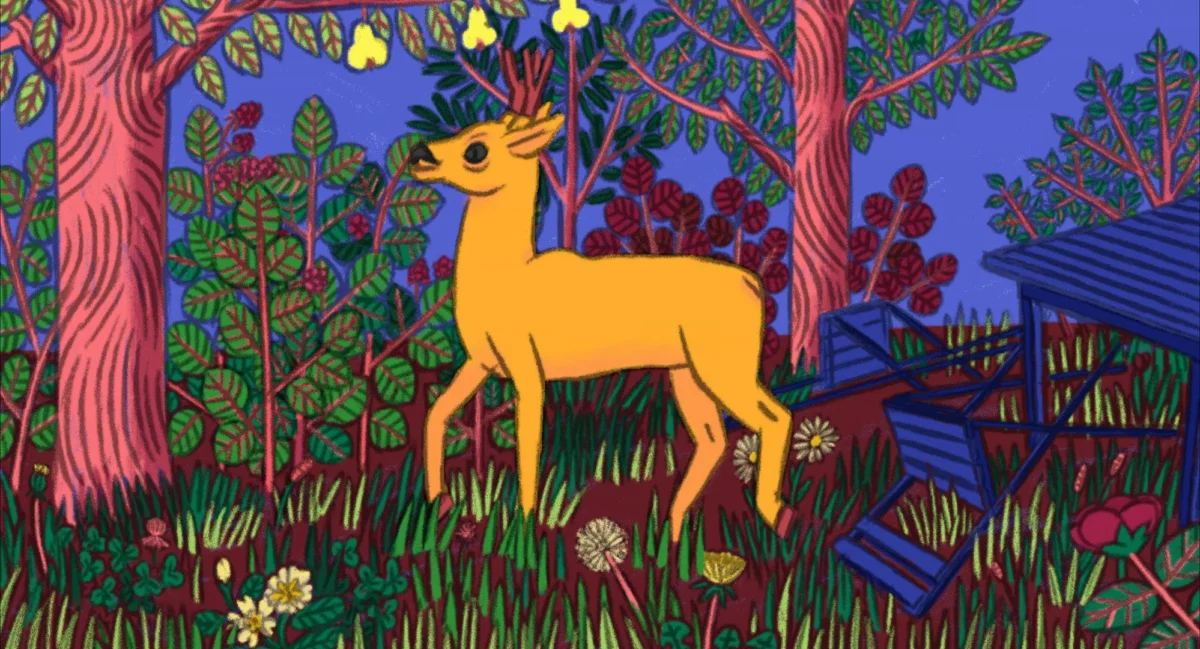
In the modern cinematic landscape, the domestic sphere is often portrayed as either a sterile backdrop for drama or a saccharine ideal of harmony. Rarely does a film capture the visceral, skin-prickling reality of parental exhaustion—that specific, hollowed-out feeling where love and resentment coexist in the same breath. Delphine Priet-Mahéo’s animated short film, Le Chevreuil (The Roe Deer), does exactly this. By weaving the mundane frustrations of family life with the surreal, dreamlike logic of a fable, the film offers a profound meditation on the necessity of escape and the eventual, often reluctant, pull of home.
The Anatomy of a Snap: The Inspiration Behind the Lens
The genesis of Le Chevreuil lies in the universal, if rarely articulated, desire to simply "step out" of one’s own life. For many, the memory of a parent reaching their breaking point is a formative, if jarring, childhood experience.
Reflecting on his own upbringing, the author recalls the relentless, instinctive testing of parental patience that defines many sibling dynamics. “Looking back, I suspect we possessed an almost instinctive understanding of exactly how far we could push things before someone finally snapped,” he notes. This recollection of his mother—not angry, but profoundly exhausted—serves as the emotional anchor for the film’s narrative arc.
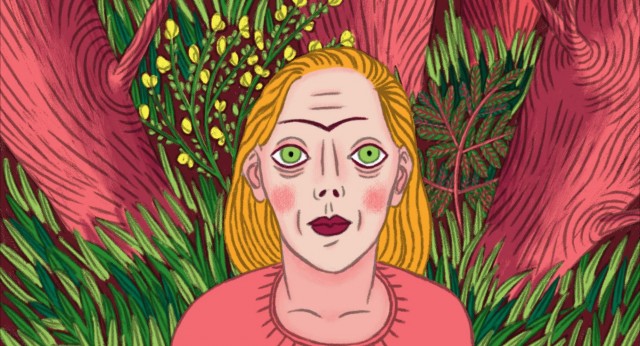
When a parent reaches that limit, the face they wear is not one of fury, but of a quiet, desperate plea for stillness. It is this exact state of being that Priet-Mahéo captures in the protagonist of Le Chevreuil. The film acts as a mirror, reflecting the contradictions of modern parenting: the overwhelming, fierce love for one’s children, the relentless sensory overload of domestic noise, and the accumulation of small, daily irritations that eventually demand a release valve.
Chronology of a Departure: The Narrative Arc
The film follows a structured progression, moving from the claustrophobia of the home to the expansive, dangerous freedom of the forest.
- The Domestic Siege: The film opens in the thick of domestic chaos. The protagonist, a mother balancing the myriad demands of her household, is pushed to the brink by the ceaseless activity of her children and the crushing weight of responsibility. The environment is presented as a pressure cooker, where the mundane becomes an obstacle.
- The Inciting Incident: Into this turmoil steps the titular roe deer. It is a moment of rupture—an ethereal, magical apparition that defies the logic of the kitchen and the living room. The deer acts as a siren, a call to return to a pre-parental self, a time defined by autonomy rather than obligation.
- The Pursuit of Solitude: Drawn by the promise of silence and the memory of her own youth, the mother follows the deer into the woods. This segment of the film shifts tone, moving from the sharp, cluttered aesthetic of the home to the fluid, atmospheric beauty of the wilderness.
- The Reality of the Wild: The escape, however, is not the panacea she anticipated. The woods are not merely a place of peace; they are a place of danger. The introduction of hunters provides a sharp, terrifying reminder of the fragility of the self. In the face of external threat, the mother’s perspective shifts: the safety and security of the "suffocating" home suddenly transform into the most precious commodity of all.
- The Return: The narrative concludes not with a grand epiphany, but with the quiet realization that one’s anchor is often found in the very things that pull at us the hardest.
Supporting Data and Creative Influences
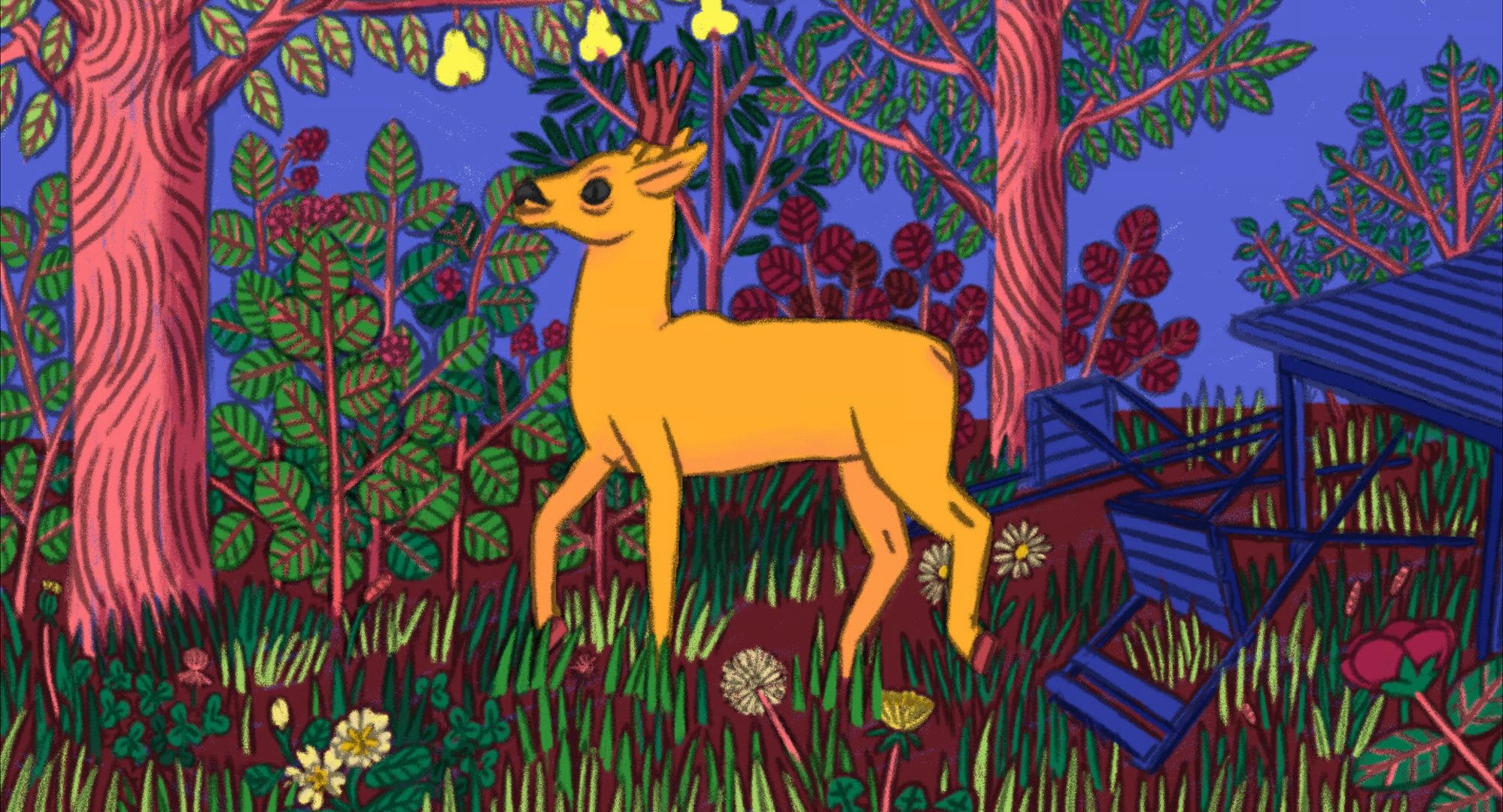
Priet-Mahéo’s aesthetic choices are instrumental in grounding the film’s surrealism. The visual style, which feels akin to an illustrated children’s book, provides a deceptive softness. This stylistic choice acts as a buffer for the film’s heavier themes, allowing the viewer to process the complexity of the narrative without being overwhelmed by a dark or cynical tone.
The Lewis Carroll Connection
The film draws a direct, intentional lineage to Lewis Carroll’s Alice in Wonderland. Much like the White Rabbit, the roe deer serves as a guide, pulling the protagonist out of her "reality" and into a liminal space. This literary inspiration elevates the film from a simple domestic drama to a psychological exploration. The movement between these two worlds—the mundane and the fantastical—is handled with a precision that ensures the viewer never loses sight of the ordinary human emotions at the center of the story.
The Role of Contrast
The film’s efficacy relies on the tension between two distinct environments:
- The Interior: Characterized by vibrant, perhaps even garish, colors, cluttered frames, and a sense of constant motion. It is where the children, left in the care of their father, continue their frenetic existence, emphasizing the mother’s absence.
- The Exterior: Characterized by a cooler, more muted palette, wider vistas, and a sense of stillness that is both beautiful and predatory.
Official Interpretations and Critical Reception
Critics have lauded Le Chevreuil for its ability to navigate the "impossibility" of modern motherhood. In an age where the "perfect parent" myth remains pervasive, Priet-Mahéo’s willingness to show a mother who wants to walk away from her life is viewed as both radical and deeply necessary.
The film serves as a validation for those who feel the weight of their roles. It does not judge the mother for her desire to leave; instead, it explores the complexity of that desire. By showing the dangers of the woods, the film suggests that the mother’s eventual return to her family is not a defeat, but a conscious choice to embrace the duality of her life.
As one observer noted, “The very relationships that test our patience are often the ones that make us feel most secure.” This is the crux of the film’s moral: we are held together by the very friction that occasionally makes us want to break apart.
Implications: The Future of Domestic Animation
Le Chevreuil suggests a shifting trend in short-form animation. We are moving away from the purely didactic or the purely whimsical, toward a genre of "emotional realism." By using the visual language of fairy tales to explore the psychological grit of adult life, creators like Priet-Mahéo are providing audiences with a new way to process the burdens of the human condition.
Why This Matters for Modern Families
The implications for the audience are significant. For many parents, viewing the film acts as a cathartic experience. It legitimizes the "hidden" feelings of exhaustion that are often suppressed due to societal pressure to be "always on."
Moreover, the film highlights the vital role of the partner. By showing the children turning to their father for entertainment during the mother’s absence, the film touches on the shared nature of domestic life. It is not merely the mother’s burden to bear; it is a family system that requires constant recalibration.
Conclusion: The Finality of Love
In its final moments, Le Chevreuil does not offer a simplistic "happily ever after." Instead, it offers a moment of profound acceptance. The mother, having confronted the wild and the risks inherent in true, absolute isolation, returns to the fold. She is changed, not by the absence of her responsibilities, but by the renewed understanding of why she accepts them.
Delphine Priet-Mahéo has crafted a piece of art that succeeds because it refuses to choose between the fairy tale and the kitchen sink. It acknowledges that life is both, simultaneously. For anyone who has ever felt the desperate, fleeting urge to disappear, only to be pulled back by the sound of a small voice or the weight of a hand in theirs, Le Chevreuil is a reminder that we are defined not just by the peace we seek, but by the love we are willing to endure.
It is a beautiful, aching, and ultimately life-affirming testament to the complicated, messy, and exhausting beauty of being a family.
