
The Impossible Task: How Phil Lord and Chris Miller Conquered "Project Hail Mary"
In the landscape of modern cinema, few filmmaking duos command the same level of creative reverence as Phil Lord and Chris Miller. Having redefined animation and live-action hybridization with projects like Spider-Man: Into the Spider-Verse and 21 Jump Street, the pair recently faced their most daunting challenge to date: adapting Andy Weir’s acclaimed sci-fi novel, Project Hail Mary.
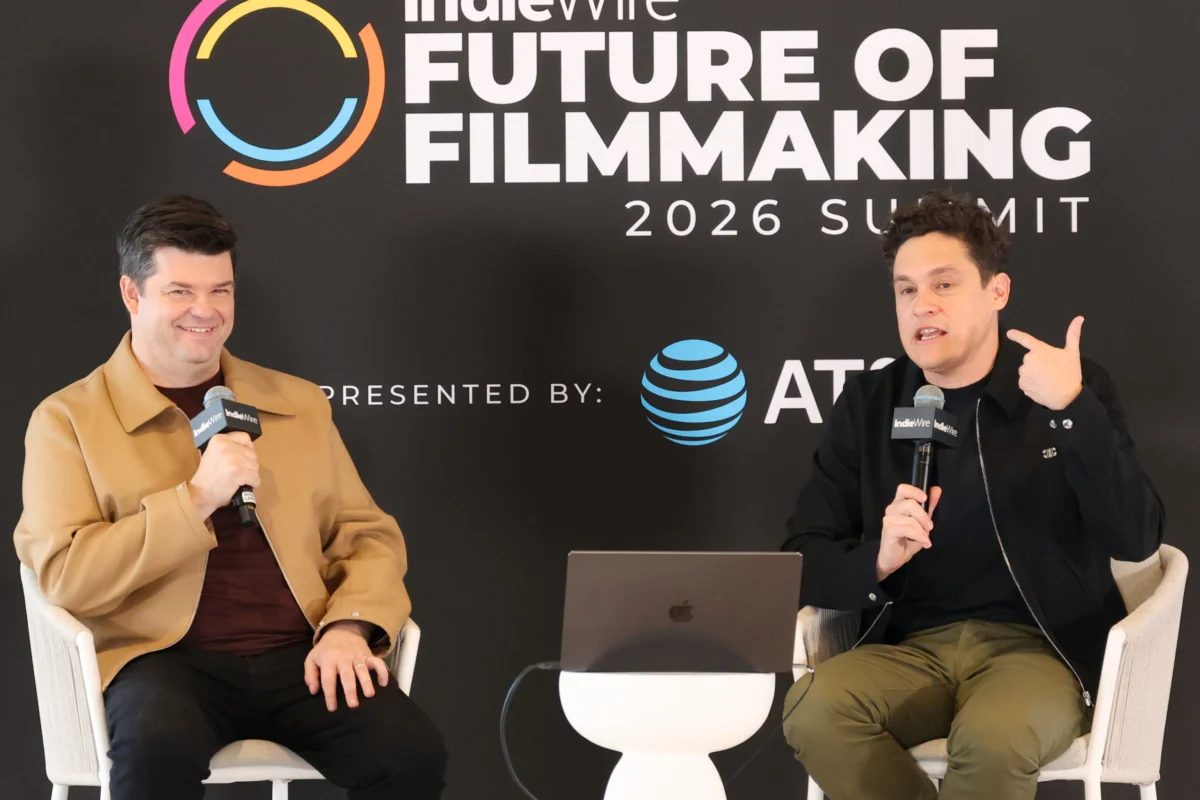
During a candid, hour-long keynote presentation at IndieWire’s Future of Filmmaking 2026 Summit, presented by AT&T, Lord and Miller peeled back the curtain on the production. Describing it as "the hardest movie" they have ever made, the duo provided a masterclass in modern problem-solving, illustrating that the technical complexities of space travel and alien contact were only matched by the delicate art of maintaining emotional sincerity.
The Philosophy of Difficulty
For Lord and Miller, the struggle of production was not merely a byproduct of the genre; it was a deliberate thematic choice.
"We wanted to make a movie about doing difficult things," Lord explained to a captivated audience at the summit. "And in order to do that, we had to make the movie as difficult as possible."
This meta-approach to filmmaking—aligning the production experience with the protagonist’s journey—was the North Star of the project. The film, which stars Ryan Gosling as the lone human survivor of an interstellar mission to save Earth, relies heavily on the bond between the human protagonist and an alien entity known as Rocky. Capturing that connection required a grueling blend of practical puppetry, advanced VFX, and on-set spontaneity that challenged every department on the crew.
Crafting an Alien: The Puppetry Paradigm
The central hurdle of Project Hail Mary was ensuring that Rocky—a geode-like, non-humanoid alien—felt tactile and real to the audience. Relying solely on computer-generated imagery was never an option for the directors.
"We knew that we wanted to make him a physical puppet, at least to start," Lord noted, showcasing early stop-motion tests during the summit. "There is a lot of CG in the movie, but we wanted the inspiration to be puppetry. I actually begged them to let us do the whole movie this way. It would have cost a billion dollars, but it would have been worth it."
The reliance on physical puppetry served a specific psychological purpose: it gave Ryan Gosling a tangible presence to react to. Miller emphasized that the film’s success hinged entirely on the chemistry between the two leads.

"The idea that Ryan could do the whole movie talking to a tennis ball on a stick by himself was impossible," Miller stated. "The reason why you believe Yoda—who is, let’s be honest, kind of a shitty puppet—in Star Wars is because Mark Hamill believes it’s real. He confers authenticity onto it. Ryan does the same thing. He makes you believe because he has so much range and so much heart."
Spontaneity as a Narrative Tool: The Sandra Hüller Karaoke Scene
While the technical wizardry of space travel dominated the production, one of the film’s most poignant moments was born from a moment of pure, unscripted serendipity.
The scene features Sandra Hüller’s character, a typically stoic and cold-blooded task force leader, breaking her professional facade with a soulful rendition of Harry Styles’ "Sign of the Times." The origin of this scene is a testament to Lord and Miller’s collaborative directing style.
"Ryan [Gosling] came to us and said, ‘Sandra has an amazing singing voice. And she sings in between takes,’" Miller recalled. "If you’ve ever seen the film Toni Erdmann—and if you haven’t, I highly recommend it—you know she sings and it’s fantastic."
The directors decided to integrate this discovery into the script, choosing to frame it as a challenge from Gosling’s character to break through her emotional walls. The execution, however, was a logistical high-wire act.
"The most uncool thing you can do to an actor is come to them 36 hours before and say, ‘Do you mind singing a song tomorrow?’" Lord admitted. "And she, being a very gracious, incredible, delightful, super-talented artist, was like, ‘I’ll do it if I get to pick the song.’"
The song choice—a massive hit by Harry Styles—created an immediate hurdle for the legal team regarding music rights. As Miller joked, "Really, really expensive song. That’s fine. That’s great."
The Technical Execution of Emotion
Once the clearance was secured, the production team faced the challenge of filming the sequence without rehearsals. Lord and Miller chose to shoot the cast’s reactions first, capturing genuine awe at Hüller’s performance.

"The first thing we shot was the reaction of the cast, which is very genuine," Miller explained. "We were all agog at how beautiful it was. Then we came around and shot Sandra’s side. And then our amazing editor, Joel Negron, cut it together like a dialogue. At first, she’s talking to the crew, but by the end, the edit makes it feel as if she is talking to Ryan directly. It creates this profound, intimate connection."
This sequence exemplifies the directors’ philosophy: that even in a high-concept science fiction epic, the most memorable moments are those that prioritize human vulnerability over spectacle.
Implications for Future Filmmaking
The success of Project Hail Mary serves as a case study for the industry. In an era where digital effects can create anything, Lord and Miller argue that the soul of a film remains tied to physical reality. Their "deck"—the presentation used at the summit to illustrate the evolution of their process—showcased how stop-motion testing, practical puppetry, and a willingness to embrace actor-led improvisation can yield results that resonate deeply with audiences.
The audience response has been overwhelmingly positive, with many viewers noting that they found themselves unexpectedly moved by the film’s core relationships. One slide in the directors’ deck summed up this sentiment perfectly: "You made me cry over a rock."
Conclusion: Lessons from the Summit
The Future of Filmmaking 2026 Summit, presented by AT&T, highlighted not just the technical prowess of Lord and Miller, but their enduring commitment to storytelling. Their journey through Project Hail Mary serves as a blueprint for future creators: when faced with a "difficult" task, do not shy away from the complexity. Lean into it.
As Lord remarked, "Movie crews do impossible things." By blending the mechanical rigor of high-budget production with the raw, emotional spontaneity of their actors, Lord and Miller have proven that even the most technical of sci-fi films can possess a beating, human heart.
The IndieWire Future of Filmmaking 2026 Summit is presented by AT&T Untold Stories, an impactful multi-year collaboration between AT&T and the Tribeca Festival. The initiative awards $1.2 million, mentorship, and comprehensive support to the next generation of filmmakers looking to bring their stories to the big screen. For more information, visit the official Tribeca Film website.
