
New York’s Cinematic Weekend: A Comprehensive Guide to Rep Screenings, Retrospectives, and Restorations
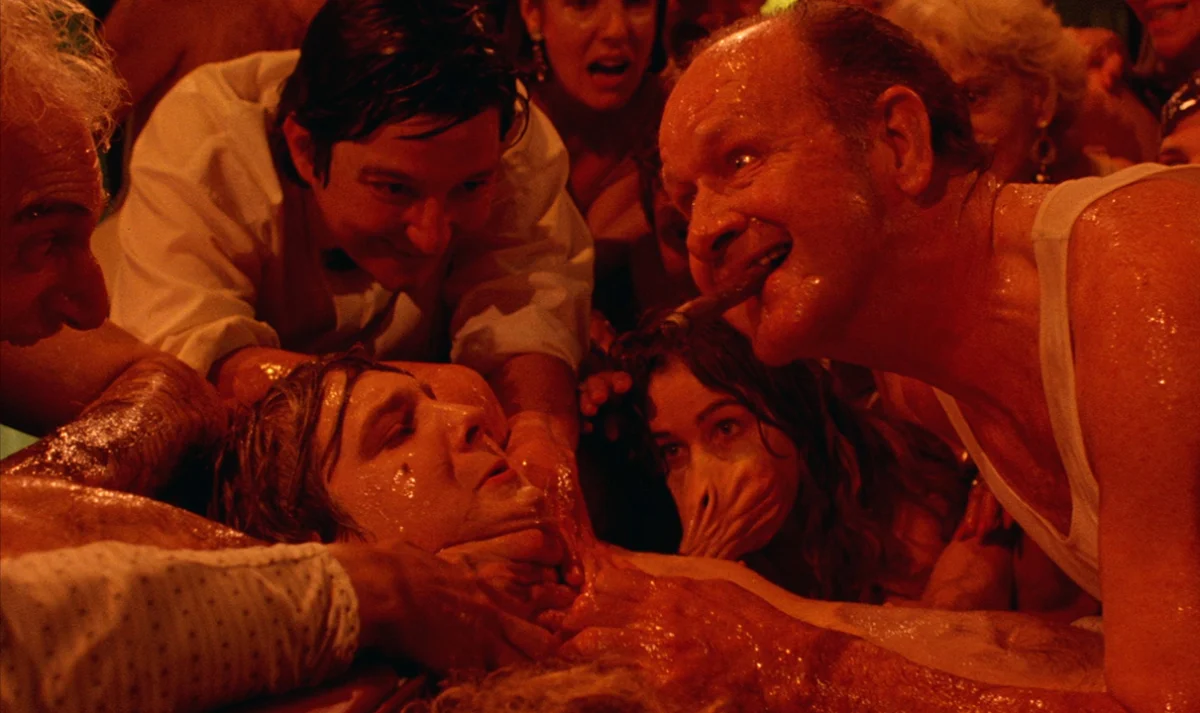
New York City’s bustling repertory cinema scene offers an embarrassment of riches this weekend, bridging the gap between archival preservation, cult oddities, and towering cinematic milestones. From long-awaited restorations to sprawling filmmaker retrospectives, cinephiles across Manhattan, Brooklyn, and Queens will find no shortage of compelling programming. Whether you are looking to plunge into the surreal special effects of the late 20th century, explore vital documentary histories, or reexperience timeless horror masterpieces on 35mm and brand-new 4K prints, this weekend’s slate highlights the unmatched vibrancy of NYC’s film culture.
Main Facts: The Highlights of the Weekend
This weekend’s programming spans nearly a dozen of New York City’s premier independent and institutional theaters. Key highlights include:
- Ken Russell’s The Devils: The heavily suppressed, highly controversial masterpiece continues its rare, triumphant theatrical run with reconstructed prints showing at both BAM and the IFC Center.
- William Greaves Centennial: Film Forum launches a major celebration honoring the enduring legacy of the pioneering documentarian and trailblazing Black filmmaker.
- Sergei Loznitsa Retrospective: The Museum of Modern Art (MoMA) kicks off a comprehensive survey of the acclaimed Ukrainian filmmaker’s incisive documentary and narrative work.
- Horror and Cult Marquees Galore: From a Troma retrospective at Anthology Film Archives and a special 4K restoration of Hellraiser at the IFC Center, to the surrealist body horror of Screaming Mad George at the Roxy Cinema, the autumn season is firmly leaning into the macabre.
- Rich 35mm Programming: Metrograph and the Museum of the Moving Image are offering extensive weekend rosters printed directly on celluloid, featuring classics from Alfred Hitchcock, Ingmar Bergman, and Carlos Saura.
Chronology: Weekend Screening Breakdown by Venue
For moviegoers mapping out their itineraries, here is a day-by-day and venue-by-venue breakdown of what is playing across the five boroughs.
Friday
- Roxy Cinema: Kicks off the weekend with a rare print of Brian Yuzna’s body-horror freakout Society, alongside live-scored musical editions of F.W. Murnau’s Nosferatu and Carl Theodor Dreyer’s Vampyr.
- Museum of the Moving Image (MoMI): Begins its weekend slate with Ingmar Bergman’s psychological masterpiece Persona.
- IFC Center: Launches a brand-new 4K restoration of Clive Barker’s seminal Hellraiser, alongside ongoing screenings of Ken Russell’s The Devils.
- Metrograph: Rolls out a dense 35mm roster featuring Douglas Sirk’s All That Heaven Allows, Carlos Saura’s Peppermint Frappé, David Lean’s Brief Encounter, and Alfred Hitchcock’s Strangers on a Train, alongside the launch of a restoration run for Virgina and Terence Fisher’s Hammer masterworks series.
Saturday
- Roxy Cinema: Shifts tone into wild Saturday-morning-style cult cinema with The Guyver, the new 4K restoration of No Picnic, and a 35mm print of the delightfully chaotic Freaked, alongside the ongoing City Dudes blindfolded series.
- Museum of Modern Art: Opens its doors to the highly anticipated Sergei Loznitsa retrospective.
- Film Forum: Kicks off its monumental William Greaves centennial celebration.
- Museum of the Moving Image: Deepens its "Handcrafted Horror" series with screenings of The Exorcist, a 35mm print of Bram Stoker’s Dracula, a 35mm screening of Werner Herzog’s eccentric Vampire’s Kiss, and late-night horror programming.
- Nitehawk Prospect Park: Hosts early morning weekend screenings of John Fawcett’s stellar werewolf-coming-of-age film, Ginger Snaps.
- IFC Center: Continues its heavy-hitting repertory run, adding late-night counter-programming staples like Grey Gardens, Ju-On: The Grudge, and Redline.
Sunday
- Roxy Cinema: Wraps up its weekend slate with a carefully curated short housing films program accompanied by a Q&A session.
- Film Forum: Bridges its Greaves retrospective with a special Sunday screening of Tim Burton’s stop-motion favorite Corpse Bride.
- Museum of the Moving Image: Concludes its weekend offerings with a 35mm presentation of Richard Attenborough’s chilling psychological thriller Magic.
- Metrograph: Continues its massive celluloid programming with screenings of The Addams Family, Girl, Interrupted, and Yasujirō Ozu’s The Flavor of Green Tea Over Rice, alongside ongoing archival showcases like The Leaves are Falling and the Darius Khondji spotlight.
Supporting Data: Deep Dives into Key Retrospectives and Restorations
To truly appreciate the scope of this weekend’s offerings, it is worth looking closer at the archival efforts and thematic series driving these institutions.
The Resurrection of Ken Russell’s The Devils
For decades, Ken Russell’s 1971 religious-historical horror-drama The Devils—starring Oliver Reed and Vanessa Redgrave—remained locked in studio vaults, heavily censored or outright banned in various territories due to its ferocious critique of institutional corruption, religious hysteria, and explicit sexual imagery. Its current theatrical run, utilizing a newly reconstructed print playing at both BAM and the IFC Center, represents a massive victory for film preservationists and cinephiles alike.
In a recent interview with The Film Stage, critic and broadcaster Mark Kermode expressed his sheer disbelief at the film’s resurrection, noting the decades-long grassroots battles fought to bring Russell’s uncompromised vision back to the big screen. The availability of this pristine 35mm presentation at the IFC Center gives modern audiences a rare chance to witness one of British cinema’s most audacious, fiercely visionary works in the manner it was always intended to be seen.
William Greaves at Film Forum
Film Forum’s centennial celebration of William Greaves is an essential cultural event. Greaves was a titanic figure in American documentary filmmaking, best known for his brilliantly meta, multi-layered 1968 masterpiece Symbiopsychotaxiplasm: Take One. As an actor, director, and producer who also worked extensively on the groundbreaking educational television series Black Journal, Greaves spent decades documenting the Black American experience with intellectual rigor, structural innovation, and profound empathy. This retrospective aims to reintroduce younger generations of filmgoers to a cinematic pioneer who consistently challenged the formal boundaries of non-fiction storytelling.
Sergei Loznitsa at MoMoA
The Sergei Loznitsa retrospective at MoMA highlights one of contemporary cinema’s most acute observers of history, totalitarianism, and societal collapse. Working across both harrowing documentaries constructed entirely from archival footage (such as State Funeral and Babi Yar. Context) and stark narrative features (such as My Joy and Donbass), Loznitsa explores how the machinery of the state grinds down the individual. MoMA’s retrospective offers a vital contextual framework for understanding the geopolitical fault lines of Eastern Europe through the lens of a master cinematic archivist.
Official Responses and Critical Reception
The cultural weight of these repertory screenings has generated considerable buzz across film criticism and institutional channels. Curators and critics have lauded the cooperative effort among independent cinemas to prioritize physical media and celluloid presentation over digital streaming convenience.
- On Celluloid Revival: Programming directors across venues like Metrograph and the Roxy have emphasized that audiences are increasingly seeking out the tactile experience of 35mm and 4K theatrical projections. The rapid sell-outs for special late-night horror and rare print screenings indicate a robust economic and cultural appetite for curated repertory cinema in New York.
- On Archival Integrity: Speaking on the ongoing rediscovery of suppressed works like The Devils, archival advocates point out that the sheer persistence of film historians and critics has forced major studios to loosen their grip on disputed catalogs. The collaborative split of The Devils between BAM and the IFC Center demonstrates an institutional solidarity aimed at maximizing audience access to historically significant films.
Implications: What This Weekend Means for New York’s Film Ecosystem
The sheer density of this weekend’s calendar points to several broader trends within the contemporary film exhibition landscape.
First, it underscores New York City’s unique status as a global epicenter for repertory film culture. While other cities rely heavily on standard multiplex fare, New York’s dense network of nonprofit spaces, independent art-houses, and museum film departments fosters a hyper-competitive, highly sophisticated curatorial environment. Venues are no longer just showing movies; they are acting as living museums, academic lecture halls, and community centers.
Second, the heavy emphasis on horror, camp, and counter-cultural cinema—ranging from Troma’s trash-aesthete masterclasses to Screaming Mad George’s practical-effects nightmares—proves that genre cinema is increasingly being embraced by high-brow cultural institutions. The lines separating "legitimate art house" from "cult midnight movie" continue to dissolve, much to the benefit of adventurous filmgoers who can transition seamlessly from an Ingmar Bergman psychological study to a Clive Barker 4K restoration within the span of a single afternoon.
Ultimately, this weekend serves as a reminder of why theatrical filmgoing remains irreplaceable. Sitting in a darkened theater with fellow moviegoers—whether watching William Greaves’ pioneering sociological experiments, Sergei Loznitsa’s haunting historical documents, or a pristine 35mm print of Alfred Hitchcock—offers a communal engagement with art that algorithms and home screens simply cannot replicate. For local cinephiles, the hardest part of the weekend won’t be finding something to watch, but choosing between overlapping masterpieces.
