
From Script to Screen: The Casting Alchemy Behind Sean Wang’s Critically Acclaimed Coming-of-Age Feature DÌDI (弟弟)
Introduction and Main Facts
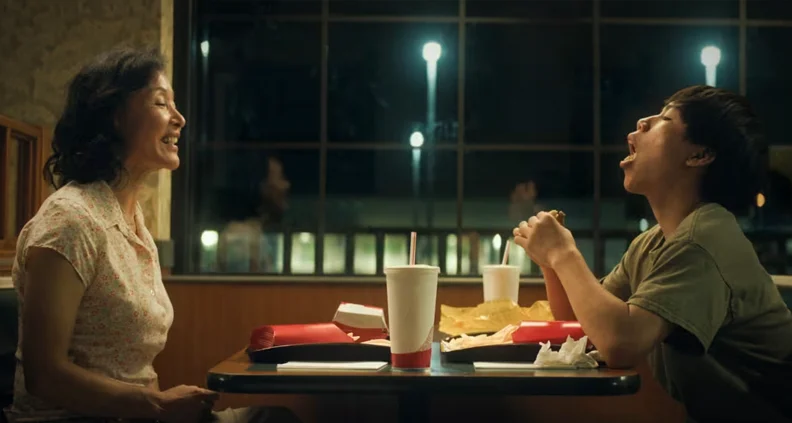
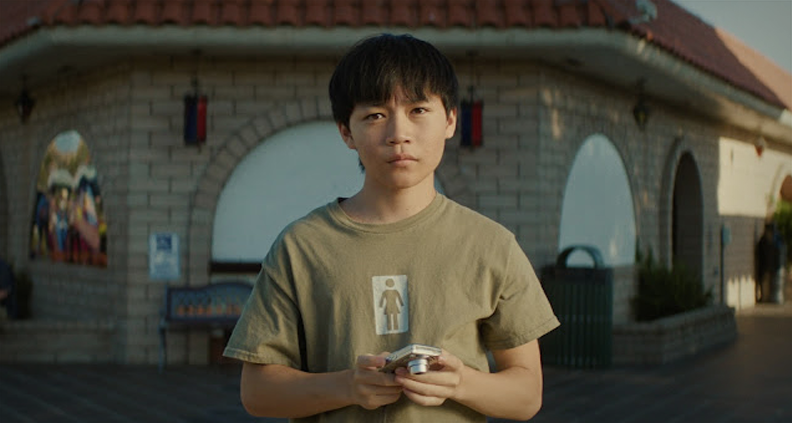
The indie film landscape is rarely graced with a coming-of-age feature as raw, emotionally resonant, and culturally specific as DÌDI (弟弟). Winner of the prestigious Best First Feature and Best First Screenplay awards at the Spirit Awards, writer-director Sean Wang’s semi-autobiographical debut has taken the festival and theatrical circuits by storm. Set in the San Francisco Bay Area in the summer of 2008, the film chronicles the life of Chris, a thirteen-year-old Taiwanese American boy navigating the labyrinthine social hierarchies of early adolescence, family dysfunction, and the nascent era of digital self-expression.
The film’s cultural footprint continues to expand. DÌDI is slated to be prominently featured in the upcoming “Made in California: Lurker and DÌDI Case Studies” panel at the Film Independent Forum. This highly anticipated session will feature Sean Wang alongside Lurker writer-director Alex Russell in a candid, deep-dive conversation detailing their arduous, triumphant journeys from the page to the silver screen—breaking down development, production, distribution, and audience acquisition.
At the emotional core of DÌDI is its powerhouse ensemble, which pairs seasoned veterans like Joan Chen with a cadre of fresh-faced, predominantly first-time actors led by Izaac Wang. Achieving this delicate balance of performance and authenticity was no small feat. It required the specialized talents of casting directors Nafisa Kaptownwala and Natalie Lin of the casting agency In Search Of. In this comprehensive retrospective, we examine how street-casting ingenuity, social media virality, and deeply personal creative collaborations breathed life into one of the most celebrated independent films of the year.
Chronology of a Breakthrough: From Memory to the Silver Screen
To understand the cinematic triumph of DÌDI, one must trace its origins back to Sean Wang’s own adolescence in Fremont, California. The narrative journey of the film evolved through several distinct phases:
- The Conceptualization Phase: Drawing directly from his personal archives, photographs, and memories of growing up as a first- and second-generation immigrant in the Bay Area during the late 2000s, Wang penned a script that was intensely personal yet universally relatable.
- The Casting Strategy (Late Development): Recognizing that traditional casting pipelines might yield overly polished or inauthentic performances for a story rooted in specific cultural and generational nuances, Wang enlisted Nafisa Kaptownwala and Natalie Lin. Their mandate was clear: scour the nation—and particularly the Bay Area—for fresh faces whose innate essences mirrored the characters on the page.
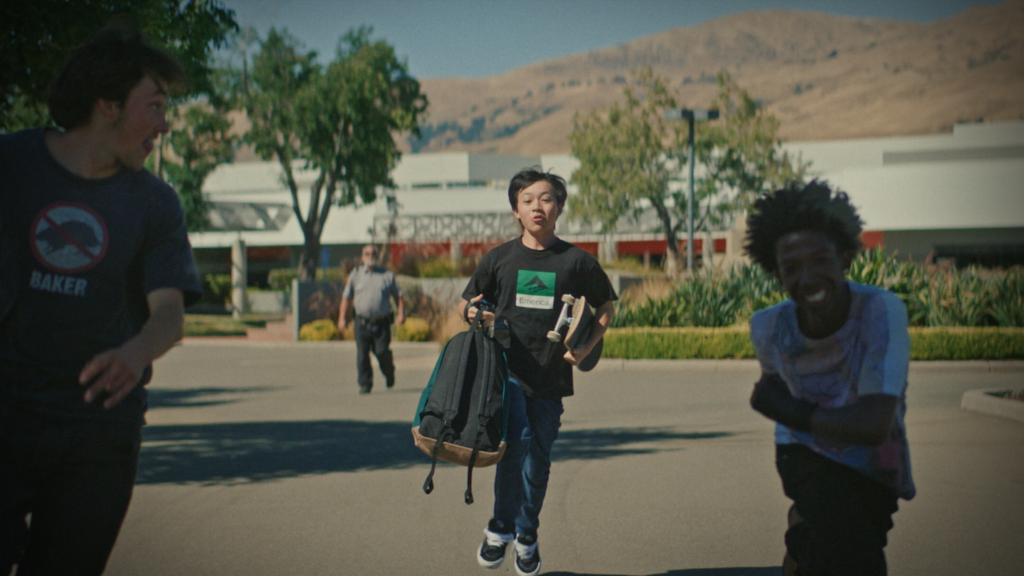
- Production and Principal Photography: Armed with a cast blending seasoned icon Joan Chen with street-casted youths like Izaac Wang, production captured the distinct aesthetic of 2008: flip phones, early YouTube videos, MySpace photo angles, and skateboards.
- Festival Circuit and Critical Acclaim: Following its breakout success, DÌDI captivated audiences, sparking collective audience reactions—from laughter to audible gasps of heartbreak—before securing major accolades, including top honors at the Spirit Awards.
- The Forum Milestone: The film’s journey culminates in its institutional spotlight at the Film Independent Forum, where its production blueprint is analyzed for emerging filmmakers.
Supporting Data and Production Insights: The Anatomy of Authentic Casting
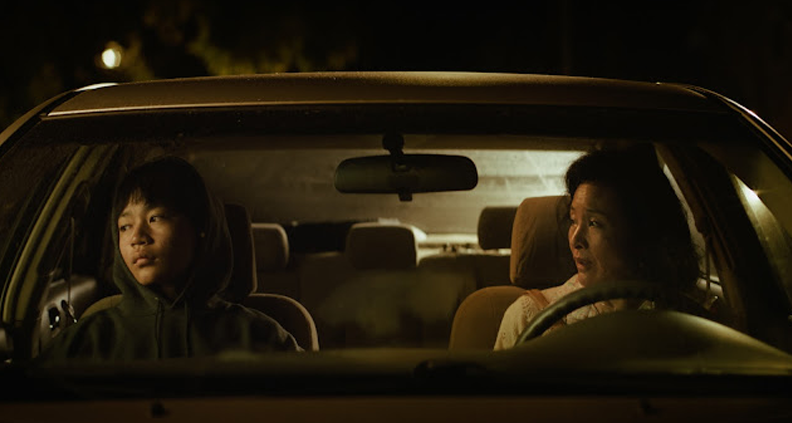
The cinematic success of DÌDI hinges on the palpable chemistry between thirteen-year-old Chris (Izaac Wang) and his mother, Chungsing (Joan Chen). Their relationship is fraught with generational friction, mutual loneliness, and artistic aspirations. Securing this dynamic required a departure from conventional Hollywood casting methods.
Kaptownwala and Lin, whose backgrounds span fashion, commercial casting, and street-scouting, approached the film not with rigid archetypes, but through an exploratory lens of cultural alignment. Lin, who grew up roughly an hour away from Fremont, shared an instinctive shorthand with Wang regarding the milieu of the characters. Meanwhile, Kaptownwala drew upon her own upbringing in a tight-knit community of first- and second-generation immigrants.
When asked about the unique challenges of casting a multi-generational family alongside a posse of young teenage boys, Kaptownwala emphasized a holistic philosophy:
"Every role has its challenges, and ultimately, I approach it by understanding the story and what the narrative is illustrating and visualizing who are the best people to bring that to life."
For the younger roles, the casting directors leaned heavily on street-scouting techniques rather than traditional theatrical resumes. Lin noted that the goal was identifying individuals "whose essence naturally embodies the role already without having to try much." Because the script reflected universal transitional anxieties, first-time actors were essentially invited to play versions of themselves within a structured narrative framework.
Official Responses and Creative Dialogue: Inside the Casting Room
The collaboration between writer-director Sean Wang and his casting team was built on total trust and an obsessive attention to historical and emotional detail. Below are key insights from Kaptownwala and Lin detailing how the film’s vision was executed:
- On Casting the Lead and Navigating Inexperience:
Lin explained that casting first-time actors requires looking past traditional metrics of "performance" and focusing on innate resonance. Kaptownwala added, "Because it is such a relatable story, it actually felt like the only approach that made sense, to find people that relate to the story to basically play themselves." - Securing Screen Legend Joan Chen:
According to Lin, Sean Wang had legendary actress and director Joan Chen in mind for the matriarch, Chungsing, from day one. Her addition provided an anchor of seasoned professionalism that elevated the entire ensemble. - Bridging the 2008 Period Gap:
Bridging the gap between 2008 technology and modern youth culture required both subtle education and surprising discoveries. Lin recalled having to teach young actors how to properly frame a MySpace selfie, down to the mirror flash and arm angles. Kaptownwala noted generational linguistic disconnects—such as young auditionees struggling to pronounce "PETA"—yet emphasized that the overarching emotional landscape of being thirteen remains timeless. - The Influence of Digital and Social Media:
Leveraging agencies like In Search Of, the team utilized Instagram and TikTok to launch sweeping open casting calls. A viral TikTok post generated a massive wave of submissions, proving that digital platforms have permanently democratized talent acquisition. Kaptownwala observed, "Now we’re in a world where movies are being made about people because of how they represent themselves on social media. I think that’s a really exciting space to play in, because it allows for more nuanced and diverse storytelling."
Implications for the Future of Independent Filmmaking
The trajectory of DÌDI offers a masterclass for independent filmmakers navigating the modern cinematic ecosystem. By breaking down its production history at the Film Independent Forum’s “Made in California” panel alongside Alex Russell’s Lurker, the industry is signaling a broader shift in what constitutes commercial and artistic viability.
- The Rise of Street Casting in Narrative Feature Films: DÌDI proves that authenticity can outweigh polished theatrical technique. As casting directors increasingly utilize social media platforms like Instagram and TikTok, the barrier to entry for non-traditional and first-time actors is lowering, paving the way for more culturally diverse, lived-in cinematic narratives.
- Hyper-Local Authenticity as a Global Draw: While DÌDI is deeply specific to a Taiwanese American teenage experience in 2008 suburban California, its emotional resonance has proven universally potent. This counters the outdated Hollywood myth that hyper-specific cultural narratives possess limited audience appeal.
- Collaborative Trust Between Directorial Vision and Casting Expertise: The seamless execution of DÌDI underscores the necessity of creative alignment. By arming Kaptownwala and Lin with personal photo archives, mood boards, and lived-in reference points, Sean Wang enabled his casting team to operate not merely as hiring agents, but as co-architects of his childhood memories.
As DÌDI continues to reap well-deserved accolades, its legacy will extend far beyond its awards shelf. It stands as a blueprint for how independent cinema can honor personal history with uncompromising honesty, utilizing innovative casting strategies to capture lightning in a bottle.
