
Unlocking Authenticity: How Casting Directors Nafisa Kaptownwala and Natalie Lin Brought Sean Wang’s DÌDÌ to the Big Screen
Introduction: The Triumphant Journey of a Modern Coming-of-Age Masterpiece
In the landscape of contemporary independent cinema, truly authentic coming-of-age stories are a rare commodity. Too often, Hollywood’s attempts to capture adolescence feel sanitized, overly rehearsed, or filtered through the cynical lens of adult nostalgia. Yet, writer-director Sean Wang’s feature debut, DÌDÌ (弟弟), shattered that mold. Sweeping major accolades—including Best First Feature and Best First Screenplay at the Film Independent Spirit Awards—the film has captivated audiences with its raw vulnerability, humor, and emotional resonance.
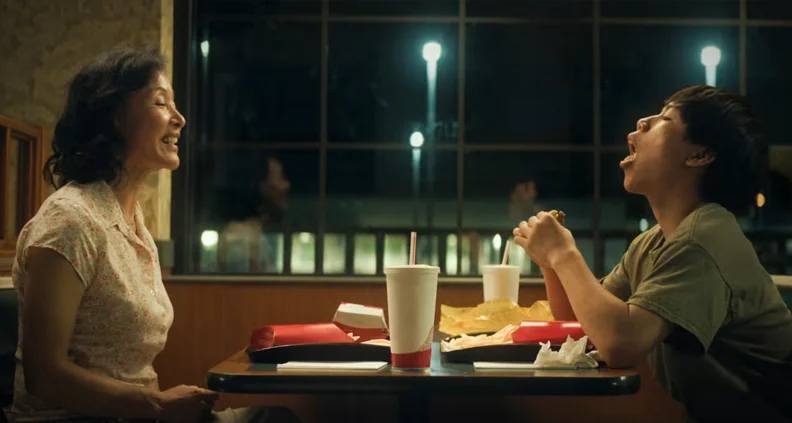
Set in the San Francisco Bay Area in 2008, DÌDÌ follows Chris, a 13-year-old Taiwanese American boy navigating the treacherous social and familial waters of adolescence. The film manages to evoke visceral reactions from theatergoers, who collectively laugh, groan, and weep alongside the characters. Much of this heavy emotional lifting is owed to a brilliant ensemble cast, which blends seasoned veterans like Joan Chen with fresh faces discovered entirely outside traditional Hollywood pipelines.
As DÌDÌ prepares to take center stage at this year’s Film Independent Forum—where Sean Wang and Lurker writer-director Alex Russell will unpack their journeys from script to screen in the "Made in California" panel—it is worth looking back at the foundation of the film’s success: its extraordinary casting process. To understand how DÌDÌ achieved its landmark authenticity, we must examine the methods of casting directors Nafisa Kaptownwala and Natalie Lin of the casting agency In Search Of.
Main Facts: The Anatomy of a Breakout Hit
At its core, DÌDÌ is a deeply personal semi-autobiographical project for Sean Wang. Set against the backdrop of Fremont, California, in the late 2000s, the film captures a specific cultural and generational snapshot: first- and second-generation immigrant families grappling with the dawn of digital socialization.
The production’s success relies heavily on three core pillars:
- The Creative Vision: Sean Wang’s unflinching honesty in translating his childhood memories into a narrative script, capped with a poignant post-film dedication to his mother.
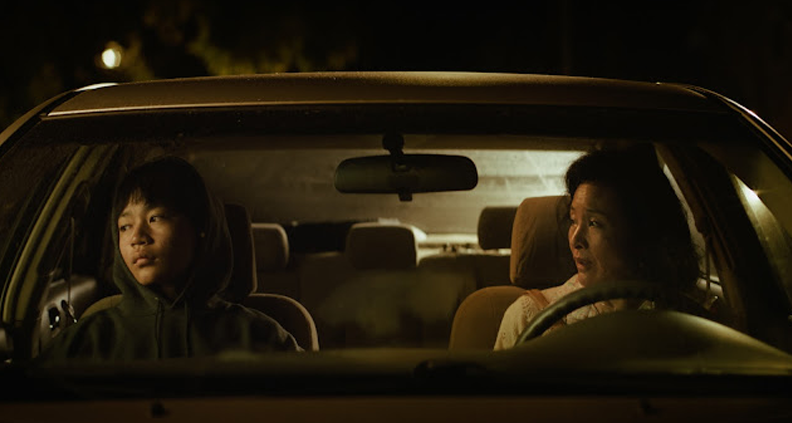
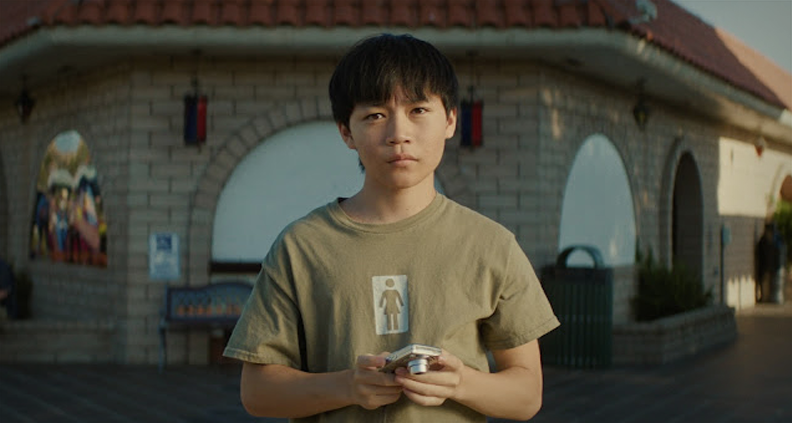
- The Anchor Performances: Izaac Wang delivers a grounded, nuanced performance as the young protagonist Chris, paired with cinematic royalty Joan Chen, whose portrayal of mother Chungsing serves as the emotional beating heart of the movie.
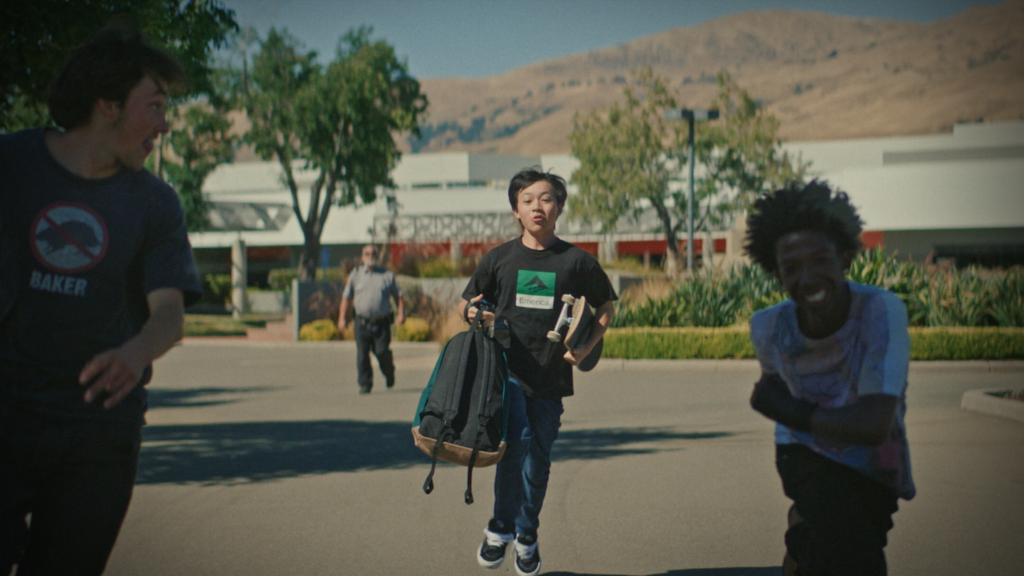
- The Discovery Process: Led by Nafisa Kaptownwala and Natalie Lin, the casting team bypassed traditional agency rosters in favor of street casting, open calls, and digital scouting to populate the film with non-traditional and first-time actors whose natural essences matched the roles.
The film’s critical acclaim—culminating in its Spirit Award triumphs—proves that audiences are hungry for specificity, proving the age-old cinematic adage: the more specific a story is, the more universal its impact.
Chronology: From Concept to Cultural Phenomenon
To appreciate how DÌDÌ came together, it helps to trace the timeline of its development, casting, and ultimate release:
- Pre-Production & World-Building: Sean Wang develops the script, drawing directly from his upbringing in the Bay Area. Armed with personal photographs and deep-dive reference materials, he collaborates closely with producers to map out the visual and emotional landscape of 2008 Fremont.
- The Casting Sweep (In Search Of): Casting directors Nafisa Kaptownwala and Natalie Lin step in. Utilizing a mix of geographic familiarity (Lin grew up an hour away from Fremont) and street-scouting expertise, they initiate a nationwide search. They deploy open calls on Instagram and TikTok, which eventually viralize thanks to community sharing.
- Securing the Anchor: Veteran actress Joan Chen is attached to the project early on, envisioned by Wang from day one to play Chungsing. Meanwhile, fresh faces like Izaac Wang are brought through rigorous yet organic audition phases.
- Principal Photography & Period Dressing: The young cast is immersed in the technology and aesthetics of 2008—learning how to take Myspace selfies, navigating early YouTube culture, and embracing digital cameras.
- Festival Circuit and Theatrical Release: DÌDÌ premieres to rapturous applause, generating organic word-of-mouth that fills theaters. Audiences react in real-time, weeping and groaning with the characters.
- Awards Season & The Forum: Following major wins at the Film Independent Spirit Awards, the film is selected as a focal point for the Film Independent Forum’s "Made in California" case studies, cementing its status as an indie milestone.
Supporting Data: The Mechanics of Street Casting
Casting a movie centered around a group of thirteen-year-old boys and a multigenerational immigrant family presents logistical hurdles that would intimidate even seasoned casting directors. Kaptownwala and Lin approached these challenges not by viewing them as roadblocks, but as narrative opportunities.
Bridging the Generational Gap
While the actors were tasked with inhabiting a period piece set in 2008, the casting team quickly realized that the emotional truths of being thirteen are timeless. However, the technological markers required careful translation.
- The Myspace Era vs. TikTok: The young actors required coaching on how to properly execute a Myspace mirror-flash selfie or angle a digital camera. Conversely, cultural touchstones from 2008—such as pronouncing "PETA"—occasionally baffled young modern auditioners, highlighting generational shifts.
- Parallel Behaviors: As Kaptownwala noted, the boys in the film making silly YouTube videos mirror today’s youth creating TikToks. This underlying behavioral continuity made it easy for the young cast to step into their characters’ shoes.
Leveraging the Power of Social Media
The reliance on digital platforms fundamentally shifted how talent was sourced. By utilizing Instagram and TikTok for open casting calls, In Search Of tapped into a vast ecosystem of non-traditional talent. When a TikTok post went viral, the production was flooded with submissions from across the country, proving that social media is no longer just a promotional tool, but a vital casting infrastructure for the digital age.
Official Responses: Insights from the Casting Frontlines
In an exclusive look behind the scenes, casting directors Nafisa Kaptownwala and Natalie Lin opened up about the intensive collaborative process that brought DÌDÌ to life.
When asked about the unique challenges of casting young ensembles and multigenerational families, Kaptownwala emphasized a holistic narrative approach:
"I think because I don’t look at some roles as more challenging than others. Every role has its challenges, and ultimately, I approach it by understanding the story and what the narrative is illustrating and visualizing who are the best people to bring that to life."
Addressing the anxiety surrounding casting first-time actors to carry an entire feature film, Lin explained their philosophy on street casting:
"When we’re out street scouting looking for people to audition for film roles, really what we’re after is someone whose essence naturally embodies the role already without having to try much."
Kaptownwala echoed this sentiment, noting that because DÌDÌ is deeply relatable, the most logical approach was finding individuals who could essentially play versions of themselves:
"Because it is such a relatable story, it actually felt like the only approach that made sense, to find people that relate to the story to basically play themselves."
The collaboration with director Sean Wang was described as remarkably seamless. Lin pointed out that Wang’s clarity of vision made their jobs infinitely easier:
"Sean did a really thorough job of painting a vivid picture of each character for Nafisa and me. He gave us all his trust in finding these kids, and the entire casting process with both him and our producers felt very collaborative."
Kaptownwala added that Wang’s sharing of personal photographs and inspirational imagery bridged any geographical gaps in their upbringings:
"Sean showed us a lot of photos from the past and inspo images of people he knew. It felt very close to home! I didn’t grow up in the Bay, but I did grow up in a very similar community, of mostly 1st and 2nd generation immigrants around the same time as Sean! It didn’t take much imagination to capture what Sean was expressing because I felt like I lived it."
Implications: The Future of Indie Casting and Representation
The massive success of DÌDÌ and the methodologies employed by In Search Of carry profound implications for the future of independent filmmaking and talent acquisition.
- The Democratization of Acting: By utilizing social media and open street casting, casting directors are breaking down the gatekeeping walls of traditional talent agencies. This shift allows everyday individuals—particularly those from marginalized or underrepresented backgrounds—to see themselves reflected on screen.
- The Rise of Nuanced, Hyper-Specific Storytelling: DÌDÌ proves that filmmakers do not need to water down their cultural experiences to achieve commercial or critical success. Specificity breeds empathy, and audiences are eager to connect with culturally rich, authentic narratives.
- Cross-Pollination of Commercial and Cinematic Skills: As Kaptownwala and Lin noted, the rapid turnover and niche-scouting required in fashion and advertising casting translate remarkably well to the fast-paced, high-stakes world of independent features. This cross-industry agility is becoming a vital asset for modern casting directors.
As Sean Wang and Alex Russell take the stage at the Film Independent Forum to dissect the journey of DÌDÌ and Lurker, the industry would do well to take notes. The triumph of DÌDÌ is a testament to what happens when visionary direction meets fearless, empathetic casting—proving that the most powerful performances often come not from training manuals, but from lived experience.
