
A Decade in the Shoes of One Refugee: How Directors Itab Azzam and Jack MacInnes Captured History in One in a Million
By Ramona Flume
Special to the Independent Film Journal
The Sundance Film Festival has long served as a cultural barometer for the future of independent cinema, offering audiences a rare front-row seat to the visionary minds shaping the industry. Yet, behind every breathtaking frame and emotionally resonant narrative lies a filmmaker whose personal journey is just as compelling as the art they bring to the screen.
Through the ongoing Sundance feature series, Give Me the Backstory!, the festival pulls back the curtain to explore the human wells from which these artists draw. At the 2026 Sundance Film Festival, few works resonated as profoundly or swept the accolades quite like One in a Million, a monumental documentary directed by Itab Azzam and Jack MacInnes. Sweeping both the Directing Award: World Cinema Documentary and the Audience Award: World Cinema Documentary, the film offers a piercing, tender look at a decade-long crucible of displacement, resilience, and identity.
"Documentary filmmaking is fundamentally about asking people to walk in somebody else’s shoes for a couple of hours," reflects co-director Itab Azzam. With One in a Million, Azzam and MacInnes stretch that empathetic exercise to its absolute limit, asking audiences to walk in one extraordinary girl’s shoes for ten transformative years.
Main Facts: A Ten-Year Cinematic Journey
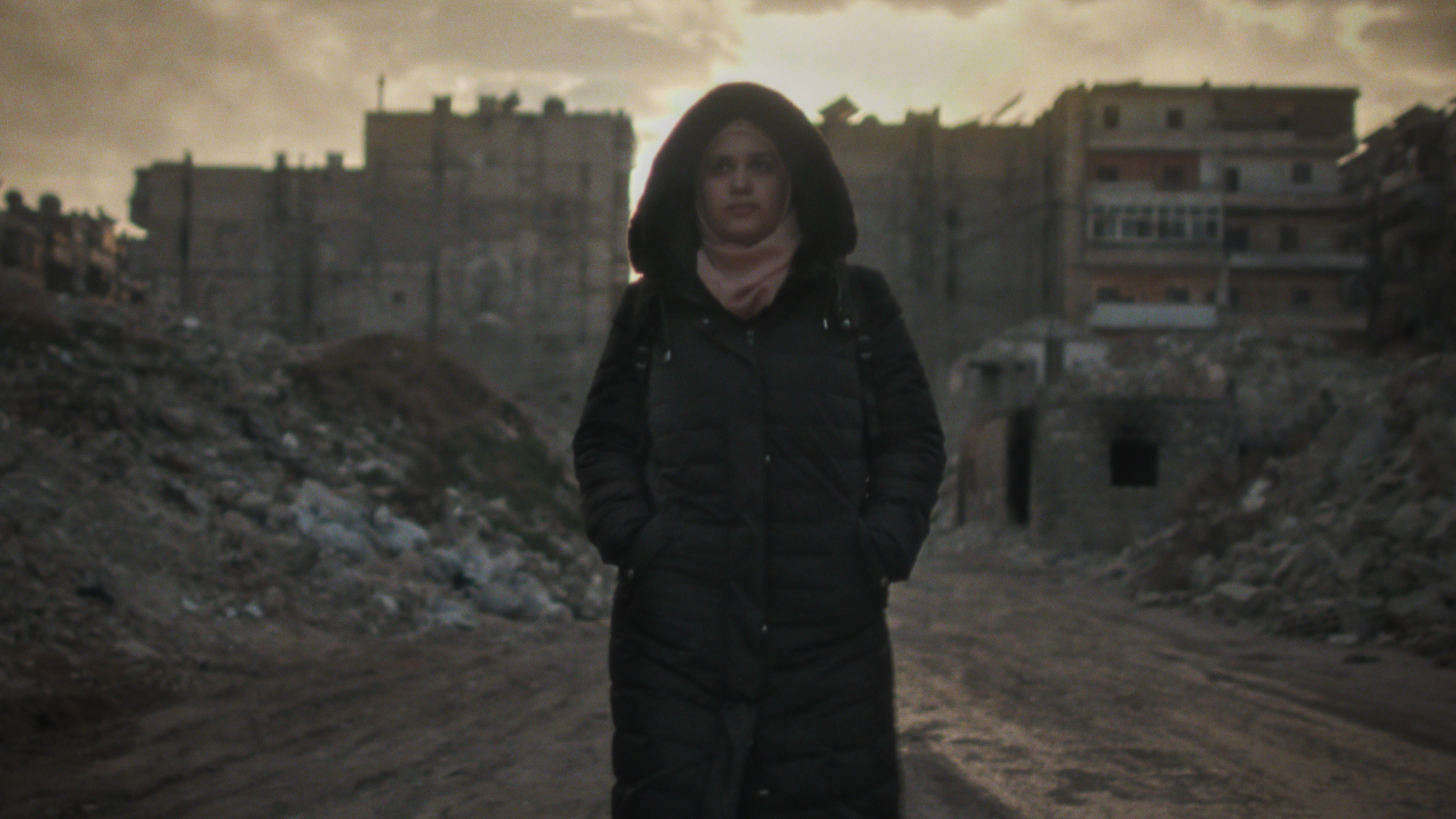
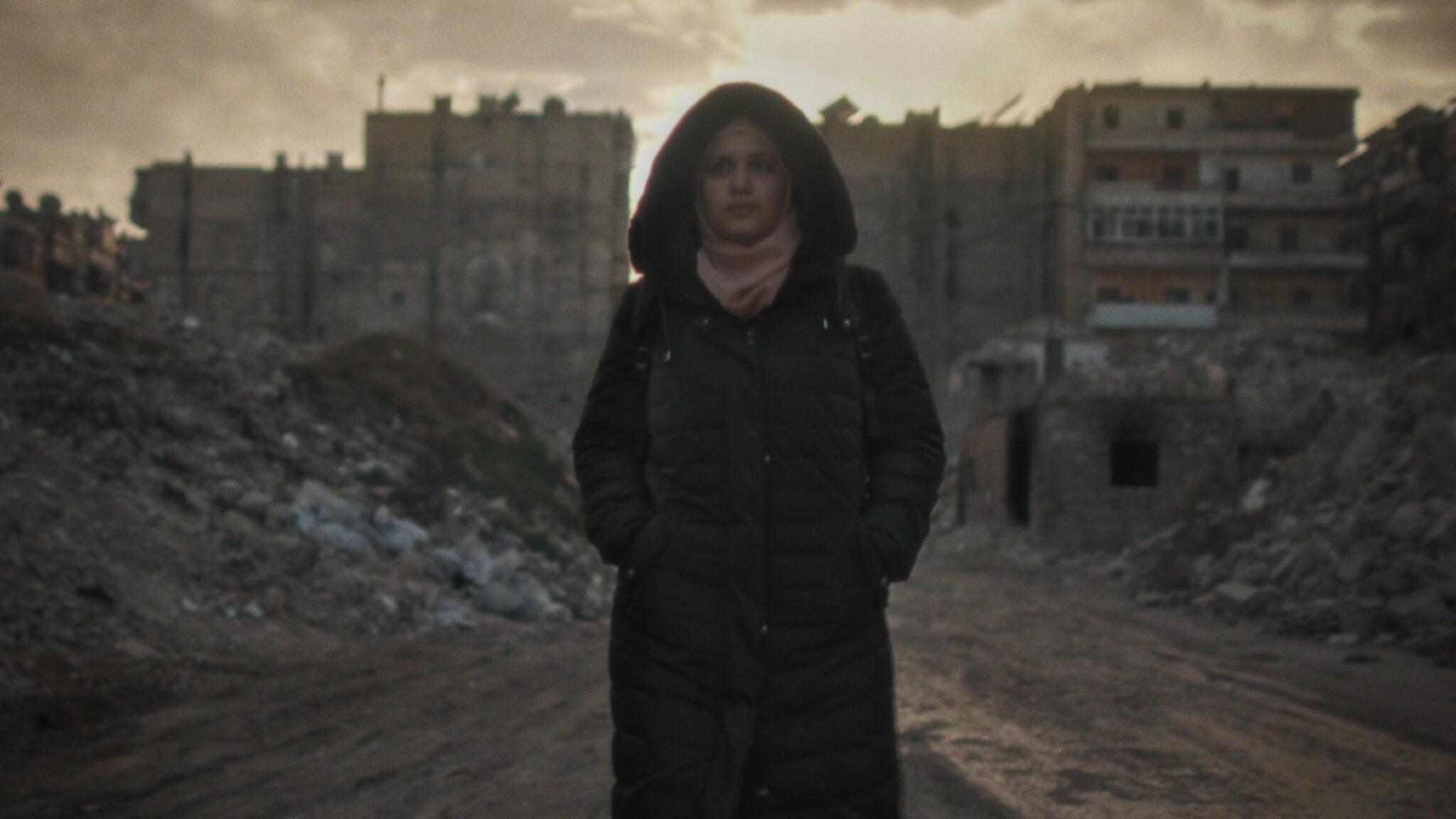
At its core, One in a Million is a sweeping coming-of-age chronicle intertwined with a piercing sociological study of contemporary displacement. The film follows Isra’a Kassas, a young Syrian girl whose life was upended by the civil war in Aleppo.
The documentary’s key achievements and parameters include:
- The Subject: Isra’a Kassas, tracked from age 11 to adulthood.
- The Directors: Itab Azzam and Jack MacInnes.
- The Scope: A 10-year production timeline spanning multiple countries, cultures, and historic geopolitical shifts.
- Festival Accolades: Winner of the Directing Award: World Cinema Documentary and the Audience Award: World Cinema Documentary at the 2026 Sundance Film Festival.
- Production Backing: Developed in collaboration with KEO Films, with production support from key team members including producers Will Anderson, James Bluemel, Andrew Palmer, and executive producer Raney Aronson-Rath.
The documentary rejects the homogenized, fast-paced news cycles that often reduce refugees to statistical abstractions. Instead, it grounds the global refugee crisis in the intimate, unvarnished reality of a single family trying to hold onto its humanity across borders.
Chronology: From the Streets of Izmir to the Fall of a Regime
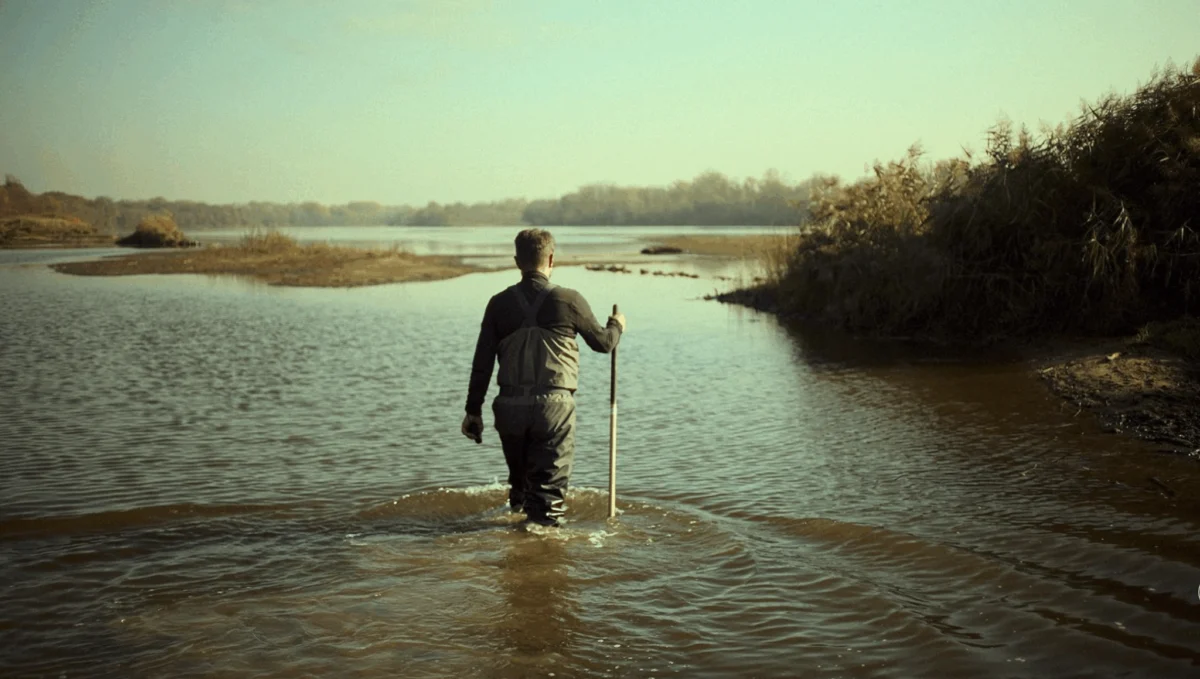
The genesis of One in a Million dates back to 2015—a watershed year marked by the height of the European refugee crisis, when more than a million people sought refuge across borders.
2015: The Departure
Azzam and MacInnes first crossed paths with Isra’a in Izmir, Turkey. At just 11 years old, Isra’a was working alongside her father, selling cigarettes on the streets to help her family survive after fleeing the ruins of Aleppo, Syria. Recognizing a singular spirit and an urgent narrative, the filmmakers picked up their cameras. They documented the family’s harrowing journey across the Aegean Sea in a precarious smuggler’s dinghy, capturing the immediate, terrifying uncertainty of forced migration.
The Middle Years: Adaptation and Isolation
As the family successfully sought asylum in Germany, the cameras followed them through a grueling multi-year transition. The documentary captures the silent, grinding friction of cultural assimilation: learning a new language, navigating unfamiliar bureaucratic systems, and grappling with the psychological weight of displacement. During this period, the production faced unprecedented real-world hurdles, including the global COVID-19 pandemic and the directors’ own shifting personal lives.
"When we started out, we were a childless couple in our early 30s," Azzam shares. "Ten years later, we’re middle-aged parents. We had to negotiate the global pandemic and how to get away to film Isra’a and her family with a baby in tow."
2026: The Return and Historic Convergence
The narrative arc of One in a Million ultimately bends toward an unexpected, historic climax. Isra’a eventually returns to a Syria she barely recognizes, perfectly aligning the film’s conclusion with the dramatic fall of the Syrian regime. This synchronization transformed a personal coming-of-age story into an accidental historical document capturing a pivotal geopolitical turning point.
Supporting Data and Creative Vision
The making of One in a Million was as much a test of endurance as it was an artistic endeavor. Spanning a decade, the production required immense logistical dexterity, emotional resilience, and financial balancing acts.
Production Realities and Challenges
Maintaining continuity over ten years while juggling parallel careers, personal milestones, and global disruptions proved nearly insurmountable at times. Key life events frequently collided with critical narrative developments.
- The Logistics: Directors often found themselves caught on opposite sides of the globe wrapping up commercial or narrative obligations when pivotal, unscripted moments unfolded in Germany or Syria.
- The Tone: Despite the heavy subject matter, the filmmakers preserved moments of levity. Azzam recalls a night when cameras were dropped and the crew joined the family in dancing around sofas to Boney M.—footage that was ultimately lost, much to the collective relief of those involved.
- Creative Lineage: Both directors draw inspiration from distinct artistic pillars. MacInnes cites the enduring lyrical complexity of Bob Dylan and the understated cinematic tension of director Nuri Bilge Ceylan. Azzam, who runs an NGO helping refugee women use art and film for therapy, finds profound inspiration in the poetry of Rumi and the breathtaking documentary work of Talal Derki (Return to Homs).
Official Responses and Filmmaker Perspectives
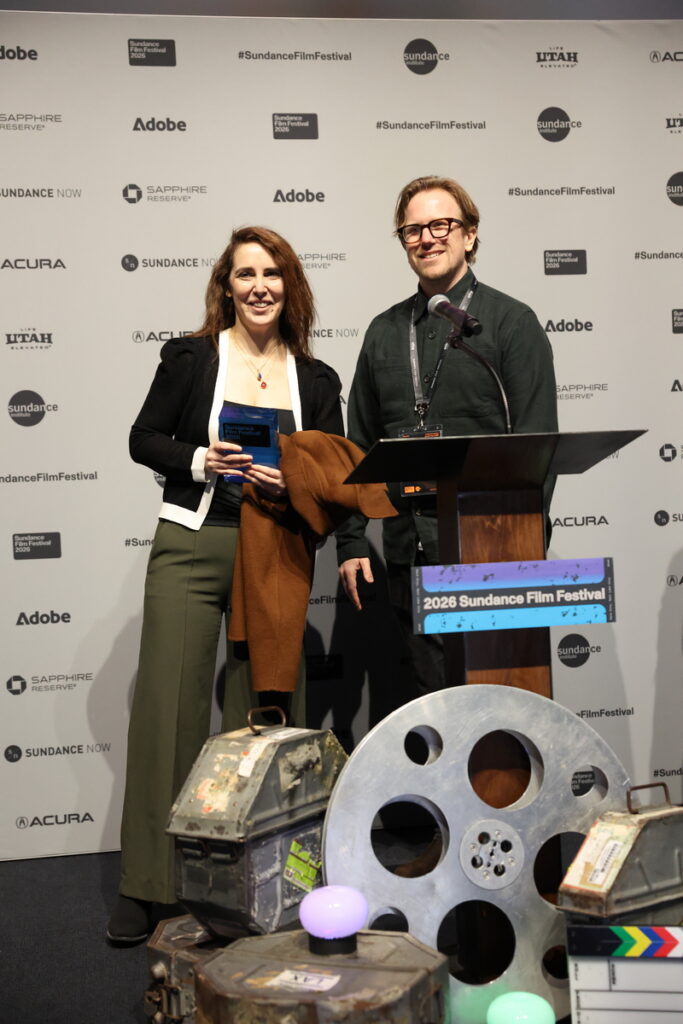
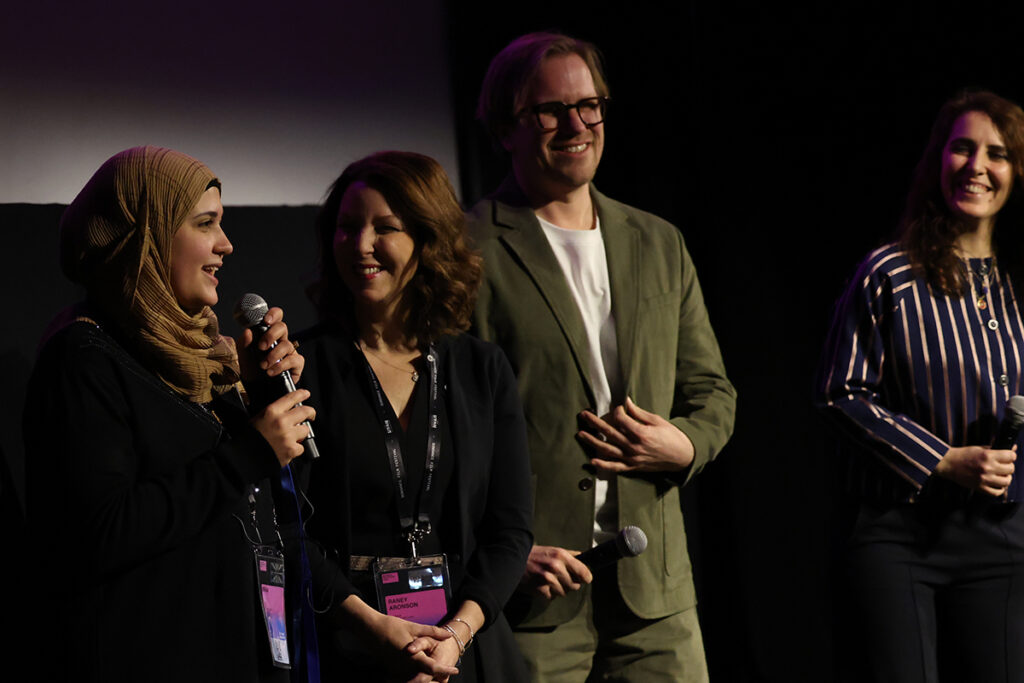
In post-screening Q&A sessions at Sundance—featuring Isra’a, producer Raney Aronson-Rath, and the directors—the conversation repeatedly circled back to why this story is vital for contemporary audiences.
Target Audience and Universal Resonance
"This is a film for everyone, really," MacInnes explains. "We’d love people to see it who have never met people like Isra’a or thought too deeply about Syria or the refugee crisis. We hope it’s a film that resonates universally as a coming-of-age story and a story about family."
Combating Empathy Fatigue
In an era dominated by polarizing political rhetoric surrounding immigration in both Europe and the United States, the filmmakers view One in a Million as an essential antidote to cultural blind spots.
"We live in a world in which the media we consume is increasingly tailored to our own prejudices," Azzam notes. "Films like this one… which present the world unvarnished as we find it, but with empathy, are hopefully an antidote to that."
The directors argue that modern political discourse frequently strips refugees of their complexity. They emphasize that acknowledging the genuine difficulties of cultural dislocation should not be weaponized against immigrants, but rather met with a deeper, human-centric framework of compassion and systemic support.
Implications: A New Era for Documentary Storytelling
The sweeping success of One in a Million at the 2026 Sundance Film Festival signals a broader shift in how audiences and critics value long-term, immersive journalism and documentary filmmaking.
- Redefining Journalistic Patience: In an industry increasingly driven by rapid content cycles and algorithm-friendly streaming snippets, a ten-year production proves the enduring value of deep-dive, longitudinal storytelling.
- Shifting Geopolitical Narratives: As Syria enters a volatile post-regime transition period, the film provides an indispensable grassroots perspective on whether the nation can safely welcome back its diaspora—a question carrying immense weight for millions of displaced individuals worldwide.
- Art as Therapy and Resistance: Through Azzam’s ongoing work with refugee-focused NGOs and MacInnes’s theatrical sensibilities, the project reinforces the premise that creative expression is not merely a luxury, but a vital mechanism for psychological survival and political resistance.
Ultimately, One in a Million transcends its categorization as a refugee documentary. It stands as a testament to the tenacity of the human spirit, the binding power of family, and the profound responsibility of filmmakers to bear witness when the rest of the world looks away.
