
The Future of Storytelling: Austin Film Festival Unveils the 2026 Screenwriters to Watch
In the high-stakes, ever-evolving landscape of Hollywood, the title "Screenwriter to Watch" is more than just a laudatory headline—it is a barometer for creative longevity. Each year, the Austin Film Festival (AFF) sifts through a dauntingly competitive pool of global talent to identify those writers whose craft, originality, and narrative resonance signal a shift in the industry’s trajectory.
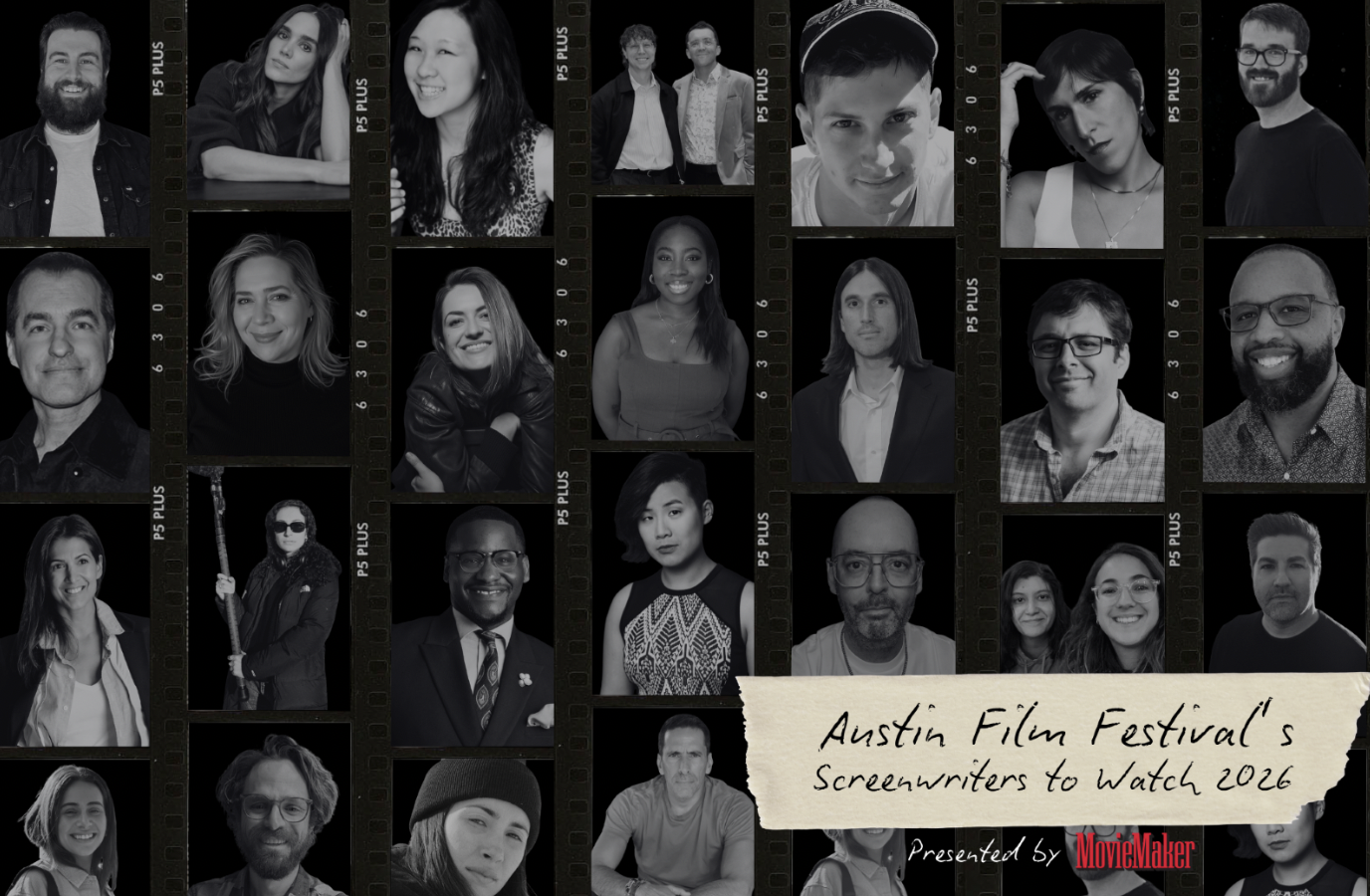
As the lines between traditional television and feature film continue to blur, this year’s cohort represents a diverse, boundary-pushing group of storytellers. These are the writers—many of whom are also directors, producers, and actors—who are bridging the gap between the "aspiring" phase and the reality of a lasting, professional career.

The Pillars of Creative Momentum
The 2026 class joins a storied legacy of AFF alumni who have utilized the festival as a launchpad. Previous honorees, including Clint Bentley & Greg Kwedar (Train Dreams, Sing Sing), Megan Park (My Old Ass), VJ Boyd (The Madness), Austin Kolodney (Dead Man’s Wire), Zarna Garg (A Nice Indian Boy), and Glen Powell (Hit Man), serve as a testament to the festival’s ability to spot talent before the rest of the industry catches on.

For those named to this year’s list, the accolade acts as a catalyst, providing not just visibility but access to the essential architecture of a successful career: mentorship, peer networking, and the validation required to sustain the inevitable volatility of the creative life.

Profiles in Professional Evolution: 2026 Honorees
The Architect of Narrative Stability: Mark Bianculli
Mark Bianculli, a writer and producer known for How To Rob A Bank and the Cliffhanger reboot, highlights the necessity of collaborative generosity. Reflecting on his journey, Bianculli notes that his transition from a struggling freelancer to a stable industry professional was sparked by a 50/50 split on a blind script deal offered by fellow AFF alum VJ Boyd. "It brought me into a (relatively) steady and safe world of television," Bianculli explains, emphasizing that for the first time, he was able to make creative choices rather than chasing paychecks.

The Audacity of Directorial Vision: David Fortune & Richie Follin
David Fortune, whose debut COLOR BOOK earned him a spot on Variety’s "10 Directors to Watch," views the screenwriter’s role as the foundation of the entire industrial machine. "It starts from the seed of a writer that eventually blooms," he says. Similarly, musician-turned-filmmaker Richie Follin, who captured the AFF Audience Award with his debut Crystal Cross, emphasizes the profound impact of the festival’s atmosphere. "Meeting all the people who put on the fest and who were also just there attending was a very special experience," he notes.

Voices from the Genre Divide: Ty Freer & Nick Keetch
Writing teams often struggle to balance conflicting creative sensibilities, but for Ty Freer and Nick Keetch, their differences are their greatest asset. While Nick leans into thematically grandiose, "black-hearted" doom, Ty brings the absurdist, minute comedic details. Navigating the writers’ room for their Hulu series Sunny Nights required them to manage their own "constant sense of panic" while fostering an environment where every idea had a home.

International Perspectives and Cross-Cultural Storytelling
The 2026 list highlights a global reach, with writers like Ellen Rodnianski and Tanya Leonova, whose feature American Baby required a delicate navigation of language and cultural research. "Having Ellen as a co-writer made it all doable," Leonova remarks.

Similarly, Yuval Hadadi (Israel) and Sammy Mohamed (Somali-Canadian) demonstrate the power of personal narrative in international cinema. Hadadi, who recalls the nerve-wracking experience of a one-minute pitch on the AFF stage, and Mohamed, who views the community as a remedy for the "craziness" of the writer’s life, showcase how the AFF platform acts as a bridge for global voices into the mainstream industry.

Supporting Data: The Impact of Industry Recognition
The professional trajectory of these writers is marked by consistent, strategic accumulation of accolades. Whether it is the WGA East/FilmNation Emerging Screenwriters Fellowship (Naya James Sonnad), the Fox Entertainment Writers Incubator (Melissa Kong), or the Sundance Horror Fellowship (Lindsey Villarreal), these writers are not relying on luck.

Their stories are rooted in "the grind"—a common refrain among the cohort. From Buck Bloomingdale’s adherence to the mantra "the cavalry isn’t coming" to Olivia Jampol’s rise through the Black List and ScreenCraft labs, the path to success is paved with years of writing, revising, and the strategic pursuit of fellowships that provide the "safe space" required to develop ambitious material.

Official Perspectives: The Value of Community
The recurring theme among the 2026 honorees is the rejection of isolation. Writing is inherently solitary, but the industry is profoundly collective.

- Christopher Holt credits the Wonder Project Fellowship with transforming his career, noting, "It’s made the whole process feel less isolating."
- Thara Popoola, a Forbes 30 Under 30 honoree, emphasizes the psychological necessity of separating one’s identity from one’s work to survive the "no’s" of the industry.
- Sophie Miller describes her journey as "coming full circle," moving from an AFF intern to a filmmaker premiering her own work at the same festival that first showed her the ropes.
Implications for the Industry
The selection of these specific writers reveals a clear shift in what the industry is currently prioritizing:

- Authentic Voice over Formula: Whether it’s horror, comedy, or character-driven thrillers, the industry is looking for creators who possess a distinct perspective, often drawn from their own background—be it the Cherokee Nation, immigrant experiences, or the "outsider’s obsession with Americana."
- Multidisciplinary Skillsets: Most of the 2026 honorees are not "just" screenwriters. They are directors, showrunners, producers, and actors. The modern industry demands a holistic understanding of how a story moves from the page to the screen.
- The Rise of the "Genre-Bender": Writers like Faith Liu, who shifted from an action-oriented pitch program to finding her voice in horror, demonstrate the value of adaptability. The market no longer rewards the rigid specialist as much as the creative who can pivot between mediums and tones.
Conclusion: What Lies Ahead
As these writers move into their next phase of development—be it writing for Blumhouse, showrunning for Hulu, or directing features for major studios—they carry with them the network and the lessons forged in Austin.

The 2026 Austin Film Festival Screenwriters to Watch are not merely "promising" talents; they are active, working professionals who have navigated the pitfalls of rejection and the complexities of production. For the industry at large, they represent a pipeline of fresh, resilient, and highly capable voices. For the aspiring writers reading their stories, the message is clear: the work is hard, the rejection is constant, but the community—and the career—is waiting for those who refuse to stop writing.

To explore the full list of this year’s honored writers and delve deeper into their upcoming projects, visit the official Austin Film Festival Screenwriters to Watch page.
