
Beyond the Swamp: DreamWorks Animation Defies Industry Norms with Home Video Release of ‘Shrek the Musical’
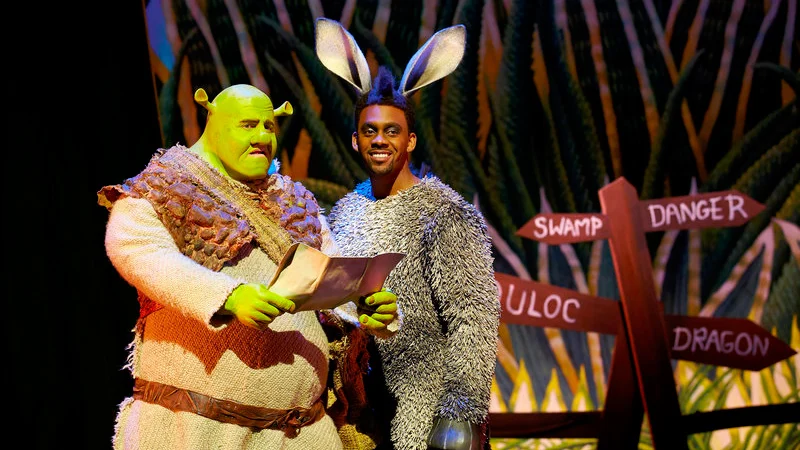
In an era where studios are constantly seeking new revenue streams to monetize their intellectual property, DreamWorks Animation (DWA) is taking a bold, unconventional step. The studio has announced that Shrek the Musical—the Broadway stage adaptation of its beloved, Oscar-winning film franchise—will be released on home video, arriving on digital platforms on September 17 and on DVD and Blu-ray on October 15.
This decision marks a significant departure from standard theatrical industry practice. Traditionally, producers of live stage shows have been hesitant, if not outright resistant, to releasing high-quality recordings of their productions. The prevailing fear has long been that such releases would cannibalize ticket sales, offering audiences a high-definition alternative to the visceral, communal experience of sitting in a theater seat. By bringing the swamp to the living room, DreamWorks is gambling that the convenience and accessibility of home media will enhance, rather than diminish, the brand’s enduring appeal.
The Strategy Behind the Screen
The release is being spearheaded by Twentieth Century Fox Home Entertainment, which handles the distribution of DWA’s theatrical catalog. To maximize the impact of this unique offering, the studio is positioning the film as the centerpiece of a broader promotional campaign dubbed "Shrektober." This seasonal push is designed to consolidate the various iterations of the franchise, ensuring that the musical reaches both long-time fans of the animated films and enthusiasts of the Broadway production.
The filmed performance captures the original Broadway cast at the peak of their run. The production features Brian d’Arcy James as the titular ogre, Sutton Foster as Princess Fiona, Daniel Breaker as the iconic Donkey, Christopher Sieber as the villainous Lord Farquaad, and John Tartaglia as Pinocchio. To ensure a cinematic quality, director Michael Warren utilized a 10-camera setup, meticulously recording the 17 musical numbers that define the show.
A Chronology of a Theatrical Venture
To understand the significance of this home video release, one must look back at the origins of the project. Shrek the Musical represented DreamWorks’ inaugural foray into live stage production. It was a massive undertaking, designed to translate the whimsical, irreverent humor of William Steig’s original book and the DWA films into a live performance format.
- 2008: The show officially premieres on Broadway, garnering significant attention as a high-budget, high-profile adaptation.
- 2009: The production receives eight Tony Award nominations, signaling its artistic ambition. Ultimately, it secured one win for Tim Hatley’s intricate costume design.
- 2010: On January 2, the Broadway run concludes after roughly 14 months. While the production was a massive draw for tourists visiting New York City, it struggled to maintain consistent attendance during the leaner off-season months.
- 2010–2013: Following the Broadway closure, DreamWorks transitioned to a touring version of the show and successfully exported the production to London’s West End. These efforts proved that while a permanent Broadway residency was challenging, the brand possessed a long-tail viability.
- 2013: The announcement of the home video release signals a pivot from live performance revenue to direct-to-consumer media sales.
Precedents and Industry Implications
DreamWorks is not the first entity to experiment with filming stage productions, though the studio’s approach is distinct. Universal, for instance, has previously released recordings of The Phantom of the Opera (from London’s Royal Albert Hall) and Les Misérables (from the O2 Arena). However, those were categorized as "special events" or anniversary performances rather than standard captures of the original stage production.
The case of Andrew Lloyd Webber’s Love Never Dies is perhaps the closest parallel, as it was released on home video to a mixed, yet commercially curious, audience. What sets the Shrek release apart is the studio’s willingness to treat a primary Broadway run as a source of media content, effectively treating the theater as an extension of their animation studio’s library.
The implications for the industry are profound. If Shrek the Musical succeeds in driving significant home video sales without negatively impacting current touring productions, it could provide a roadmap for other studios. Many Broadway shows struggle to stay profitable due to the sheer cost of maintaining a cast, crew, and physical theater space. By recording these shows, producers could create a "digital legacy" that generates revenue long after the curtains close on the final live performance.

Official Stance and Creative Vision
The creative team behind the project—which includes script and lyrics by David Lindsay-Abaire and music by Olivier Award-winner Jeanine Tesori, under the direction of Jason Moore (Avenue Q)—has long touted the production as a unique blending of fairy-tale tropes and modern sensibilities.
When the Broadway run shuttered, DreamWorks Animation CEO Jeffrey Katzenberg remained optimistic about the asset. He publicly stated that despite the closure of the New York production, the company was committed to extracting long-term value from the brand. He pointed to the touring versions and international adaptations as evidence of the show’s flexibility. The home video release is the realization of this vision: a multi-platform strategy designed to ensure that the intellectual property remains profitable in any format.
To further incentivize the purchase of the home video release, the studio is including a "deluxe edition" on Blu-ray. This version will feature From Swamp To Stage: The Making of Shrek the Musical, a documentary providing a behind-the-scenes look at the technical and creative hurdles of the production, alongside a "Shrek The Musical Songbook with Sing-Along" feature. These add-ons are calculated to attract the "super-fan" demographic, providing value that cannot be replicated in a traditional theater environment.
The Narrative Core
The musical adheres to the narrative beats that turned the 2001 film into a global phenomenon. It centers on the titular, grumpy, swamp-dwelling ogre who finds his solitude interrupted by a cast of displaced fairy-tale characters. Forced into a quest to reclaim the deed to his land, Shrek teams up with a wise-cracking, overly talkative donkey.
The story is at once a parody and a celebration of classic fairy tales, culminating in the rescue of a feisty princess who hides a secret of her own. Themes of self-acceptance, friendship, and the subversion of beauty standards remain the emotional bedrock of the production. By translating these themes to the stage, and now to home video, DreamWorks is banking on the idea that the "Shrek" brand is as much about the music and the spectacle as it is about the animation.
Conclusion: A New Era for Broadway-to-Screen
As the industry looks toward the "Shrektober" release, the question remains whether this move will be a one-off or a shift in the business model of live entertainment. The tension between the ephemeral nature of live theater and the permanent nature of digital media is a long-standing debate in the arts.
However, in the context of corporate synergy, DreamWorks Animation is demonstrating that Broadway is no longer an isolated business unit. Instead, it is another wing of the content production machine. By bridging the gap between the stage and the home screen, the studio is effectively future-proofing its assets, ensuring that even when the theater lights go out, the story of the ogre who learned to love continues to find new audiences—and new revenue streams—in the digital age.
