
The Press That Consumes You: Inside The Gazelle Gazette, the Experimental Chilean Stop-Motion Short Blending Pixilation and Paper
By Jamie Lang | October 6, 2026
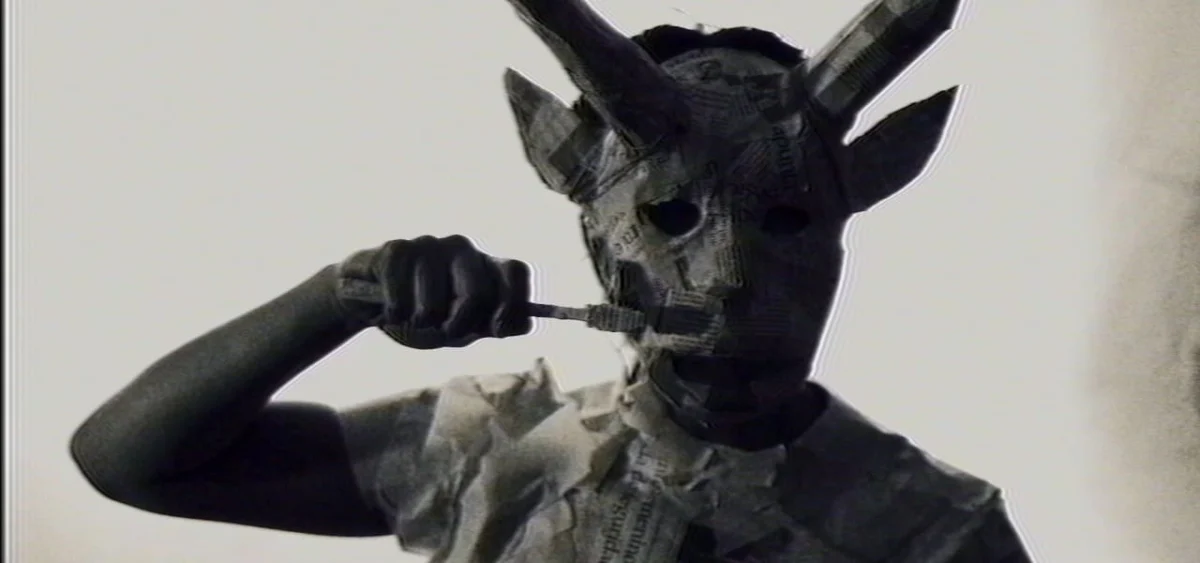
In the landscape of independent animation, materials often serve as background elements—convenient textures used to build a world before the characters step into the frame. However, in the striking new experimental Chilean short film The Gazelle Gazette, newspaper is much more than a mere visual motif. It acts as the scenery, dictates the texture, and, as the narrative unfolds, transforms into an encroaching, inescapable threat.
Directed by the creative duo Simón Bucher and Cote Ramírez, the short utilizes pixilation—a stop-motion technique where live actors are posed frame-by-frame—and a universe entirely constructed from newsprint. The film tells the haunting story of Gisella Cortés, a promising runner whose athletic prowess turns her into an overnight public sensation. As the media machine christens her "The Gazelle," the press pushes relentlessly further into her personal life, mirroring a terrifying reality where the athlete gradually disappears beneath the glossy, manufactured persona built around her.
Ahead of its highly anticipated world premiere, The Gazelle Gazette is slated to debut in the Animamundi section of the 33rd Valdivia International Film Festival, running from October 12 to 18 in Chile. In celebration of the milestone, Cartoon Brew has exclusively debuted the film’s official trailer, offering audiences their first glimpse into its paper-crafted dystopia.
Main Facts: A Unique Intersection of Medium and Metaphor
At its core, The Gazelle Gazette is a technical and thematic exploration of identity, celebrity culture, and the suffocating nature of media consumption.
- The Creators: Directed by Simón Bucher and Cote Ramírez, with production by Bucher, Ramírez, Cristóbal León of Diluvio, and Francisco Cortés.
- The Star: Macarena Barros stars as Gisella Cortés, "The Gazelle."
- The Techniques: A blend of pixilation, stop-motion animation, frame printing on varied paper types, physical image intervention, and experimental post-production treatments.
- The Premise: A promising runner is swallowed both literally and metaphorically by the media apparatus that covers her, symbolized by a world constructed entirely from layer upon layer of newspaper.
- The Premiere: World premiere at the 33rd Valdivia International Film Festival (October 12–18, 2026) within the Animamundi section.
Chronology: From a 48-Hour Dash to a Year-Long Evolution
The genesis of The Gazelle Gazette is as unconventional as its visual style, born out of the high-pressure environment of a weekend filmmaking competition and refined over a full year of meticulous post-production.
The 2025 Catalyst
The project first took shape during the 48 Hour Film Project Santiago in 2025. Facing a strict, unforgiving deadline, Bucher and Ramírez were initially uncertain whether their complex conceptual ideas could be successfully translated within such a compressed timeframe.
"Before seeing the first cut, we weren’t sure whether what we were thinking would really come across," Bucher recalled in an interview with Cartoon Brew. However, upon viewing the rough cut, the co-directors realized they had struck a nerve. They recognized that the chaotic, hurried weekend had yielded fertile ground for a much deeper narrative exploration.
The Year-Long Expansion
Encouraged by their initial rough cut, Bucher and Ramírez chose to expand the project, dedicating roughly another year to developing the short. This extended production window allowed the team to push the newspaper conceit far beyond the limitations of a frantic 48-hour sprint.
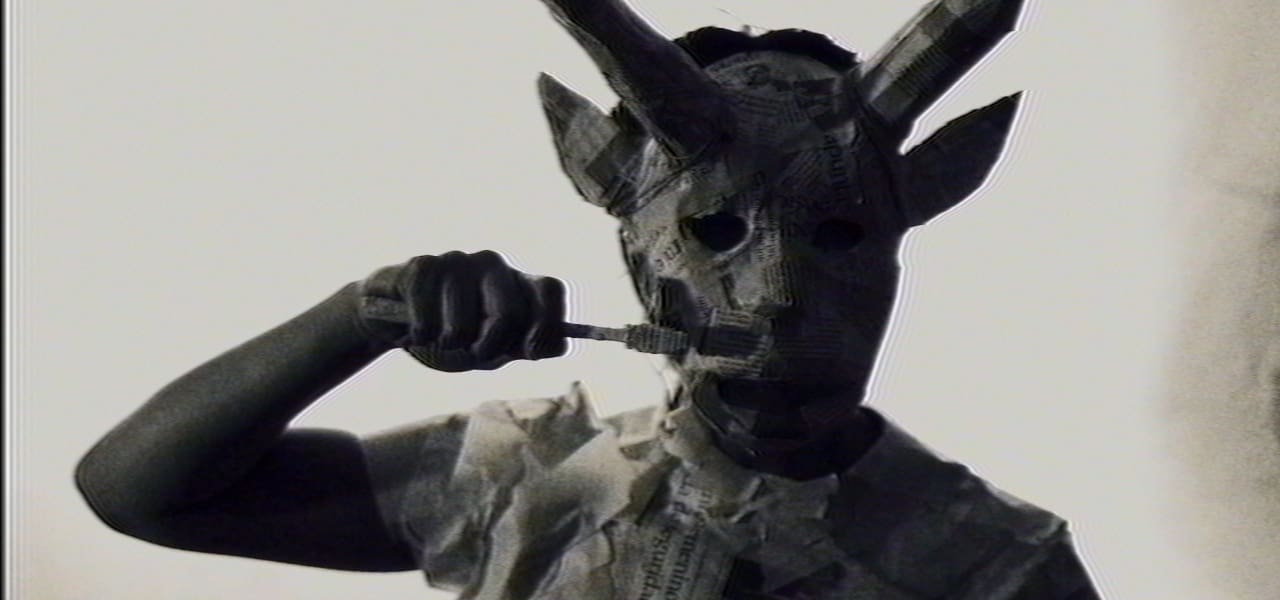
The extra time transformed The Gazelle Gazette from a clever festival entry into a fully realized, immersive audiovisual experience. The filmmakers experimented with printing individual frames onto different types of paper, manually altering images, incorporating nuanced stop-motion techniques, and testing diverse post-production color and texture treatments to forge a distinct visual identity.
Supporting Data and Production Insights: Constructing a Newsprint Universe
For Bucher and Ramírez, the physical material preceded the narrative entirely. The choice of medium was initially driven by practical necessity before evolving into a profound thematic vehicle.
The Pragmatism of Newsprint
"The idea of using newspaper came before the story itself," Bucher noted. "First of all, there was a practical reason for working with newspaper: it was a material we could easily get without spending much, and we had the intuition that using only this material could create something immersive and visually appealing."
Once committed to the material, the directors searched for a narrative universe that organically belonged inside a newspaper. Sports emerged as the natural bridge. "Since we already wanted to work with newspaper, it made sense to tell something that crossed the world of sports with what the material itself could represent: the press."
Materiality and Pixilation
The film bridges the gap between traditional stop-motion and live-action filmmaking through pixilation. By placing a real human performer—Macarena Barros—inside a set built entirely from paper, the filmmakers established a striking physical contrast.
"We were interested in the radical contrast of having a real human being, flesh and blood, and seeing her invaded and absorbed by a world constructed from layer upon layer of newspaper," Bucher explained.
Soundscaping the Printed Page
Translating a paper universe to the screen required an equally rigorous sonic investigation. The filmmakers had to determine what a world made entirely of newsprint should sound like.
.png)
"We needed to better understand what the atmosphere of this newspaper world was and what sounds could complement the Gazelle’s inner world," Bucher said. By allowing the project time to rest and breathe between its initial 48-hour iteration and its final form, the creators were able to nurture sonic and visual ideas that simply could not have been explored under initial constraints.
Official Responses and Creative Vision
The collaborative effort behind The Gazelle Gazette highlights a growing trend in Latin American independent animation: artists leveraging local resources, tactile stop-motion methods, and high-concept metaphors to critique contemporary societal pressures.
Producer Cristóbal León of Diluvio, alongside Francisco Cortés, helped anchor the production, ensuring that Bucher and Ramírez’s avant-garde vision retained its emotional resonance. Meanwhile, lead actress Macarena Barros delivered a demanding physical performance, navigating the grueling frame-by-frame requirements of pixilation while portraying a woman losing her identity to public perception.
Bucher emphasizes the necessity of artistic breathing room, noting, "We believe it’s important for projects to have some time to rest, so ideas can flourish that couldn’t be explored at first." This patience has clearly paid off, yielding a festival-bound short film that challenges audience perceptions of media saturation.
Implications: What The Gazelle Gazette Means for Modern Animation and Media Critique
As The Gazelle Gazette prepares to greet audiences at the 33rd Valdivia International Film Festival, its implications extend beyond technical innovation in stop-motion.
- A Timely Metaphor for Celebrity and Surveillance: In an era dominated by 24-hour news cycles, social media scrutiny, and the constant commodification of personal achievements, the film’s premise—where an athlete is literally consumed by the press coverage surrounding her—serves as a poignant allegory for modern fame.
- The Resurgence of Tactile Animation: The short highlights the enduring power of physical, handmade materials in an animation industry increasingly preoccupied with digital efficiency. By treating newspaper not as a prop, but as a living, breathing, and suffocating ecosystem, Bucher and Ramírez demonstrate the profound emotional depths achievable through mixed-media stop-motion and pixilation.
- The Rise of Chilean Experimental Shorts: Following its premiere in Animamundi, The Gazelle Gazette stands poised to elevate the profile of Chilean independent animation on the global stage, proving that ambitious, conceptual storytelling can emerge from modest, resourceful origins.
With its striking visuals, rigorous sound design, and razor-sharp thematic focus, The Gazelle Gazette ensures that when the papers hit the stands, no one—least of all the subject—escapes unread.
