
Judicial Rebuke: Federal Court Extends Injunction Against White House Media Ban
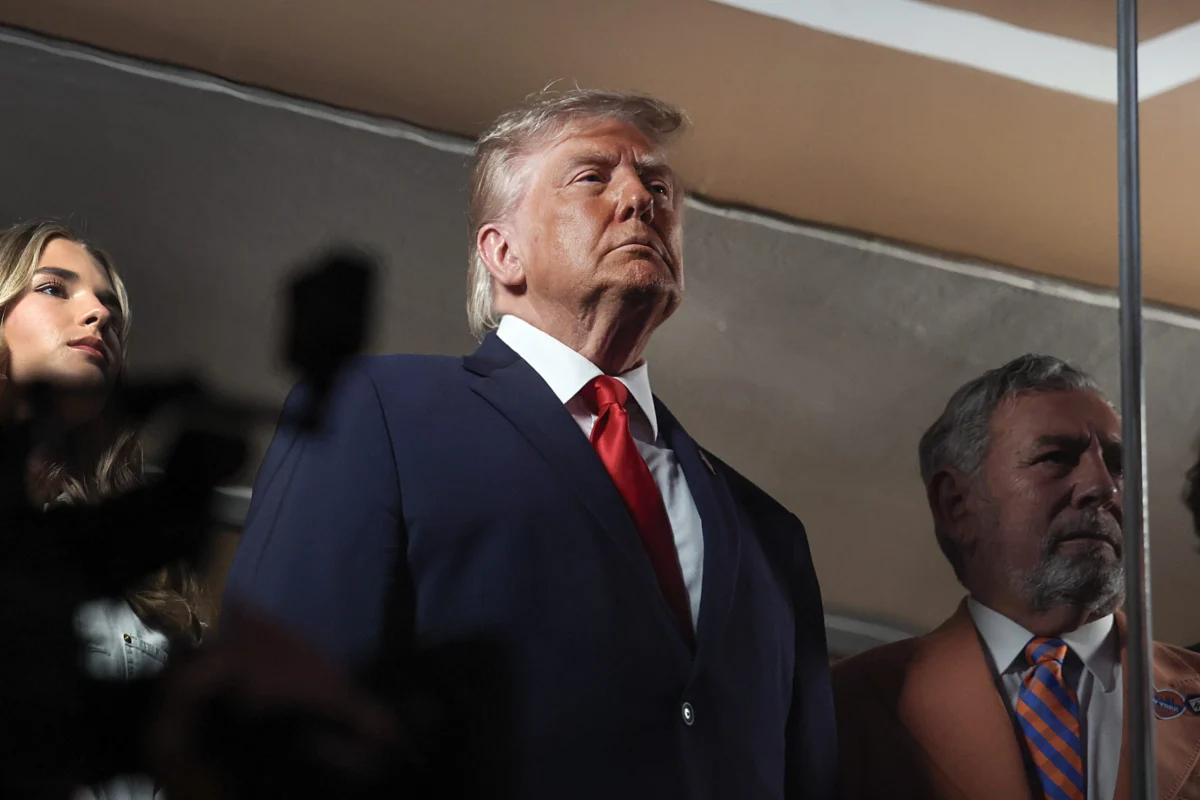
In a significant judicial development that underscores the constitutional boundaries of executive authority, a federal judge has once again moved to block the Trump administration from barring major news organizations from the White House. U.S. District Judge Timothy J. Kelly issued a ruling late Tuesday evening, granting a preliminary injunction that mandates the immediate restoration of press credentials for journalists representing CNN, MS NOW, and Politico.
The ruling serves as a profound legal check on the President’s attempt to restrict access to the White House briefing room, with Judge Kelly explicitly stating that the news organizations are "likely to succeed" on both their due process claims and their assertions of First Amendment violations.
The Core Conflict: Access vs. Executive Discretion
The controversy originated in mid-September 2026, when President Donald Trump declared on social media that he was "banning" three prominent news outlets from the White House complex. The following morning, journalists arriving with valid "hard pass" credentials—the gold standard of White House access—found themselves barred at the gates.
The administration’s initial attempt to silence these outlets sparked immediate outcry from press associations and media organizations worldwide. The subsequent lawsuit filed by CNN, MS NOW, and Politico argued that the administration’s actions were not merely a matter of security or logistics, but a "brazen" attempt to discriminate against media entities based on their editorial viewpoints. By revoking access without a clear, objective process, the plaintiffs argued, the White House had violated the fundamental protections afforded to the press under the First Amendment.
In his Tuesday ruling, Judge Kelly maintained that the status quo must be preserved while the litigation proceeds. "The Court’s decision," Kelly wrote, "should not be interpreted to suggest that President Trump’s concerns about accuracy and fairness in the media’s reporting are unfounded, or that the government is powerless when its true aim is to protect national security." However, he made it clear that the current method of banning these specific outlets lacked the constitutional grounding necessary to supersede the First Amendment.
Chronology of the Dispute
The timeline of this legal battle highlights the rapid escalation of tensions between the executive branch and the press corps:
- September 18, 2026: President Trump announces a total ban on CNN, MS NOW, and Politico from White House premises.
- September 19, 2026: Journalists from the three affected outlets attempt to enter the White House but are denied entry by Secret Service personnel, despite possessing valid hard passes.
- September 20, 2026: The news organizations file a lawsuit against the President and three senior White House officials, alleging violations of the First Amendment and the Fifth Amendment’s Due Process Clause.
- September 24, 2026: Judge Timothy J. Kelly issues a temporary restraining order (TRO), ordering the immediate reinstatement of the credentials. The White House complies under protest.
- October 2026: Legal arguments continue as the administration attempts to justify the revocation based on allegations of "inappropriate conduct" and "lack of decorum."
- Tuesday Evening (Current Ruling): Judge Kelly grants a preliminary injunction, extending the protections of the initial TRO and ensuring that the outlets maintain access throughout the duration of the ongoing lawsuit.
The Constitutional Stakes: First Amendment Protections
At the heart of the legal argument is the extent to which a president can curate the press corps that covers their administration. While the White House has broad discretion to manage the physical security and logistics of the executive mansion, legal scholars argue that it cannot use access as a punitive tool against outlets that publish critical coverage.
The plaintiffs’ legal team emphasized that the revocation of credentials was not based on any breach of security protocols or standard conduct guidelines. Instead, they pointed to the President’s own public rhetoric—characterizing the news organizations as "enemies of the people"—as evidence that the motivation was purely viewpoint-based discrimination.
Judge Kelly’s assertion that the media organizations are likely to succeed on their First Amendment claims signals that the court views the ban as a potential violation of the "public forum" doctrine. Because the White House press briefing room is a designated space for journalists to perform their duties, barring specific outlets without a clear, non-discriminatory reason creates a dangerous precedent that could stifle the adversarial nature of a free press.
Official Responses and Administration Stance
The White House has remained steadfast in its criticism of the affected media outlets. Spokespersons for the administration have repeatedly argued that the President has the absolute authority to determine who is allowed on the grounds, citing concerns over "decorum" and the "need for accuracy."
In the wake of the Tuesday ruling, the administration issued a brief statement noting their disappointment with the court’s decision. They reiterated that they intend to continue their legal fight, asserting that the President’s prerogative to manage the White House environment is essential to national security. However, for the time being, the administration is legally compelled to honor the "hard pass" status of the journalists involved.
Conversely, the legal teams for CNN, MS NOW, and Politico celebrated the ruling as a victory for the rule of law. In a joint statement, representatives noted, "The freedom of the press is not a gift granted by the government, but a constitutional right that must be protected. We are pleased that the court has reaffirmed this principle and that our journalists can continue to report from the White House."
Implications for Future Executive-Press Relations
The legal precedent set by this case is likely to have long-term consequences for how future administrations interact with the press. If the courts ultimately rule in favor of the media organizations, it will effectively cement the "hard pass" system as a protected property right that cannot be revoked without stringent due process.
The "Chilling Effect"
Press freedom advocates argue that even the temporary revocation of access creates a "chilling effect" on investigative journalism. If reporters fear that aggressive questioning or critical reporting could result in a permanent loss of access, they may become more cautious in their work. This self-censorship, critics argue, is exactly what the First Amendment was designed to prevent.
The Role of the Courts
The intervention of the judiciary in this matter highlights the role of the courts as a mediator between the executive and the fourth estate. While the President wields significant power, Judge Kelly’s ruling serves as a reminder that the judicial branch acts as a final arbiter when executive actions threaten to override constitutional rights.
Broader Media Landscape
The inclusion of digital-first outlets like Politico and MS NOW in this legal battle reflects the changing nature of the media landscape. Unlike the legacy networks of the past, these outlets represent a hybrid of traditional reporting and rapid-response digital journalism. The attempt to ban them suggests that the current administration views the speed and reach of these platforms as a unique threat, further complicating the definition of "the press" in the 21st century.
Conclusion: A Delicate Balance
The battle over White House press credentials is far from over. While the preliminary injunction provides immediate relief for the affected journalists, the underlying legal challenge will continue to work its way through the federal court system.
As the case progresses, the nation will be watching to see how the court balances the President’s legitimate need to maintain order and security at the White House against the democratic necessity of an open, accessible, and independent press. The outcome will likely define the parameters of presidential power for years to come, setting a benchmark for whether the executive branch can dictate the terms of its own accountability.
For now, the gates remain open, and the journalists from CNN, MS NOW, and Politico will continue their coverage—a testament to the enduring, albeit strained, relationship between the White House and the press corps that covers it. As Judge Kelly noted, the court remains sensitive to the President’s concerns, yet the fundamental requirement of the Constitution stands: no government, no matter the office, has the power to silence its critics under the guise of executive privilege.
