
The Cost of the Icon: Sylvester Stallone Reflects on the Dark Reality of Hollywood’s Physical Standards
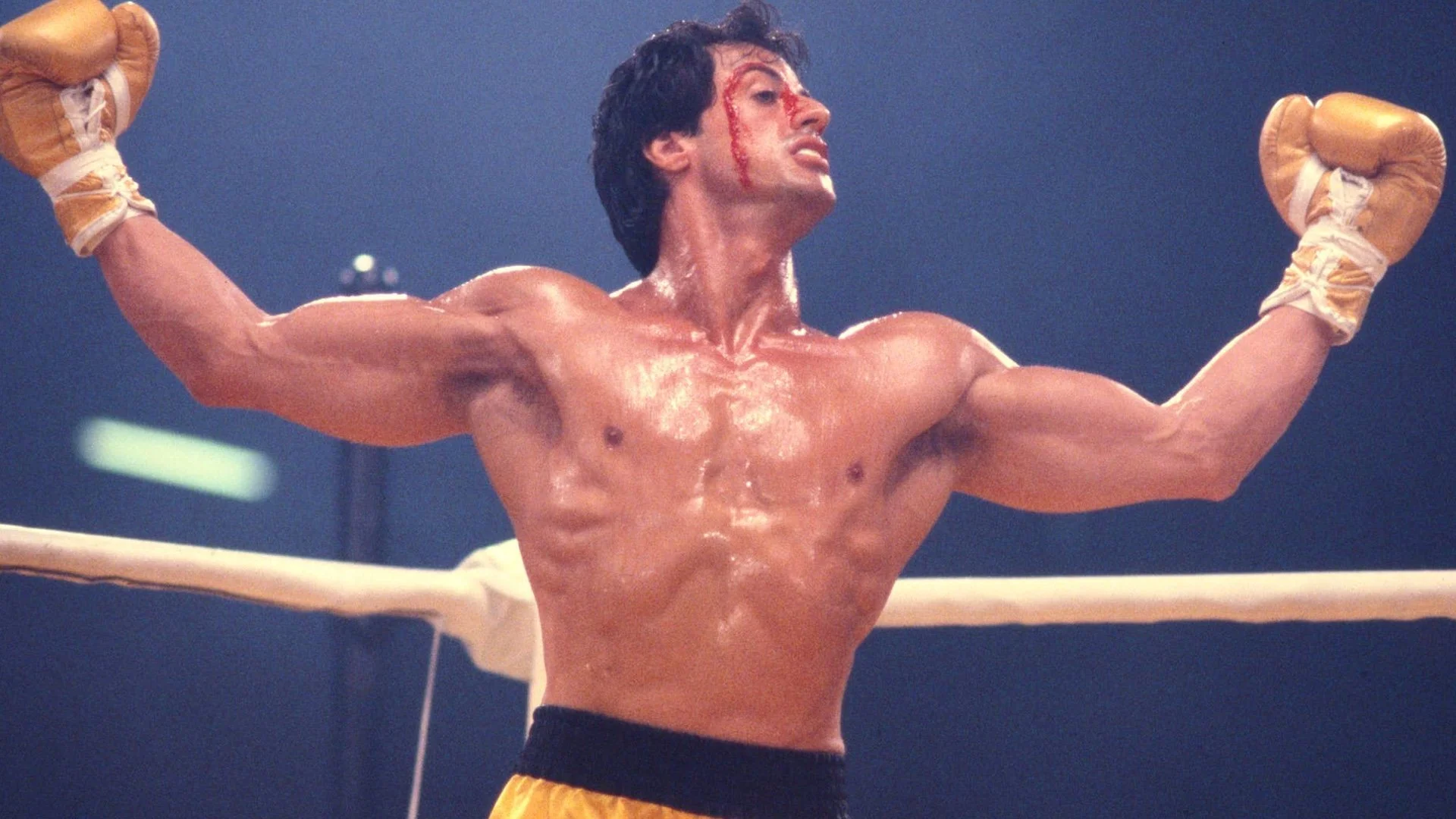
Fifty years after the original Rocky first punched its way into the American cultural consciousness, the man behind the Italian Stallion is pulling back the curtain on the grueling, often dangerous realities of Hollywood’s physical expectations. Sylvester Stallone, now 78, is using the release of his new memoir, Steps, to provide a candid—and at times harrowing—account of the extreme lengths he went to in order to maintain his status as an action icon, while simultaneously challenging the authenticity of the modern "superhero physique."
In a wide-ranging, 50-minute conversation with journalist Tracy Smith at New York’s prestigious 92nd Street Y, Stallone did more than just reminisce about the golden age of his career. He offered a sobering critique of the film industry’s relentless demand for superhuman aesthetics, suggesting that the sculpted bodies audiences see on screen are often the result of chemical intervention rather than natural athletic prowess.
The Metamorphosis of Rocky Balboa: A Case Study in Extremes
To understand Stallone’s perspective, one must look back at the pivot point of his most famous franchise: Rocky III. By the time the third installment arrived in 1982, the character of Rocky Balboa had evolved from a struggling journeyman boxer from the streets of Philadelphia into a world-renowned champion.
For Stallone, this narrative shift necessitated a physical transformation that bordered on the obsessive. He explained to the audience that his desire for a "total body metamorphosis" was a calculated storytelling device. He wanted the audience to see a version of Rocky that had been corrupted by his own success—a man who had traded his gritty, raw exterior for vanity and self-protection.
"By the time they did Rocky III, you’ve lost the element of surprise," Stallone noted. "Everyone knows what this guy is all about. I wanted him to develop serious narcissism. I wanted him to get his scars removed and be a totally different guy. That would be a story point. He became protected, he’s shielded and vain."
The execution of this vision came at a devastating physical cost. Stallone revealed that he dropped his body fat percentage from 50% to a dangerously low 2.6%. The method? A Spartan, unsustainable regimen of tuna fish and approximately 30 cups of coffee a day. Perhaps most significantly, he openly acknowledged the use of steroids during this period, a confession that rippled through the room.
Beyond the Ring: Questioning the "Superhero" Standard
Stallone’s comments regarding his own history with performance-enhancing drugs served as a jumping-off point for a broader, more provocative assertion about modern cinema. When asked about the current crop of actors portraying comic book heroes, Stallone did not mince words.
"Guys… you really think these guys are natural?" he quipped.
He posits that the "superhero physique"—characterized by impossibly broad shoulders, shredded abdominal muscles, and an unnatural level of vascularity—is, in effect, a costume. Much like a cape or a mask, the actor is expected to manipulate their body chemistry to hit a specific visual target for the duration of a shoot, only to discard that look once the cameras stop rolling.
"If you’re trying to play a sort of superhero or a person that is above and beyond a normal guy, you can’t do it," Stallone explained. "It’s almost like putting on part of a costume. For six to eight weeks, you manifest that look. And then you shed it."
This insight into the Hollywood machine suggests that the pressure on actors to achieve these aesthetic milestones is not merely a byproduct of vanity, but a studio-driven mandate. In an era where visual effects are ubiquitous, the "real" muscles of the leading man remain a primary marketing tool. Stallone’s critique implies that the industry is normalizing a standard of beauty that is physically unsustainable for the average person and potentially life-altering for the performers tasked with achieving it.
The Physical Toll: A Reckoning with Mortality
While Stallone’s honesty is refreshing in an industry often defined by carefully curated PR narratives, his reflections are underscored by the long-term consequences of his past actions. Pushing the human body to the extremes required for 1980s action cinema took a toll that eventually demanded a reckoning.
During his conversation at the 92nd Street Y, Stallone spoke about the "terrible toll" that steroids and extreme dieting took on his system. The "wake-up call" for the actor came not in the form of a boxing injury or a stunt-related accident, but through a cardiovascular crisis that required a heart valve replacement.
Stallone shared that he had been dismissive of his own declining health, attributing his fatigue and physical changes to the natural aging process. It was his wife, Jennifer Flavin Stallone, who intervened, sensing that something was fundamentally wrong with his condition.
"I thought I was okay," Stallone recalled. "I was lucky that my wife said, ‘I don’t like the way you look.’ [I said], ‘Oh, come on. I’m just getting old over here. Relax.’ Women have an extra sense. They really do."
He credits his wife’s intuition and persistence with saving his life. This anecdote serves as a stark reminder that the "costume" of the action hero can have lingering, hidden costs that extend far beyond the wrap date of a film.
Historical Context: The Evolution of the Action Hero
To understand why Stallone’s comments resonate so strongly, one must consider the evolution of the action genre. In the 1970s, characters like Rocky Balboa were portrayed as blue-collar fighters. Their bodies were developed through training and endurance, often appearing more "real" than "sculpted."
As the 1980s progressed, the action hero underwent a shift toward the hyper-masculine. Stallone, along with contemporaries like Arnold Schwarzenegger and Jean-Claude Van Damme, set a new bar for physical development. This era saw the rise of the "bodybuilder-turned-actor," which inextricably linked muscularity with heroism in the eyes of the global audience.
However, as we move further into the 21st century, the definition of a "hero" has become even more demanding. With the dominance of comic book franchises, the standard has shifted from "athletic" to "anatomically extreme." Actors are now expected to be larger than life, often requiring specialized trainers, nutritionists, and, as Stallone suggests, chemical assistance to reach these benchmarks within short pre-production windows.
Implications for the Industry
Stallone’s candor creates a significant ripple effect in how we view movie stars. If the physique is indeed "part of the costume," what does this mean for the health and wellness of the next generation of actors?
- Normalization of PEDs: By bringing the conversation about steroids into the mainstream, Stallone is challenging the "clean" image of the superhero genre. This may lead to increased scrutiny from health experts regarding the long-term health of young actors participating in these high-intensity transformations.
- The "Body Dysmorphia" Crisis: The pressure to maintain an impossible physique for a role can lead to severe psychological impacts, including body dysmorphia and disordered eating. Stallone’s previous admission of being "bulimic" during the filming of Rocky III is a testament to the mental health struggles that often accompany physical perfectionism.
- Audience Literacy: As audiences become more aware of the "costume" nature of these bodies, it may shift the way films are marketed. There is a growing movement toward "body positivity" and "body neutrality" that may eventually demand a move away from the hyper-muscular trope in favor of more authentic character representations.
Conclusion: The Legacy of a Truth-Teller
As Stallone navigates his late 70s, he has transitioned from the man who lived the myth to the man who explains it. His memoir, Steps, serves as a final, unfiltered look at the journey that defined his life.
By speaking out about his experiences with steroids, extreme dieting, and his heart health, Stallone is not just promoting a book; he is offering a cautionary tale. He is warning a new generation of performers and fans alike that the image on the screen is not the reality of the person behind it.
The "Rocky" brand has always been about heart, grit, and the human spirit’s capacity to endure. By admitting that he often broke his own body to project that strength, Stallone has paradoxically made himself more human—and perhaps more heroic—than the invincible fighter he once portrayed. As he continues to reflect on his half-century in the spotlight, Stallone’s message remains clear: the true fight is not against an opponent in the ring, but against the impossible expectations we place upon ourselves in the name of the craft.
