
The Architecture of Estrangement: Exploring the Quiet Intensity of Logan Fields’ Fennel
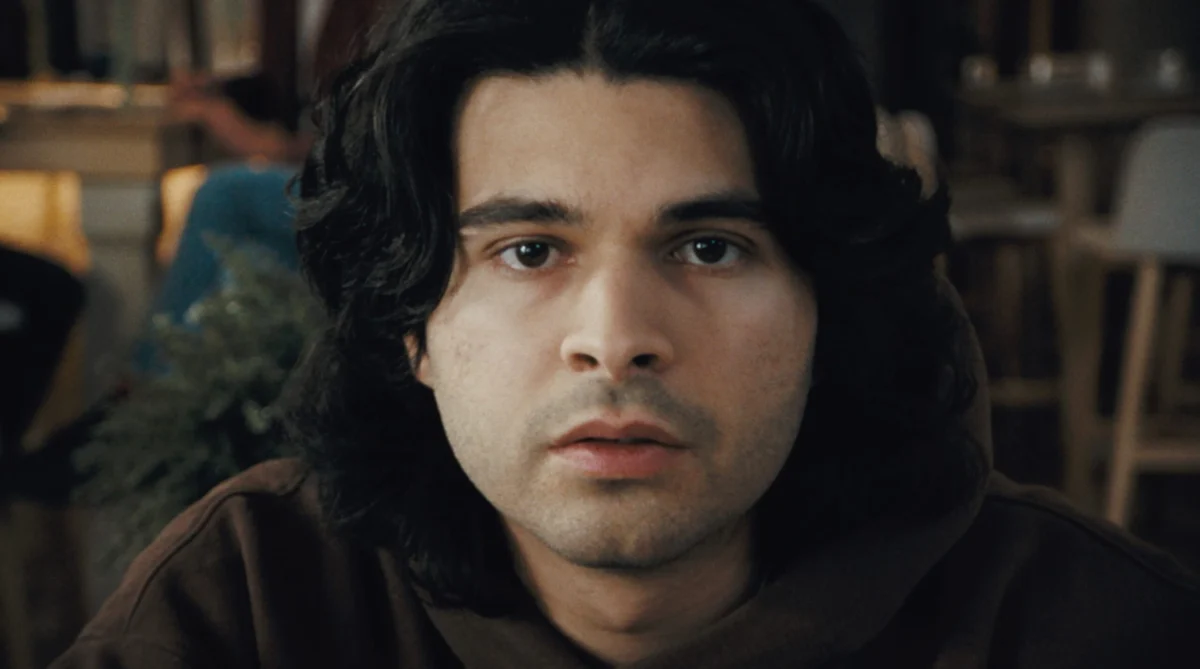
The complexity of the parent-child dynamic is one of the most well-trodden paths in cinema, yet it remains a landscape fraught with nuance, resentment, and the persistent, nagging hope for reconciliation. In his latest short film, Fennel, writer-director Logan Fields strips away the artifice of high-concept drama, opting instead to examine the suffocating intimacy of a single lunch between a father and son. By eschewing explosive plot twists in favor of the devastating power of the mundane, Fields crafts a portrait of emotional distance that feels both profoundly personal and universally recognizable.
The film, which recently celebrated its online premiere following a successful festival run, serves as a masterclass in tension, demonstrating how a screenplay can be elevated by what remains unsaid. Through the performances of Daniel Zolghadri and Keith William Richards, Fennel offers an unflinching look at the baggage we carry into our closest relationships—and the toll that baggage takes on our ability to truly connect.
Main Facts: A Study in Strained Connection
At its core, Fennel is a film about the "known unknown"—the people we have lived with our entire lives whom we suddenly realize we no longer understand. The premise is disarmingly simple: a father, Mike (Keith William Richards), and his son, Brady (Daniel Zolghadri), meet for a meal. What should be a routine social interaction quickly devolves into a theater of passive-aggression and miscommunication.
Fields, who wrote and directed the piece, has described the project as a deeply personal endeavor. His objective was to "make something close and pressing" for himself, channeling the specific anxiety that arises when two people who share a history find themselves sharing a void instead. The film succeeds because it refuses to cast a villain. Instead, it captures the tragedy of two people who clearly want to be connected but lack the emotional vocabulary to bridge the gap.
Chronology of Production and Release
The journey of Fennel from concept to screen highlights a meticulous approach to character-driven storytelling. The development phase was marked by Fields’ desire to move away from the "gimmicky" tropes often found in short-form narratives. He prioritized the script’s authenticity, focusing on dialogue that mirrors the erratic rhythm of real-world arguments—the interruptions, the awkward pauses, and the deflection.
The production itself employed a technical strategy designed to preserve the actors’ performances. Under the guidance of Director of Photography Zayd Ezzeldine, the crew utilized a multi-camera setup. This was not a stylistic flourish, but a narrative necessity. By capturing full takes of each scene, Ezzeldine and Fields allowed Zolghadri and Richards to live within the tension of the scene without the artificial breaks of traditional coverage. This approach ensured that the emotional arc of the lunch—from forced pleasantries to the breaking point—felt seamless and earned.
Following its production, Fennel made its world premiere at the prestigious Palm Springs ShortFest in 2026. The reception was marked by critical appreciation for its restraint and the raw, kinetic energy between its leads. Now, as the film makes its online debut, it is poised to reach a broader audience, serving as a calling card for Fields, who is reportedly already deep into the development of a feature-length project and several additional short films.
Supporting Data: The Craft Behind the Quiet
The power of Fennel lies in its execution, which relies on a synergy between technical precision and raw performance. The collaboration between Fields and editor Griffin Olis is particularly noteworthy. In a film where the conflict is primarily psychological, the pacing of the edit is what dictates the "temperature" of the room. Olis masterfully balances the need for silence—allowing the audience to sit in the discomfort of a lingering look or a dropped gaze—with the acceleration of the verbal confrontation.
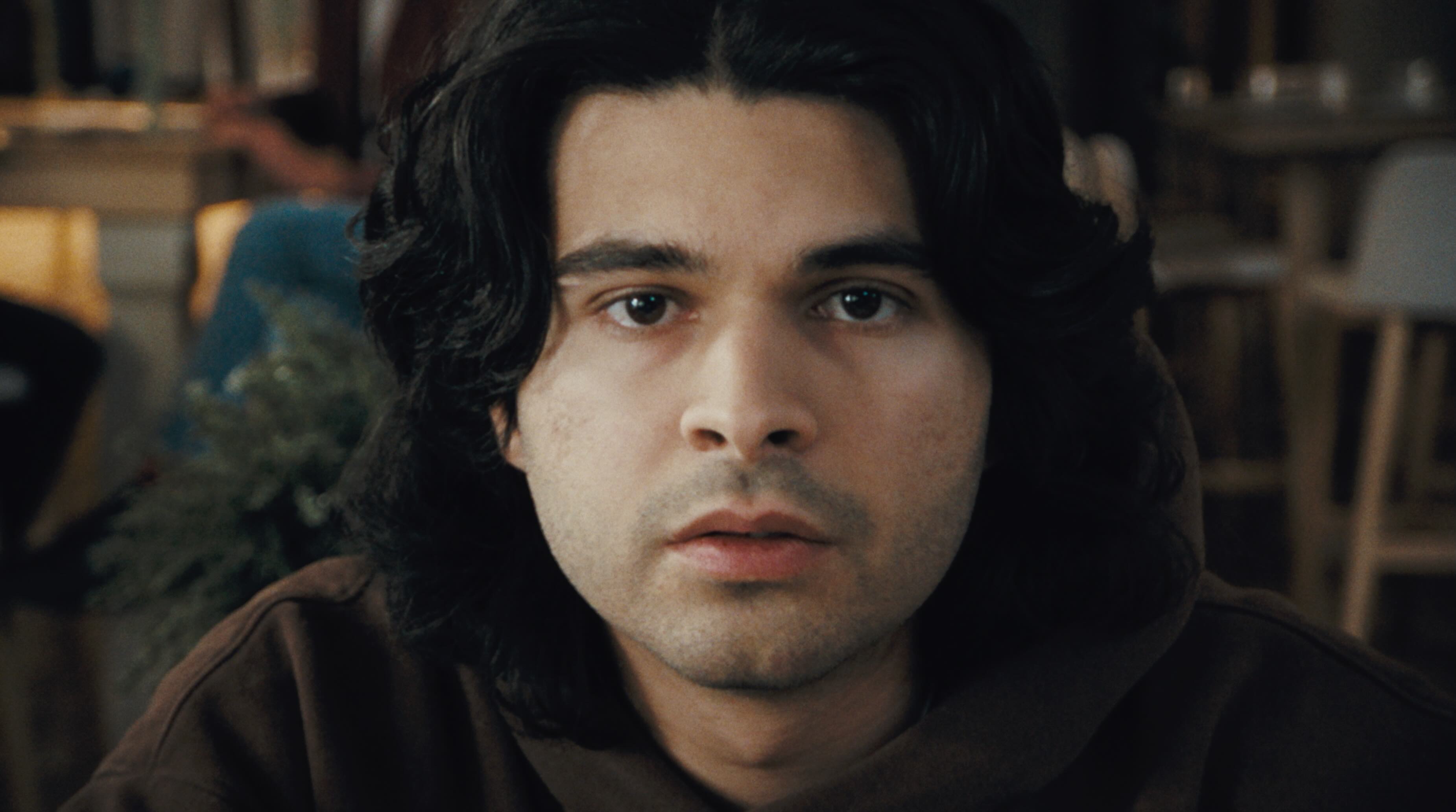
The acting, however, remains the film’s anchor. Daniel Zolghadri’s portrayal of Brady is a study in suppressed frustration. He manages to convey a sense of exhaustion that comes from years of trying to reach a parent who is, often unintentionally, dismissive or self-absorbed. Conversely, Keith William Richards brings a grounded, humanizing quality to Mike. He does not play the "bad father" as a caricature; he plays him as a man whose own limitations prevent him from seeing the harm he is causing. Their chemistry is built on a shared understanding of the subtext, making the interaction feel less like a performance and more like an overheard conversation.
Official Responses and Creative Vision
In discussing the film’s thematic underpinnings, Fields has been clear about his intent to provoke self-reflection. He views the film as a mirror held up to the audience’s own domestic histories. By focusing on the "unsaid," Fields taps into a universal human experience: the pain of being in the presence of someone we love, yet feeling fundamentally alone.
"It’s about that specific kind of ache," a representative for the film noted during its festival run. "When you know someone so well, you know exactly which buttons to push, but you also know exactly where they are hurting. Fennel is about the decision to push those buttons versus the decision to heal."
The film does eventually reach a climax—a moment of necessary friction that allows Brady to speak his truth. It is not a resolution that fixes everything; the characters do not walk away with a clean slate. However, it is a moment of closure, a necessary clearing of the air that acknowledges the reality of their disconnect.
Implications: The Mirror of Modern Cinema
Fennel is significant not only for its narrative quality but for what it represents in the current landscape of short-form filmmaking. As the digital age encourages shorter attention spans and high-concept "hook" content, Fennel serves as a reminder that there is still a powerful, dedicated audience for slow-burn, character-driven realism.
The Anatomy of Emotional Distance
The film forces the viewer to confront the "disrespect" that occurs in strained relationships—not the overt disrespect of malice, but the subtle, persistent disrespect of ignoring the other person’s reality. When we see Brady struggling to be heard, we are forced to think about the people in our own lives whom we may have been silencing. This makes Fennel a dangerous film, in the best sense of the word; it is impossible to watch it without turning inward.
The Future of the Creative Team
For Logan Fields, Fennel acts as a definitive statement of his creative identity. He has established himself as a director who trusts his actors and his audience. By stripping away the need for external plot devices, he has proven that a kitchen table and two people can be just as dramatic as any high-stakes thriller. As he transitions into feature-length filmmaking, the industry will be watching to see if he can scale this intimacy. If the maturity shown in Fennel is any indication, Fields is a talent capable of navigating the complex terrain of the human heart with both grace and surgical precision.
Final Thoughts
Ultimately, Fennel succeeds because it does not try to solve the problem of the father-son dynamic. It merely observes it, honors it, and presents it with a clarity that is as refreshing as it is painful. It is a testament to the idea that the most profound stories are often those occurring in the quietest rooms. For anyone who has ever sat across from a loved one and wondered how they became strangers, Fennel is not just a film; it is a reflection of the complicated, messy, and enduring nature of family.
