
The Synthezoid’s Reckoning: Everything You Need to Know About Marvel’s VisionQuest Release Schedule, Plot, and MCU Impact
By Tom, Senior Entertainment Reporter
It is finally time for one of the Marvel Cinematic Universe’s most compelling, complex characters to step out of the shadows of the ensemble. After years of portraying a pivotal supporting player across a myriad of blockbuster movies and acclaimed Disney+ television series, the superpowered synthezoid Vision is stepping into the spotlight for his very own headlining project: VisionQuest.
As the penultimate television series in Marvel’s sprawling Phase 6 lineup, anticipation for VisionQuest has reached a fever pitch. Serving as a spiritual successor and thematic continuation of the groundbreaking Disney+ series WandaVision, the upcoming show promises to dive deep into the existential dread, technological philosophy, and emotional fallout that followed the cataclysmic events of Westview.
For fans eager to map out their viewing calendars, Marvel Studios has officially outlined the release dates, rollout strategy, and broadcast times for the series. Here is an exhaustive breakdown of everything you need to know about VisionQuest, including its narrative setup, episode release schedule, and what this means for the broader future of the MCU.
Main Facts: Plot, Cast, and Narrative Setup
Set roughly one year—in-universe time—after the tragic conclusion of WandaVision, VisionQuest finds the white-bodied iteration of Vision (once again brought to life by Paul Bettany) grappling with a profound existential identity crisis. Following the restoration of his memories by his magical counterpart in Westview, this version of Vision vanished into the global network to process his newly recovered history, his lack of humanity, and the void left behind by Wanda Maximoff.
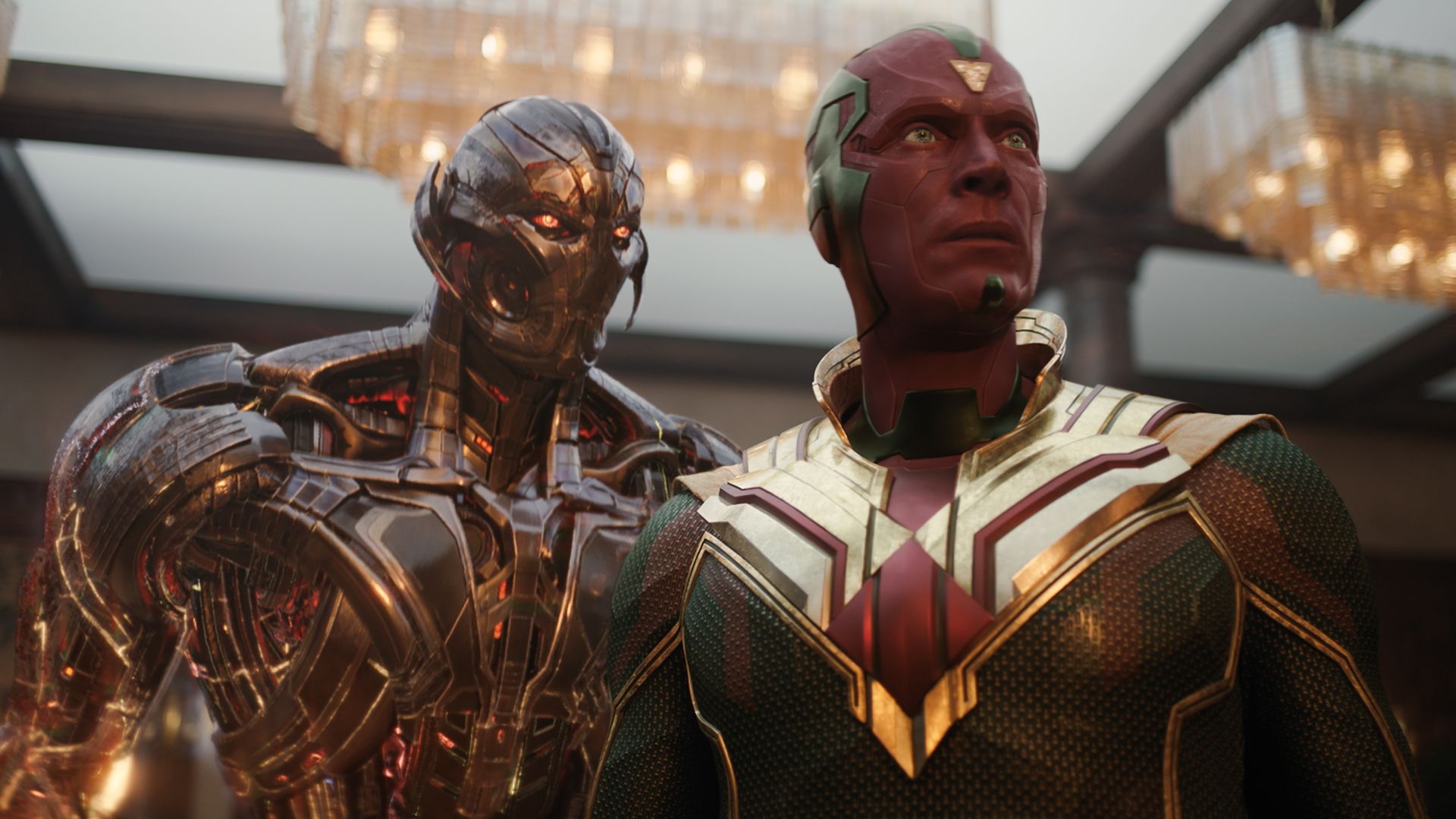
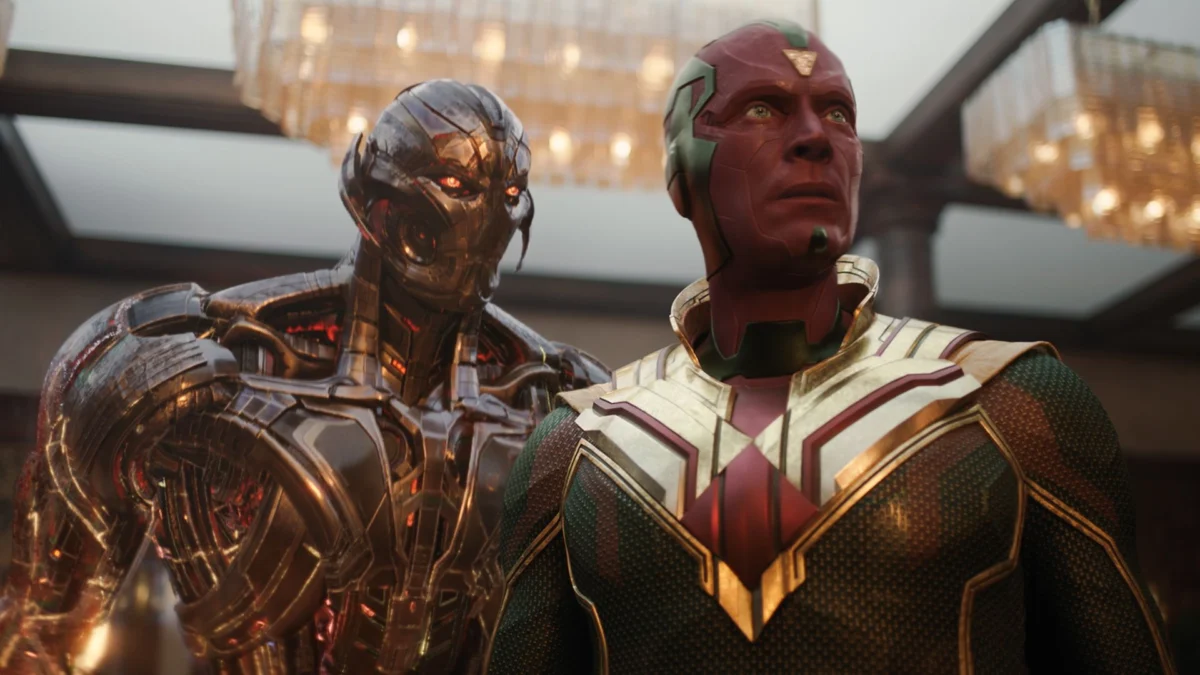
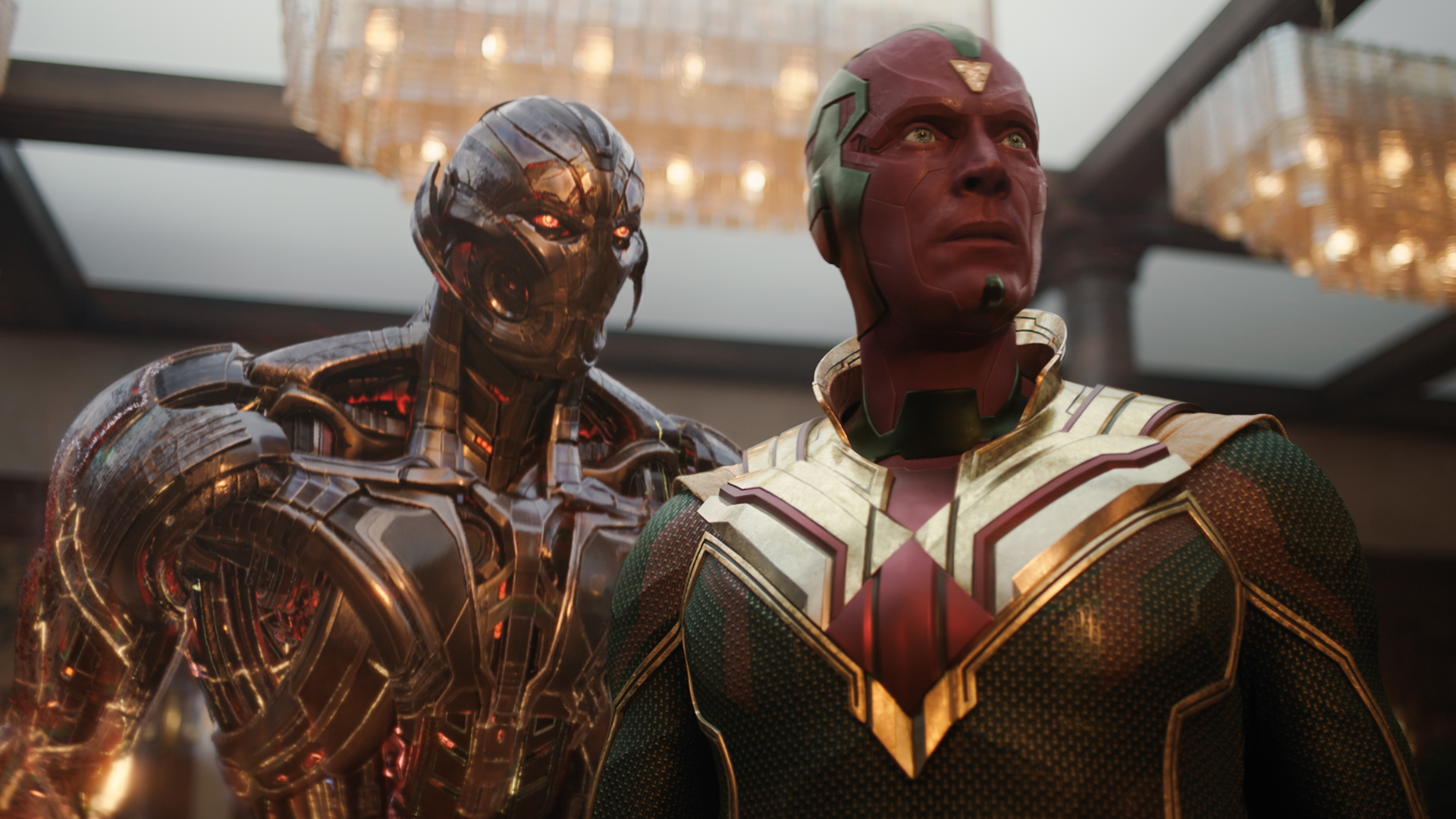
In his search for meaning, purpose, and self-definition, the synthezoid begins consulting the various artificial intelligence programs embedded deep within his core programming. Among these digital ghosts is none other than Ultron, the malevolent, god-complex-ridden android last seen wreaking havoc in 2015’s Avengers: Age of Ultron. With James Spader reprising his iconic role as the voice and digital specter of Ultron, their interactions are expected to form the psychological backbone of the series—a philosophical chess match between creator, destroyer, and creation.
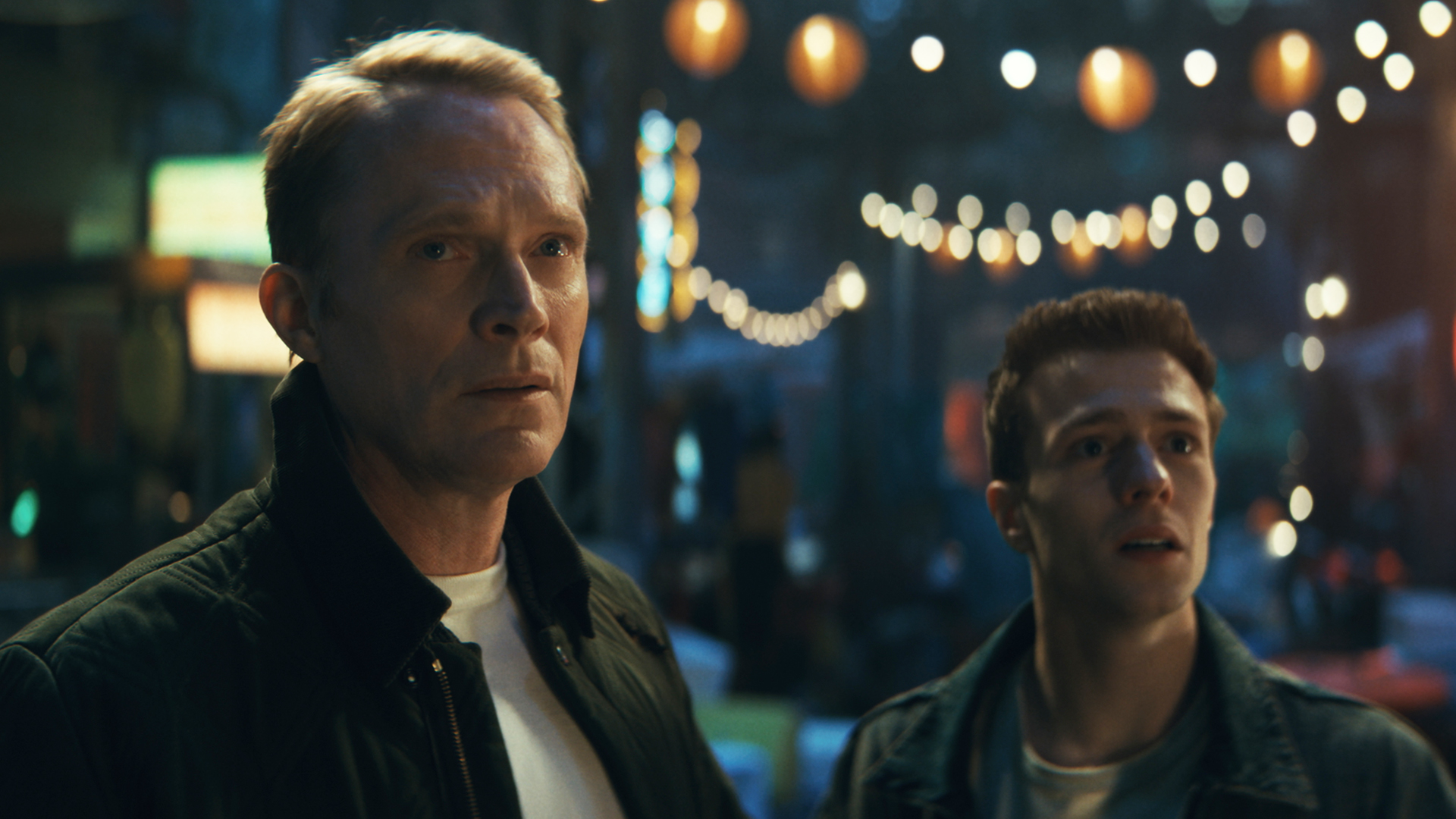
However, Vision’s internal journey is violently interrupted. He soon finds himself forced to go on the run alongside Tommy Shepherd (played by MCU newcomer Ruaridh Mollica). Tommy is a mysterious young individual who claims to be one of Vision’s reincarnated twin sons—a revelation that bridges the gap between WandaVision and the comic book lore of the Young Avengers. The unlikely duo quickly becomes the target of nefarious external forces hunting down the highly advanced, irreplaceable technology that comprises Vision’s physical and cognitive architecture.
Chronology: The VisionQuest Episode Release Schedule
To prevent internet-breaking spoilers and keep the conversation surrounding the show alive for weeks, Marvel Television is employing a hybrid rollout strategy for VisionQuest’s eight-episode run.
The series is scheduled to make its global debut with a high-stakes, two-episode premiere on Tuesday, October 13, at 6:00 PM PT / 9:00 PM ET in the United States and Canada.
Originally, Disney and Marvel Studios had slated VisionQuest for a standard Wednesday global rollout on October 14. However, in a surprise strategic shift announced via official social media channels, Marvel confirmed that North and South American audiences will receive early access to the premiere on Tuesday evening. Fans residing in the UK, Europe, Asia, and Oceania will still be able to jump into the premiere starting on Wednesday, October 14, aligning with their local time zones.
As for the remaining chapters, Marvel has structured the weekly rollout to deliver double-episode chunks during the initial weeks, followed by individual finales. The complete confirmed structural release framework is as follows:
- Episodes 1 & 2 Premiere: Tuesday, October 13 (US/Canada) / Wednesday, October 14 (International)
- Episodes 3 & 4: Released together in the following week
- Episodes 5 & 6: Released together two weeks post-premiere
- Episode 7: Released independently
- Episode 8 (Season Finale): Released independently
This staggered model allows the narrative to build momentum quickly while giving viewers digestible blocks of story to dissect, theorize over, and discuss online.
Supporting Data: Broadcast Times and Regional Scheduling
Because Disney+ has increasingly shifted its marquee television releases to evening time slots in North America to capture live viewing audiences, navigating international time zones can sometimes cause confusion.
For North American viewers, every standard episode release will go live at 6:00 PM Pacific Time (PT) / 9:00 PM Eastern Time (ET).
For international fans tuning in from around the globe, here is when the episodes are expected to drop in your respective regions (subject to local daylight saving adjustments):
- United Kingdom (BST): 2:00 AM (Wednesday)
- Central Europe (CEST): 3:00 AM (Wednesday)
- Eastern Australia (AEST): 11:00 AM (Wednesday)
- New Zealand (NZST): 1:00 PM (Wednesday)
A Note on Daylight Saving Time
Viewers should keep a close eye on local time changes as autumn progresses. Because the northern hemisphere rolls its clocks back an hour in late October or early November, while the southern hemisphere moves its clocks forward, certain mid-season episodes may appear on streaming devices an hour earlier or later than anticipated relative to North American clocks. Disney+ updates its backend schedules dynamically, but fans tracking releases minute-by-minute should account for regional seasonal time shifts.
Official Responses and Behind-the-Scenes Insights
The production of VisionQuest has been heavily guarded by Marvel’s notorious security protocols, but promotional material and early press releases have provided fascinating glimpses into the creative vision driving the show.
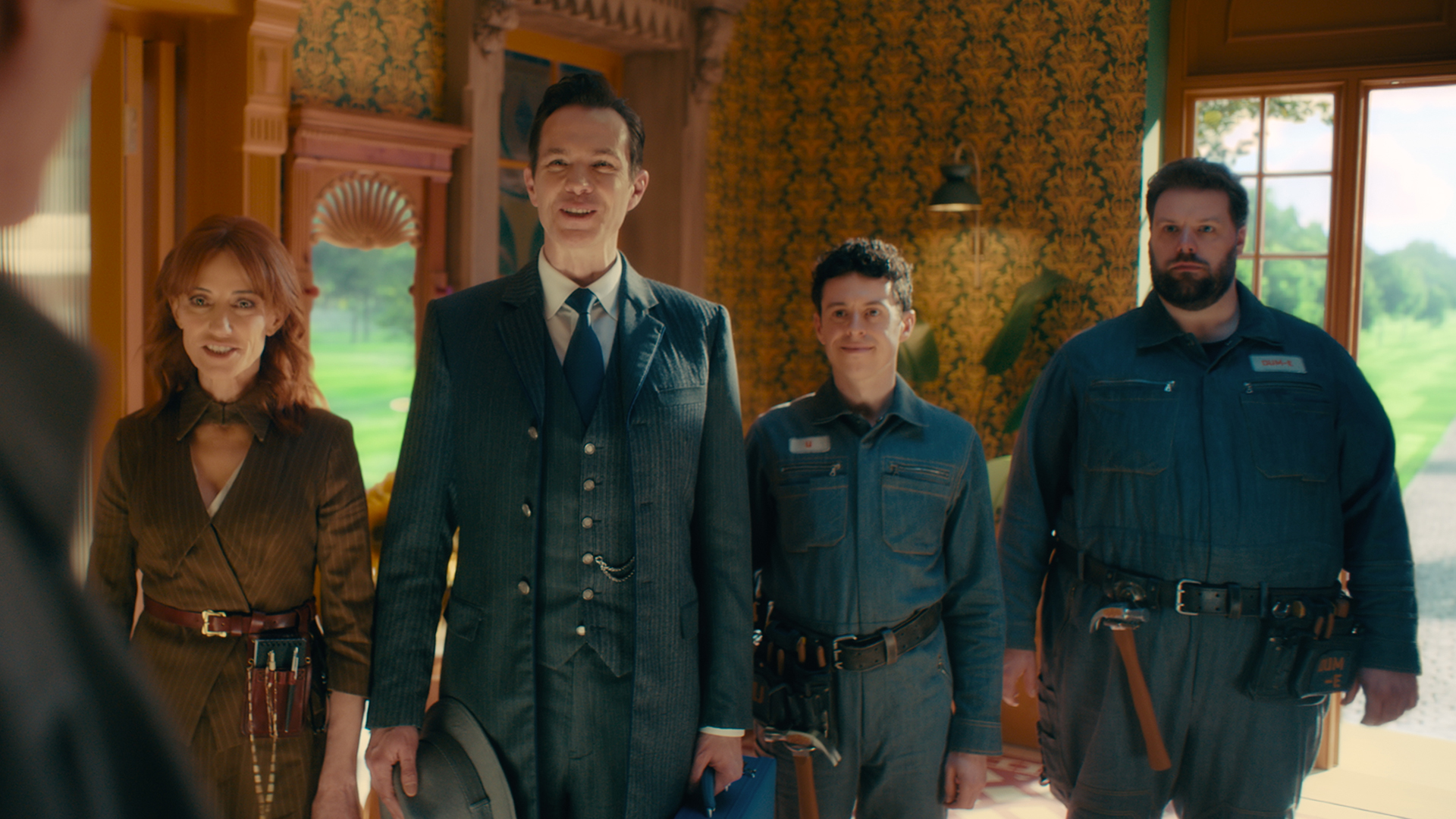
Beyond Paul Bettany’s return to the titular role and James Spader’s much-anticipated comeback as Ultron, Marvel Television has confirmed that the series will physically manifest several classic artificial intelligence personas from Tony Stark’s legacy. Alongside Ultron, viewers will see humanized or physical manifestations of other legacy AI systems, including F.R.I.D.A.Y., J.A.R.V.I.S., and D.U.M-E. This creative choice serves as a literal walk down memory lane for the MCU, forcing Vision to confront every facet of the technological ecosystem that birthed him.
Furthermore, the casting of Ruaridh Mollica as Tommy Shepherd marks a massive milestone for the corner of the MCU dealing with magical offspring and legacy heroes. While WandaVision introduced Billy and Tommy as children trapped within Wanda’s hex, their trans-dimensional reincarnation has been a lingering question mark for fans tracking the assembly of the Young Avengers. VisionQuest positions Tommy not just as an Easter egg, but as a driving narrative force who forces Vision into an unexpected paternal and protective role.
Critics who have been granted early, spoiler-free access to screeners—such as TechRadar’s entertainment desk—have praised the series for striking a balance between high-octane sci-fi action and deeply introspective character study. Rather than relying solely on universe-shattering CGI stakes, VisionQuest reportedly leans into the melancholy and philosophical wonder that defined the character’s introduction in Avengers: Age of Ultron and Captain America: Civil War.
Implications: Where VisionQuest Fits in Marvel Phase 6
As the MCU marches steadily toward its grand overarching conclusions in Phase 6, television series like VisionQuest play a critical structural role. They are no longer mere optional side-stories; they are foundational pillars that set the stage for upcoming cinematic events.
With VisionQuest serving as the final Marvel television release of 2026, its conclusion will undoubtedly leave ripples across the cosmic and terrestrial landscape of the superhero franchise. By untangling the threads of Ultron’s legacy, exploring the evolution of Stark-era artificial intelligence, and reintegrating Billy and Tommy Shepherd into active narrative play, the series is setting up key players for future crossover events.
Moreover, the show tackles a uniquely poignant theme: what does it mean to be alive when your body is synthetic, your memories are downloaded, and your soul is a mix of magic, mind stone residue, and code? For Vision, this quest is more than a journey across landscapes—it is a quest for a permanent identity in a universe that has repeatedly broken and rebuilt him.
As the countdown to October 13 ticks down, fans are encouraged to prepare by revisiting Vision’s cinematic history, brushing up on their WandaVision lore, and ensuring their Disney+ subscriptions are active. Whether you are tuning in for the psychological showdown with Ultron, the familial dynamic with Tommy, or the sleek sci-fi action sequences, VisionQuest is shaping up to be one of the most intellectually stimulating entries in the Marvel canon.
For more exclusive entertainment coverage, breaking news, and in-depth reviews, be sure to follow TechRadar on Google News and add us as a preferred source to keep your feeds stocked with expert pop-culture analysis.
