
Beyond the Binge: 5 Forgotten Netflix Fantasy Masterpieces That Still Demand Your Attention
In the current landscape of streaming media, content consumption has become a rapid-fire exercise. Netflix, the titan that revolutionized how we watch television, has shifted from a curator of cult classics—famously reviving Breaking Bad and saving series like Lucifer and Manifest from the brink of cancellation—to a relentless production factory. In this "content-first" era, even the most ambitious, high-budget projects are often subjected to a brutal lifecycle: a brief moment of trending popularity, followed by a swift retreat into the deep archives of the platform’s algorithm, eventually becoming "forgotten."
For fans of high fantasy, this churn is particularly bittersweet. There was a golden era, roughly between 2017 and 2022, when Netflix poured unprecedented resources into genre storytelling, aiming to capture the zeitgeist in the same way Apple TV+ has recently cornered the market on hard science fiction. While audiences await the next installment of high-fantasy staples like House of the Dragon, a treasure trove of imaginative, visually stunning, and narratively complex series sits just a few clicks away, gathering virtual dust.
These are five forgotten Netflix fantasy gems that not only hold up today but arguably represent the zenith of the streamer’s creative ambition.
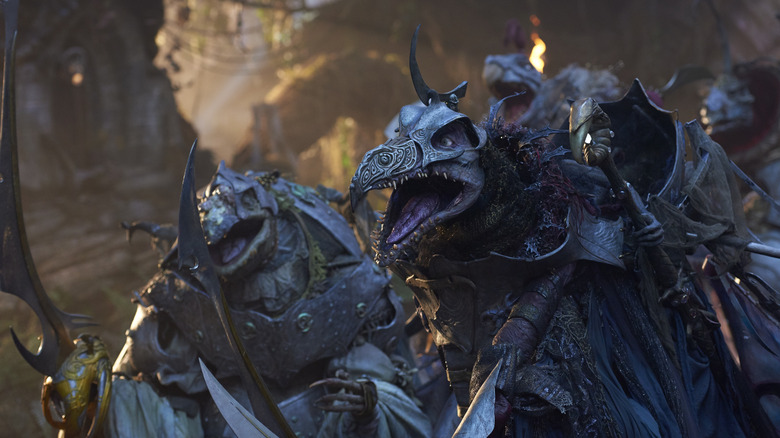
1. The Dark Crystal: Age of Resistance: A Masterclass in Craft
When Netflix announced it would be returning to the world of Thra, the skepticism was palpable. How could one possibly replicate the tactile, eerie magic of Jim Henson’s 1982 cult classic? The answer was The Dark Crystal: Age of Resistance.
A Triumph of Practical Effects
Released in 2019, Age of Resistance stands as one of the most ambitious productions in the history of television. Rather than relying on the cold, uniform sheen of modern CGI, the showrunners opted for state-of-the-art puppetry, honoring Henson’s legacy. The result is a visceral, organic experience. The sets are massive, the production design is intricate, and the world-building is as dense as Tolkien’s Middle-earth.
The Narrative Stakes
The story—a prequel detailing the rise of the tyrannical Skeksis and the resistance of three young Gelflings—is far darker and more mature than the average fantasy fare. It features an A-list ensemble of voice actors, including Taron Egerton, Lena Headey, and Jason Isaacs, who bring depth to characters that could have easily felt like props. Despite critical acclaim and an Emmy win, the show was canceled after a single season. Its premature end remains a sore spot for the genre community, yet the ten episodes that exist form a cohesive, breathtakingly beautiful arc that remains essential viewing for any fantasy enthusiast.
2. Maya and the Three: A Mesoamerican Epic
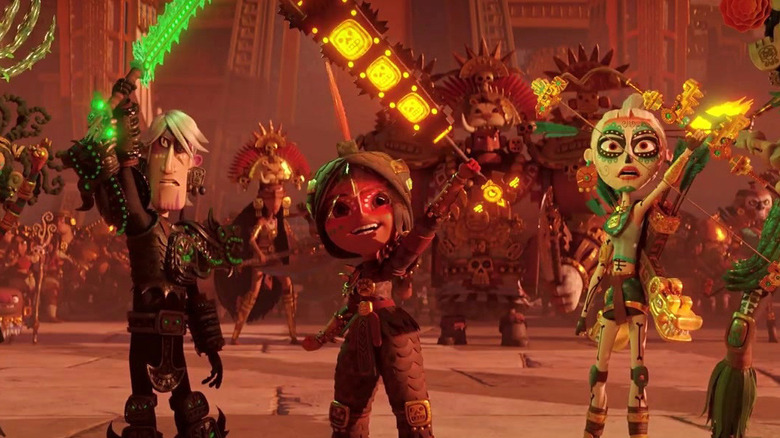
Jorge R. Gutiérrez has long been a visionary in animation, but with Maya and the Three, he delivered a magnum opus. This epic fantasy miniseries serves as a love letter to Mesoamerican mythology, breaking the mold of Eurocentric high fantasy that dominates the mainstream.
Visual Innovation
Gutiérrez’s signature visual style—characterized by bold colors, geometric shapes, and a deep respect for Latin American iconography—is on full display. The show is technically daring, even manipulating its aspect ratio to create a pseudo-3D effect that feels like a cinematic event on the small screen.
Thematic Depth
The story follows Maya, a warrior princess who must embark on a perilous quest to save her people from the wrath of vengeful gods. It is a masterclass in pacing, blending the grandeur of The Lord of the Rings with the kinetic energy of Kurosawa’s films and the emotional weight of a modern character drama. By utilizing an all-Latino voice cast, the series provides a level of cultural authenticity rarely seen in high-budget fantasy, proving that animation can be the most effective medium for exploring deep, complex mythologies.
3. Tales of Arcadia: Del Toro’s Animated Legacy
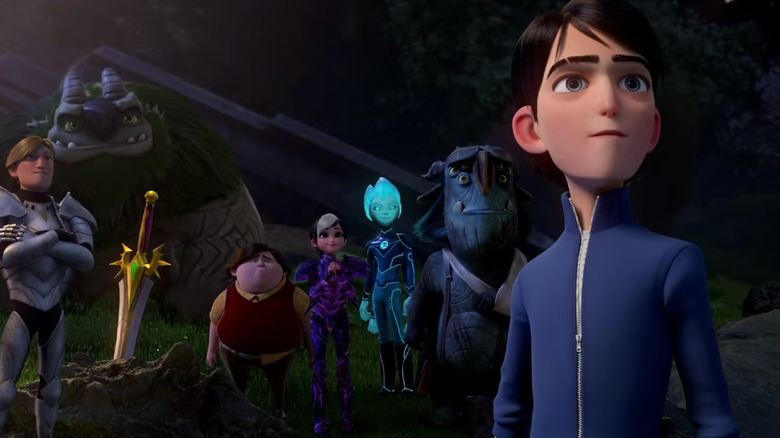
Before his recent foray into live-action horror, Guillermo del Toro quietly built one of the most sprawling and intelligent shared universes in animated history: Tales of Arcadia. What began as a simple "hero’s journey" in Trollhunters evolved into a massive, interconnected tapestry spanning three distinct series and a feature film.
The Power of World-Building
The franchise starts with Jim Lake Jr., a teenager who discovers a magical amulet, thrusting him into a secret war between trolls and humans. However, the scope quickly widens to include alien civilizations, time-traveling wizards, and ancient mythological threats. The animation is consistently sharp, but the true brilliance lies in the character arcs.
Why It Remains Relevant
Del Toro’s signature empathy for "monsters" and misfits is the heartbeat of the show. Whether it is a troll struggling to integrate into human society or a teenager grappling with the burdens of destiny, the emotional intelligence on display is staggering. The performance of the late Anton Yelchin in the lead role remains a poignant highlight, anchoring a series that manages to be both a fun adventure and a deeply touching coming-of-age story.
4. The Midnight Gospel: Existentialism via Animation
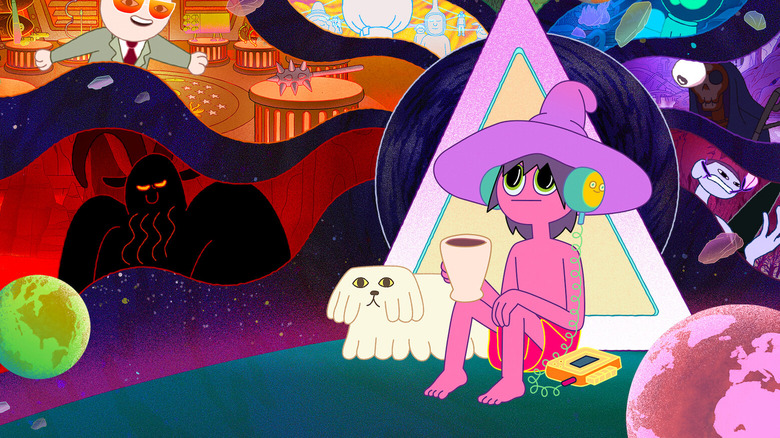
If The Dark Crystal is the gold standard for traditional high fantasy, The Midnight Gospel is the avant-garde outlier. Created by Pendleton Ward (Adventure Time) and comedian Duncan Trussell, the show is essentially a psychedelic fantasy podcast set to the visuals of an infinite multiverse.
The Format
The premise is deceptively simple: Clancy, a space-caster, travels to dying worlds in a multiverse simulator to interview their residents. However, the dialogue is taken from actual episodes of Trussell’s podcast, The Duncan Trussell Family Hour, which dives deep into subjects like existential dread, meditation, drug culture, and mortality.
The Visual-Auditory Dichotomy
The contrast between the bizarre, colorful, and often grotesque visuals and the grounded, philosophical discussions creates a unique viewing experience. It is a show that invites the viewer to meditate rather than just observe. In an era of formulaic storytelling, The Midnight Gospel serves as a reminder that fantasy can be a vehicle for profound introspection and metaphysical inquiry.
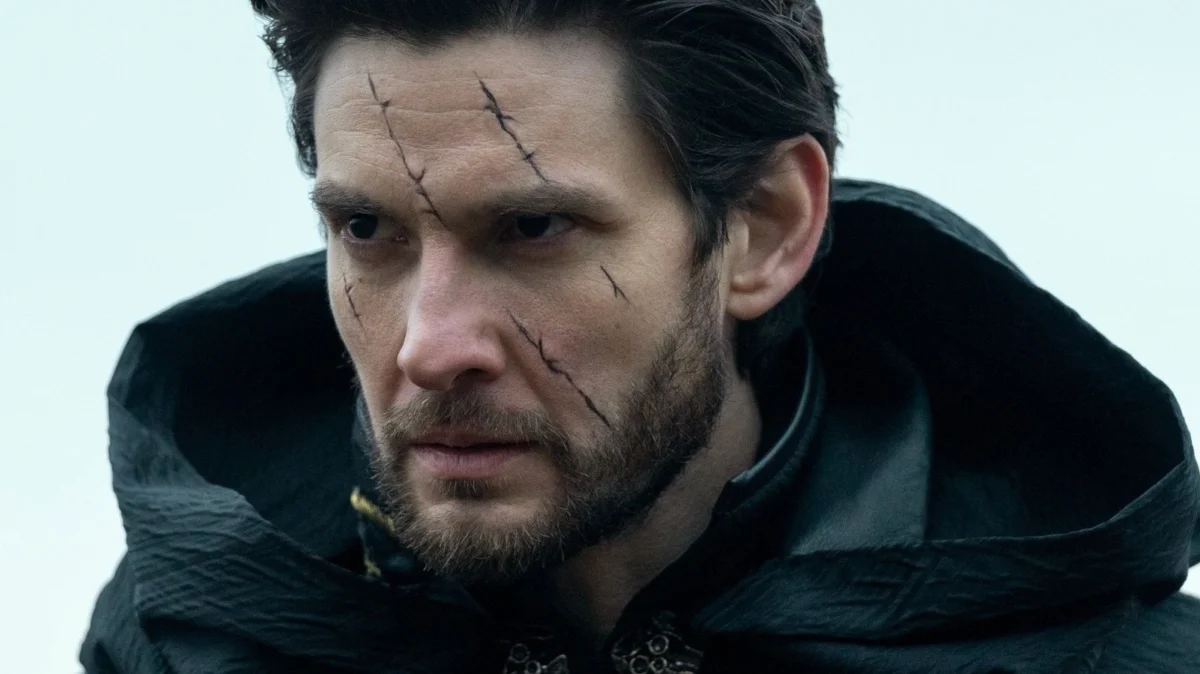
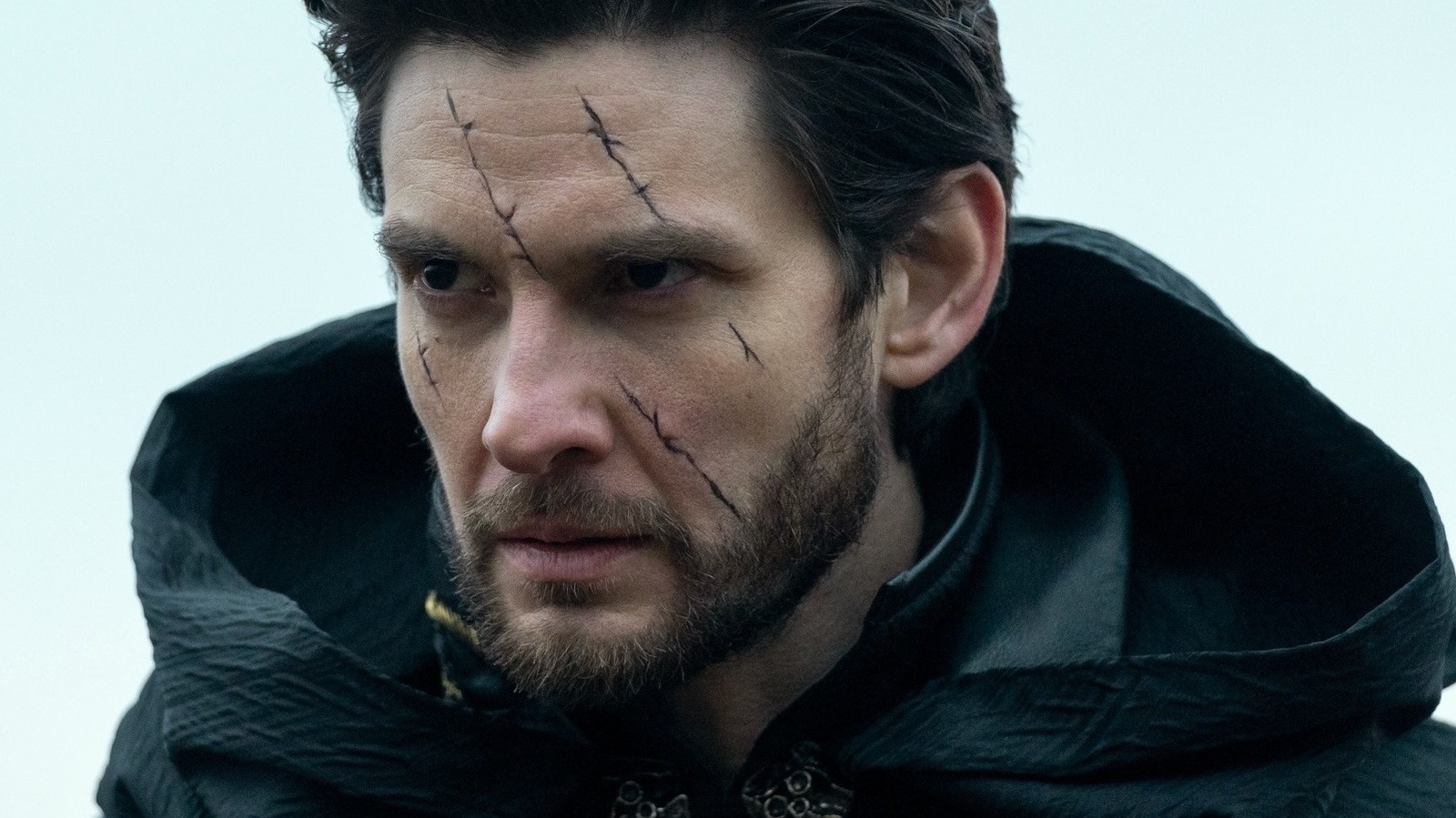
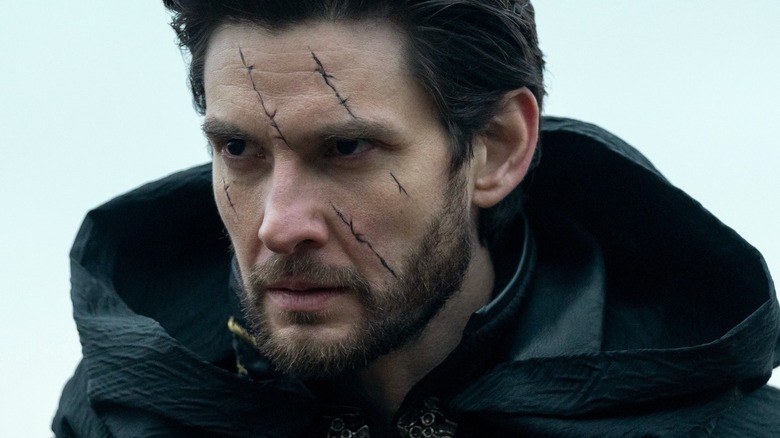
5. Shadow and Bone: Revitalizing the Tropes
Based on Leigh Bardugo’s "Grishaverse" novels, Shadow and Bone arrived with the weight of expectation. It possessed the dense lore of a classic YA franchise but managed to elevate itself through meticulous world-building and a sophisticated balance of romance and political intrigue.
The "Grishaverse" Complexity
Set in a war-torn world divided by a massive, shadowy chasm known as the Fold, the series follows Alina Starkov, a cartographer who discovers a power that could unify her nation. Unlike many fantasy series that get lost in their own rules, Shadow and Bone uses its mythology to inform its character conflicts. The interplay between the magical Grisha and the ordinary citizens creates a gritty, lived-in atmosphere that feels distinct from the polished sheen of many high-fantasy peers.
The Romantic Element
The show’s handling of its central romance—specifically between the heroine and the enigmatic General Kirigan—is a standout. It avoids the tired tropes of the genre by framing the relationship through the lens of power dynamics and moral ambiguity, keeping the audience constantly guessing about the characters’ true allegiances. With its lavish costume design and ambitious set pieces, it is a production that truly looks the part of a blockbuster, even if it has slipped from the cultural conversation.
Implications: The Cost of the "Golden Age"
The rapid disappearance of these shows from the public consciousness raises significant questions about the current streaming model. When platforms prioritize "newness" and churn over the long-term cultivation of a library, masterpieces are effectively buried under the weight of lower-quality, high-volume content.
These five series represent a period where Netflix was willing to bet on creators, practical effects, and unconventional animation styles. While the business decision to move away from such niche, high-cost fantasy is understandable from a fiscal perspective, the loss to the viewer is undeniable. These stories, which demanded time and investment from their creators, deserve to be rediscovered. As the industry continues to evolve, perhaps the most important role for the viewer is to act as a curator, digging through the "forgotten" tabs to ensure that these imaginative worlds do not vanish into the ether forever.
