
The Golden Frontier: A Definitive Ranking of the 10 Best Westerns of the 1950s
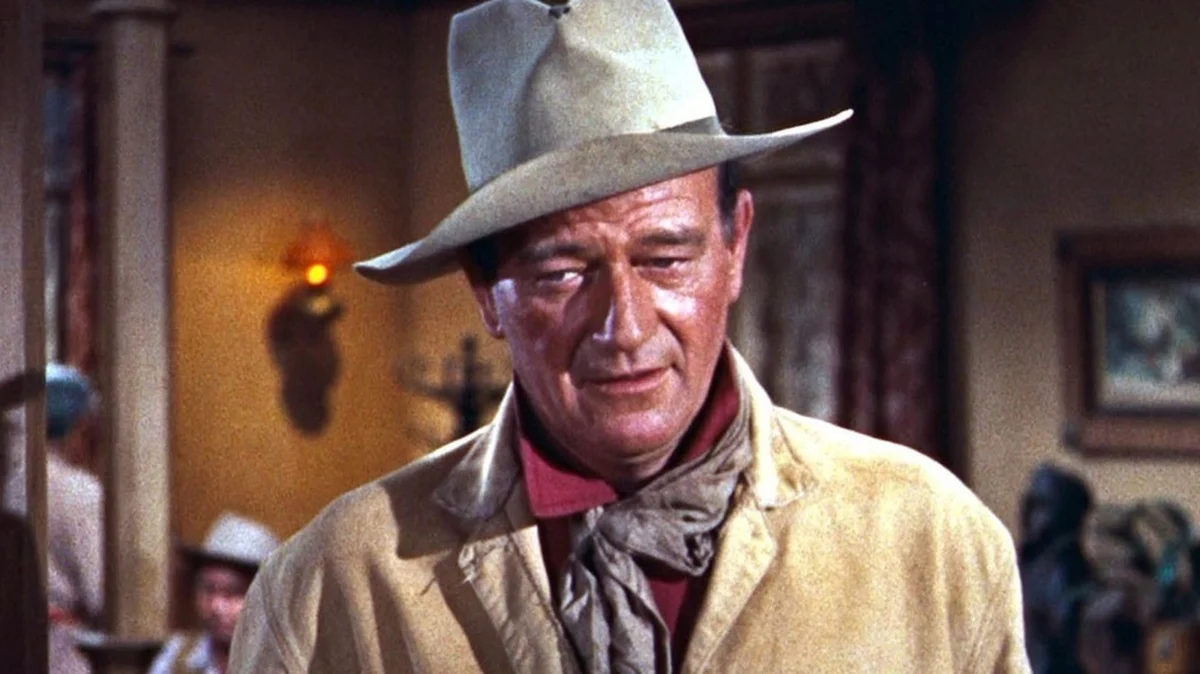
The 1950s represent the zenith of the American Western. It was a decade where the genre transitioned from simple tales of black-and-white morality into a complex, self-reflective medium capable of exploring deep-seated psychological trauma, systemic racism, and the shifting social fabric of post-war America. During this era, the Western was not merely entertainment; it was a cultural mirror. Icons like John Wayne, Gary Cooper, and James Stewart moved beyond the archetype of the "straight-shooting hero" to portray men haunted by their pasts, defined by their flaws, and occasionally ostracized by the very communities they sought to protect.
The Evolution of the Frontier Mythos
In the early 1950s, the Western found itself at a crossroads. As television began to capture the attention of families at home, theatrical releases needed to offer something more visceral, grand, and sophisticated. The decade saw a surge in high-budget, Technicolor productions that utilized the vast American landscape as a character in its own right.
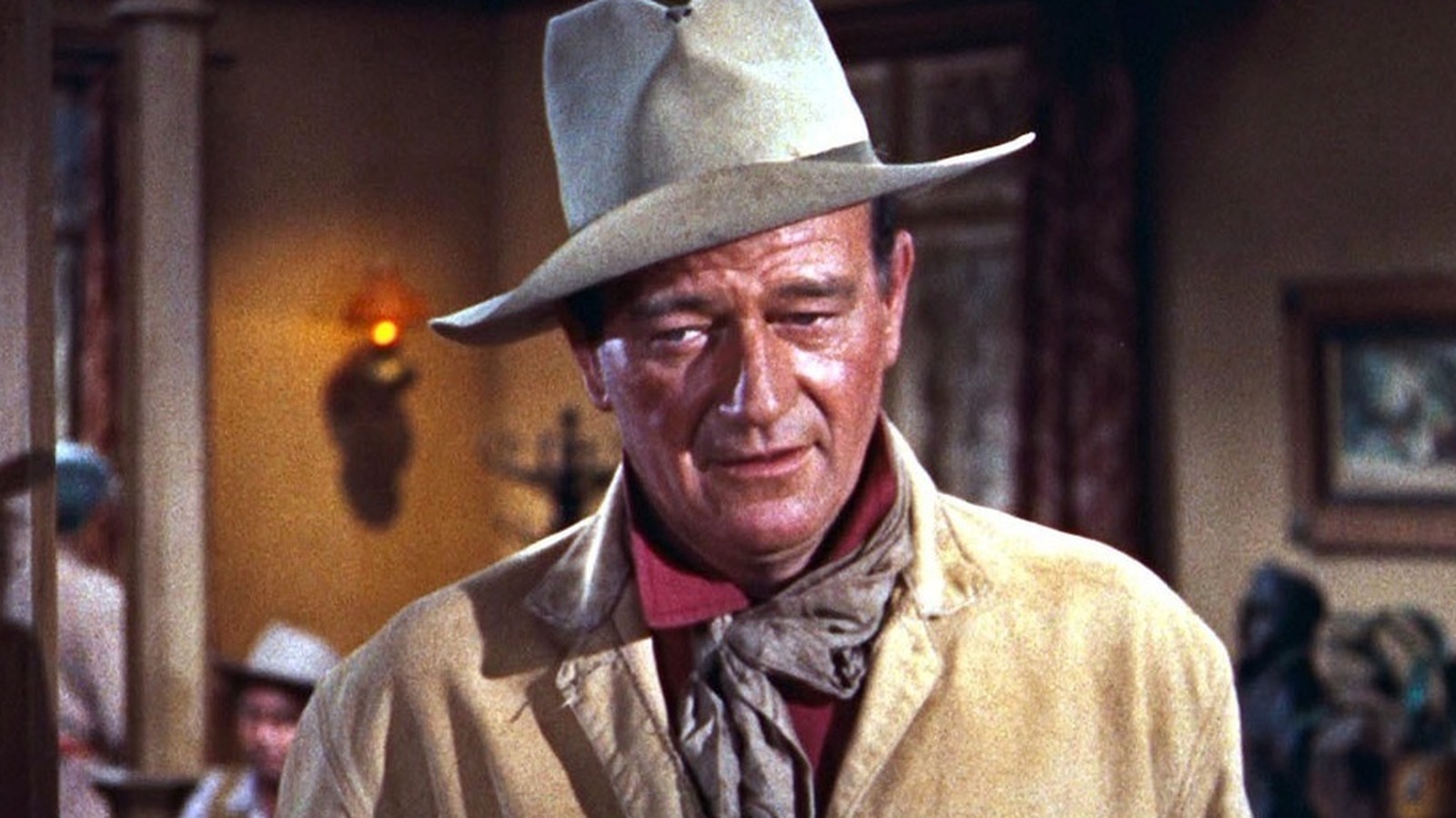
Simultaneously, a wave of "revisionist" storytelling began to take root. Directors like John Ford, Howard Hawks, and William Wyler pushed the boundaries of the genre, questioning the nobility of the frontier spirit and the cost of the violence required to "tame" the West. This was no longer just about the white hat versus the black hat; it was about the moral cost of survival.
A Chronological Journey Through the 1950s Western
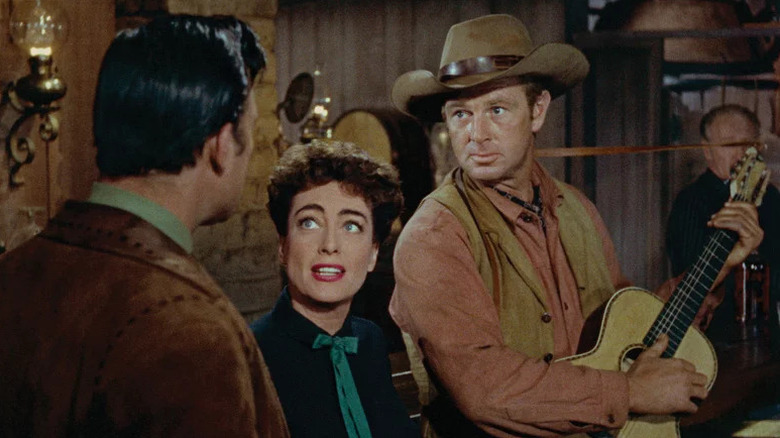
10. Johnny Guitar (1954)
Nicholas Ray’s Johnny Guitar remains one of the most singular entries in the genre. By centering the narrative on Joan Crawford’s powerful, nuanced portrayal of Vienna—a saloon owner caught in a web of jealousy and small-town prejudice—the film dismantled the male-dominated hierarchy of the typical Western. With its vibrant color palette and stylized, almost operatic choreography, Johnny Guitar was a progressive masterpiece that offered a searing critique of McCarthy-era paranoia and gender dynamics.
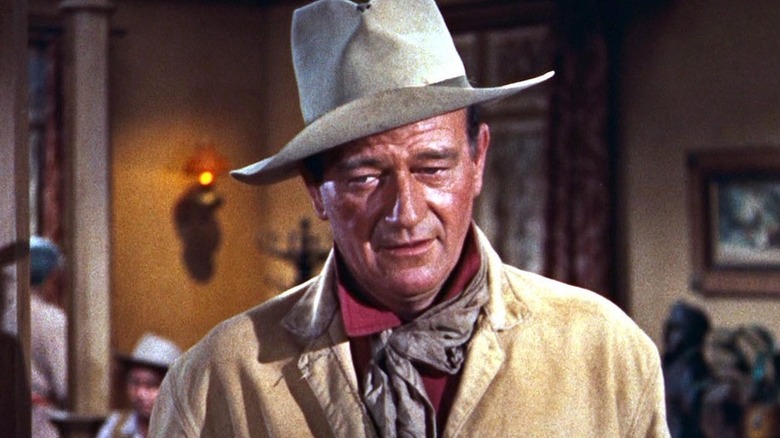
9. The Big Country (1958)
William Wyler, cinema’s most-nominated director, brought a level of grand, sweeping maturity to The Big Country. Starring Gregory Peck as a sea captain who finds himself thrust into a violent, petty range war, the film eschews the frantic pace of B-movie Westerns for a deliberate, character-driven narrative. Its cinematography captures the brutal beauty of Texas, framing a story about the clash between traditional "might makes right" mentalities and the emerging need for diplomacy.
8. The Gunfighter (1950)
At the dawn of the decade, Henry King’s The Gunfighter provided an early blueprint for the psychological Western. Gregory Peck’s turn as Jimmy Ringo is a masterclass in exhaustion. Rather than glorying in the life of a legendary gunslinger, the film paints it as a tragic, unending cycle of violence. Ringo is a man trapped by his own reputation, unable to outrun his past, setting a somber tone that would influence countless neo-Westerns in the decades to follow.
7. Bad Day at Black Rock (1955)
John Sturges’ Bad Day at Black Rock is a pivotal bridge between the classic Western and the modern thriller. Set in the immediate aftermath of World War II, the film features Spencer Tracy as a one-armed veteran who exposes a town’s collective guilt regarding a horrific hate crime. It was a bold, anti-racist statement that proved the Western could effectively address contemporary social issues, effectively inventing the template for the "lone stranger" who arrives to dismantle a corrupt status quo.
6. Winchester ’73 (1950)
Winchester ’73 is often cited as the definitive James Stewart Western. The film uses a single rifle as a narrative thread, passing it from hand to hand and observing the carnage it leaves in its wake. This structural choice allowed the film to explore the inextricable link between the West and its weaponry. Stewart’s performance as the relentless Lin McAdam is sharper and meaner than his typical "everyman" roles, showcasing the actor’s impressive range in a brutal, uncompromising environment.
5. 3:10 to Yuma (1957)
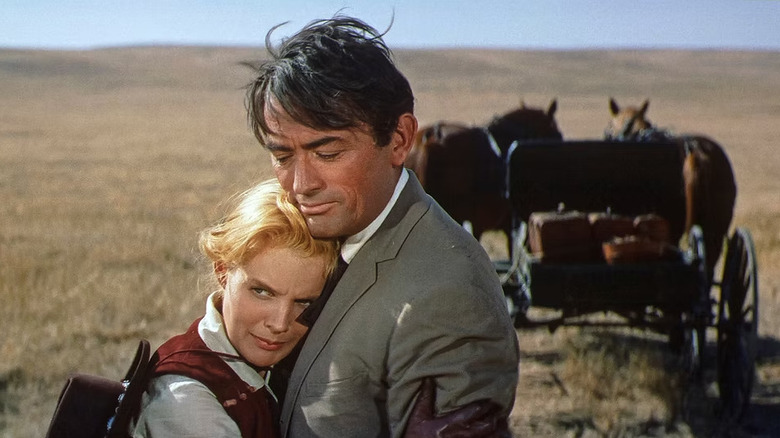
Delmer Daves’ original 3:10 to Yuma remains a masterclass in tension. The claustrophobic cat-and-mouse game between Van Heflin’s desperate rancher and Glenn Ford’s charismatic outlaw provides a study in morality. Unlike the 2007 remake, the original maintains a stark, lean focus on the psychology of duty. The rapport that develops between the captor and the prisoner is haunting, turning a simple logistical task into an existential confrontation.
4. Shane (1956)
Perhaps the most iconic representation of the "drifter" archetype, Shane is the definitive story of a man attempting to escape a violent past only to be pulled back into it by the needs of a vulnerable family. Alan Ladd’s performance, characterized by his laconic delivery and lethal precision, set the standard for the stoic Western hero. The film’s climax, featuring a face-off with the menacing Jack Palance, is a foundational moment in American cinema.
3. High Noon (1952)
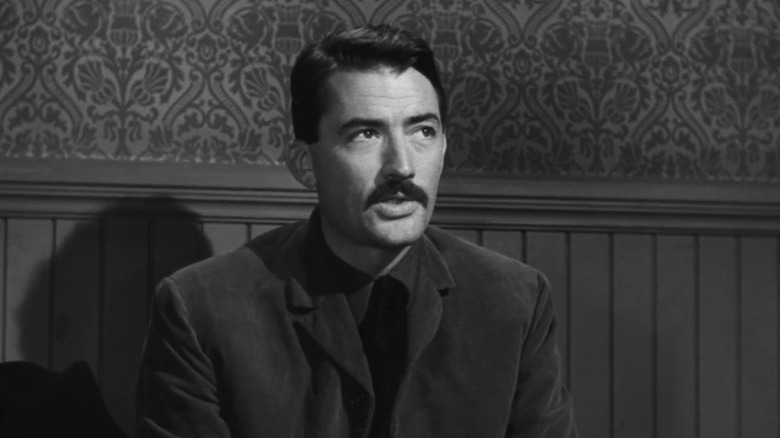
High Noon is the Western as a political allegory. Gary Cooper’s Marshal Will Kane is a man abandoned by the very people he swore to protect. By timing the film’s duration to match the narrative’s real-time clock, director Fred Zinnemann ratcheted up the anxiety, turning a standoff into a meditation on civic duty and the loneliness of standing up for one’s principles when the rest of the world chooses cowardice.
2. Rio Bravo (1959)
As a direct rebuttal to the cynical tone of High Noon, Howard Hawks’ Rio Bravo is a masterwork of camaraderie. John Wayne’s Sheriff John T. Chance does not ask for help; he gathers his team—a recovering alcoholic, a young gunslinger, and a physically disabled deputy—to hold the line. It is a film that values professional pride, loyalty, and the slow, rhythmic comfort of a shared purpose. It remains one of the most watchable and beloved Westerns ever produced.
1. The Searchers (1956)
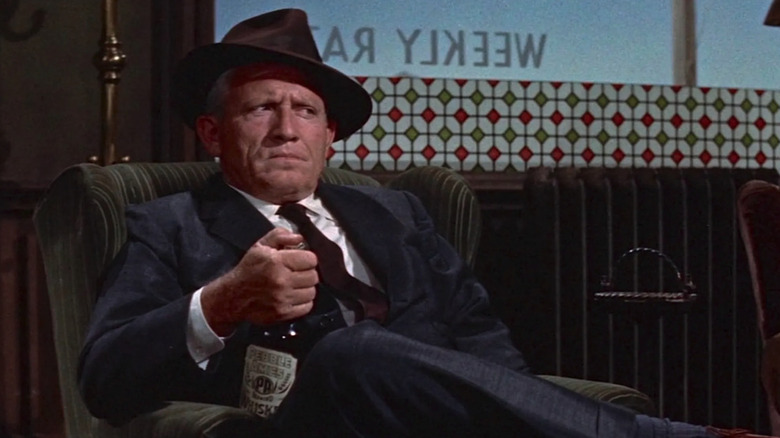
Widely considered the greatest Western ever made, The Searchers is John Ford and John Wayne’s crowning achievement. Wayne plays Ethan Edwards, a man so consumed by hate that his journey becomes a harrowing odyssey into the darkest parts of the human soul. The film’s visual grandeur—shot in the majestic Monument Valley—contrasts sharply with the moral ambiguity of its protagonist. It is not a film that invites easy comfort; it challenges the viewer to look at the foundations of the American frontier through a lens of profound complexity and regret.
Implications for Modern Cinema
The legacy of the 1950s Western extends far beyond its own decade. The "revisionist" shift initiated by these films paved the way for the gritty, hyper-violent masterpieces of the 1970s and the sophisticated character studies of the modern era. Directors like Steven Spielberg, Clint Eastwood, and Quentin Tarantino have all cited these films as the bedrock of their own visual languages.
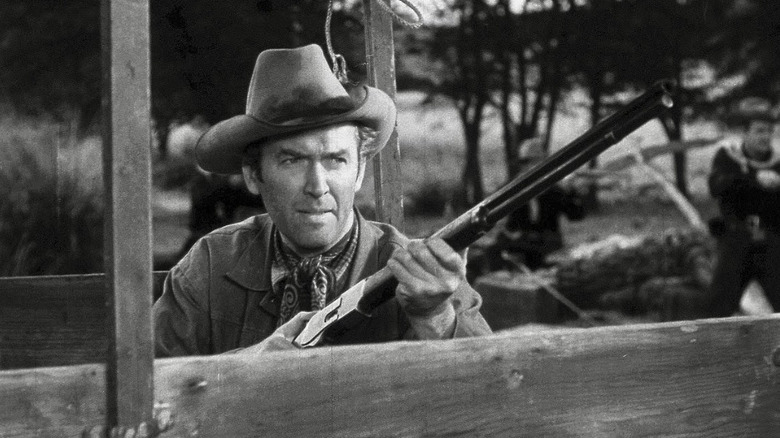
The 1950s proved that the Western was not a static genre defined by simple heroics. It was a dynamic, evolving form of storytelling that could encompass everything from political protest to psychological deep-dives. By grounding these stories in the harsh realities of the frontier while elevating them through exceptional direction and performance, the filmmakers of this era ensured that the Western would remain the primary vessel for the American myth-making process.
Whether through the cynical lens of High Noon or the heroic camaraderie of Rio Bravo, the best Westerns of the 1950s continue to command attention. They remind us that while the frontier may have been closed, the stories born from it remain as vast and unforgiving as the landscapes they inhabit. For students of film and fans of the genre alike, these ten movies serve as an essential curriculum, representing a moment in time when the Western was the most important story being told in America.
