
Beyond the Doorstops: A Literary Journey Through Stephen King’s Most Compelling Shorter Works

For more than half a century, the name Stephen King has been universally synonymous with immersive, sprawling storytelling. To the casual reader, the legendary author’s bibliography often conjures images of gargantuan paperbacks—tomes massive enough to double as doorstops or dumbbells, capable of devouring weeks of reading time. Epics like The Stand and It have rightfully earned their place in the literary pantheon, offering richly detailed worlds that have plagued readers’ nightmares for generations.
However, prospective readers who find themselves pressed for time should not be intimidated by King’s reputation for verbose epics. Beneath his towering bibliography lies a masterclass in economy: a robust catalog of shorter, restrained novels that pack just as much figurative and emotional punch as his grandest multi-volume sagas. Whether acting as quintessential starting points for beginners or functioning as hidden gems lost in the shuffle of a legendary career, these concise masterpieces prove that King’s narrative power requires no padding.
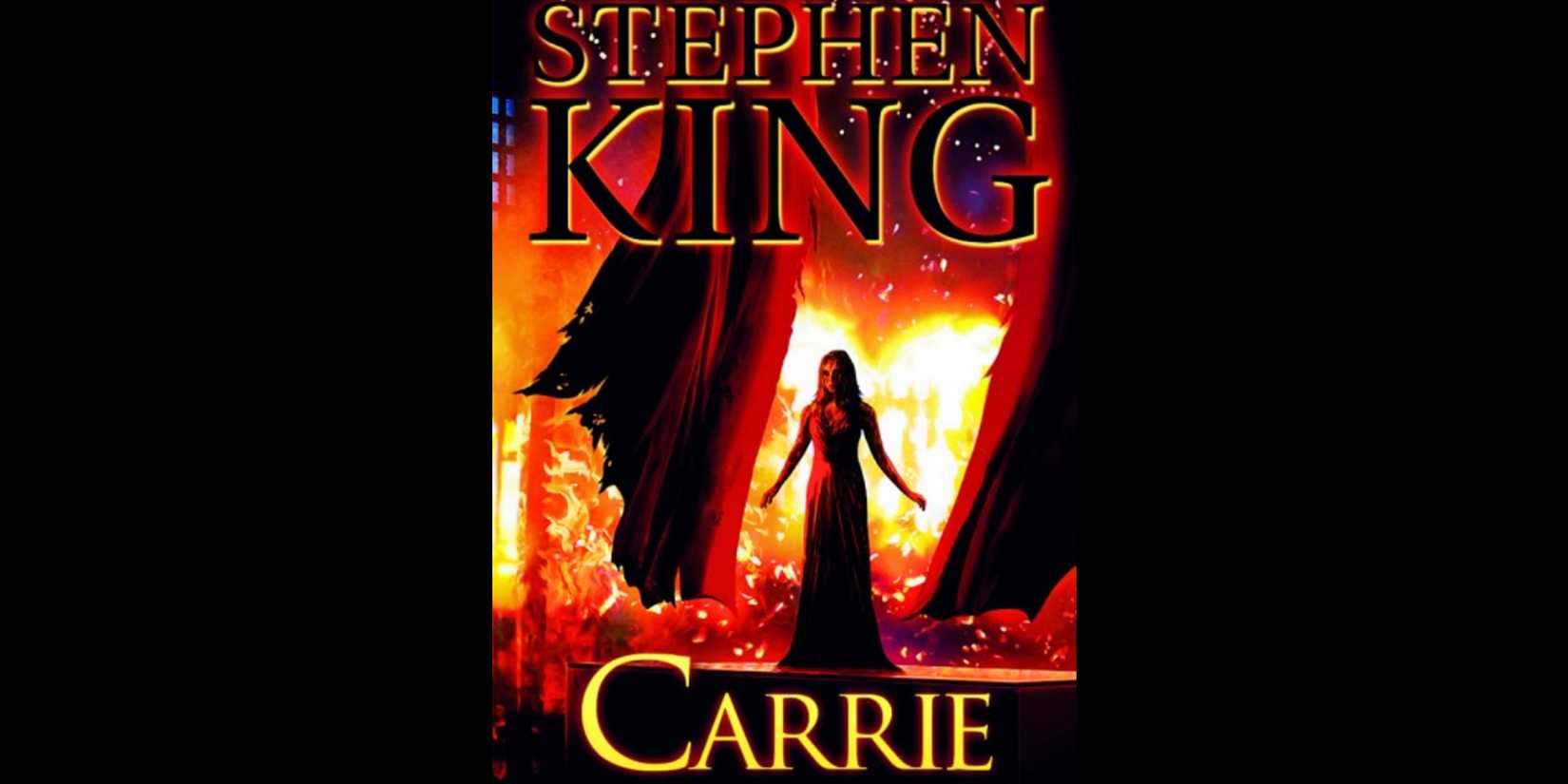
1. Carrie (1974)
The Spark That Ignited a Horror Legacy
The lasting cultural footprint left by Stephen King’s 1974 debut novel, Carrie, is so immense that it practically defies quantification. Decades after its publication, the archetype of the telekinetic prom queen soaked in pig’s blood remains etched into the global consciousness. Modern audiences are currently revisiting the property via Prime Video’s television adaptation, helmed by King devotee Mike Flanagan and a collaborative team of women creators eager to inject fresh contemporary relevancy into the classic text.

Yet, beyond the sensational imagery of telekinetic revenge, Carrie has never lost its haunting pertinence to the cyclical nature of human cruelty. The novel dissects high school bullying, parental abuse, religious fundamentalism, and negligent institutional authority with surgical precision.
While reading a "good for her" empowerment narrative into Carietta White’s tragic rampage is a common modern interpretation, King’s core narrative remains a deeply communal and self-destructive tragedy. Lonely, shy, and desperately sheltered, Carrie simply wants what every adolescent craves: acceptance. Surrounded by wolves and battered by endless trauma, she never stood a chance. At roughly 200 pages, this early work remains remarkably polished, brilliantly illustrating King’s innate skill for cultivating somber moods, empathetic characters, and unforgettable imagery right out of the gate.
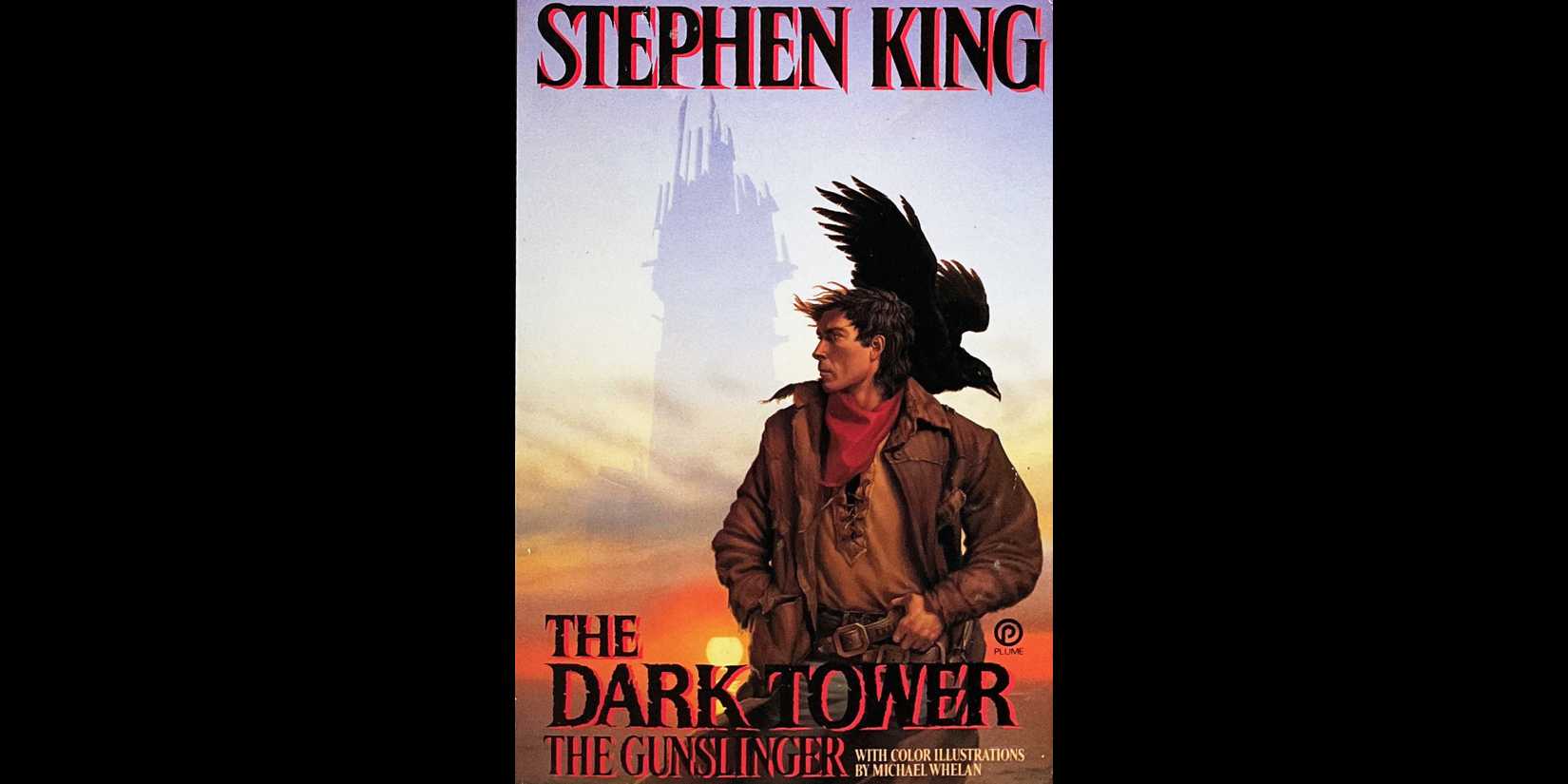
2. The Dark Tower: The Gunslinger (1982)
The Genesis of a Magnum Opus
With an opening line that stands as a definitive contender for the greatest hook in fiction— "The man in black fled across the desert, and the gunslinger followed"—King reels his audience into his magnum opus like a fish on a line. Originally published in 1982 as a collection of interconnected short stories before being revised in 2003, The Gunslinger introduces readers to Roland Deschain, the last living gunslinger.

Roland’s at-any-cost quest to reach the fabled Dark Tower sets him on a collision course with his eternal nemesis, the Man in Black, leaving collateral damage and strange, displaced lives in their wake.
Blending Western iconography, high fantasy, Arthurian mythology, post-apocalyptic sci-fi, and horror, The Gunslinger serves as the lynchpin connecting nearly every corner of King’s literary universe. Despite its monumental importance to his overarching mythology, the book’s tone is notably stark and uncompromising. Yet, this semi-abrasive canvas entices readers with idiosyncratic worldbuilding, proving that these initial sketches are powerful enough to stand entirely on their own.
3. The Girl Who Loved Tom Gordon (1999)
A Taut Masterclass in Psychological Survival
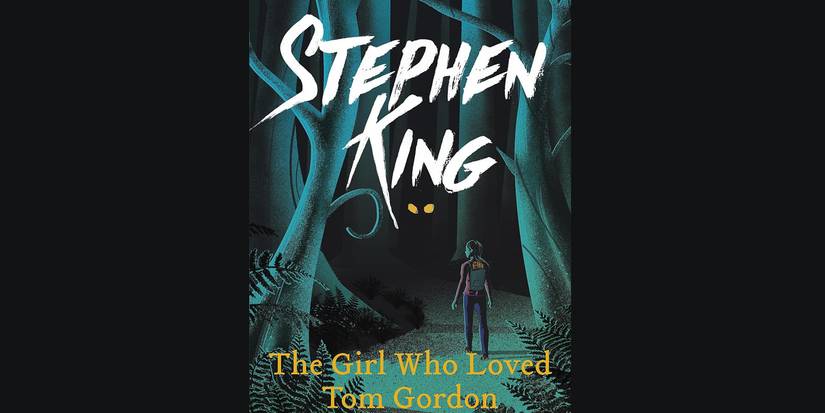
Clocking in as a remarkably lean and mean survival thriller, The Girl Who Loved Tom Gordon is a poignant coming-of-age story that pairs its intense dread with profound emotional resonance. Nine-year-old Trisha McFarland accidentally loses track of her family during a routine hiking trip in the New England wilderness, leaving her to spend days navigating the treacherous woods completely unequipped.
As her sparse food and water supplies dwindle, Trisha finds solace in her portable Walkman radio and the comforting mental presence of her personal hero, Boston Red Sox pitcher Tom Gordon. The radio broadcasts act as a psychological anchor against the forest’s darkest hours and the ambiguous, potentially malevolent entity that seems to be trailing her footsteps.
The book’s conciseness amplifies King’s talent for winding tension to stifling levels. By keeping the nature of Trisha’s pursuer entirely ambiguous—leaving it up to the reader whether the threat is real, imaginary, human, or supernatural—King taps into primal fears of starvation, exposure, and isolation. It is a nail-biting, deeply human ode to resilience and survival against impossible odds.
4. Joyland (2013)
Carnival Nostalgia Meets Cold-Case Mysteries
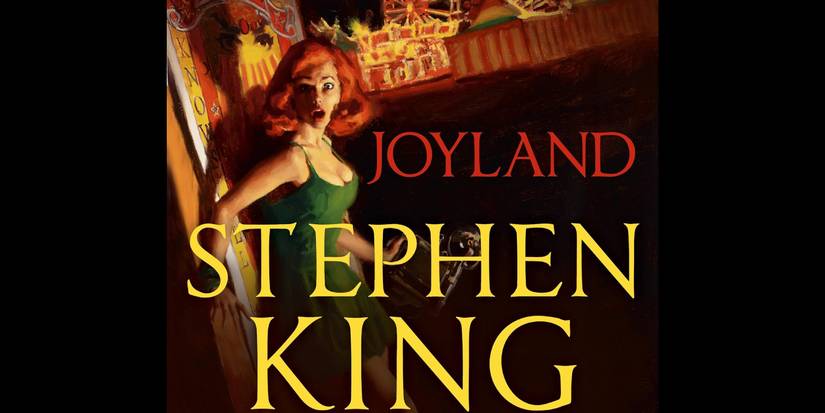
Slipping just slightly outside his traditional horror sandbox, 2013’s Joyland leans heavily into crime, mystery, and nostalgic melodrama. Set in 1973, the novel follows college student Devin Jones as he takes a summer job at a North Carolina amusement park to escape a devastating recent breakup. Kind-hearted and naturally gifted with children and crowds, Devin channels his heartbreak into spreading old-fashioned amusement park magic.
However, the idyllic atmosphere is complicated by a series of unsolved cold cases tied to the park’s infamous resident ghost.
Joyland thrives on the juxtaposition of contrasting elements: Devin straddling the line between youth and adulthood, and the park itself balancing bright, bustling carnival appeal with eerie, melancholic undertones. King’s deft simplicity allows his empathy for 1970s Americana to shine, offering a bittersweet meditation on grief, fleeting youth, and the fragility of life.
5. Dolores Claiborne (1992)
A Working-Class Monologue of Survival
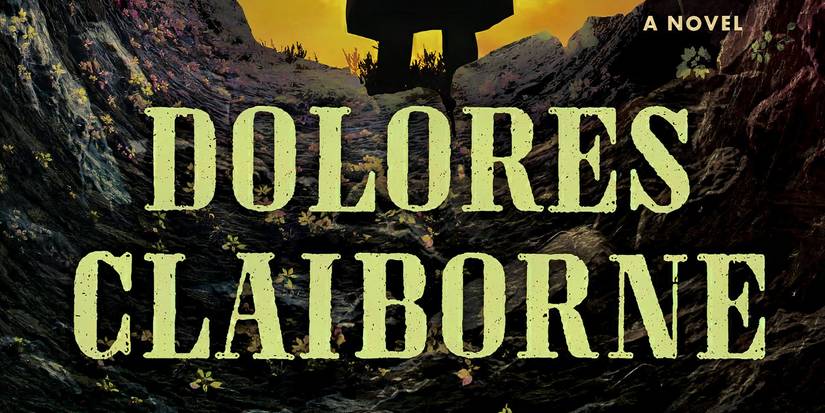
Serving as the unofficial sister novel to Gerald’s Game, Dolores Claiborne is a structural and narrative outlier in the King canon. Written entirely as a relentless, uninterrupted 300-page monologue, the novel unfolds as a police interrogation transcript delivered by Dolores Claiborne, a sharp-tongued, indomitable sexagenarian housekeeper suspected of murdering her wealthy, tyrannical employer.
While King’s historical track record with female protagonists has occasionally drawn criticism, Dolores stands tall as arguably his most fully realized and authentic creation. Steeped in a rich regional Maine dialect, her unfiltered honesty peels back layers of domestic abuse, sacrificial motherhood, and generational trauma. Dedicated to King’s own mother—a working-class single parent who served as his family’s bedrock—Dolores Claiborne functions as a fierce, profound love letter to society’s most frequently dismissed and underappreciated women.
6. Misery (1987)
Claustrophobia Incarnate
Hovering just past the 310-page mark, Misery is a masterclass in slow-burn claustrophobia and psychological warfare. Successful historical romance novelist Paul Sheldon finds his life upended after a brutal winter car crash. He is rescued by Annie Wilkes, a former nurse and his self-proclaimed "number one fan."
Elated to have her favorite author trapped under her care, Annie’s adoration turns terrifying when she discovers Paul’s manuscript for a gritty, non-romance crime novel. Infuriated by his attempt to kill off her favorite fictional character, Misery Chastain, Annie holds Paul captive in her isolated home, forcing him to write a resurrection novel under the threat of severe physical torture.
Driven by a brilliant premise born from King’s own struggles with substance addiction, exhaustion, and fan backlash, Misery relies entirely on two characters in a single location. The shifting power dynamics and visceral horror make it one of King’s most relentlessly gripping and tightest suspense novels.
7. Cujo (1981)
The Tragic Anatomy of an Accidental Monster
Often mischaracterized as a simple creature-feature about a rabid dog, Cujo is, at its core, a devastating exploration of innocence, human negligence, and avoidable tragedy. The Trenton family—Vic, Donna, and their four-year-old son Tad—relocate to Castle Rock, Maine, blissfully unaware of the compounding domestic and economic stressors threatening to tear their lives apart.
Meanwhile, their neighbors’ pet, Cujo—a remarkably gentle and loving St. Bernard—contracts rabies from a bat bite. As the disease ravages the animal’s brain, a murderous ferocity overtakes a dog whose heart was entirely pure.
What elevates Cujo above standard monster tropes is its unflinching realism. Demonic possession is not to blame for the carnage; rather, the catastrophe stems from human irresponsibility, specifically an absentee owner’s failure to vaccinate the family pet. The agonizing sequences in which Cujo traps Donna and Tad inside their baking automobile for days remain a masterclass in situational tension and raw, desperate survival.
