
Beyond the Screen: How ‘KPop Demon Hunters’ Redefined Animation and Global Stardom
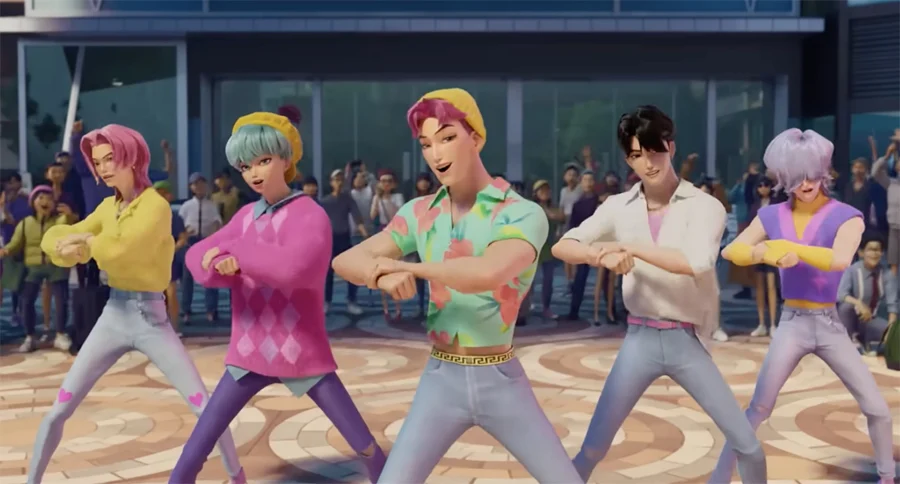
More than a year after its explosive debut in June 2025, Sony Pictures Animation and Netflix’s KPop Demon Hunters remains a cultural juggernaut. What began as a high-concept animated feature—blending the adrenaline-fueled world of monster-slaying with the polished, rhythmic precision of K-Pop—has evolved into a sustained global phenomenon. As the film’s legacy continues to dominate streaming charts and music playlists alike, the buzz at New York Comic Con (NYCC) 2026 proved that the "Demon Hunter" fever is far from breaking.
The Musical Engine of a Global Phenomenon
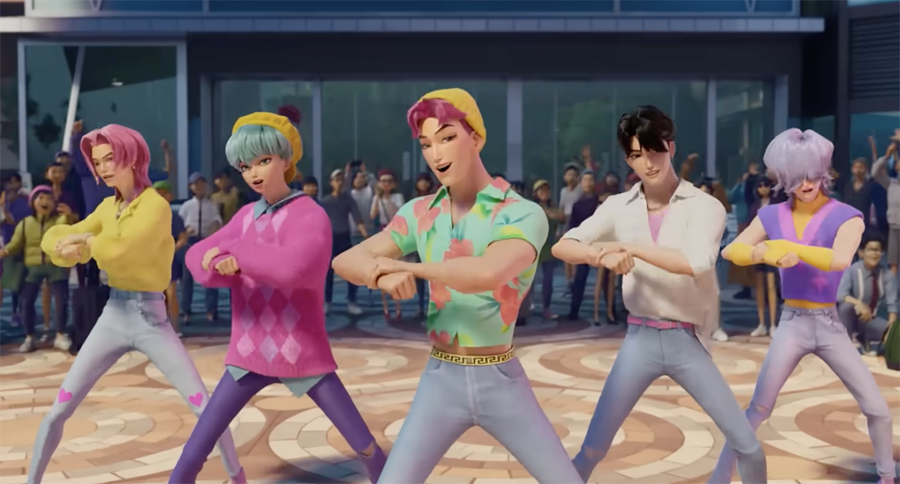
At the heart of the film’s enduring success is its soundtrack. The musical contributions of the fictional groups Huntrix and the Saja Boys have transcended the screen, becoming chart-topping anthems in their own right. The film’s ability to tap into the authentic K-Pop aesthetic, backed by high-production value vocal performances, allowed it to bridge the gap between animation fans and music enthusiasts.
Central to this sonic landscape is the artist Neckwav, who provided the singing voice for the character Abby Saja. His contributions on tracks like "Soda Pop" and "Your Idol" were pivotal in establishing the film’s distinct auditory identity. During a roundtable session at NYCC 2026, held alongside Emmy-nominated producer and actor Rich Ting (Tulsa King, Staycation), the gravity of the film’s reach was palpable. For Neckwav, the experience was more than just a recording gig—it was a life-altering collaboration that cemented his place in a new tier of global entertainment.
A Chronology of Discovery: From Midnight Sessions to Mainstream Success
The trajectory of KPop Demon Hunters is a fascinating study in the modern "sleeper" hit turned juggernaut. To understand the film’s impact, one must look at the unconventional path taken by its key contributors.
The Secret Beginnings
The recording process for the film’s soundtrack began long before the world knew the names of the characters. Neckwav recalled a transformative late-night session in Korea, approximately one year prior to the film’s June 2025 release.
"I was in the studio at 10:00 PM, just recording vocals," Neckwav explained. "At the time, I had no idea who the character was, or even what the plot of the movie would be. I was just focused on the music."
This clandestine approach, while common in high-security animated features, highlights the trust placed in the performers. Neckwav’s ability to deliver emotive, high-energy performances without the context of the film’s narrative is a testament to the direction provided by Academy Award-winning directors Maggie Kang and Chris Appelhans.
The Cultural Exchange
The collaboration was built on a foundation of mutual respect and cultural appreciation. Neckwav spoke candidly about his introduction to the directors, noting that he met Maggie Kang in Korea before meeting Chris Appelhans.
"They’re amazing people. I’m forever grateful for them literally changing my life," Neckwav said. "The fact that they were able to bring Korean culture to such a massive, global stage—it’s so cool that beyond Korea, everyone wants to know, everyone wants to get involved. It’s been an amazing experience."
The Expanding Universe: Sequels and Future Prospects
During the NYCC 2026 press event, confirmation regarding the future of the franchise was a primary point of interest. It is now widely understood that a KPop Demon Hunters sequel is currently in development. Industry whispers suggest a target window for a global, theatrical release in 2029.
While nothing is officially confirmed regarding casting, Neckwav expressed a keen interest in returning. "There’s nothing confirmed yet," he noted, "but for the sequel, maybe I might be back."
The anticipation for a theatrical release signifies a shift in strategy for Sony and Netflix. While the first film thrived as a streaming-led phenomenon, the appetite for a big-screen experience in 2029 speaks to the massive, dedicated fandom that has formed around the intellectual property.
Professional Perspectives: The Role of Representation
Rich Ting, the Emmy-nominated producer acting as a mentor and representative for the musical talent behind the film, provided a deeper look at the industry implications of the KPop Demon Hunters phenomenon. Ting’s production label represents both Neckwav and Andrew Choi, the voice behind the character Jinu.
Ting, who was instrumental in facilitating the NYCC panel, emphasized a crucial goal: shifting the public perception of these artists from "animated voices" to multifaceted individual performers.
"My goal is to show them and to promote them as individuals beyond their animated characters," Ting stated. "They’ve been in the game for years, and they deserve the recognition as solo artists. These aren’t just voices in a machine; these are seasoned professionals."
Ting’s perspective highlights the growing intersection between animation, music, and talent management. As animated films increasingly rely on authentic musical performances to sell their brand, the artists providing those voices are gaining unprecedented leverage.
The "Unreal" Reality of Fan Culture
For Neckwav, attending his first New York Comic Con was a surreal experience. Having lived through the film’s production and subsequent release in a somewhat vacuum-sealed creative environment, witnessing the scale of the fandom in person proved overwhelming.
"I’m still kind of amazed by the size of the convention, the people," Neckwav admitted during the roundtable. "The fandom is still very unbelievable. It still feels unreal at this point."
The fan reaction at NYCC—ranging from elaborate cosplays to in-depth questions about the film’s lore—demonstrates that KPop Demon Hunters has successfully transcended its medium. It is no longer just a movie; it is a community.
Implications for the Animation Industry
The success of KPop Demon Hunters holds significant weight for the future of animated filmmaking. Several key trends are emerging from its success:
- Authenticity as a Commodity: The industry is moving away from generic musical scores toward authentic, genre-specific compositions. By leveraging actual K-Pop talent, Sony and Netflix captured a level of musical fidelity that resonated with fans who might otherwise ignore animated musicals.
- The "Slow Burn" of Streaming: The film’s longevity proves that a strong, culturally resonant story can continue to build momentum long after its initial streaming window closes.
- The Multi-Platform Star: The path from voice actor to individual brand entity is becoming a blueprint for future projects. Producers are looking for "turnkey" artists—individuals who can act, sing, and promote their work across multiple digital channels.
As we look toward 2029, the KPop Demon Hunters franchise represents the new gold standard for intellectual property development. It is a masterclass in cross-cultural storytelling, strategic musical integration, and the cultivation of a dedicated, global fanbase.
Conclusion: A Legacy in Motion
As the buzz of NYCC 2026 subsides, the focus shifts to what comes next. Whether it is the upcoming sequel or the individual solo projects of artists like Neckwav and Andrew Choi, the impact of KPop Demon Hunters will be felt for years to come.
The film proved that if you provide a platform for genuine talent and respect the cultural nuances of the source material, the audience will follow. For the artists, the directors, and the production team, the journey is just beginning. They have managed to turn a fictional group of demon-slaying idols into a real-world force of nature, and in doing so, they have redefined what an animated film can achieve in the modern era.
Stay tuned to Animation Scoop for further updates as we continue to track the development of the ‘KPop Demon Hunters’ sequel and the evolving careers of its stars.
