
The Game Continues: Mike P. Nelson Tapped to Direct Next Installment of the Billion-Dollar ‘Saw’ Franchise
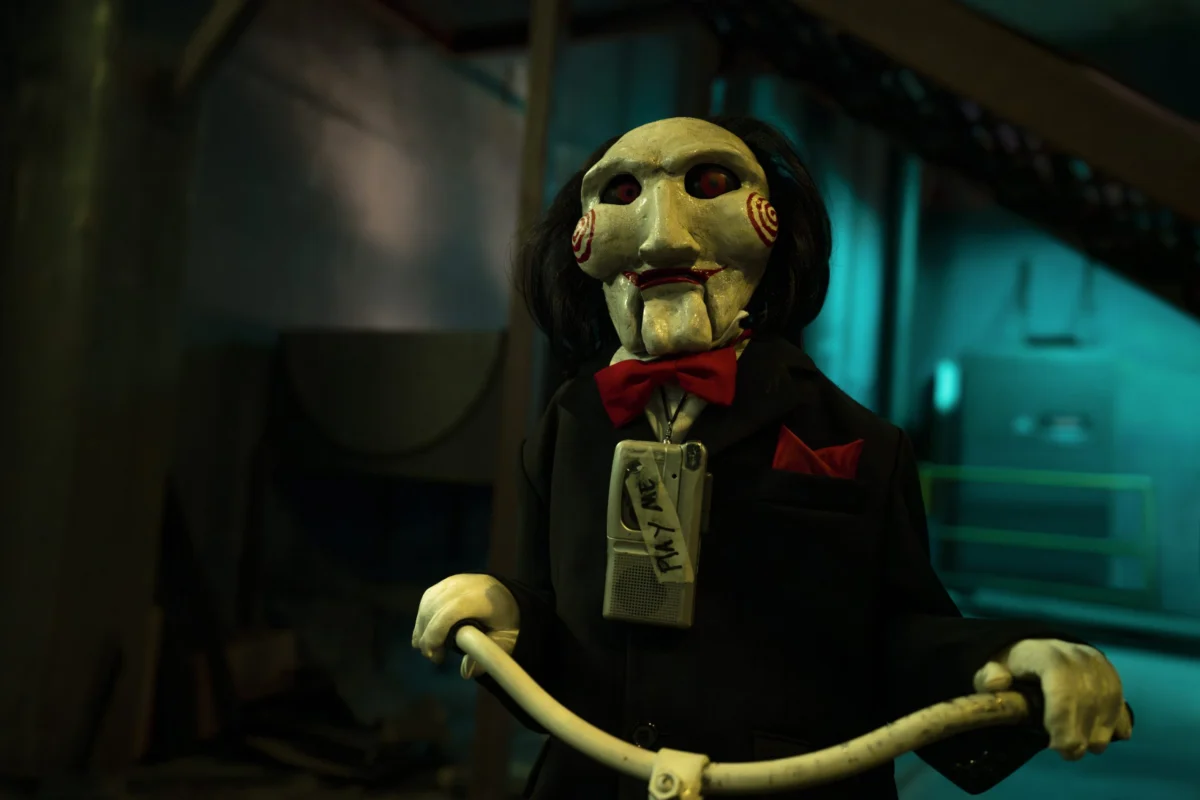
The Saw franchise, a cornerstone of 21st-century horror cinema, is officially preparing for its next evolution. In a significant development for the long-running series, director Mike P. Nelson has been tapped to helm the next installment of the gruesome, trap-filled saga. This announcement marks a pivotal moment for the franchise, as it represents the first major entry produced under the creative synergy of original architect James Wan and his newly merged Atomic Monster-Blumhouse banner.
For fans of the series—which has grossed over $1 billion worldwide since its inception—this transition signals both a return to the franchise’s roots and a bold step into a new, visceral chapter of the Jigsaw legacy.
The Architects of Terror: Main Facts of the Production
The upcoming film arrives following the critical and commercial success of 2023’s Saw X, which saw the return of Tobin Bell’s iconic John Kramer. While details regarding the plot remain under tight wraps, the creative team behind the camera is set.
The screenplay is being penned by Gregory Weidman and Geoff Tock, a writing duo who recently garnered industry acclaim for their work on the ambitious Dune: Prophecy. Their involvement suggests a narrative that will prioritize both atmospheric world-building and the complex, clockwork-like plotting that has defined the Saw universe since 2004.
Behind the scenes, the production represents a "dream team" of horror heavyweights. Original Saw creator and visionary James Wan will produce alongside his long-time collaborator and co-creator, Leigh Whannell. They will be joined by Jason Blum, whose Blumhouse Productions has become synonymous with the modern horror boom. This convergence of talent—the creators of the original phenomenon paired with the current juggernaut of the genre—underscores the studio’s commitment to restoring the prestige and intensity of the Saw brand.
A Legacy of Blood: The Chronology of ‘Saw’
To understand the significance of this new chapter, one must examine the trajectory of the franchise that redefined the horror genre in the early 2000s.
The Genesis (2004)
When Saw premiered at the Sundance Film Festival in 2004, it was an immediate sensation. Directed by James Wan and written by Leigh Whannell (who also starred in the film), the story of two men trapped in a derelict bathroom, forced to play a sadistic game for survival, was a masterclass in low-budget efficiency and high-stakes tension. It introduced audiences to John Kramer, aka Jigsaw, a serial killer who didn’t just murder his victims but forced them to "appreciate life" through elaborate, mechanical death traps.
The Peak and the Plateau (2005–2010)
Following the original’s success, Lionsgate turned Saw into an annual Halloween tradition. Between 2005 and 2010, the franchise released seven films, each expanding on the lore of Jigsaw’s apprentices and the complex moral philosophy underpinning his killings. While these sequels were commercially lucrative, critics often argued that the narrative became increasingly convoluted.
The Renaissance (2017–2023)
After a seven-year hiatus, the franchise attempted a soft reboot with 2017’s Jigsaw and the 2021 spin-off Spiral: From the Book of Saw. While these films introduced new elements, it was 2023’s Saw X that truly revitalized the series. By placing the narrative firmly between the first and second films, director Kevin Greutert allowed the audience to reconnect with the human—and chillingly empathetic—side of John Kramer, earning some of the best reviews in the franchise’s history.
Mike P. Nelson: The New Visionary
The selection of Mike P. Nelson as director is a calculated choice by the production team. Nelson has built a reputation in the indie horror circuit as a filmmaker with a distinct, uncompromising aesthetic.
His resume is particularly relevant to the demands of the Saw franchise. He directed the 2021 reboot of the cult classic Wrong Turn, which proved he could handle high-tension survival horror. Furthermore, his work on this year’s Fantastic Fest title Beware Boiúna and his upcoming remake of the legendary Silent Night, Deadly Night highlight a director who is comfortable operating within established horror frameworks while injecting them with a modern, "raw" sensibility.
Wan’s endorsement of Nelson provides a significant seal of approval. "Making the original Saw was a defining experience for me, so it was essential to find a director who would honor that world," Wan noted in an official statement. "Mike has a raw, distinctive filmmaking voice with an inventive approach to the genre, and I believe he’ll bring something truly unique and special to the franchise."
Official Responses and Creative Vision
The transition to a new director has been met with enthusiasm from the creative team, who believe the script by Weidman and Tock provides the perfect foundation for a new era.
Nelson, in his own statement, expressed his reverence for the franchise’s moral ambiguity. "Greg, Geoff, and James have crafted such a wild script that brings the mystery of the original while exploring new, insane, bloody ideas that meld so well with the brutal moral compass of the franchise," Nelson said. "Let the games begin!"
The sentiment is echoed by the producers, who view this film as an opportunity to bridge the gap between the franchise’s grimy, low-fi origins and the more sophisticated, character-driven storytelling of its later entries. By bringing in writers from the Dune universe, the producers are signaling an intent to elevate the franchise’s internal logic and narrative depth, ensuring that the traps are not just set-pieces, but tools for profound psychological exploration.
Implications for the Future of the Franchise
What does this mean for the future of Jigsaw? The appointment of Nelson, combined with the oversight of Wan, Whannell, and Blum, suggests several key trends for the upcoming film:
1. A Focus on Practical Effects
Historically, the Saw franchise has been praised for its commitment to practical, tactile traps. With Nelson’s background in visceral horror, audiences can expect a return to the messy, mechanical, and grounded physical horror that defined the original films, moving away from over-reliance on CGI.
2. Deepening the Lore
With the script focusing on "new, insane, bloody ideas" that still honor the "mystery of the original," there is a strong possibility that the upcoming film will lean into the investigative thriller roots of the series. Expect a narrative that challenges the audience to solve the mystery alongside the protagonists, a hallmark of the first three films.
3. Institutional Stability
By integrating the Saw property into the Atomic Monster-Blumhouse pipeline, the franchise is no longer a "standalone" annual project. It is now part of a larger horror ecosystem. This provides the franchise with greater resources, better marketing, and a more sustainable development cycle, potentially ensuring that the series can continue for another decade.
4. Reimagining the Moral Compass
The "brutal moral compass" mentioned by Nelson is the heart of the Saw franchise. The series has always been about more than just gore; it is about the philosophical examination of the human condition under extreme duress. Nelson’s task will be to maintain this weight while ensuring the film remains a "fun," high-octane horror experience for the multiplex audience.
Conclusion: The Game is Afoot
The announcement of Mike P. Nelson as the director of the next Saw installment is a clear signal that the franchise is entering a period of deliberate, high-quality production. With the original creators back in the driver’s seat and a fresh, hungry directorial talent at the helm, the series appears poised to reclaim its throne as the king of the Halloween horror season.
As production gears up, the industry will be watching closely. Will this new chapter successfully balance the nostalgia of the 2004 original with the demands of the modern horror audience? If the statements from the production team are any indication, the answer is a resounding "yes." For now, the traps are being set, the scripts are being polished, and audiences worldwide are waiting for the next move in a game that, twenty years later, remains as compelling as ever.
As Nelson himself teased, "Let the games begin!" The stage is set for a return to the bathroom—metaphorically speaking—to witness how far a human being will go to survive.
