
Behind the Lens and Beyond the Script: The Casting Alchemy of Sean Wang’s Award-Winning DÍDI (弟弟)
By Film & Culture Journal
Published in conjunction with the Film Independent Forum
Introduction: The Magic of DÍDI (弟弟)
Winning both Best First Feature and Best First Screenplay at the Independent Spirit Awards, writer/director Sean Wang’s critically acclaimed feature film DÍDI (弟弟) has firmly cemented itself as a modern cinematic milestone. As the film takes center stage in the upcoming “Made in California: Lurker and DÍDI Case Studies” panel at this year’s Film Independent Forum, industry professionals and cinephiles alike are taking a closer look at the intricate mechanics of its creation.
During the panel, Sean Wang and Lurker writer/director Alex Russell will pull back the curtain on their respective journeys from the blank page to the silver screen. They will discuss the sweat, strategy, and sheer perseverance required to develop, produce, release, and ultimately find a passionate audience for a debut feature.
To celebrate this profound cinematic achievement, we are revisiting a comprehensive look at how DÍDI found its voice through its remarkable ensemble. At its core, DÍDI is the rare cinematic experience that audiences universally crave yet rarely receive: an authentic, deeply resonant coming-of-age story anchored by a phenomenal, lived-in cast.
Set against the sun-bleached suburban backdrop of the San Francisco Bay Area in 2008, the film follows Chris, a 13-year-old Taiwanese American boy navigating the perilous social and domestic waters of adolescence. As Chris grapples with complex family dynamics, cultural identity, and his own evolving understanding of self, audiences in theaters across the country find themselves audibly reacting—laughing at the awkwardness, groaning at the cringeworthy social missteps, and weeping at the raw vulnerability on display.
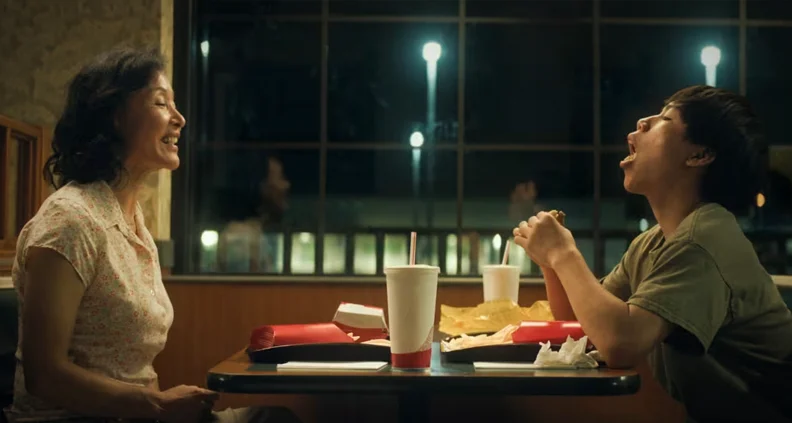
The film’s uncanny ability to feel simultaneously hyper-personal and universally relatable is largely due to its uncompromising cast. While the ensemble features a crop of fresh faces and first-time actors, it is anchored by veteran actress Joan Chen. Chen’s poignant, devastating portrayal of Chungsing, Chris’s overworked and under-appreciated mother, serves as the emotional beating heart of the narrative. In one particularly poignant sequence where her character receives soul-crushing news, theater audiences routinely let out a collective, audible gasp of heartbreak.
Drawing heavily from his own teenage years growing up in Fremont, California, Wang infuses every frame with autobiographical truth. A touching post-film dedication to his own mother reinforces how deeply personal this project is, making the triumphs and tribulations of the characters resonate with astonishing authenticity.
Chronology of a Breakthrough: From Memory to Masterpiece
To understand how DÍDI achieved its staggering level of authenticity, one must examine the meticulous chronology of its casting and development process.
Phase One: Conceptualization and Personal Excavation
Long before cameras rolled in the Bay Area, Sean Wang possessed a crystal-clear vision of the world he wanted to recreate. Armed with personal photographs, home videos, and memories of the late 2000s, Wang collaborated closely with producers to map out the physical and emotional landscape of his youth. Rather than relying on standard Hollywood archetypes, Wang sought out casting directors who possessed a distinct, cultural, and geographic fluency with the material. Enter Nafisa Kaptownwala and Natalie Lin of the independent casting agency In Search Of.
Phase Two: Street Scouting and Digital Sourcing
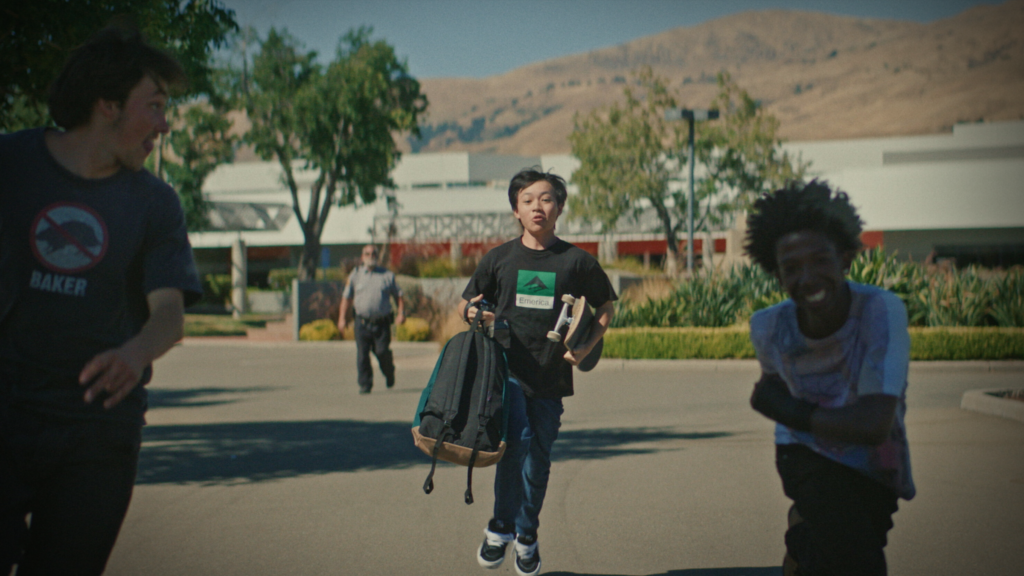
Tasked with populating a world filled with 13-year-old boys and a multi-generational immigrant family, Kaptownwala and Lin bypassed traditional agency pipelines. Utilizing a hybrid approach of localized street casting, community outreach, and digital scouting, the duo scoured social media platforms like TikTok and Instagram. They partnered with local film organizations and leveraged personal networks across the Bay Area. When a casting call posted on TikTok went viral, it opened the floodgates for thousands of submissions from everyday teenagers who naturally embodied the raw, unpolished energy of 2008 youth culture.
Phase Three: Chemistry and Collaborative Rehearsals
Once the primary ensemble—led by young Izaac Wang as Chris and Joan Chen as his mother—was assembled, the production focused on building believable familial friction. Through intensive workshops, improvisational exercises, and period-specific training (such as mastering the nuances of a MySpace selfie and early digital camera aesthetics), the cast transformed from a collection of strangers into a fractured, loving, and entirely believable household.
Supporting Data: The Anatomy of an Indie Casting Triumph
The success of DÍDI is quantifiable not only through its accolades and box-office endurance, but through the deliberate, non-traditional methodologies employed by its casting team.
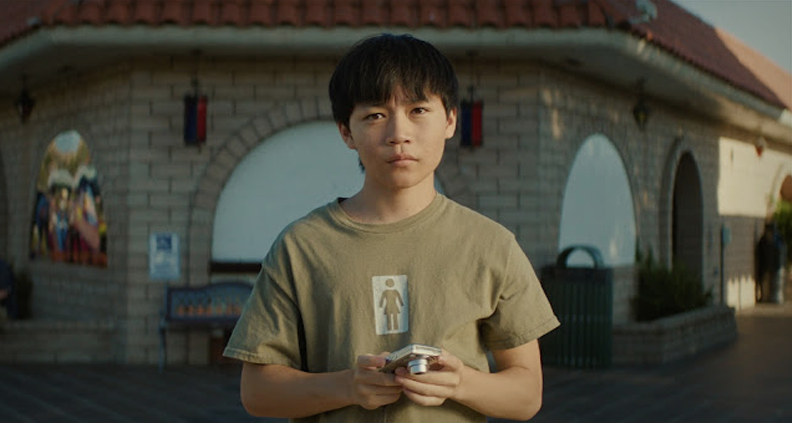
- The Lead Performance: Izaac Wang carries the film as Chris, balancing youthful bravado with profound vulnerability—a monumental task for any young actor, let alone one steering a feature-length narrative.
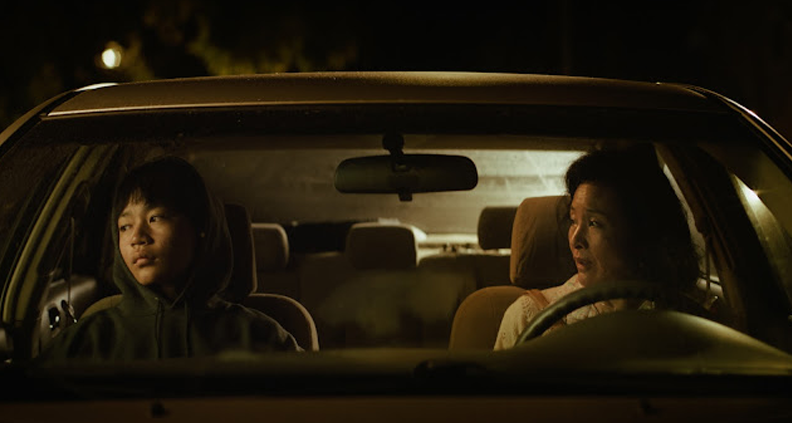
- The Veteran Anchor: Joan Chen’s involvement brought decades of cinematic weight to the production, elevating the scenes between mother and son into masterclasses of generational tension.
- Geographic Synergy: Casting director Natalie Lin grew up an hour away from Fremont, providing an innate, localized understanding of the specific cultural microclimate Wang sought to capture.
- The Digital Footprint: The production’s reliance on organic social media outreach proved that contemporary casting can democratize the pipeline for first-time actors, allowing authentic, underrepresented voices to break into the industry.
Official Responses: Insights from the Casting Directors
In an in-depth interview, casting directors Nafisa Kaptownwala and Natalie Lin discussed the unique challenges, methodologies, and philosophies that brought DÍDI to life.
Q: This film focuses on specific, challenging dynamics—a group of young teens and a multigenerational family. How did you approach these hurdles to achieve such raw authenticity?
Nafisa Kaptownwala (NK): This is a tricky question! I think because I don’t look at certain roles as more challenging than others. Every role has its challenges, and ultimately, I approach it by understanding the story and what the narrative is illustrating, and visualizing who are the best people to bring that to life. I start there and take each challenge as it comes.
Q: DÍDI features a very talented young lead in Izaac Wang, alongside many other inexperienced actors. How do you cast first-time actors who have to carry an entire feature film?
Natalie Lin (NL): Our approach with street casting is much different than our approach with trained actors. When we’re out street scouting looking for people to audition for film roles, really what we’re after is someone whose essence naturally embodies the role already without having to try much.
NK: I think the hesitation with casting first-time actors is performance, but in the case of DÍDI, it is a universal story in so many ways, and many of the actors were able to connect with the story and put themselves in it. Because it is such a relatable story, it actually felt like the only approach that made sense: to find people that relate to the story to basically play themselves.
Q: At what point did Joan Chen become involved? Given her status as a veteran actress and director, what was it like finding that vital mother-son dynamic with her?
NL: Sean had her in mind for Chungsing from day one. We were all thrilled to have her join our cast, and it really feels like the role was meant for her.
Q: Since this is an intensely personal film for Sean Wang, how did you honor that vision when casting characters inspired by real people?
NL: I grew up in the Bay Area about an hour away from Fremont, and I think that because of this, I had a natural understanding of Sean’s instincts when it came to what kind of kids we were drawn to. Sean did a thorough job of painting a vivid picture of each character for Nafisa and me. He gave us all his trust in finding these kids, and the entire casting process felt very collaborative. Truly could not have asked for a sweeter introduction into the feature world than with this team.
NK: Sean showed us a lot of photos from the past and inspiration images of people he knew. It felt very close to home! I didn’t grow up in the Bay, but I did grow up in a very similar community of mostly first- and second-generation immigrants around the same time as Sean. It didn’t take much imagination to capture what Sean was expressing because I felt like I lived it.
Q: The aesthetics and technology of 2008 play a massive role in the film, yet the themes remain timeless. How did you balance the period piece elements with modern youth culture during casting?
NL: I think there are some universal truths to being thirteen years old that span beyond any time period. Teaching the kids how to take a MySpace selfie was a whole thing, down to the camera angles and the mirror flash!
NK: There were definitely a bunch of references that the kids would trip over in auditions. I remember young actors not knowing how to pronounce PETA. That really stuck with me, because you would assume that’s a universal thing, but some things just don’t translate generationally. But ultimately, what was happening in 2008 is not radically far off from what’s happening now, especially packaged in the overarching themes. The boys in the film were making silly YouTube videos, and now kids are making TikToks. Not so different! And in many ways, the aesthetics of that era—digital cameras, low-fi digital images—are actually back in style.
Q: Your agency, In Search Of, also casts for fashion and advertising. How did that experience inform your film work?
NK: We treat all of our projects with the same attitude by asking ourselves: What is the story we’re trying to tell? What are all of the expansive ways to illustrate that story? Because advertising moves so quickly, we’ve learned to be experts at finding niche characters in a very short amount of time. There are a lot of skills we develop working on quick-turnover projects that we apply to our film work, and vice versa.
Q: You used open casting calls on Instagram and TikTok for DÍDI and your upcoming film Josephine. What role will social media play in the future of casting?
NL: Social media is a very helpful resource for us when sharing casting calls and looking for specific types of talent. The sprawling nature of Instagram and TikTok was extremely helpful while casting DÍDI. We were able to get in touch with many film orgs who shared our nationwide casting call posts, and someone on TikTok shared our call—it went kind of viral, and we had a flood of submissions after that.
NK: I think social media has already transformed casting enormously. What I’ve noticed is that it allows a space for first-time actors to be considered for roles because we’re exposed to so many interesting, dynamic people online. Now we’re in a world where movies are being made about people because of how they represent themselves on social media. I think that’s a really exciting space to play in, because it allows for more nuanced and diverse storytelling.
Implications: What DÍDI Means for the Future of Independent Cinema
The triumph of DÍDI (弟弟) extends far beyond its box-office receipts and award statuettes. It serves as a case study for the shifting paradigms of modern filmmaking and talent acquisition.
- The Democratization of Talent: By utilizing social media platforms like TikTok and Instagram, casting directors can bypass traditional, centralized talent pools in Los Angeles and New York. This opens the floodgates for regional, diverse, and authentic voices that better reflect the multicultural fabric of contemporary society.
- The Resurgence of Street Casting: DÍDI proves that the hesitation surrounding first-time actors can be entirely dismantled when the material is deeply relatable. When actors play characters that mirror their own lived realities, the traditional boundaries separating "trained professionals" and "natural performers" begin to dissolve.
- Period Authenticity via Cultural Fluency: Hiring creatives and casting directors who share geographic and cultural touchstones with the director ensures a layer of authenticity that cannot be faked through standard auditions. The success of DÍDI underscores the necessity of matching personal narratives with culturally competent crew members.
As Sean Wang and Alex Russell take the stage at this year’s Film Independent Forum to unpack the anatomy of Lurker and DÍDI, the broader independent film community would do well to take notes. DÍDI is not merely a nostalgic time capsule of 2008 suburban adolescence; it is a blueprint for how independent cinema can achieve universal emotional resonance through uncompromising authenticity, bold casting strategies, and a profound respect for personal truth.
To find out more about this year’s Film Independent Forum, panel schedules, and ticketing information, visit the official Film Independent Forum website.
